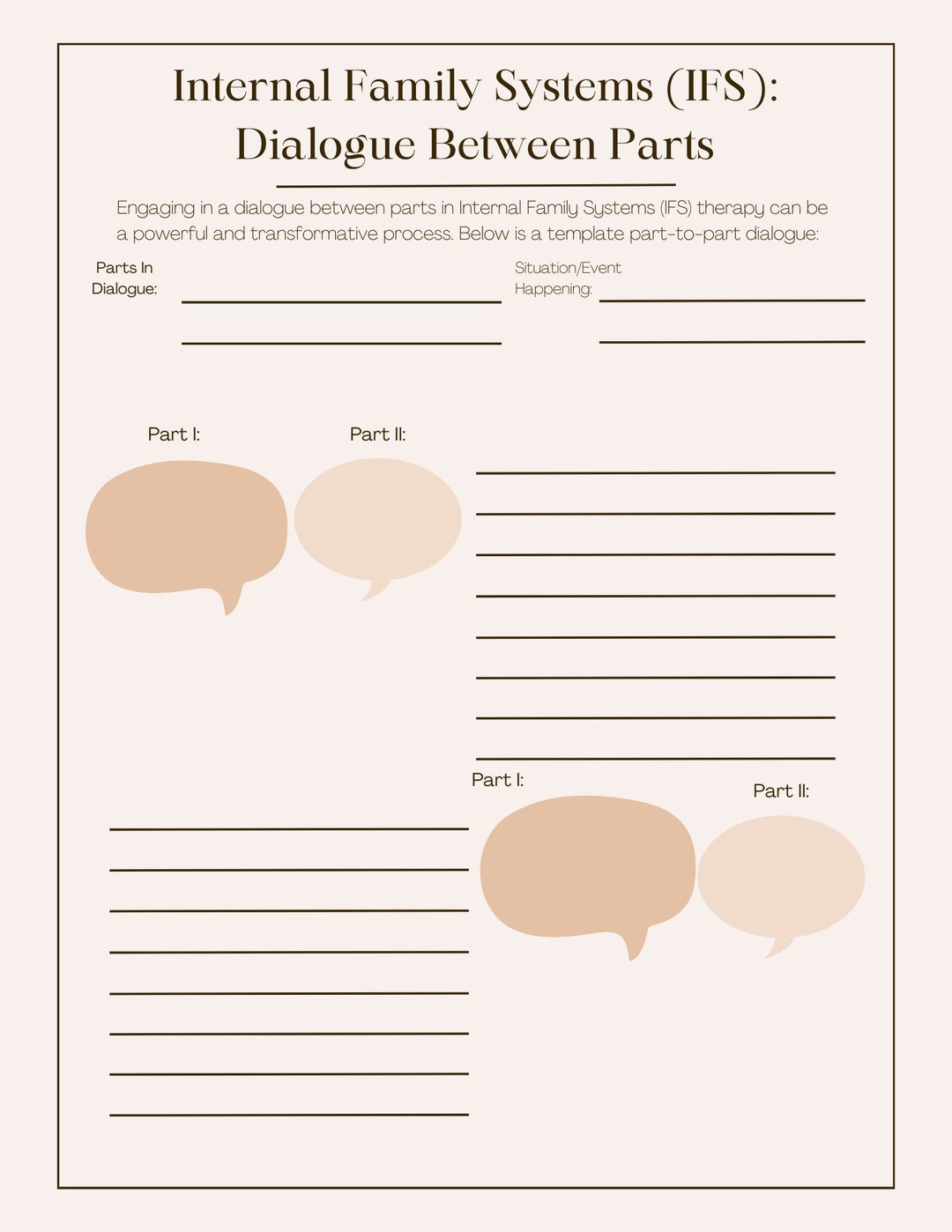
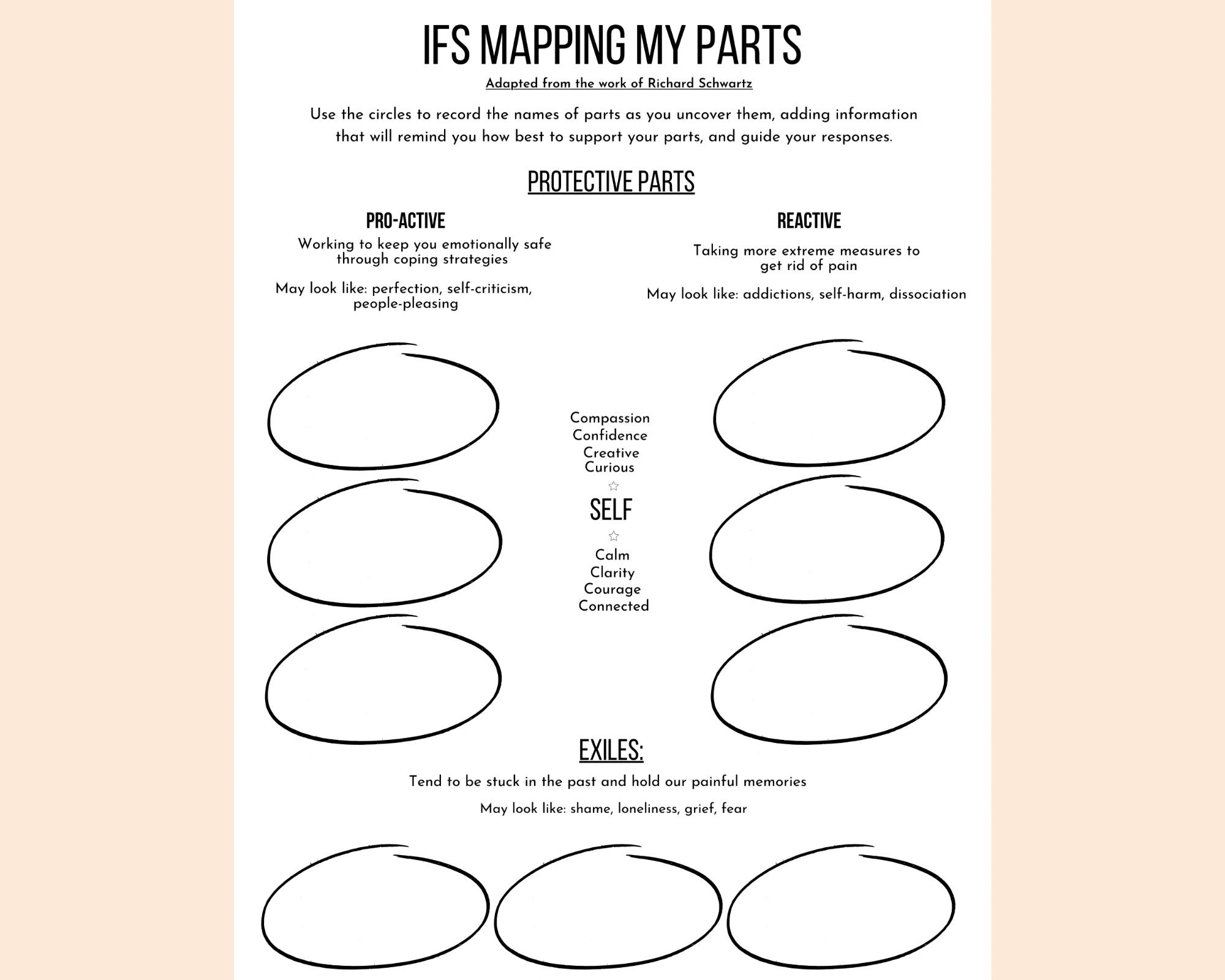
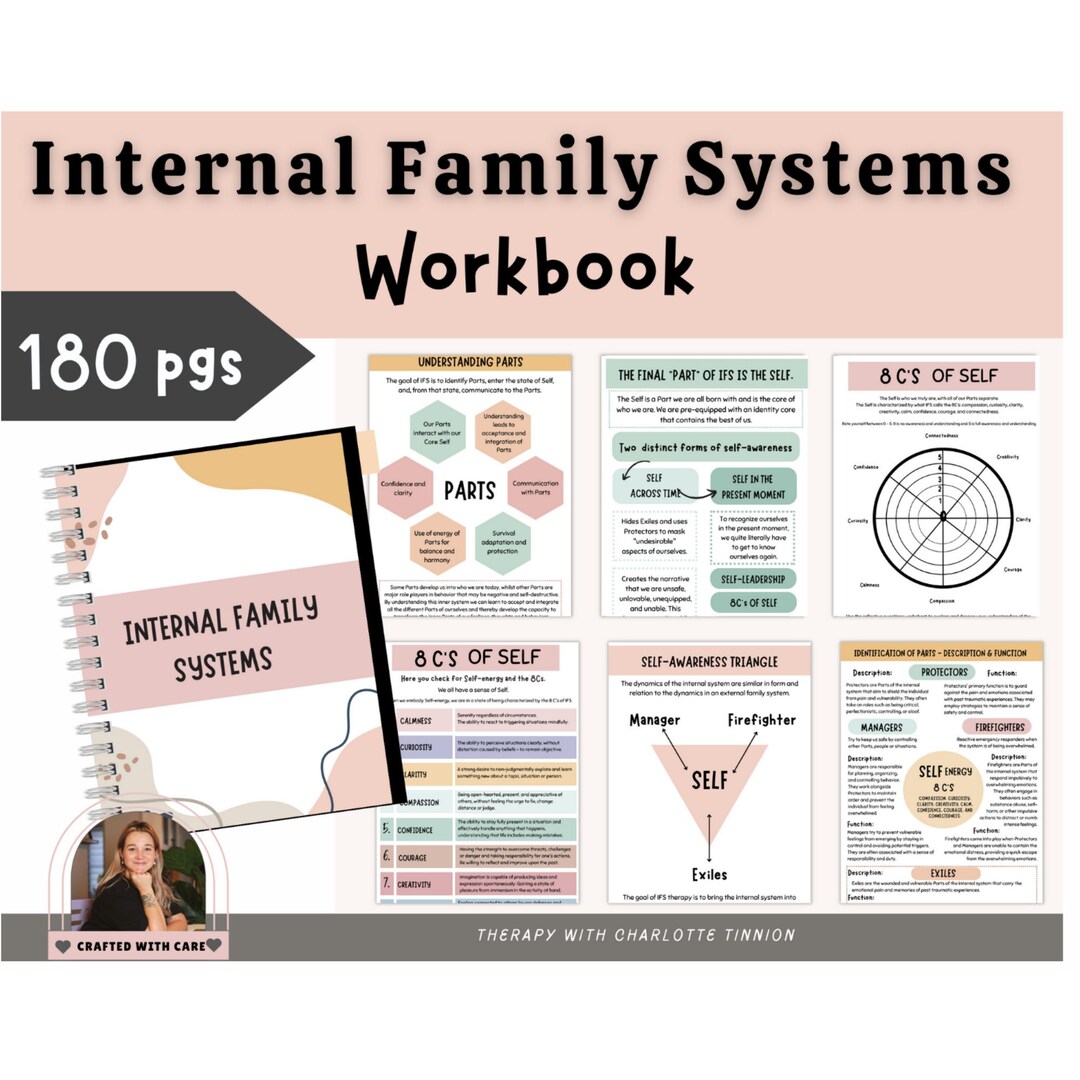
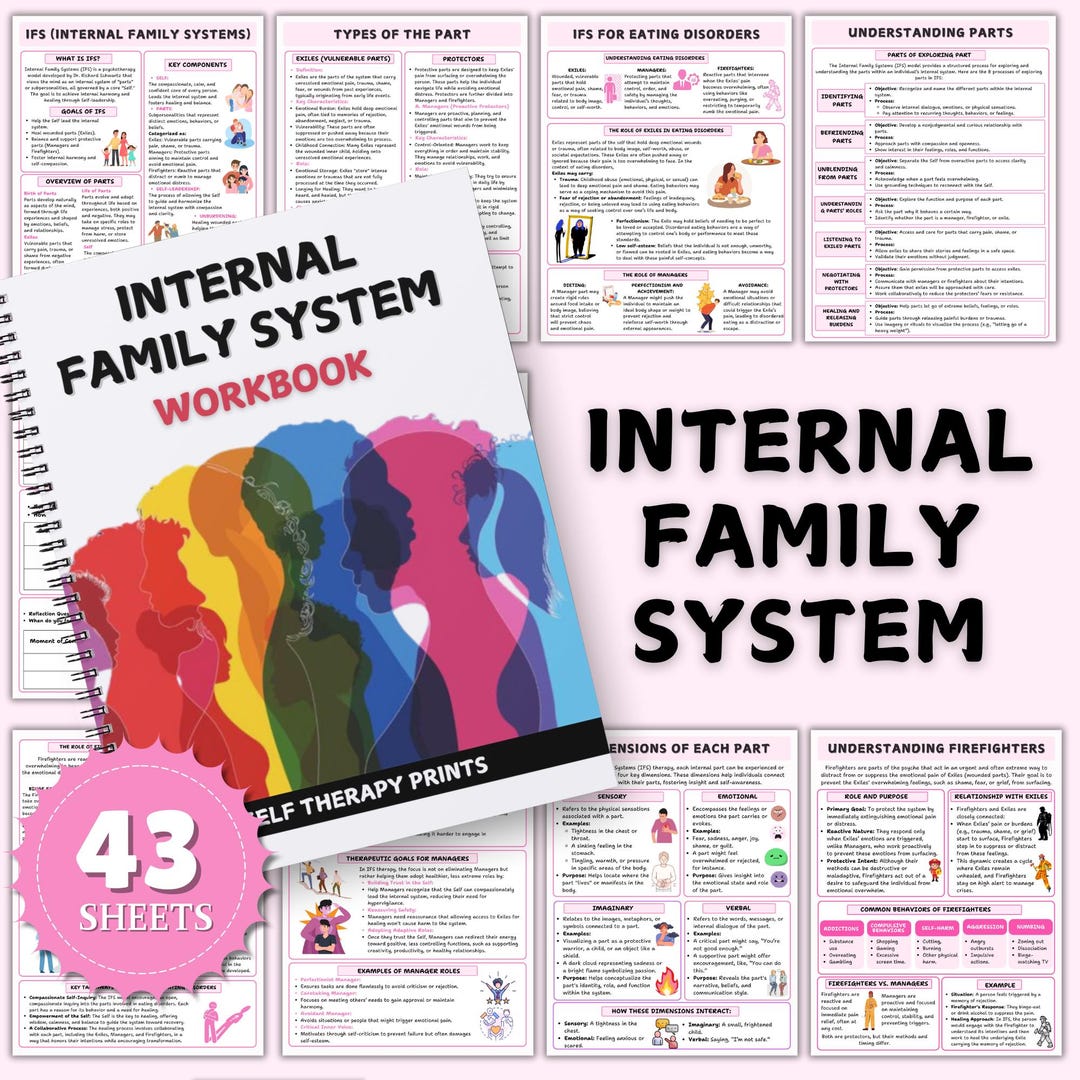
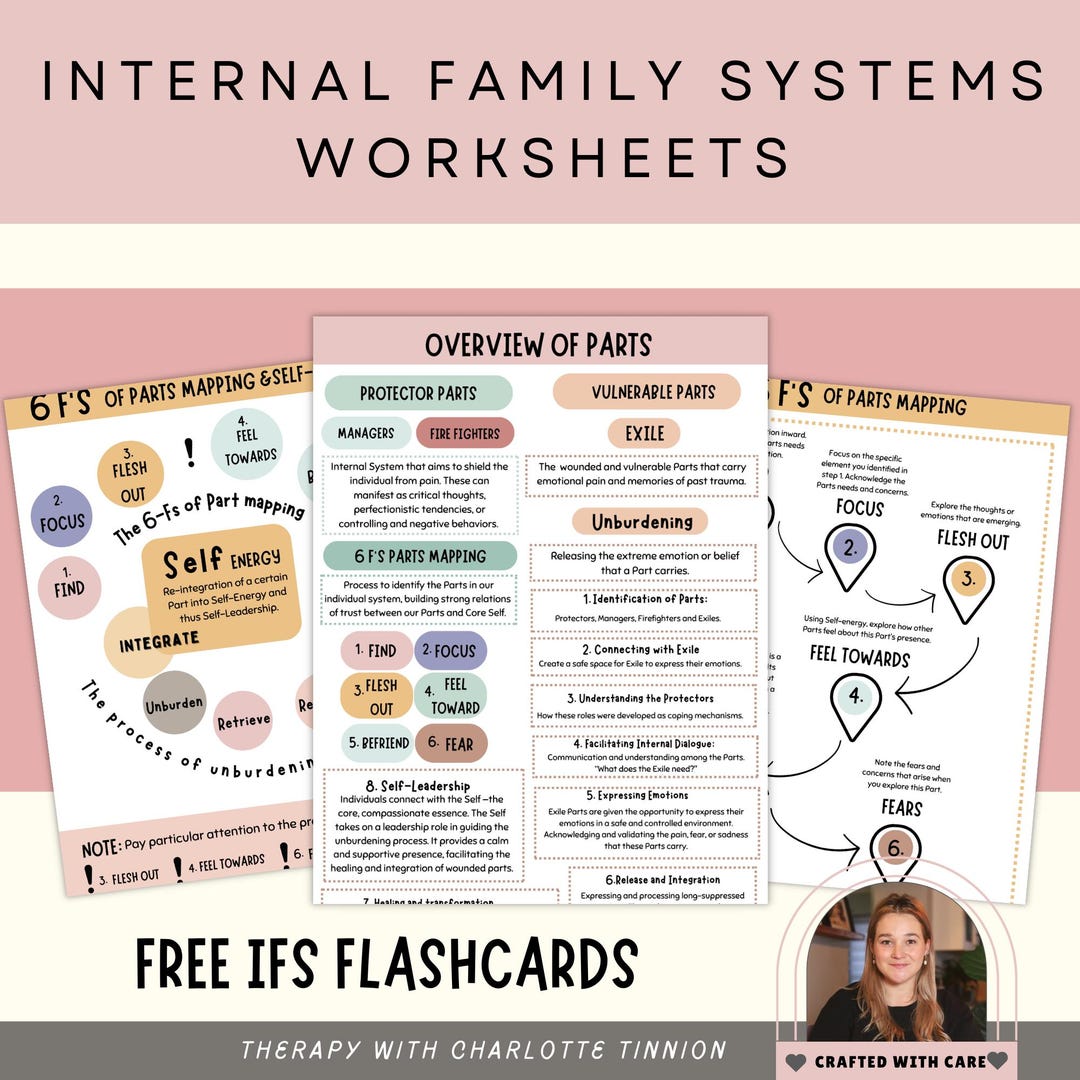
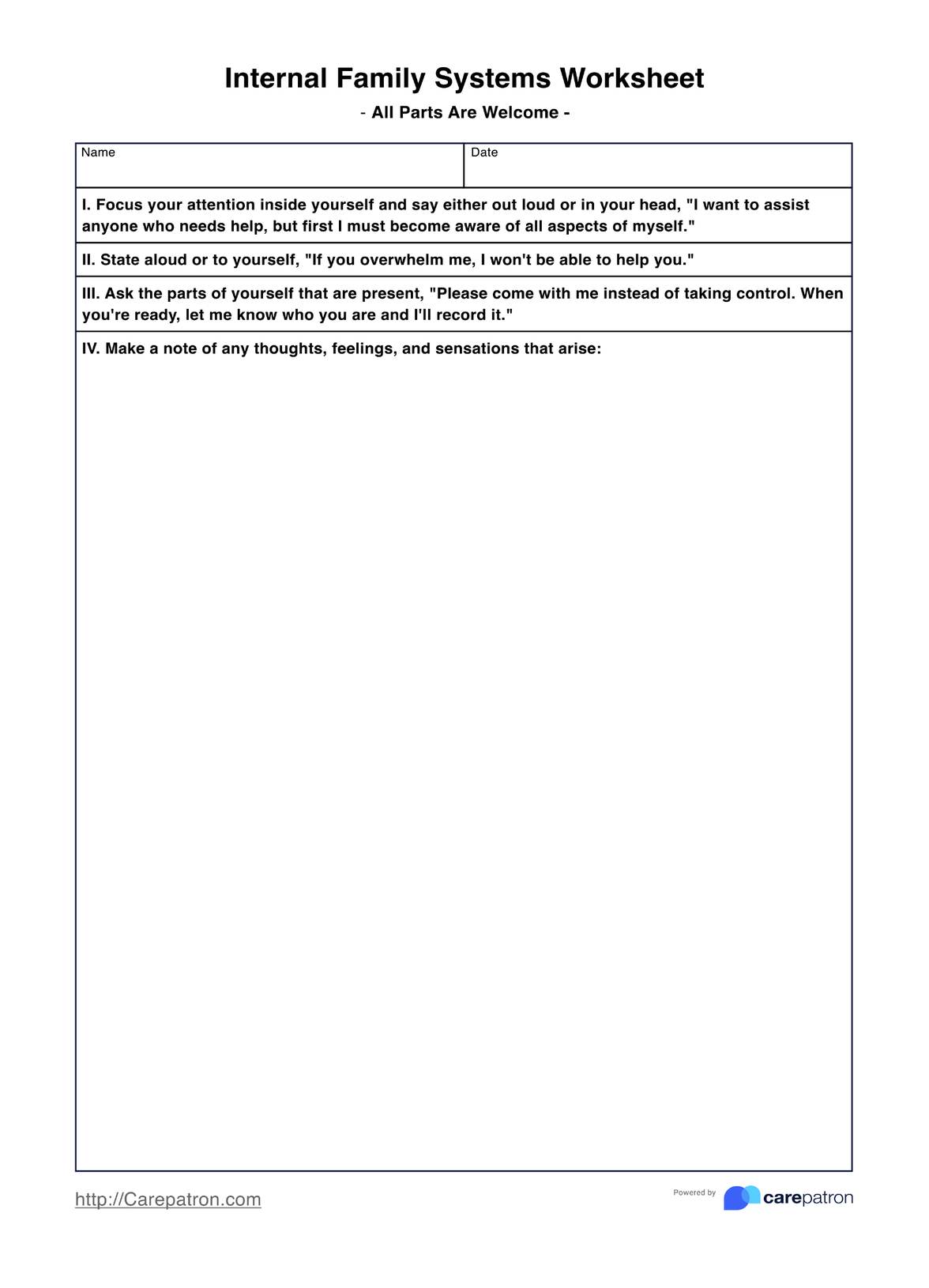
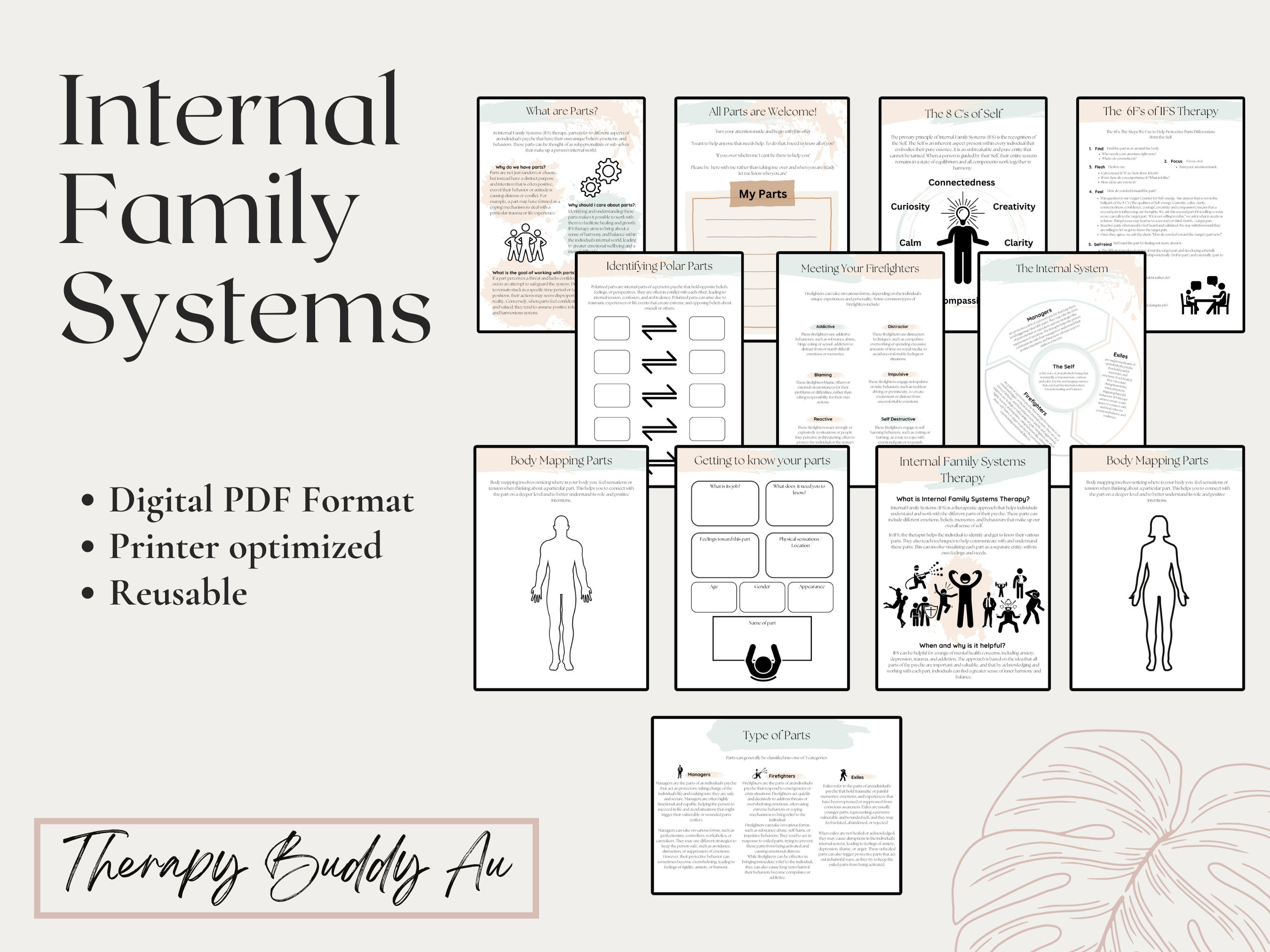
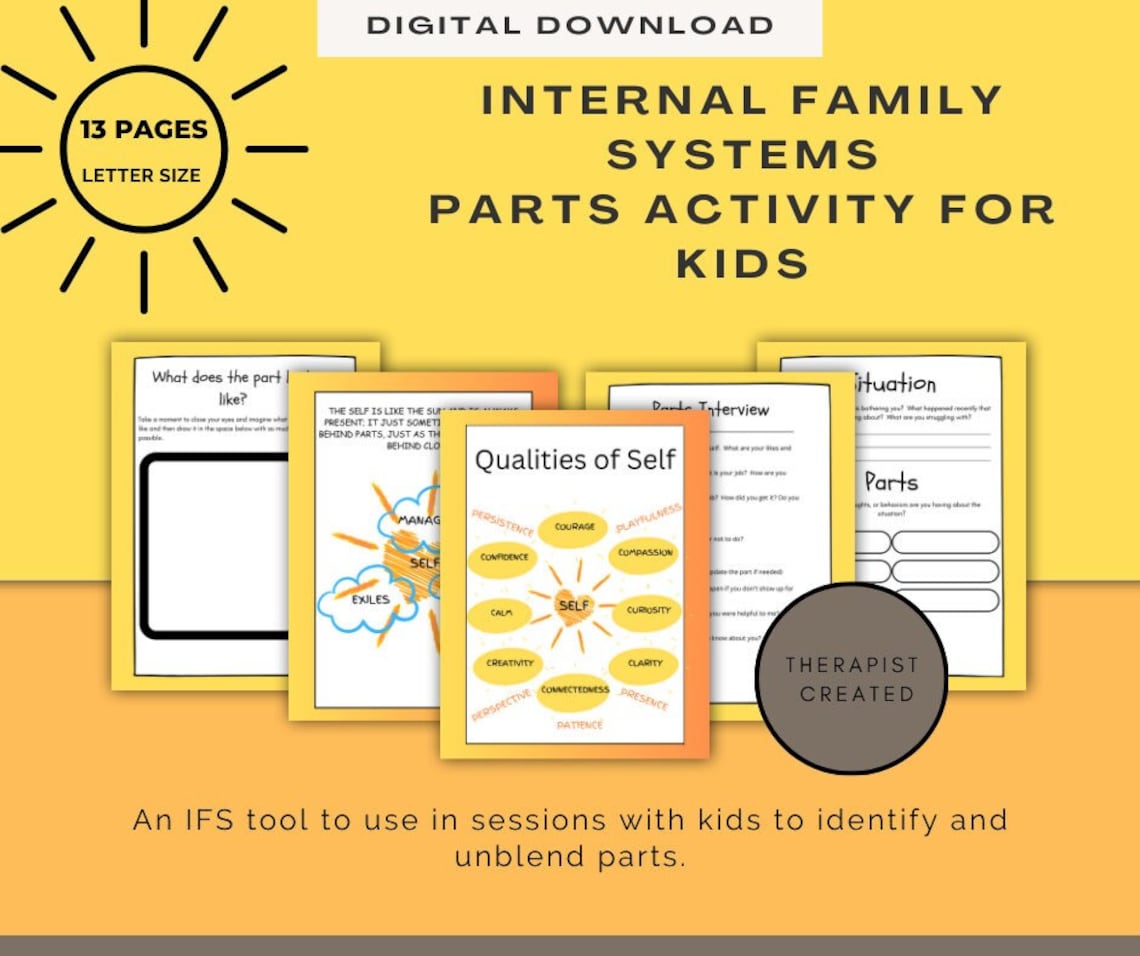
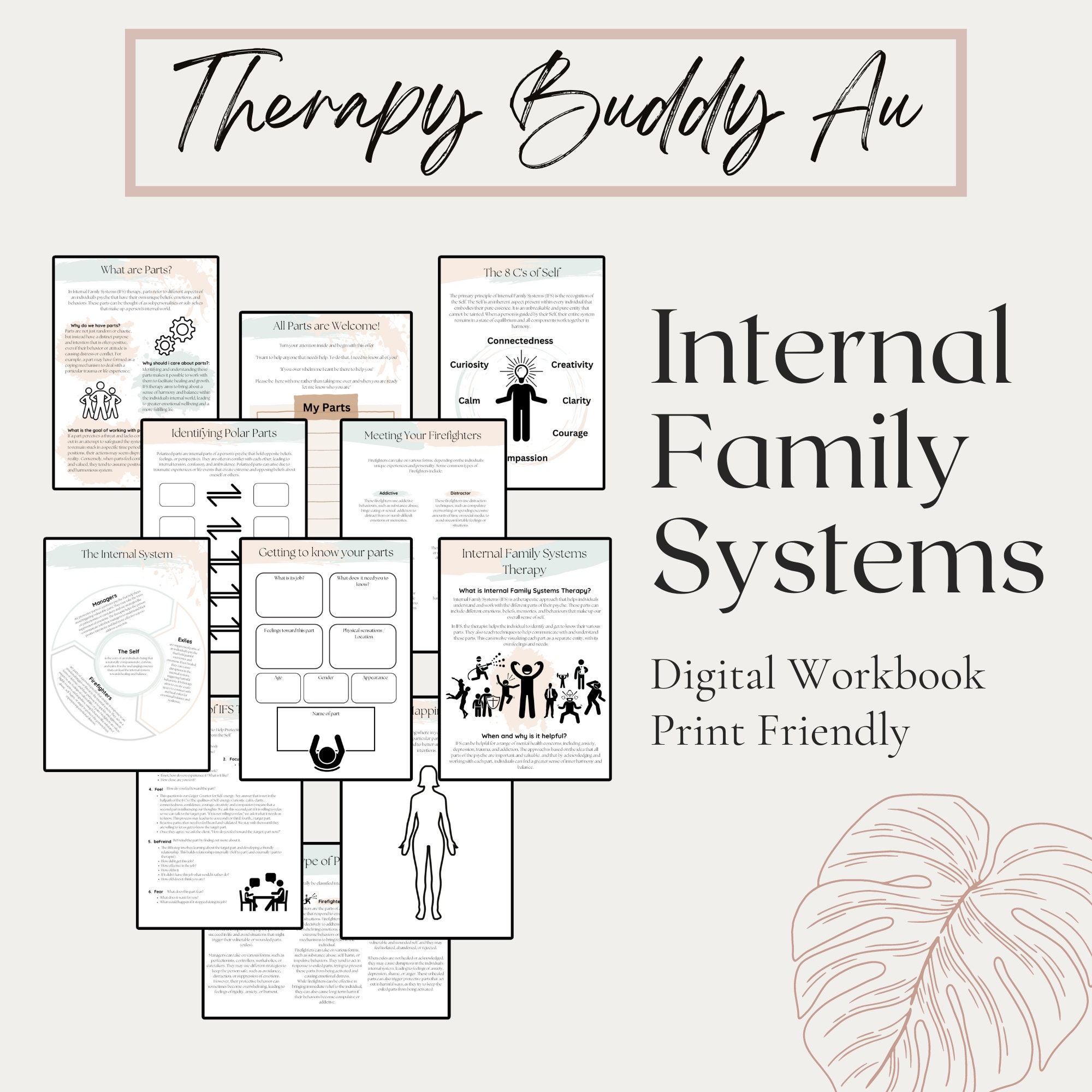
Internal Family Systems Parts Worksheet is an indispensable tool for anyone seeking to navigate the complex landscape of inner selves with clarity and compassion. By mapping the distinct voices that inhabit our psyche, the worksheet invites us to explore, understand, and heal each part in a structured, therapeutic way.
Understanding Internal Family Systems Theory
Internal Family Systems (IFS) is a therapeutic framework developed by Dr. Richard Schwartz that views the mind as a system of subpersonalities, or parts. Each part has its own perspective, feelings, and intentions, and the system functions as an internal family where parts interact, negotiate, and sometimes conflict. IFS posits that the core of each person is a Self—a calm, curious, and compassionate presence that can observe and guide the parts. When parts become overwhelmed by emotions or trapped in unhelpful patterns, they can lose their balance, leading to distress or maladaptive behavior.
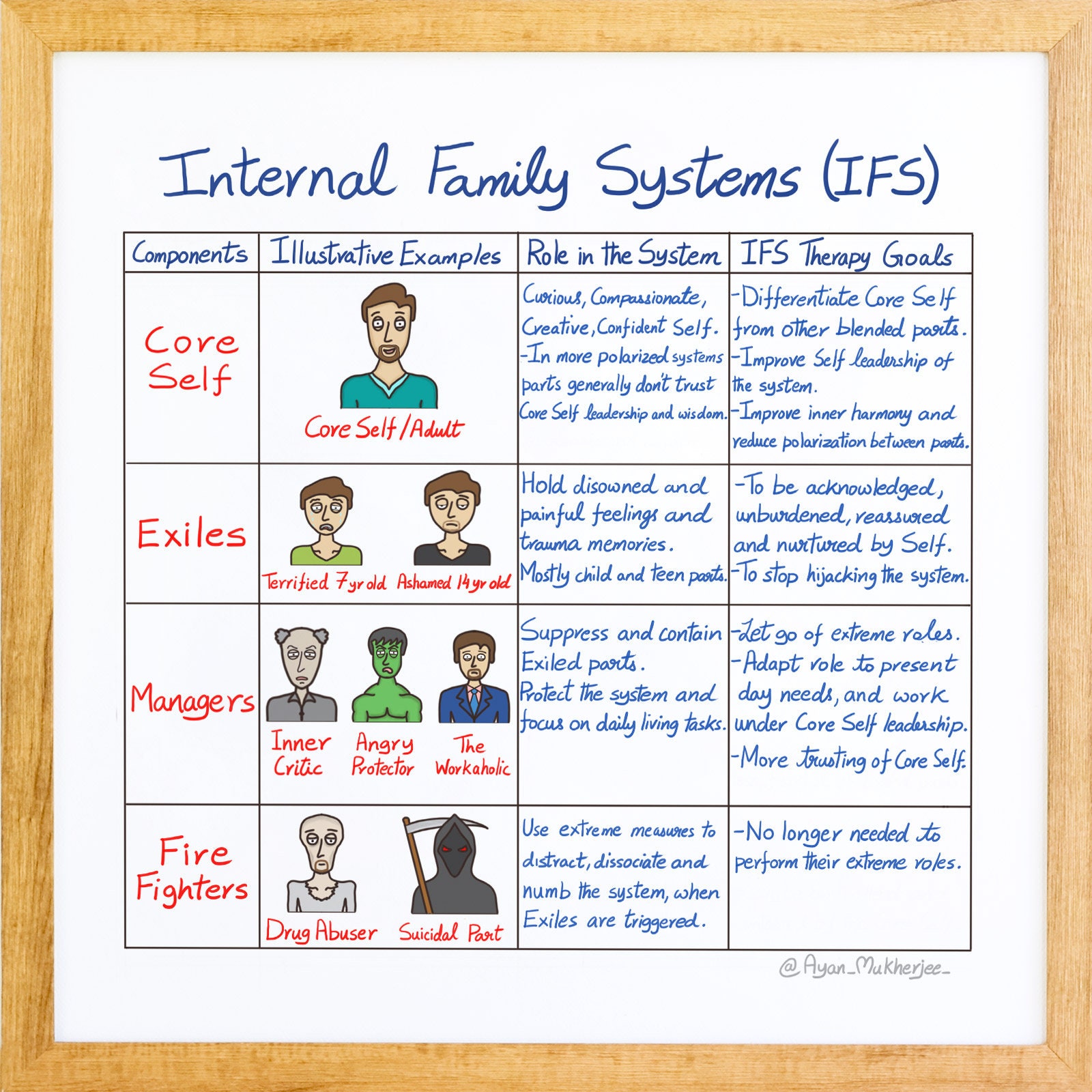
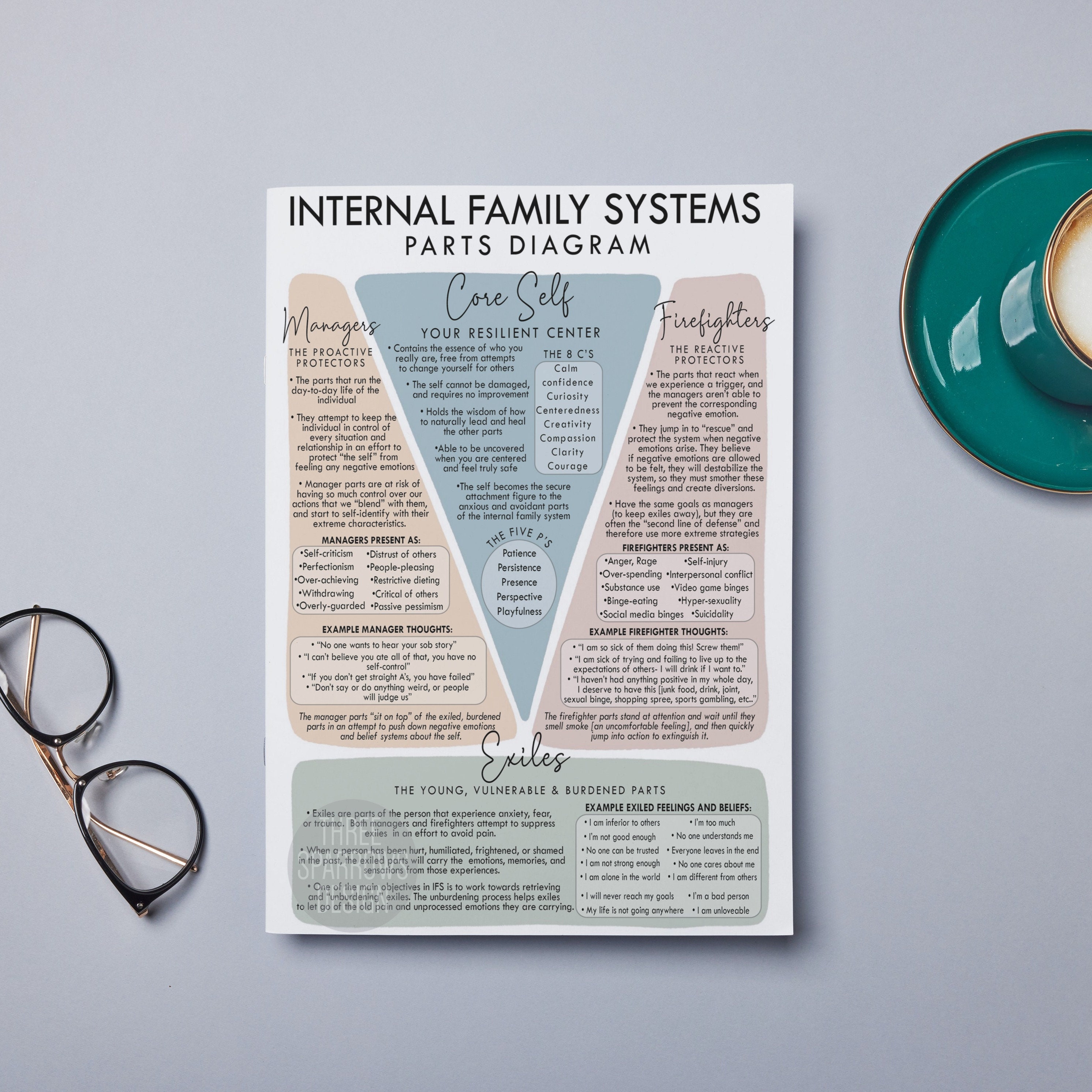
IFS therapy focuses on three primary categories of parts:
- Managers – proactive, protective parts that keep the system safe and in control.
- Firefighters – reactive, crisis‑response parts that attempt to soothe pain by distracting or numbing the system.
- Exiles – vulnerable, often traumatized parts that hold painful memories and emotions.
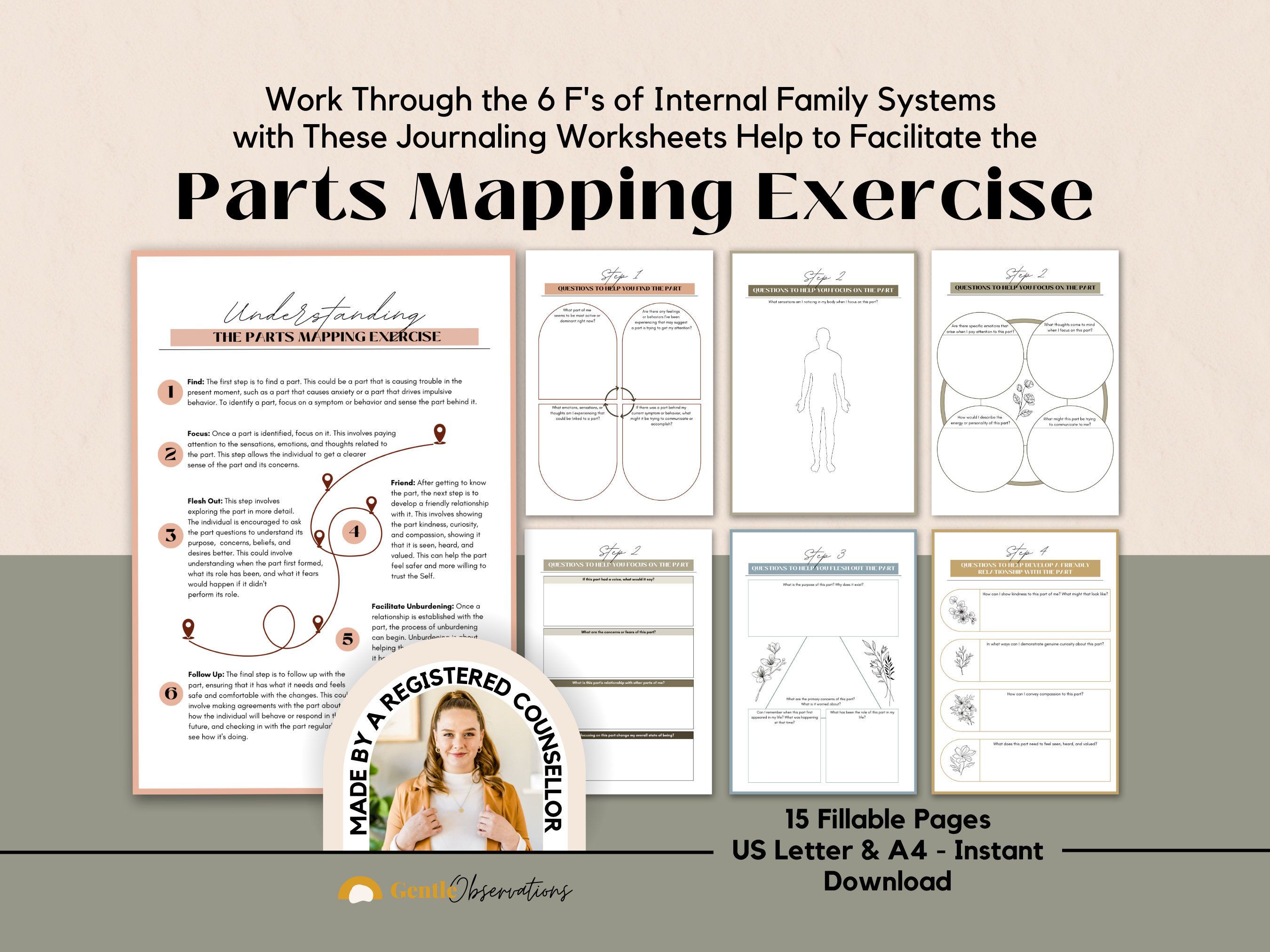
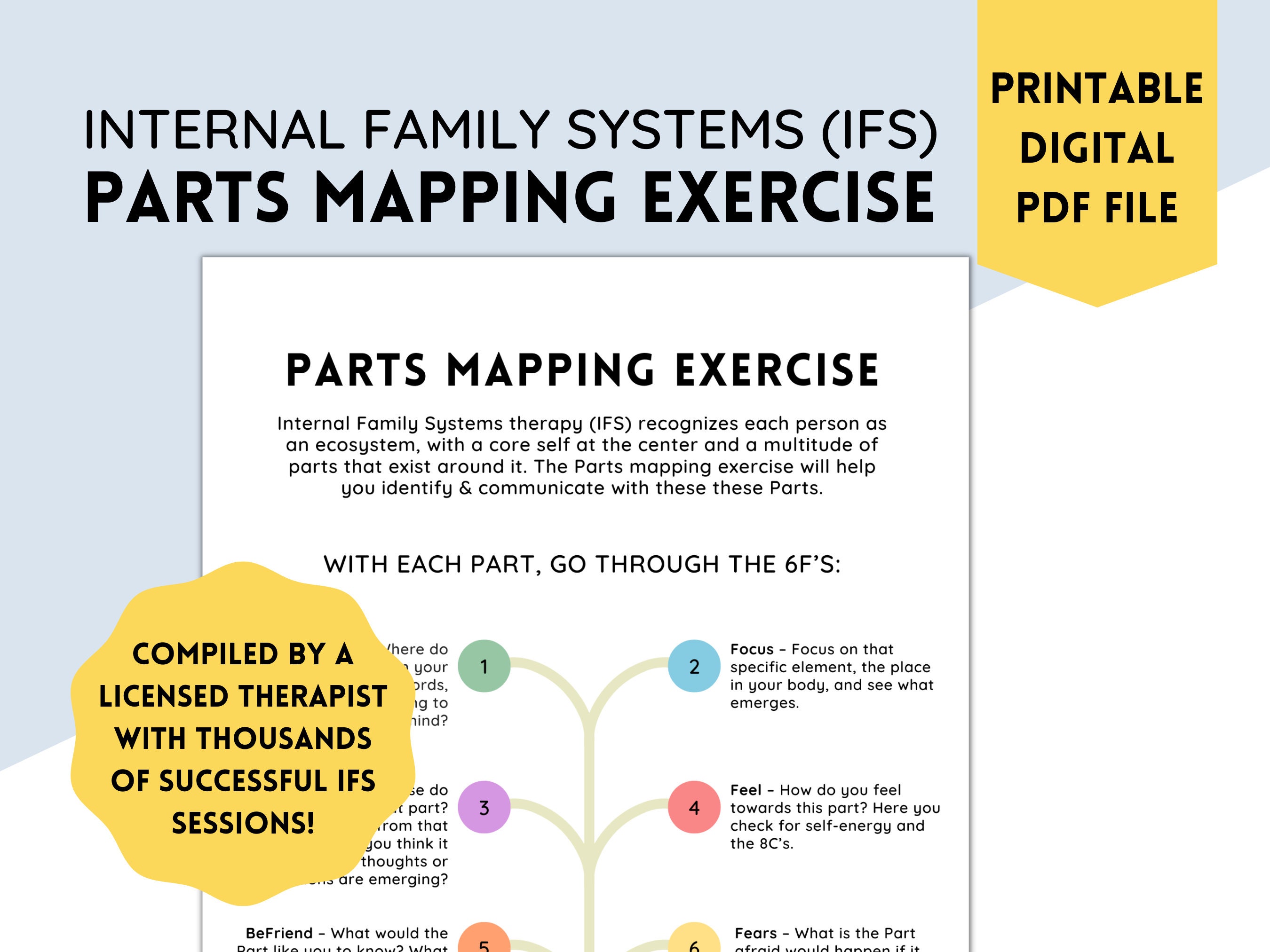
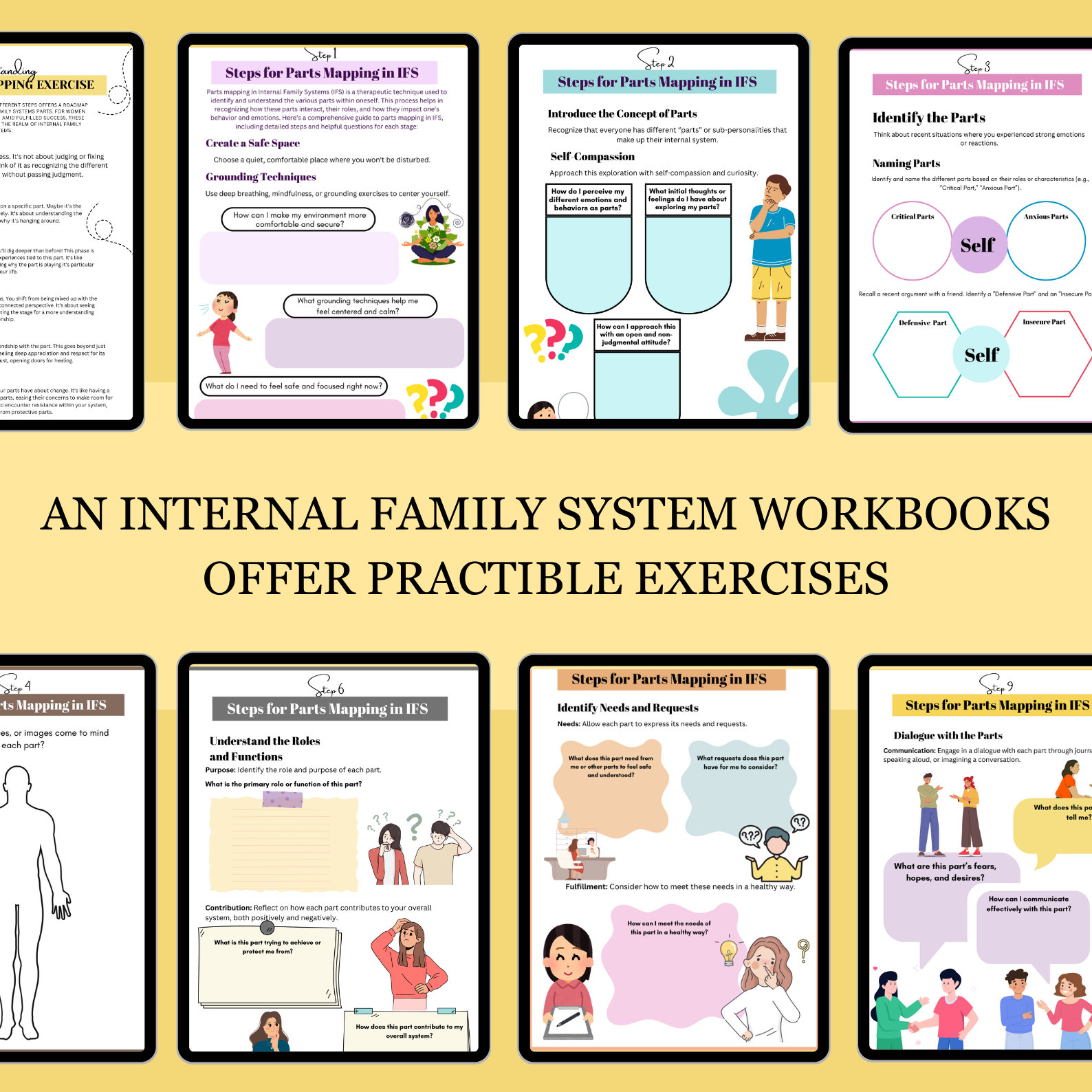
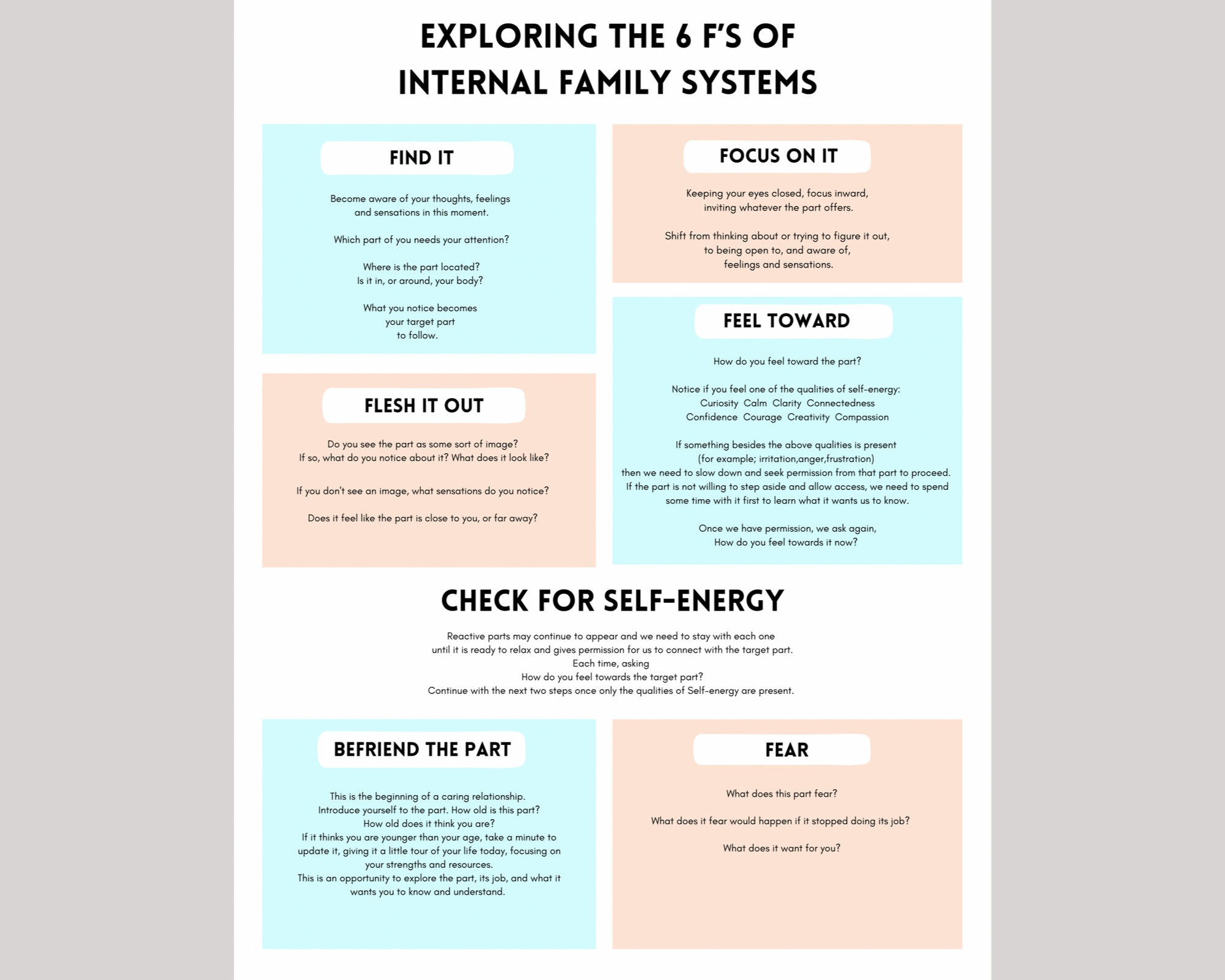
The Parts Worksheet acts as a living map, helping individuals identify each category and its specific role within their internal system.
Why Use a Parts Worksheet?
Although IFS can be practiced through guided therapy, a well‑crafted worksheet empowers individuals to:
- Visualize their inner system, turning abstract feelings into concrete entities.
- Track progress over time by noting shifts in part relationships and emotional states.
- Increase self‑awareness through intentional labeling and reflection.
- Facilitate communication between therapist and client or between self and parts during solo work.
By engaging with the worksheet regularly, people develop a clearer sense of ownership over their internal experiences, paving the way for lasting change.
Key Components of a Parts Worksheet
A robust worksheet typically contains the following elements:
- Part Name – a brief, descriptive label (e.g., “The Perfectionist”).
- Type – Manager, Firefighter, or Exile.
- Primary Emotion – the dominant feeling associated with the part.
- Motivation – what the part aims to achieve or protect.
- Trigger List – external or internal cues that activate the part.
- Interaction Notes – how the part communicates with other parts.
- Healing Path – steps or affirmations that help the part move toward Self‑leadership.
- Self‑Observation – a space to record moments when Self is present.
When all these fields are filled, the worksheet becomes a dynamic record of the internal family, ready for analysis and transformation.
Step‑by‑Step Guide to Creating Your Own Worksheet
1. Gather Materials and Set Intent
Choose a quiet, comfortable space and gather a notebook, pens of various colors, or a digital tool that allows easy editing. Before you begin, set an intention: “I will honor each part’s voice and create a compassionate dialogue.” This mindset primes your mind for open, non‑judgmental observation.
2. Identify the Parts
Close your eyes and ask yourself, “Which voices have been most active today?” Write down each one as a separate entry. Don’t worry about classification yet; simply list every distinct feeling, thought, or urge that surfaces. If you need guidance, consider common internal labels such as “The Critic,” “The Protector,” “The Child,” or “The Dreamer.”
3. Classify Each Part
Review the list and assign a type:
- Manager – often preemptive, organized, and controlling.
- Firefighter – impulsive, reactive, seeks distraction or escape.
- Exile – sensitive, often tied to past pain or trauma.
Some parts may blend characteristics; in those cases, note both influences or choose the most prominent.
4. Document Core Attributes
For each part, fill in the fields of the worksheet: name, type, primary emotion, motivation, triggers, interaction notes, and healing path. Use concise language and consider adding color coding to differentiate types—green for Managers, orange for Firefighters, and blue for Exiles.
5. Observe Self‑Presence
After cataloguing each part, reflect on moments when your Self felt present—when you felt calm, curious, or compassionate. Write these observations next to each part. This practice reinforces the Self’s role as a neutral observer and catalyst for change.
6. Review and Iterate
Set a regular cadence—weekly or bi‑weekly—to revisit the worksheet. Note shifts in triggers, new parts that surface, or progress in healing paths. Over time, you’ll see patterns emerge and a clearer picture of your internal system.
Common Types of Parts and How to Identify Them
While the IFS model offers three broad categories, the actual parts people experience can be remarkably diverse. Below are practical examples that illustrate how to recognize and label common parts:
- The Perfectionist (Manager) – A critical voice demanding flawless performance. Triggers: looming deadlines, public speaking.
- The Cheerleader (Manager) – Encourages optimism but can overextend, causing burnout. Triggers: team projects, social events.
- The Firefighter (Party Goer) – Seeks fun or escapism to avoid discomfort. Triggers: stressful conversations.
- The Firefighter (Guilt‑Replacer) – Focuses on self‑criticism to mask deeper shame. Triggers: perceived failures.
- The Inner Child (Exile) – Holds unmet needs from childhood. Triggers: feelings of abandonment or neglect.
- The Survivor (Exile) – Remembers past trauma, often frozen in fear. Triggers: loud noises, sudden movements.
Identifying these parts accurately requires attentiveness to the unique language each part uses and the emotional landscape it creates. Trusting your intuition in labeling will strengthen your relationship with the worksheet.
Practical Applications: Therapy, Self‑Help, Coaching
In a Therapeutic Setting
Therapists can use the worksheet as a visual aid during IFS sessions, guiding clients to articulate their parts, negotiate with them, and gradually shift to Self‑leadership. The worksheet also serves as a homework tool, allowing clients to document insights between appointments.
For Self‑Help Enthusiasts
Individuals practicing IFS on their own can treat the worksheet as a journal of inner dialogue. By reflecting on each part’s needs and desires, they can negotiate with their internal system, fostering autonomy and reducing self‑criticism. Regular review promotes self‑compassion and reduces reactivity.
In Coaching and Leadership Development
Coaches can integrate the worksheet into performance coaching, helping clients recognize internal limiting beliefs or over‑protective managers that impede progress. By mapping parts, coaches facilitate a dialogue that encourages clients to adopt healthier strategies and align their inner system with their professional goals.
Tips for Effective Use and Avoiding Pitfalls
- Non‑Judgmental Observation – Treat each part with curiosity, not criticism. Labeling a part as “bad” only reinforces its isolation.
- Consistency Over Perfection – It’s better to update the worksheet weekly than to create a perfect map in one go.
- Use Visual Enhancements Sparingly – Color coding can help, but avoid over‑decorating, which may distract from the content.
- Integrate Self‑Compassion – Include a section for affirmations that the Self can offer to each part, strengthening Self‑leadership.
- Maintain Flexibility – Parts evolve; feel free to rename or reclassify them as you gain clarity.
- Seek Professional Guidance – Especially when dealing with intense trauma, a licensed IFS therapist can provide crucial support.
Resources and Further Learning
To deepen your understanding of IFS and enhance your worksheet practice, consider exploring reputable IFS training programs, workshops, or online courses. Additionally, books like “Introduction to Internal Family Systems Therapy” and “Internal Family Systems Therapy for Trauma” provide foundational knowledge and case studies. For those inclined toward digital tools, many mindfulness apps now include IFS modules that complement paper worksheets.
Conclusion
Crafting an Internal Family Systems Parts Worksheet is more than a therapeutic exercise—it’s a commitment to honoring the full spectrum of your inner life. By systematically identifying, classifying, and engaging with each part, you empower yourself to move from fragmented reactivity to integrated Self‑leadership. Whether guided by a therapist, pursued independently, or applied in coaching, this worksheet offers a practical, compassionate roadmap to inner harmony. Embrace the process, stay consistent, and watch as your internal system transforms from chaotic to cooperative, opening the door to lasting healing and personal growth.