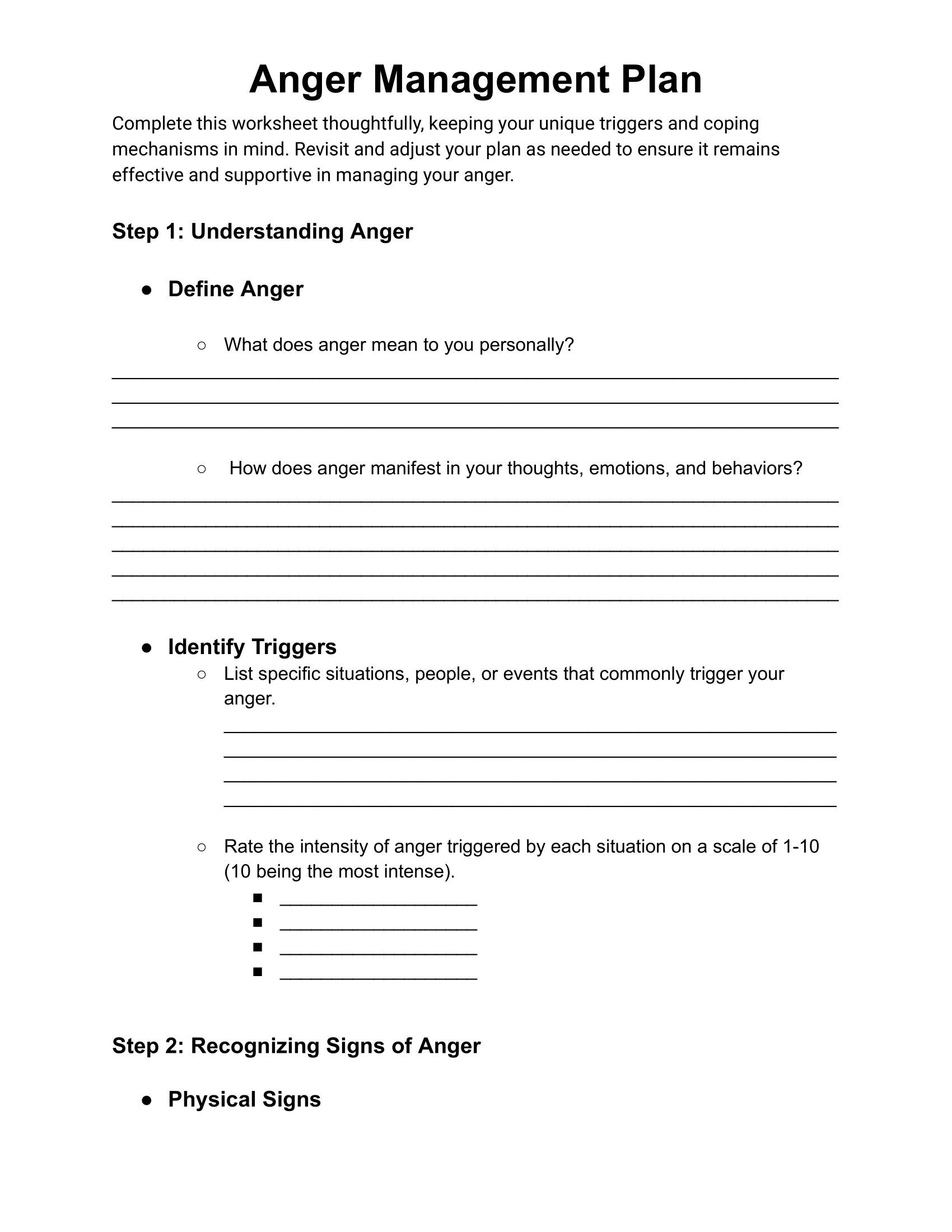
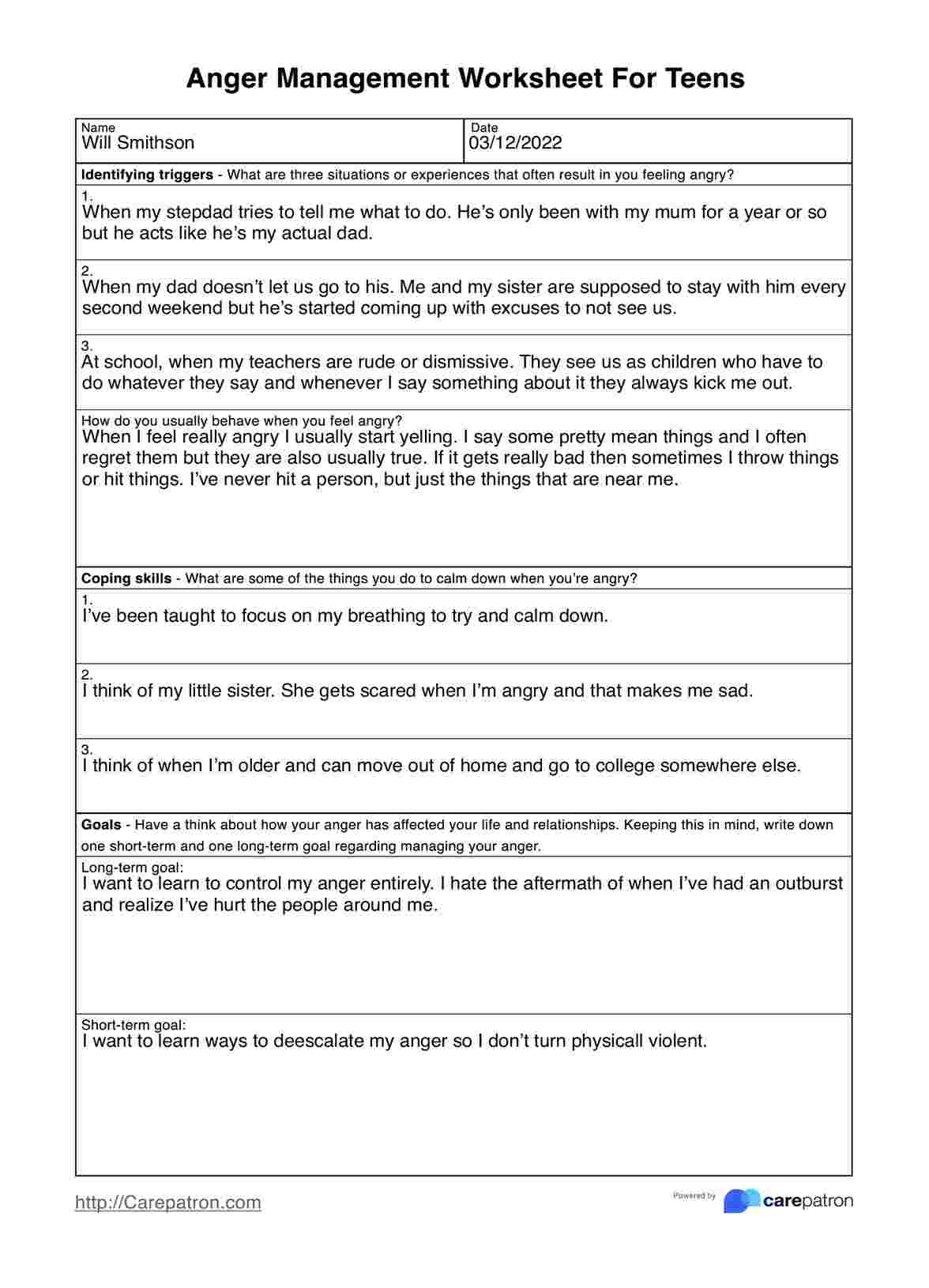
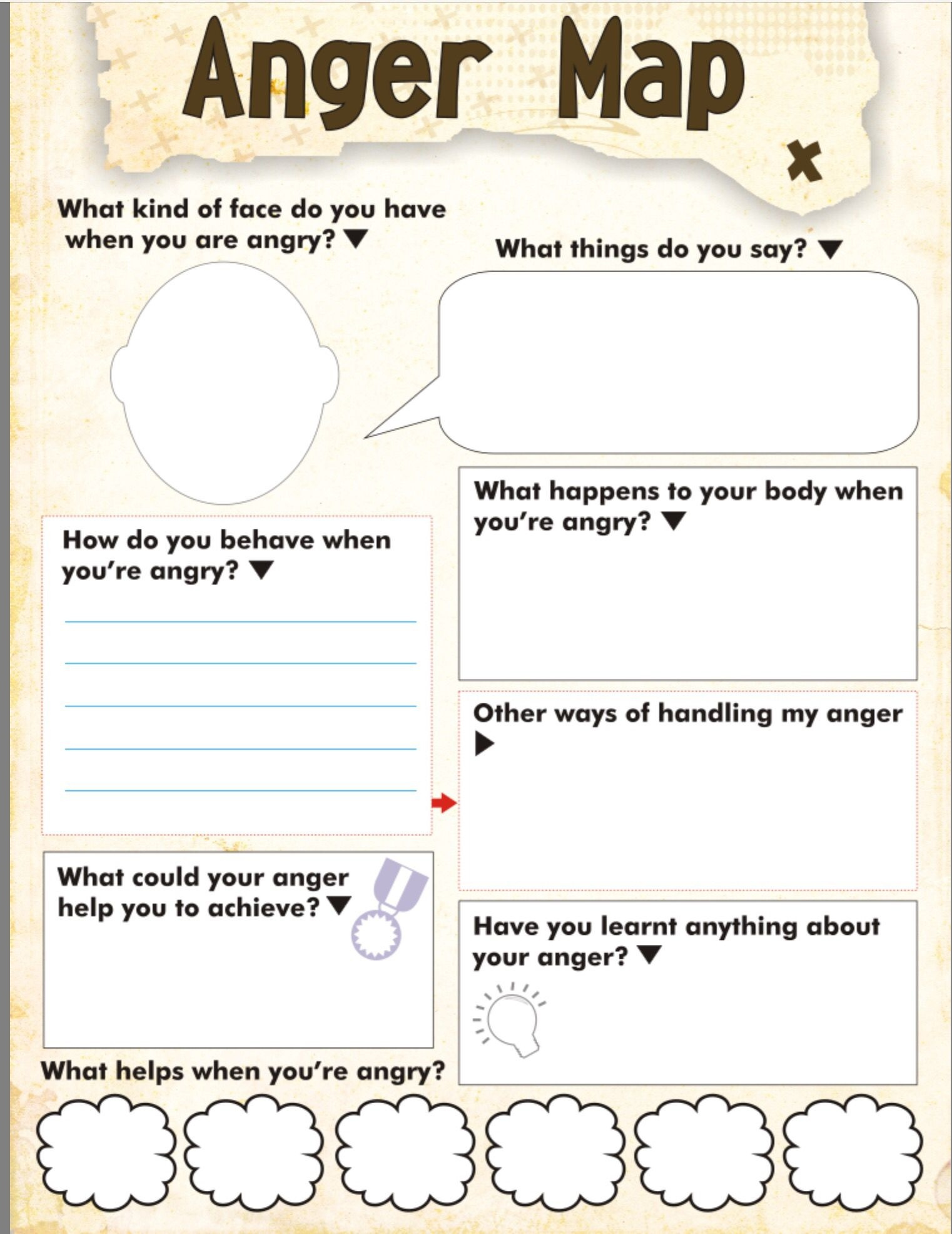
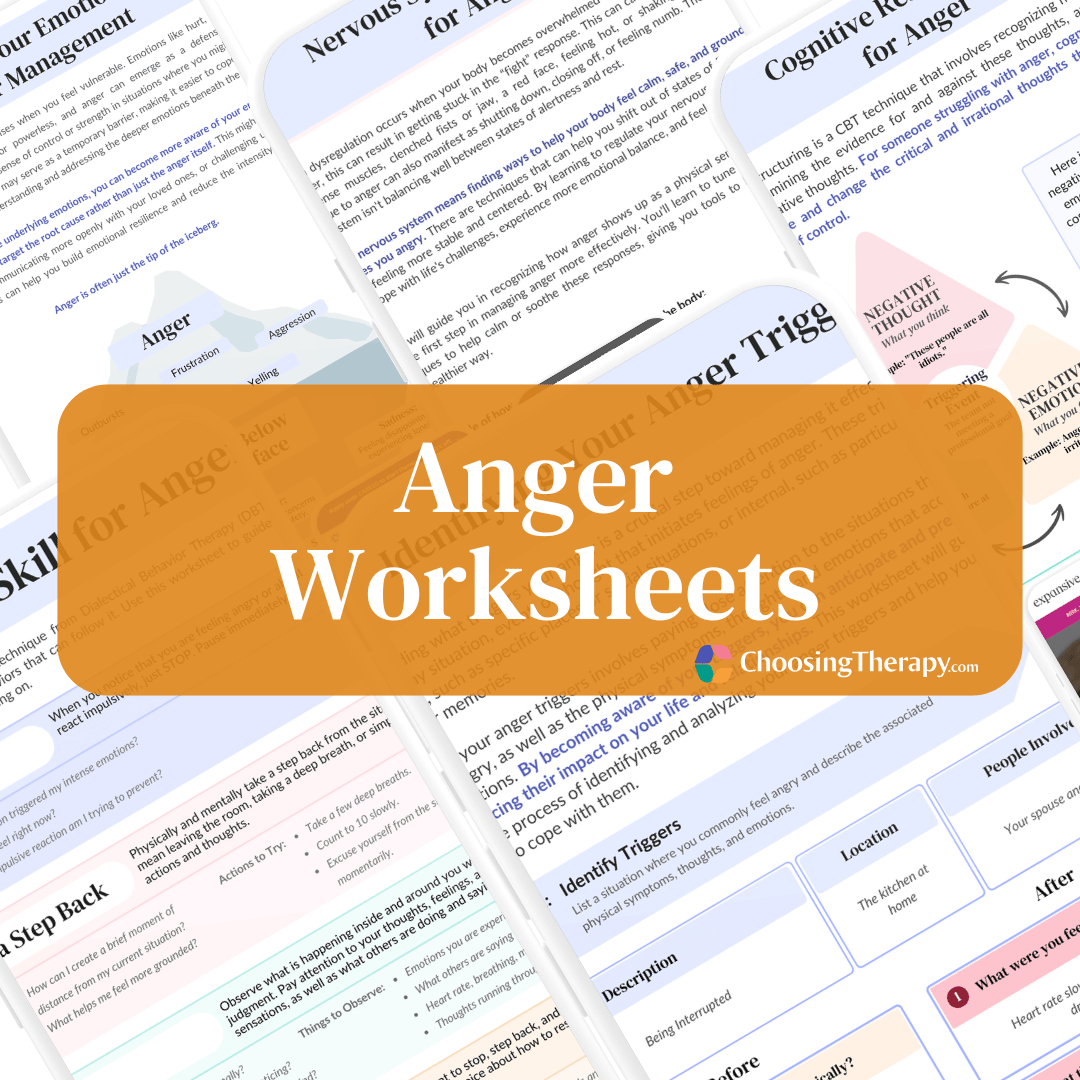
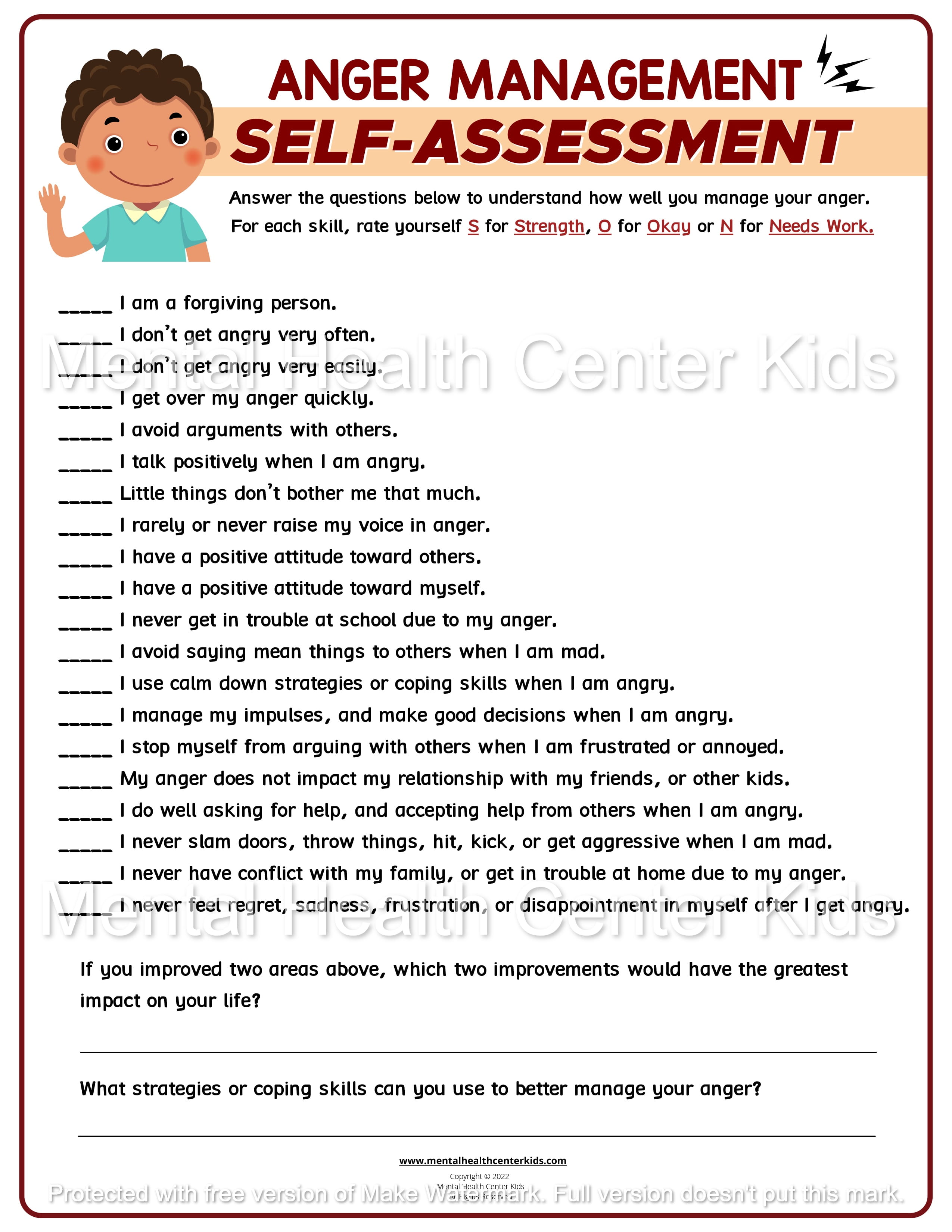
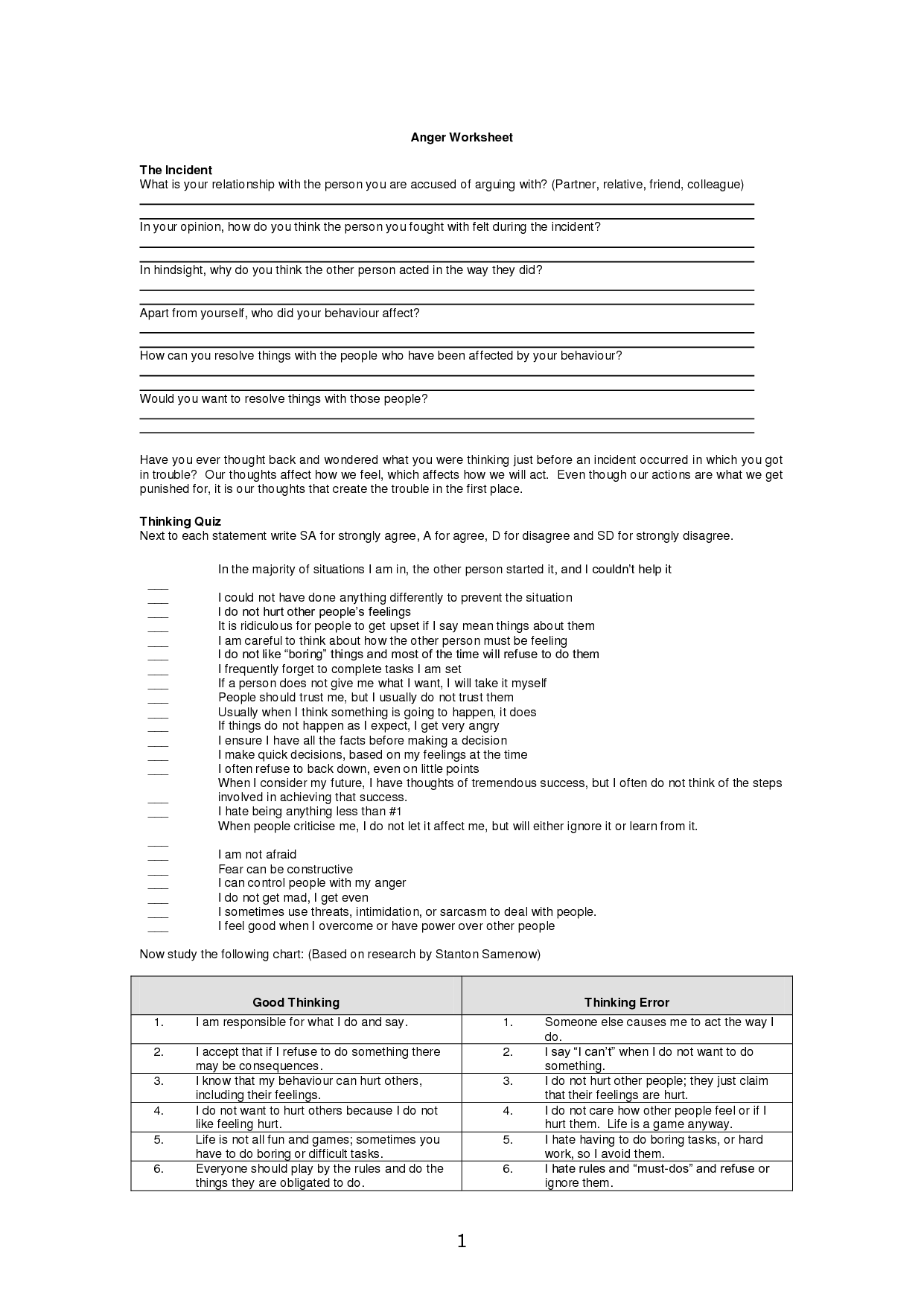
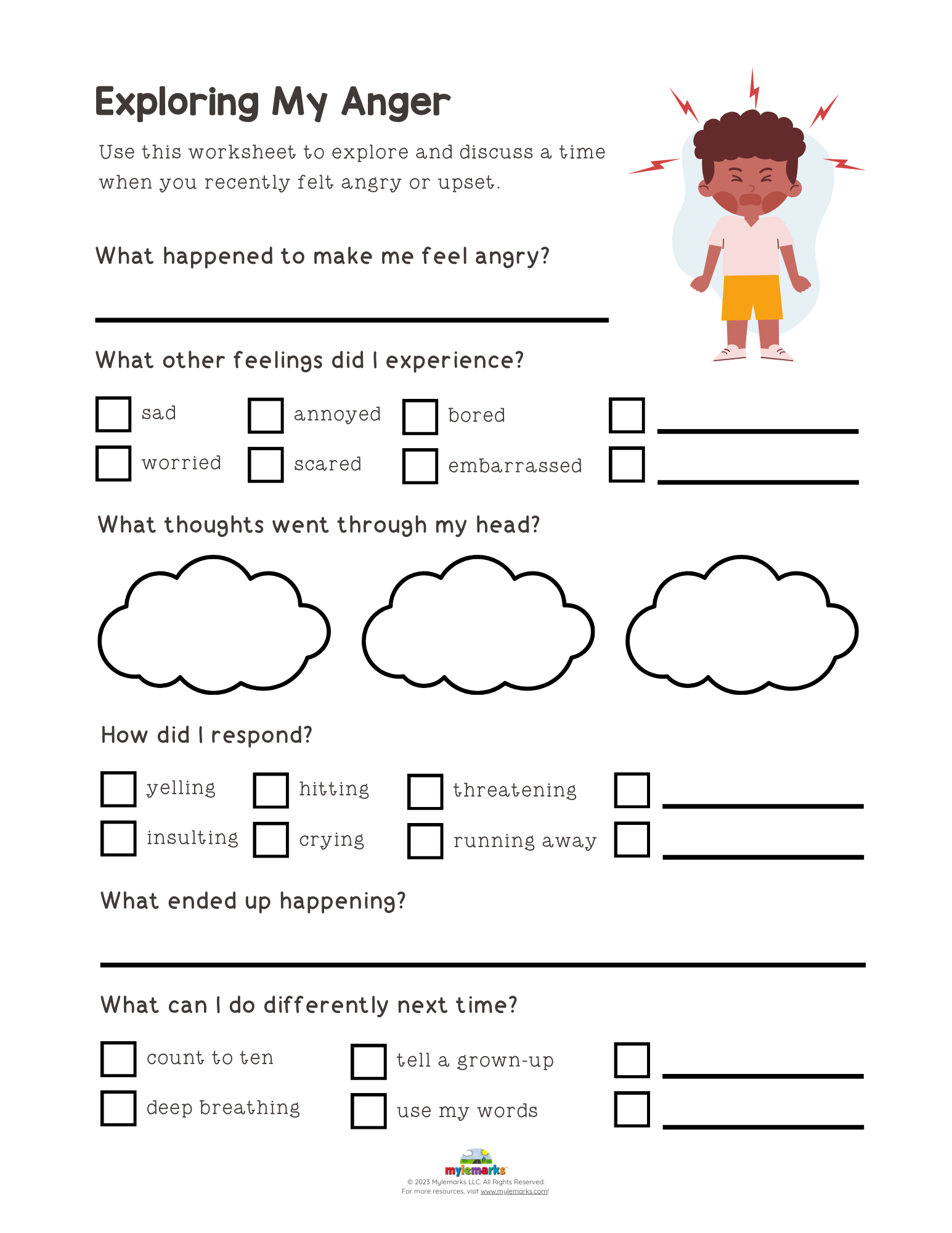
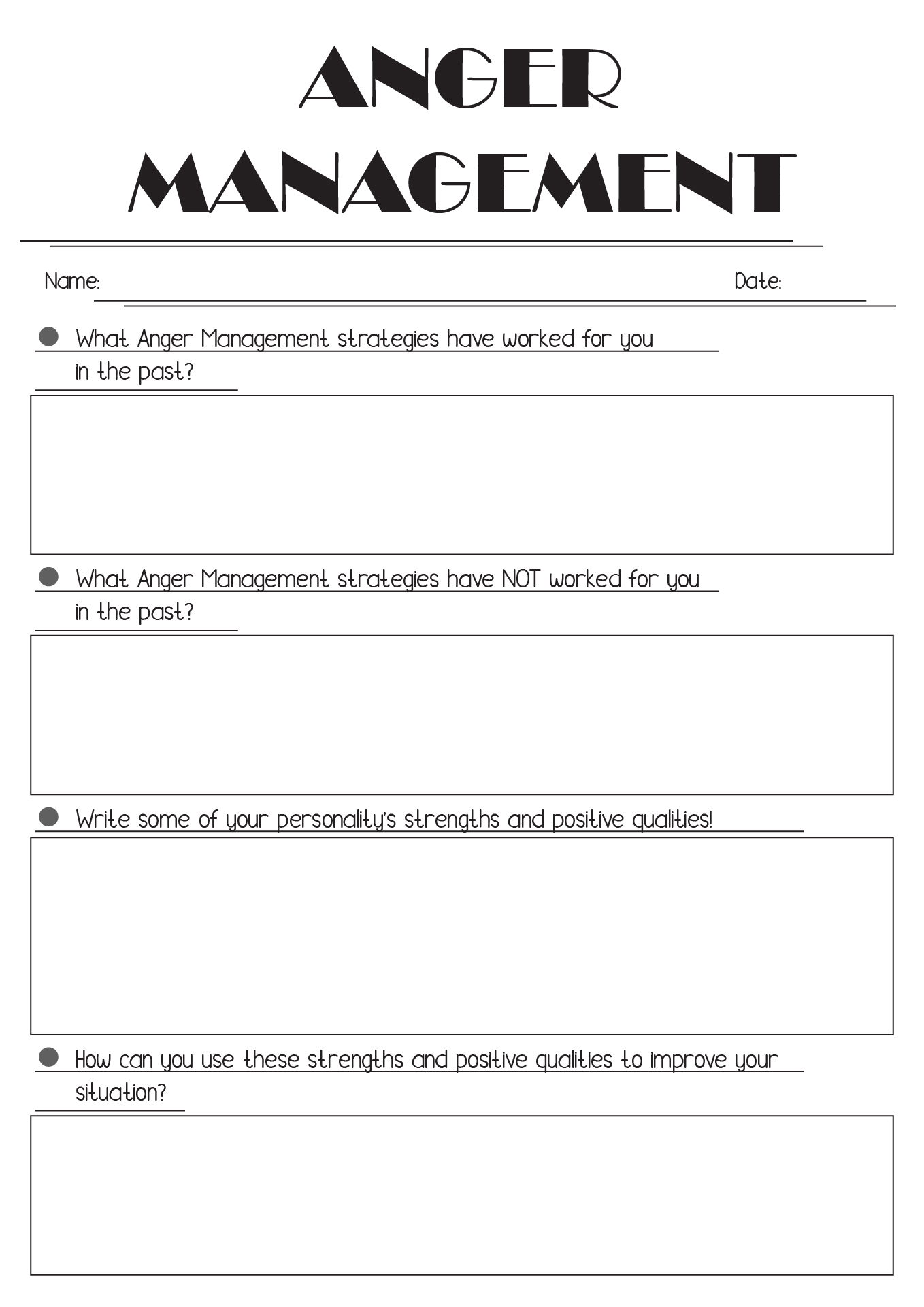
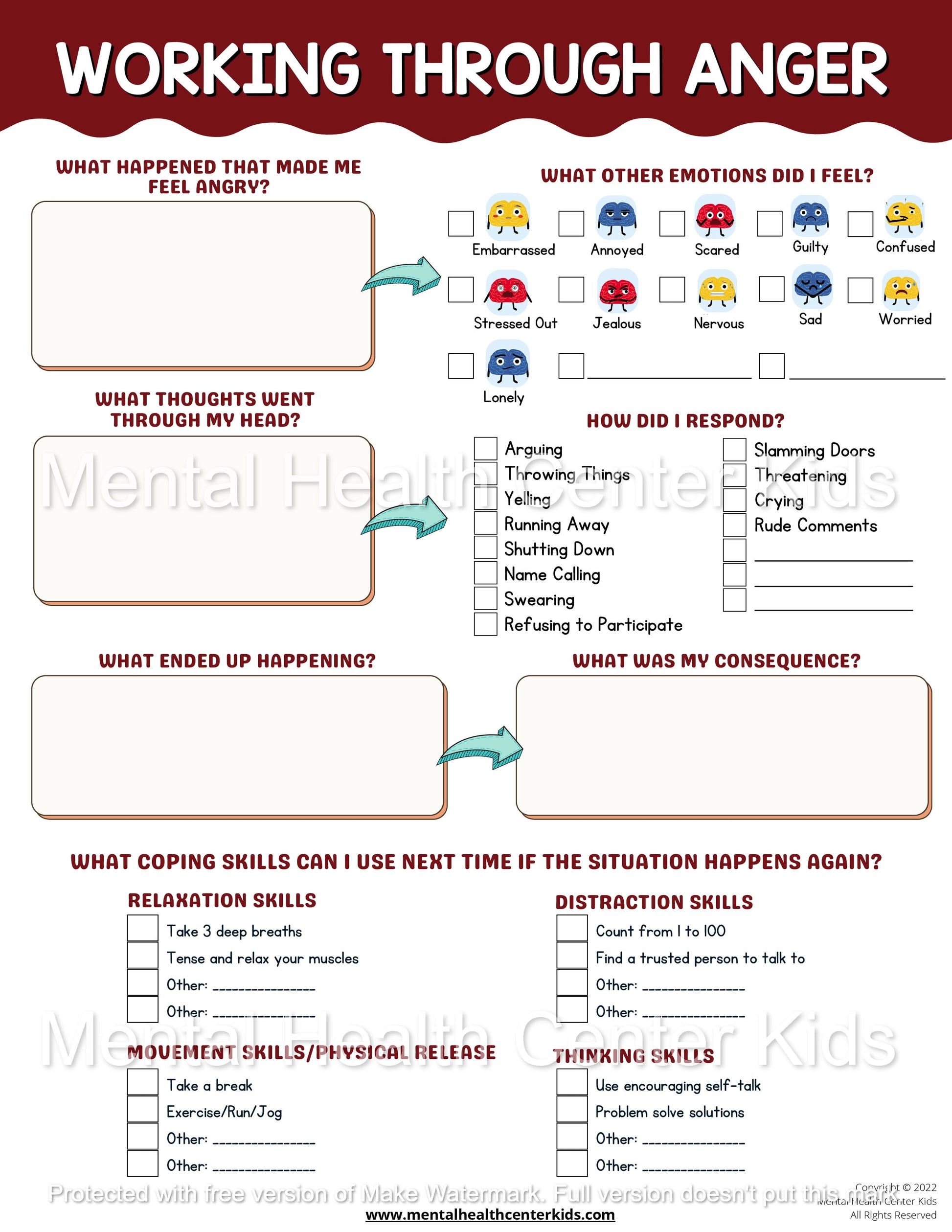
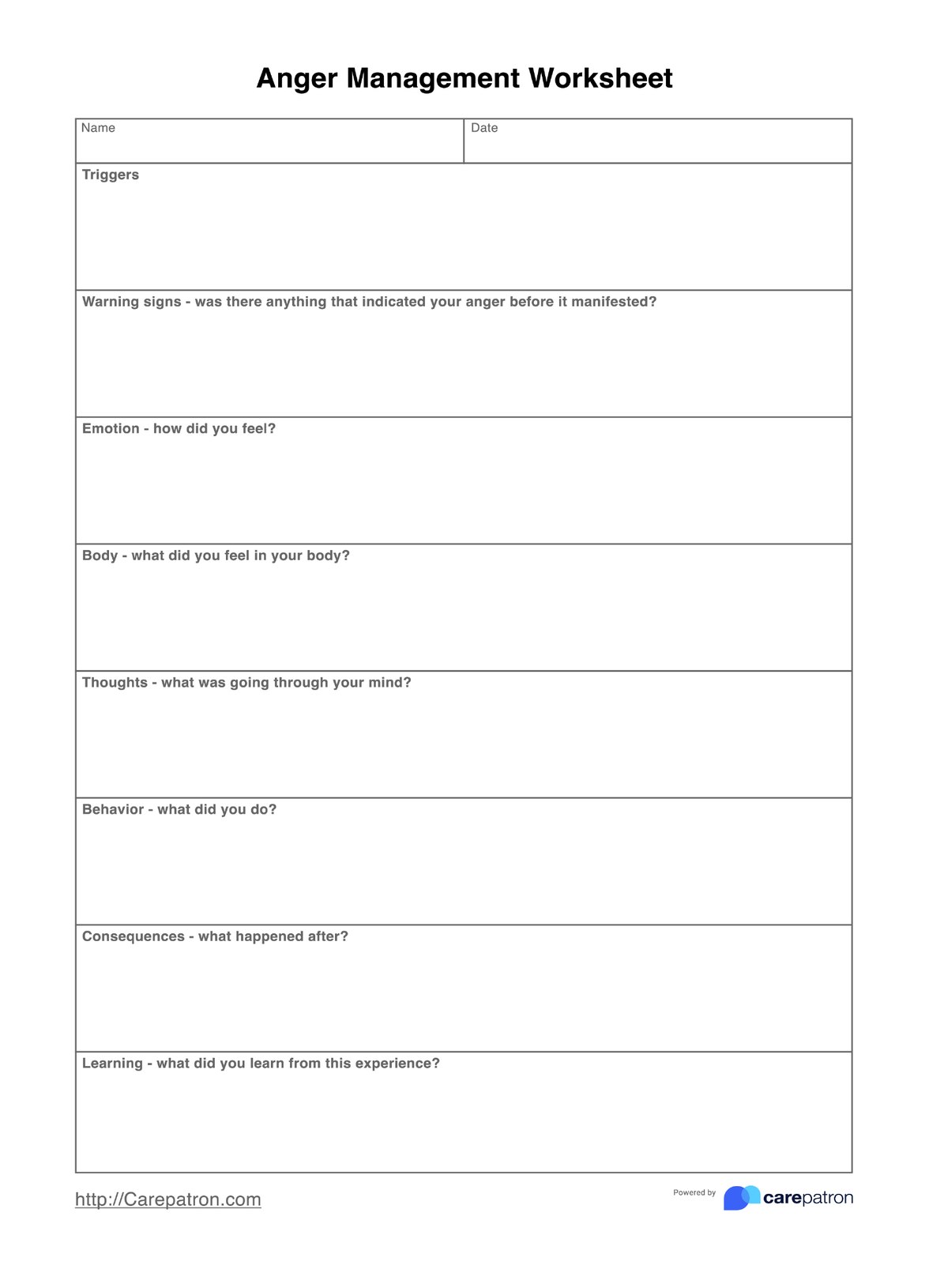
Free Anger Management Worksheets can transform a child’s emotional journey by giving them the tools to recognize, express, and control their feelings before they erupt into frustration or anger. These printable resources allow parents, teachers, and caregivers to work with children in a structured yet flexible way, providing tangible exercises that reinforce lessons about empathy, self‑control, and healthy communication.
Why Free Anger Management Worksheets Are a Game Changer
Immediate Accessibility
Because they’re downloadable and printable, these worksheets can be used anytime and anywhere—at home, in a classroom, or on a family road trip. Kids who need quick coping mechanisms can grab a sheet, complete an activity, and return to play or study without waiting for a scheduled session.
Cost‑Effective Tool
With no subscription fees or materials cost, parents who want to support their child’s emotional development can do so on a tight budget. Schools can incorporate them into curricula without the need for additional textbooks or expensive therapy sessions.
Core Benefits for Kids and Parents
Empowers Self‑Awareness
Worksheets that ask children to identify and label their emotions help them develop an internal emotional map. When a child can say “I feel frustrated” instead of “I’m mad,” it reduces the intensity of the emotion and gives them a starting point for conversation.
Builds Emotional Vocabulary
Through repeated exposure to terms like “anxious,” “disappointed,” or “irritated,” children expand their vocabulary. A richer emotional lexicon means they can communicate more precisely with parents and peers.
Strengthens Family Communication
When worksheets prompt children to write or draw what triggers their anger, parents receive concrete insights that would otherwise remain hidden. This shared language turns tense moments into opportunities for constructive dialogue.
Choosing the Right Worksheet Design
Age‑Appropriate Content
For younger children (ages 5‑7), worksheets should feature large, simple icons and short, repetitive language. Older children (ages 8‑12) can handle more complex scenarios, narrative prompts, and reflective questions.
Clear Visuals and Simple Instructions
Visual cues like color‑coded circles or cartoon characters help children understand the flow of an activity. Instructions should be no more than one or two sentences, avoiding jargon that could confuse the child.
Varied Activities: Matching, Coloring, Storytelling
Mixing different formats keeps engagement high. A matching exercise might pair feelings with facial expressions, while a coloring activity could allow children to paint a “calm zone” scene. Story prompts let them write a short narrative about a conflict and its resolution.
Step‑by‑Step How to Use Worksheets at Home
Set a Routine
Choose a consistent time each day—such as after dinner or before bedtime—when the child can sit with the worksheet without distractions. Consistency signals that emotional work is a normal, expected part of daily life.
Explain the Purpose
Before beginning, have a brief conversation: “We’re going to play a game that helps us understand what makes us angry and how we can calm down.” This frames the activity positively and reduces potential resistance.
Walk Through the Activity
Read the prompts together, ensuring the child understands each step. Offer gentle guidance, but let them do the work independently to foster ownership.
Reflect Together
After completion, discuss what the child learned. Ask questions like, “What did you notice about your feelings?” or “How did you feel when you used the breathing exercise?” This reflection cements the learning experience.
Track Progress
Keep a simple log—perhaps a sticky note on the fridge—where the child can mark each completed worksheet. Over time, this visual record demonstrates growth and encourages continued practice.
Teacher & Classroom Use
Lesson Integration
In social‑emotional learning (SEL) units, worksheets can serve as formative assessments. Teachers can distribute worksheets on a “anger trigger” theme, then discuss common patterns in small groups.
Group Activities
Students can work in pairs to complete a worksheet that involves role‑playing a conflict scenario. By switching roles, each child gains empathy and a broader perspective on emotional regulation.
Classroom Display
Encourage students to decorate a “Calm Corner” with their favorite calming worksheet images. Seeing peers’ creative solutions promotes a shared emotional literacy culture.
Common Challenges & Solutions
Resistance to Participation
Some children may feel embarrassed or uninterested. Offer the worksheet as a “challenge” or reward after completing homework. Use positive reinforcement—like a sticker or verbal praise—to increase motivation.
Misinterpretation of Content
Occasionally, children may misread prompts, leading to frustration. Pair each worksheet with a quick teacher or parent guide that clarifies any ambiguous wording. A visual cheat sheet can also help.
Overwhelm from Too Many Worksheets
Rather than inundate the child, limit the use to one worksheet per day. Rotate between different types (matching, coloring, story) to keep the experience fresh without becoming a chore.
Practical Examples and Templates
Anger Labeling Grid
This worksheet provides a grid where children match emotions to facial expressions. Children draw arrows connecting “frustrated” to a furrowed brow, reinforcing visual recognition.
Breathing Exercise Chart
After identifying an angry trigger, the child follows a step‑by‑step breathing diagram—inhale for four counts, hold for two, exhale for six. The chart includes a simple “progress bar” the child can color each time they complete the exercise.
Feelings Bingo
A bingo card lists a variety of emotions. When a child experiences a feeling during the day, they mark it. Once they complete a row, they discuss what helped them manage that emotion.
Final Thoughts and Takeaway
By integrating Free Anger Management Worksheets into everyday routines, parents and educators give children a scaffold that turns raw emotion into a manageable skill set. The visual, hands‑on nature of these resources cuts through abstract theory, letting kids practice labeling, calming, and communicating before they feel overwhelmed. With consistent use, the child’s emotional vocabulary expands, self‑regulation improves, and family or classroom dynamics grow calmer and more resilient. Embrace the printable tools, adapt them to your child’s age and temperament, and watch as a once volatile reaction transforms into a thoughtful, constructive dialogue. The journey toward emotional balance starts with a simple sheet—download it, print it, and begin the practice today.