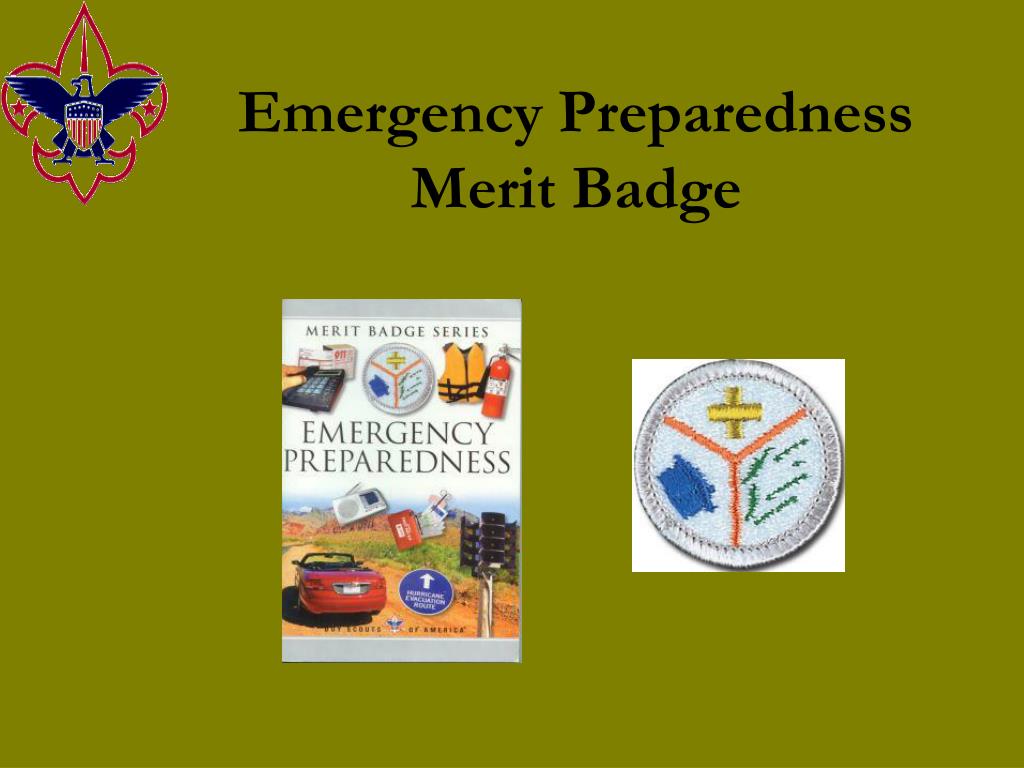
Merit Badge Emergency Preparedness Worksheet is a cornerstone resource that helps Boy Scouts master the essential skills required to respond effectively during emergencies, and it also serves as a practical tool for merit badge counselors to assess a scout’s readiness. By completing this worksheet, scouts gain hands‑on experience in risk assessment, emergency planning, and personal safety, all while earning a badge that highlights their commitment to community service and personal responsibility. This article dives deep into every aspect of the worksheet, offering step‑by‑step guidance, actionable tips, and real‑world examples to ensure that both scouts and leaders get the most out of this valuable educational tool.
Understanding the Worksheet
The Emergency Preparedness Merit Badge Worksheet is designed to be both educational and interactive. It is divided into several sections that mirror the core learning objectives of the merit badge, including hazard identification, emergency kit preparation, family communication plans, and basic first‑aid procedures. Each section prompts the scout to reflect on personal experiences, conduct research, and document findings in a clear, organized manner. The worksheet’s format encourages critical thinking and promotes the development of a comprehensive emergency plan that can be applied at home, in the community, or while scouting.
Why the Worksheet Matters
Scouts often learn theoretical concepts during meetings, but the worksheet bridges the gap between theory and practice. By filling it out, scouts internalize important safety concepts, learn how to tailor emergency plans to their own circumstances, and develop confidence in handling real‑life situations. Moreover, the worksheet provides counselors with a tangible record of a scout’s progress, making the merit badge award process transparent and merit‑based.
Core Learning Objectives
- Risk Identification: Recognize natural and man‑made hazards that could affect the scout’s home or community.
- Preparedness Planning: Develop an emergency kit checklist and a family communication strategy.
- First‑Aid Knowledge: Outline basic first‑aid steps for common injuries and illnesses.
- Community Involvement: Identify local emergency resources and volunteer opportunities.
Key Components and How to Fill Them Out
Each component of the worksheet serves a specific purpose. Below is a detailed walkthrough of the major sections, including suggestions for completing them efficiently and accurately.
Hazard Identification
Start by researching the most common emergencies in your area—such as tornadoes, floods, earthquakes, or severe winter storms. Use reputable sources like local government emergency management websites, the National Weather Service, or community hazard maps. Record at least three hazards, describing why each is relevant to your location and what specific threats they pose. For example, a scout living near a river might note the risk of flooding and detail how rising water levels could affect homes and infrastructure.
Emergency Kit Checklist
The worksheet typically asks for a list of essential items to include in a personal or family emergency kit. Aim for a balance between thoroughness and practicality. Include items such as:
- Water (one gallon per person per day for at least three days)
- Non‑perishable food items
- First‑aid supplies
- Flashlight with extra batteries
- Multi‑tool or pocketknife
- Battery‑powered or hand‑crank radio
- Personal hygiene items
- Copies of important documents (IDs, insurance policies)
- Spare clothing and blankets
- Pet supplies if applicable
When documenting the kit, use the worksheet’s table format to indicate which items you already have, which need to be purchased, and any special considerations for family members with unique needs (such as medical supplies or infant formula).
Family Communication Plan
A clear communication plan can save valuable time during an emergency. The worksheet asks scouts to outline:
- Primary meeting locations (home, school, community center)
- Secondary meeting locations if the primary site is unsafe
- Emergency contact information for each family member
- Out‑of‑area contacts (e.g., a relative in another state)
- Methods of communication (text, phone, social media, radio)
Encourage scouts to practice the plan with their families. Role‑play scenarios where a power outage forces reliance on a battery‑powered radio, or where a road closure requires a change in meeting location. Document the outcomes of these drills directly in the worksheet, noting any adjustments needed for future use.
First‑Aid and Medical Preparedness
Scouts should list basic first‑aid steps for common injuries such as cuts, burns, sprains, and choking. The worksheet often includes a section for recording the location of the nearest medical facilities, the scout’s CPR certification status, and any personal health conditions that could affect emergency response.
When completing this section, reference reputable first‑aid manuals or the Red Cross guidelines. Include specific details, such as:
- How to control bleeding with direct pressure and a clean bandage.
- Steps to treat a minor burn (cool under running water for 10‑20 minutes).
- The Heimlich maneuver technique for choking adults and children.
- When to call 911 and what information to provide to emergency responders.
Community Resources and Volunteer Opportunities
The worksheet encourages scouts to identify local emergency services, such as fire departments, hospitals, and the American Red Cross chapter. It also asks scouts to note volunteer opportunities that can reinforce their learning, like joining a Community Emergency Response Team (CERT) or participating in a local disaster drill.
Researching these resources not only fulfills the worksheet requirements but also builds a network of contacts that can be invaluable during an actual emergency. Document the names, phone numbers, and website URLs of at least three community resources, and describe how a scout could contribute—whether by assisting with a shelter set‑up, distributing supplies, or helping with public education initiatives.
Practical Tips for Scouts and Leaders
Both scouts and merit badge counselors benefit from a structured approach to completing the worksheet. Below are proven strategies to streamline the process and enhance learning outcomes.
Set a Timeline
Break the worksheet into manageable sections and assign a realistic deadline for each. For example, allocate one week for hazard research, another week for kit assembly, and a third week for family communication drills. A clear timeline keeps scouts motivated and ensures they don’t rush through critical sections.
Use Real‑World Data
Incorporate actual data from recent local emergencies. If a nearby town experienced a severe thunderstorm that caused power outages, reference that event when discussing backup communication methods. Real‑world examples make the worksheet more relevant and help scouts retain information.
Document with Photos
Scouts can attach photos of their emergency kit, family meeting points, or first‑aid supplies to the worksheet (if the format allows). Visual documentation demonstrates preparedness and can be a useful reference during future drills.
Engage Family Members
Invite parents or guardians to review the worksheet’s sections on family communication and medical information. Their input ensures accuracy, especially regarding health conditions and emergency contacts. This collaborative approach also reinforces the importance of family involvement in emergency preparedness.
Leverage Technology Wisely
While the worksheet is traditionally a paper form, scouts can use digital tools like spreadsheets or note‑taking apps to organize information. However, always keep a printed copy accessible in an emergency kit, as electronic devices may not be reliable during power outages.
Integrating the Worksheet into Merit Badge Sessions
Effective integration of the worksheet into the merit badge program enhances learning and keeps the badge process engaging. Here’s how leaders can weave the worksheet into weekly meetings and activities.
Pre‑Meeting Assignments
Distribute the worksheet at the beginning of the badge series and assign specific sections as pre‑meeting homework. This gives scouts time to conduct research and gather materials before the group discussion.
Interactive Workshops
Dedicate a session to building an emergency kit together. Provide a table of common items and let scouts compare their personal kits against the checklist. This hands‑on activity reinforces the worksheet’s content and encourages peer learning.
Scenario‑Based Role‑Play
After completing the family communication plan, run a mock emergency drill. Assign roles such as “family member,” “first‑aid responder,” and “emergency services liaison.” Have scouts execute their plans, then debrief by reviewing their worksheet entries and noting any gaps.
Counselor Review Sessions
Schedule one‑on‑one or small‑group reviews where counselors provide feedback on worksheet entries. Focus on clarity, completeness, and realistic planning. Use a rubric that aligns with the merit badge requirements to ensure consistency.
Real‑World Application and Scenario Practice
The true value of the Merit Badge Emergency Preparedness Worksheet shines when scouts apply their knowledge in genuine or simulated emergencies. Below are three realistic scenarios that can be used to test and refine a scout’s preparedness.
Severe Weather Event
Imagine a sudden tornado warning for the scout’s hometown. The scout must:
- Activate the emergency kit, ensuring water, food, and a flashlight are at hand.
- Execute the family communication plan, using a pre‑agreed meeting point at a community shelter.
- Assist neighbors with limited mobility, applying first‑aid techniques if necessary.
- Document the experience in the worksheet’s “After‑Action Review” section, noting what worked well and what could be improved.
Home Fire Drill
During a scheduled fire drill at home, the scout practices:
- Identifying fire escape routes and meeting points.
- Using a fire extinguisher safely, following the PASS technique (Pull, Aim, Squeeze, Sweep).
- Calling emergency services and providing concise information (address, nature of fire, number of occupants).
- Updating the worksheet’s “Fire Safety” section with any new insights gained from the drill.
Medical Emergency in the Community
If a scout witnesses a cyclist suffering a severe leg injury, the scout can apply knowledge from the worksheet by:
- Assessing the scene for safety and calling 911.
- Providing basic first‑aid: controlling bleeding with a clean cloth and immobilizing the leg using a makeshift splint.
- Staying with the injured person until professional help arrives, while keeping them calm.
- Reflecting on the experience in the worksheet, focusing on communication with emergency responders and personal reaction.
These scenarios help scouts see the practical relevance of their worksheet entries and reinforce the habit of continual improvement.
Common Mistakes and How to Avoid Them
Even diligent scouts can stumble over common pitfalls when completing the worksheet. Recognizing these errors early saves time and ensures a higher quality submission.
Overlooking Local Hazards
Many scouts list generic hazards like “earthquakes” without considering the specific risks of their region. To avoid this, consult local emergency management agencies or recent news reports to pinpoint the most likely threats.
Incomplete Emergency Kit
Leaving out essential items—such as a multi‑tool or prescription medications—can undermine the kit’s effectiveness. Use the worksheet’s checklist feature to tick off each item, and revisit the list regularly to replace expired supplies.
Vague Communication Plans
Plans that lack clear meeting locations, backup options, or contact methods are difficult to execute under stress. Ensure the plan includes precise addresses, phone numbers, and alternative communication tools like a two‑way radio.
Neglecting Family Input
Scouts sometimes fill out the worksheet without consulting family members, resulting in outdated medical information or missing contact details. Involve parents or guardians in the process to guarantee accuracy.
Skipping After‑Action Reviews
After drills, many scouts forget to document lessons learned. The worksheet’s “After‑Action Review” section is critical for continuous improvement; make it a habit to record observations immediately after each exercise.
Resources for Further Learning
Beyond the worksheet, a wealth of resources can deepen a scout’s understanding of emergency preparedness.
Official Scout Materials
The Boy Scouts of America publishes a comprehensive Emergency Preparedness Merit Badge pamphlet that outlines all requirements, provides sample plans, and includes a checklist that aligns with the worksheet.
Government and Non‑Profit Guides
Organizations such as FEMA, the Red Cross, and local emergency management offices offer printable guides, online courses, and community workshops that complement the worksheet’s topics.
Online Courses and Certifications
Scouts can pursue certifications like CPR, first‑aid, or basic wilderness survival. These courses often provide downloadable resources that can be referenced when completing the worksheet’s first‑aid sections.
Community Events
Participating in town emergency drills, fire department open houses, or CERT training sessions provides practical experience that enriches worksheet entries and builds confidence.
Conclusion
The Merit Badge Emergency Preparedness Worksheet is more than a formality; it is a dynamic learning tool that equips scouts with the knowledge, skills, and confidence needed to protect themselves and their communities during crises. By methodically researching local hazards, assembling a robust emergency kit, crafting a reliable communication plan, mastering first‑aid basics, and engaging with community resources, scouts turn theoretical concepts into actionable preparedness strategies. Leaders who integrate the worksheet into merit badge sessions, use realistic scenarios, and provide constructive feedback create an environment where scouts can thrive and achieve mastery. Ultimately, the worksheet fosters a culture of readiness that extends beyond the merit badge, empowering the next generation of responsible citizens to respond calmly, efficiently, and compassionately when emergencies arise.