Worksheets For Circulatory System are more than just printable pages; they are dynamic tools that bring the marvel of blood flow, heartbeats, and vascular networks into the hands of eager learners, turning abstract concepts into tangible, memorable experiences.
Why Circulatory System Worksheets Matter
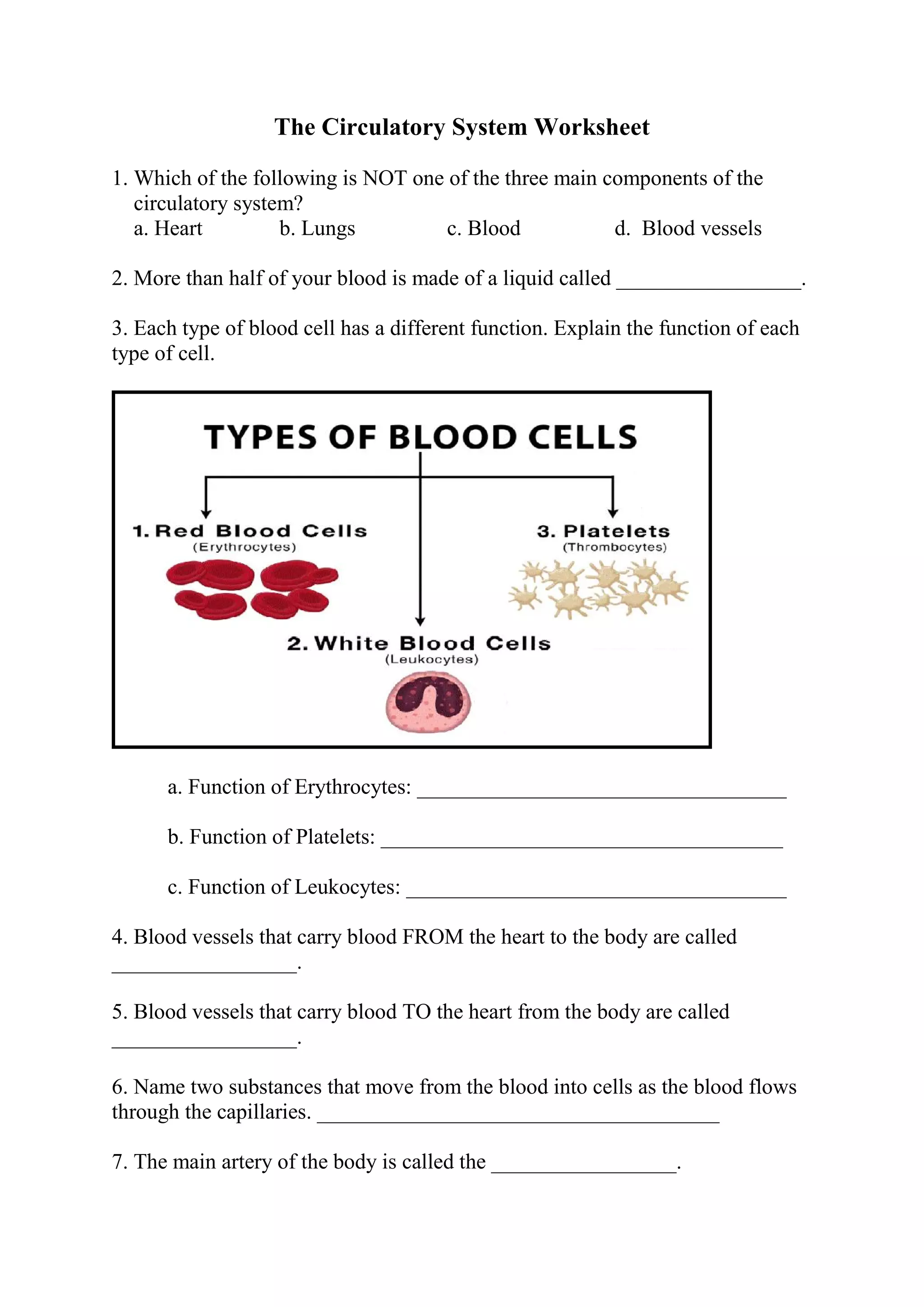
When students first encounter the circulatory system, they often picture a red river of blood moving through a maze of tubes. That mental image, however, can remain fuzzy without concrete reinforcement. Worksheets bridge the gap between textbook diagrams and real‑world understanding by prompting active recall, encouraging labeling practice, and challenging students to apply knowledge in novel scenarios. Moreover, they provide teachers with quick, measurable snapshots of comprehension, allowing for timely reteaching before misconceptions solidify.
Reinforcing Core Vocabulary
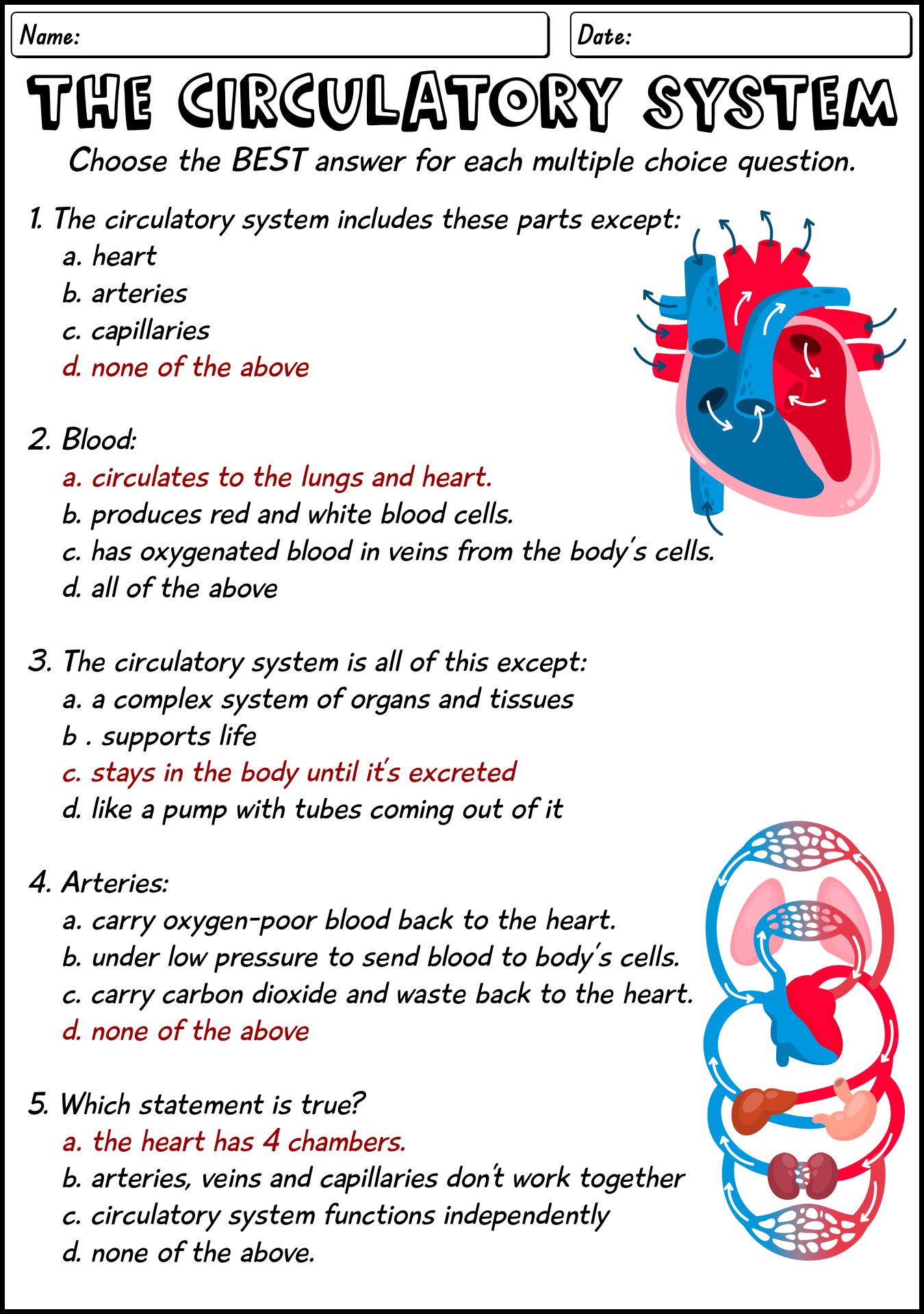
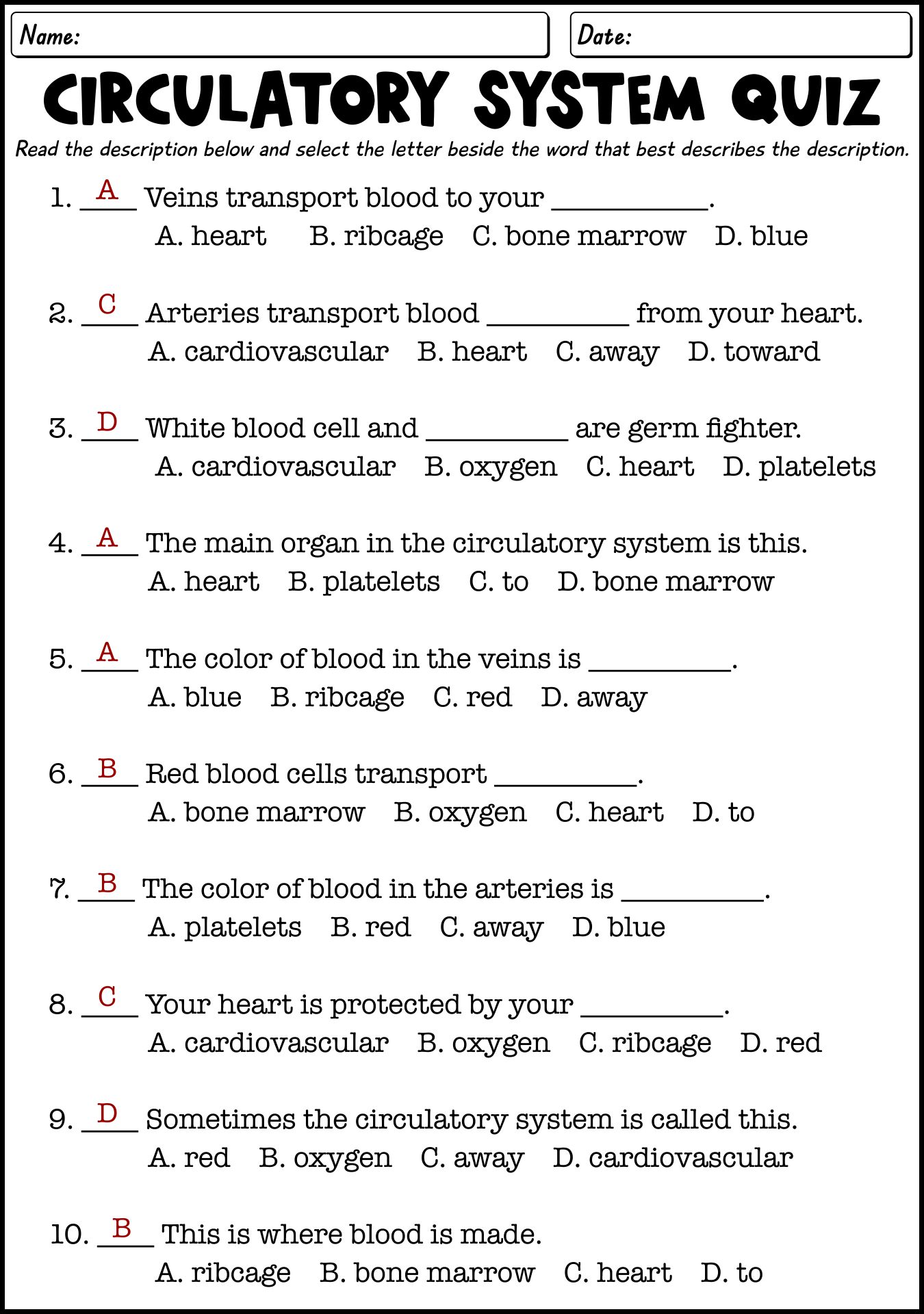
Key terms such as atrium, ventricle, capillary, and systemic circulation become second nature when students repeatedly encounter them in varied worksheet formats—matching, fill‑in‑the‑blank, and diagram labeling. Each repetition strengthens neural pathways, making retrieval faster and more reliable during quizzes or real‑life discussions.
Supporting Different Learning Styles
Visual learners thrive on colorful diagrams, auditory learners benefit from worksheet prompts that pair with teacher narration, and kinesthetic learners gain confidence when they physically trace the path of blood on a printable map. By offering a blend of image‑based and text‑based tasks, worksheets cater to the whole classroom.
Popular Types of Circulatory System Worksheets
Not every worksheet serves the same purpose. Selecting the right format depends on the lesson objective, grade level, and the depth of understanding you aim to achieve. Below are the most commonly used worksheet categories.
Labeling Diagrams
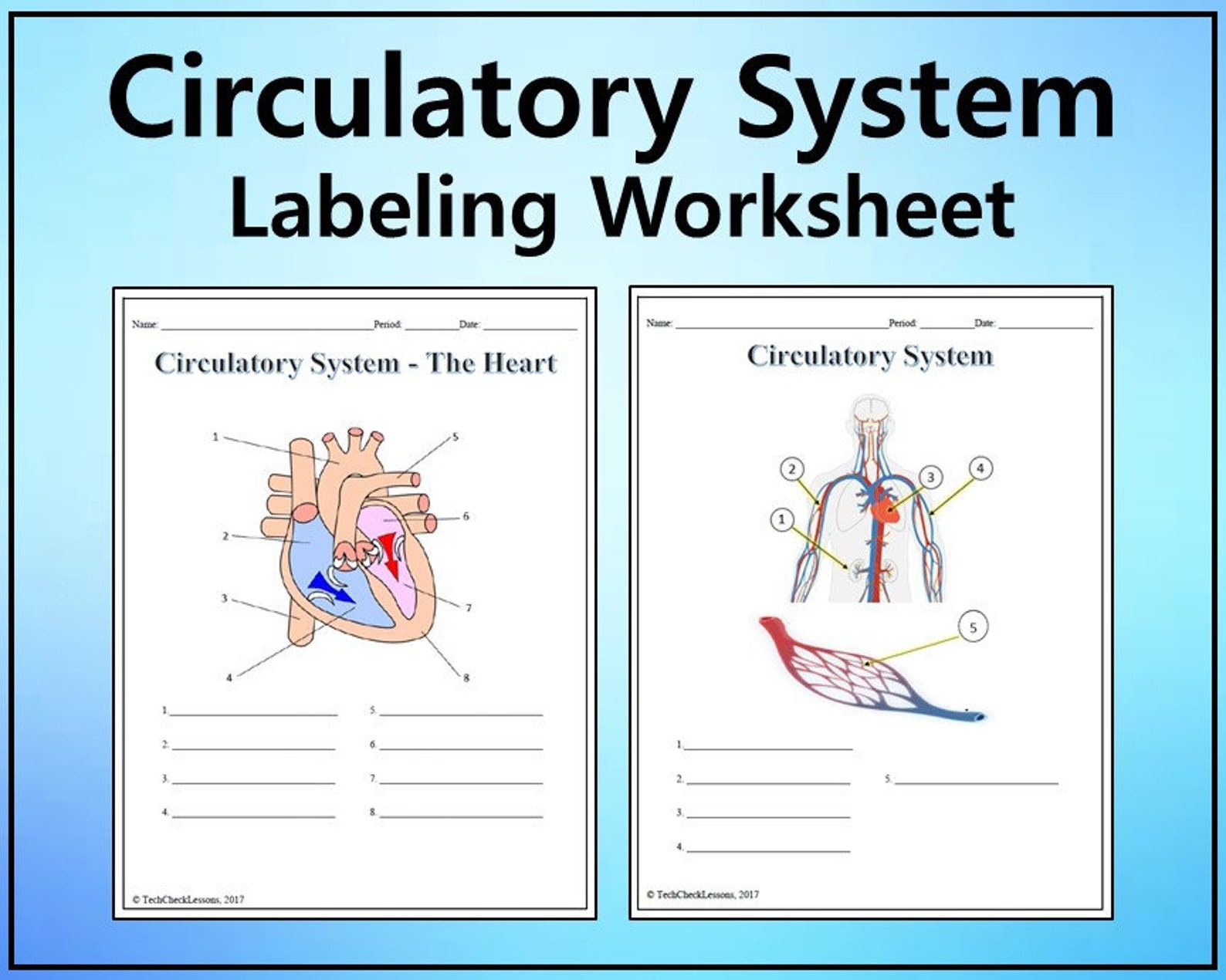
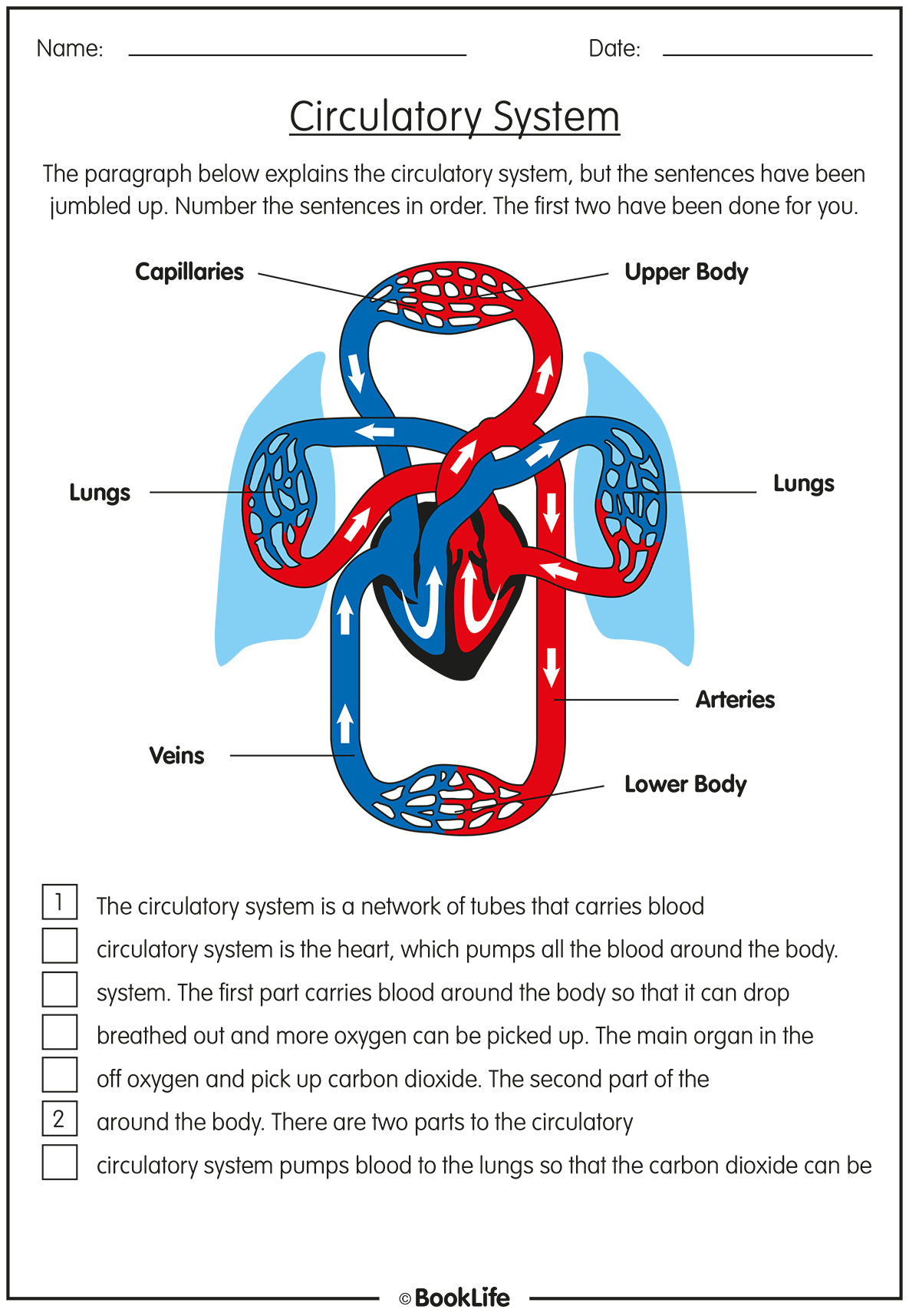
These classic worksheets present a clear illustration of the heart, blood vessels, or the entire circulatory loop with blank labels. Students must identify structures like the pulmonary artery or the aorta. When paired with a quick review, labeling worksheets solidify anatomical recognition.
Flow‑Sequence Charts
Flow charts require learners to arrange steps of blood circulation in the correct order—starting from oxygen‑rich blood leaving the lungs to its return after delivering oxygen to tissues. This format reinforces cause‑and‑effect reasoning and helps students visualize the cyclical nature of the system.
Comparison Tables
By juxtaposing the systemic and pulmonary circuits, students fill in differences in pressure, oxygen content, and vessel type. Comparison tables sharpen analytical thinking and highlight the dual nature of circulatory pathways.
Case‑Study Scenarios
Real‑world problems—such as “What happens to blood pressure when a person climbs a mountain?”—invite learners to apply physiological principles. These worksheets often conclude with short‑answer reflections, fostering deeper comprehension beyond rote memorization.
Interactive Crossword Puzzles
Crosswords add a gamified element to review. Clues can be definition‑based (“The chamber that pumps blood to the lungs”) or function‑oriented (“The vessel that returns deoxygenated blood to the heart”). Solving them boosts vocabulary retention while keeping students engaged.
How to Choose the Right Worksheet for Your Classroom
Choosing wisely means aligning the worksheet’s difficulty, format, and objectives with your students’ current knowledge level and instructional goals.
Assess Student Readiness
Before handing out a labeling worksheet, gauge whether students can already identify major heart parts. If they’re still struggling with basic terminology, opt for a simple matching activity first.
Match Worksheet Complexity to Lesson Depth
A brief review session may only need a 5‑minute fill‑in‑the‑blank sheet, whereas a unit‑ending assessment could incorporate multi‑step flow charts, case studies, and reflective prompts—all in one comprehensive packet.
Consider Time Constraints
Long, multi‑page worksheets are valuable for homework or independent study, but in a tight class period, a focused one‑page labeling task ensures completion without sacrificing quality.
Look for Alignment with Standards
Most state science standards list specific learning outcomes for the circulatory system. Verify that your chosen worksheets address those benchmarks—such as describing the heart’s four chambers or explaining how blood pressure is regulated.
Tips for Using Worksheets Effectively
Even the best worksheet can fall flat without purposeful implementation. Here are proven strategies to maximize impact.
Preview Before Distribution
Spend a few minutes walking through the worksheet as a class. Highlight key sections, demonstrate how to approach a labeling task, and answer immediate questions. This preview sets clear expectations and reduces anxiety.
Incorporate Peer Review
After students complete a worksheet, have them exchange papers for a quick peer check. Peers can verify label accuracy or suggest alternative phrasing for short answers. This collaborative step reinforces learning and builds communication skills.
Use Immediate Feedback Loops
When possible, provide instant feedback—either through an answer key displayed on a projector or via digital auto‑grading tools. Immediate correction helps students adjust misconceptions before they become entrenched.
Connect to Hands‑On Activities
Follow a labeling worksheet with a model‑building exercise using clay or a 3‑D heart kit. The tactile experience cements the visual information from the worksheet, creating a multi‑sensory learning loop.
DIY Worksheet Ideas for Creative Teachers
Commercial worksheets are handy, but creating your own offers flexibility to target exact curriculum points and inject personal flair.
Custom Diagram Generation
Use free graphic tools like Canva or Google Drawings to design heart outlines that match your lesson’s emphasis—perhaps focusing on valve locations for a cardiac‑function unit. Export the diagram as a PDF and add blank label spaces.
Story‑Based Scenarios
Write a short narrative about a fictional athlete preparing for a marathon. Ask students to annotate the worksheet with where oxygenated blood travels during intense exercise, encouraging them to think physiologically while reading.
Data‑Interpretation Tables
Provide real or simulated heart‑rate data across different activities. Students fill in a table that calculates average beats per minute, then answer a reflection question about why the heart speeds up during aerobic exercise.
Interactive Foldables
Design a worksheet that folds into a heart model. Each flap reveals a different component—like the right atrium or pulmonary veins—when lifted. This tactile approach makes learning memorable and portable.
Integrating Technology with Traditional Worksheets
Digital platforms can transform static worksheets into interactive experiences, catering to the tech‑savvy generation while still delivering core content.
Online Quiz Builders
Platforms such as Quizizz, Kahoot, or Google Forms let you import worksheet questions and convert them into timed quizzes, complete with instant scoring and leaderboards that spark friendly competition.
Augmented Reality (AR) Overlays
Some apps allow students to point their device at a printed heart diagram, revealing 3‑D animations of blood flow. Pair an AR activity with a traditional labeling worksheet for a blended learning experience.
Collaborative Documents
Google Docs or Microsoft OneNote enable real‑time collaboration. Students can work together on a shared worksheet, adding comments or suggestions, which promotes peer teaching and digital literacy.
Assessing Student Understanding Through Worksheets
Beyond completion rates, worksheets serve as diagnostic tools. Analyzing student responses reveals patterns of mastery and areas needing reinforcement.
Rubric Development
Create a simple rubric that scores accuracy (e.g., correct labels), completeness (all sections filled), and explanation quality (depth of short answers). Share the rubric beforehand so students know the expectations.
Statistical Review
Collect scores across the class and calculate averages, median, and standard deviation. A wide spread may indicate differentiated instruction is required, while a high average suggests readiness for more challenging content.
Targeted Re‑Teaching
If many students miss the same label—say, confusing the pulmonary vein with the pulmonary artery—plan a quick micro‑lesson that revisits that concept, perhaps using a mnemonic or a hands‑on model.
Real‑World Applications to Reinforce Learning
Connecting worksheet content to everyday life helps students see relevance, increasing motivation.
Health and Lifestyle Choices
Ask students to track their own heart rate before and after a short walk, then record the data on a worksheet that compares resting versus active heart rates. This personal data makes physiological principles tangible.
Medical Careers Exploration
Provide a worksheet that outlines the roles of cardiologists, vascular surgeons, and cardiac technologists. Students can match responsibilities to each profession, sparking interest in future career paths.
Current Events Integration
When news breaks about heart disease research or a new medical device, design a brief worksheet that asks students to summarize the breakthrough and explain how it relates to circulatory system function.
Common Challenges and Practical Solutions
Even the most thoughtfully designed worksheets can encounter obstacles. Anticipating these issues helps maintain smooth instruction.
Student Overwhelm
Complex worksheets with dense text can intimidate younger learners. Break them into smaller sections, provide visual cues, and encourage one step at a time.
Limited Accessibility
Ensure worksheets are readable for students with visual impairments by using high‑contrast colors, large fonts, and alternative text descriptions for diagrams. Offer digital versions compatible with screen readers.
Time Management
Allocate a specific amount of time for each worksheet activity and use a timer. If students finish early, have extension questions ready; if they lag, gently steer them toward the most essential tasks.
Conclusion
Worksheets for the circulatory system, when chosen wisely and used strategically, become powerful bridges between theory and practice. They reinforce vocabulary, accommodate diverse learning styles, and provide immediate feedback that guides both teachers and students toward deeper understanding. By blending traditional printable sheets with digital enhancements, customizing content to fit classroom needs, and linking concepts to real‑world contexts, educators can inspire curiosity about the heart’s incredible journey. With thoughtful selection, purposeful implementation, and ongoing assessment, these worksheets will continue to pump knowledge through every learner’s mind, nurturing the next generation of informed, health‑conscious citizens.








Related posts of "Worksheets For Circulatory System"
