Worksheet Solving Multi Step Equations is the cornerstone of mastering algebra for students who often feel lost in the maze of operations and brackets. By turning abstract rules into concrete, step‑by‑step practice, you can build confidence and a clear, methodical approach that lasts far beyond the classroom.
Why Multi‑Step Equations Are the Bridge to Algebraic Fluency
Multi‑step equations involve more than a single operation; they require a sequence of actions—distributive property, combining like terms, isolating variables, and sometimes handling fractions or radicals. Understanding how to tackle each component is essential because:
- Logical Flow: Each step builds on the previous, creating a logical chain that, once mastered, makes solving any equation feel routine.
- Problem‑Solving Skills: Breaking complex problems into smaller, manageable tasks trains critical thinking, a skill that applies to real‑world scenarios.
- Scalability: Once you can handle two or three steps confidently, you’re equipped to solve higher‑level equations found in advanced mathematics, physics, and engineering.
Preparing an Effective Worksheet
1. Define Clear Learning Objectives
Each worksheet should align with a specific goal: reinforcing the distributive property, practicing inverse operations, or mastering variable isolation. Explicit objectives guide both the teacher’s selection process and the student’s focus during practice.
2. Vary Equation Complexity Gradually
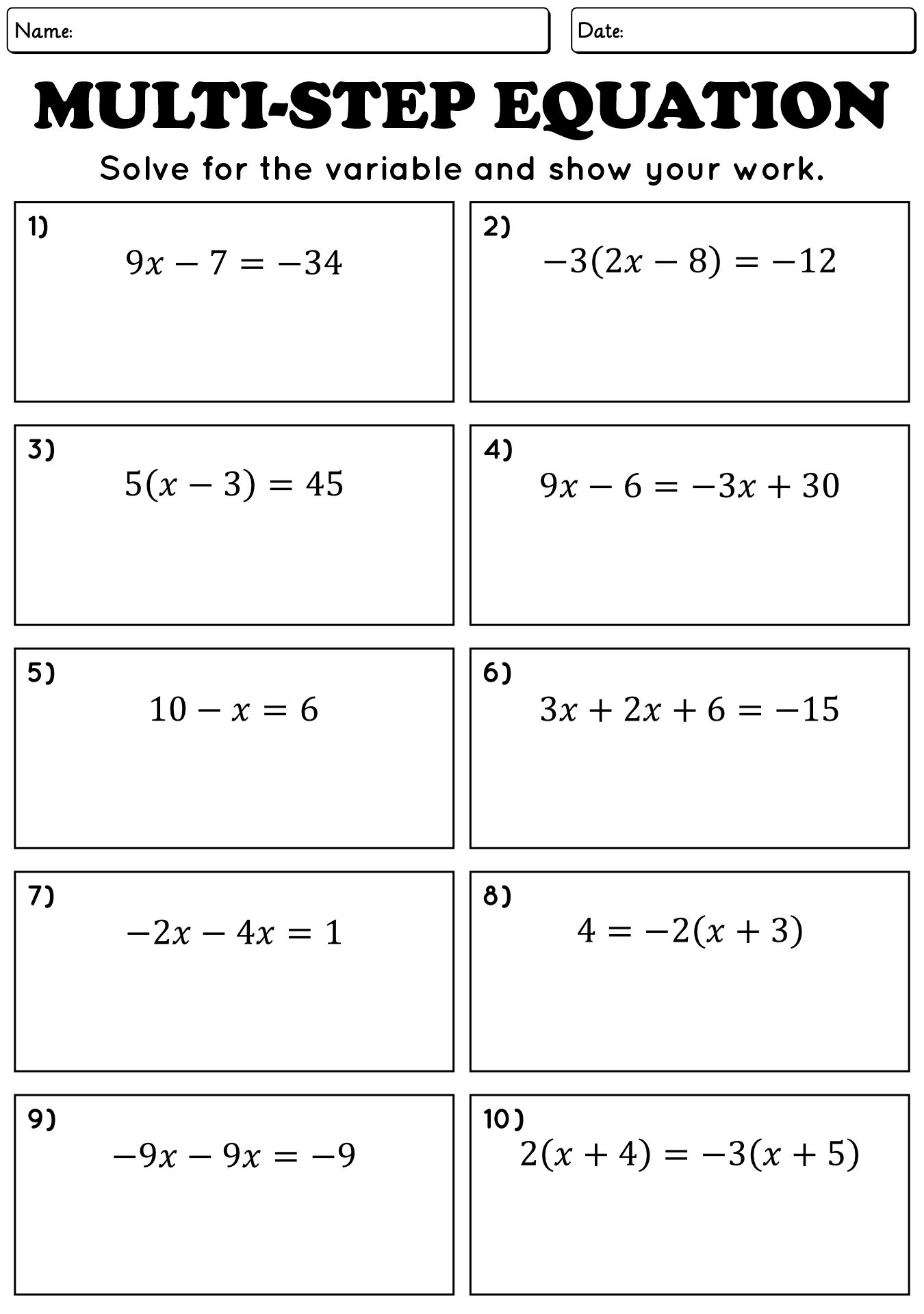
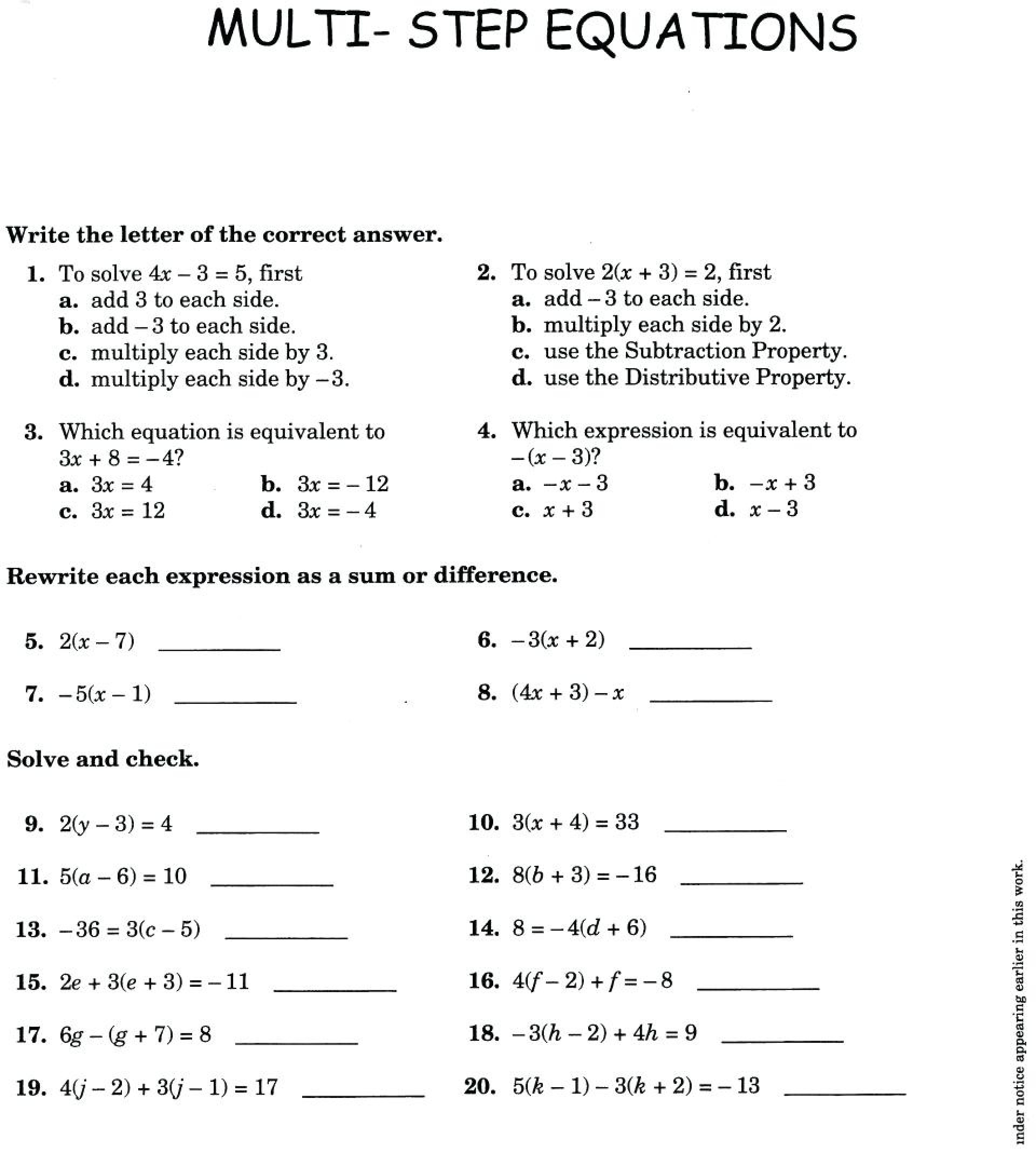
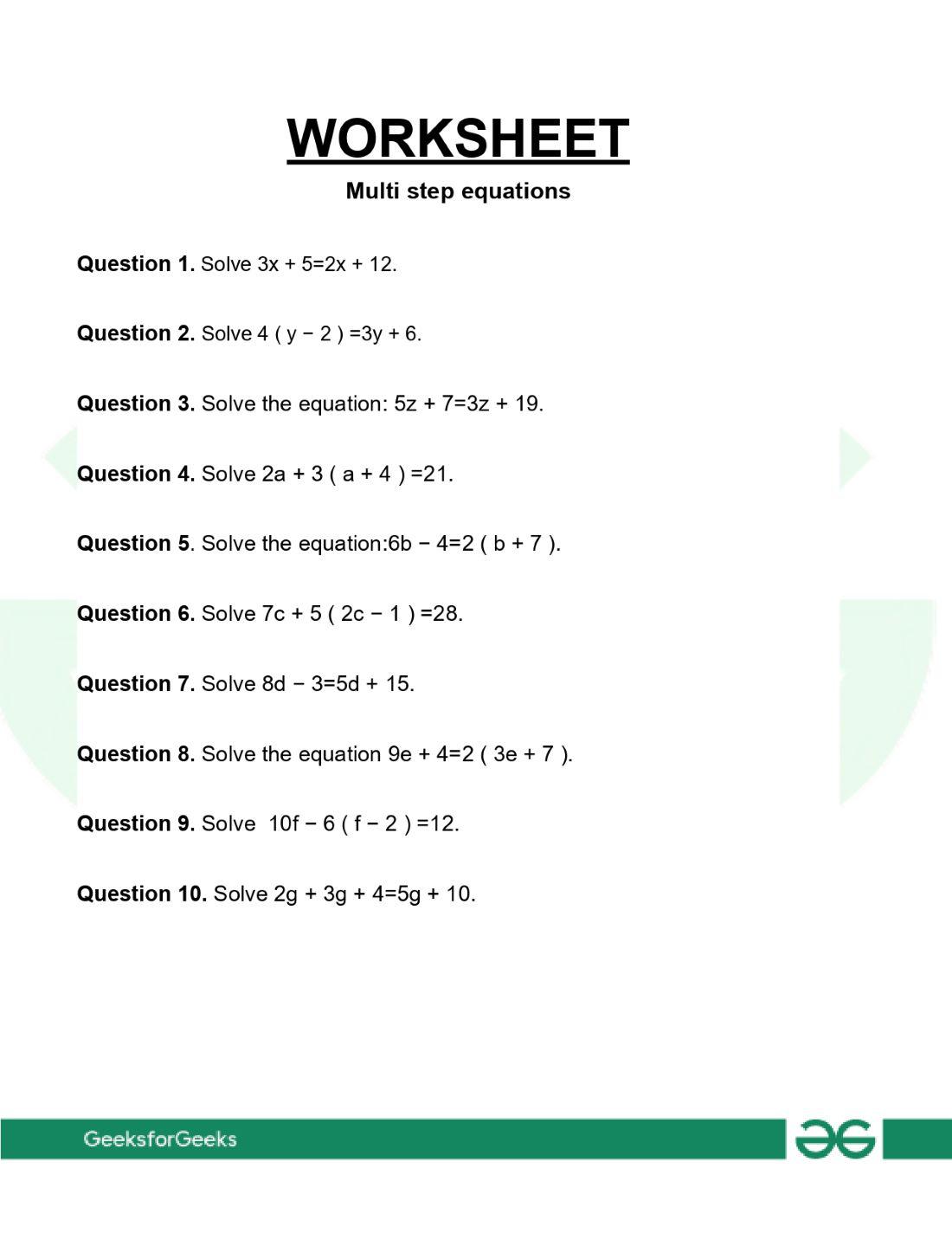
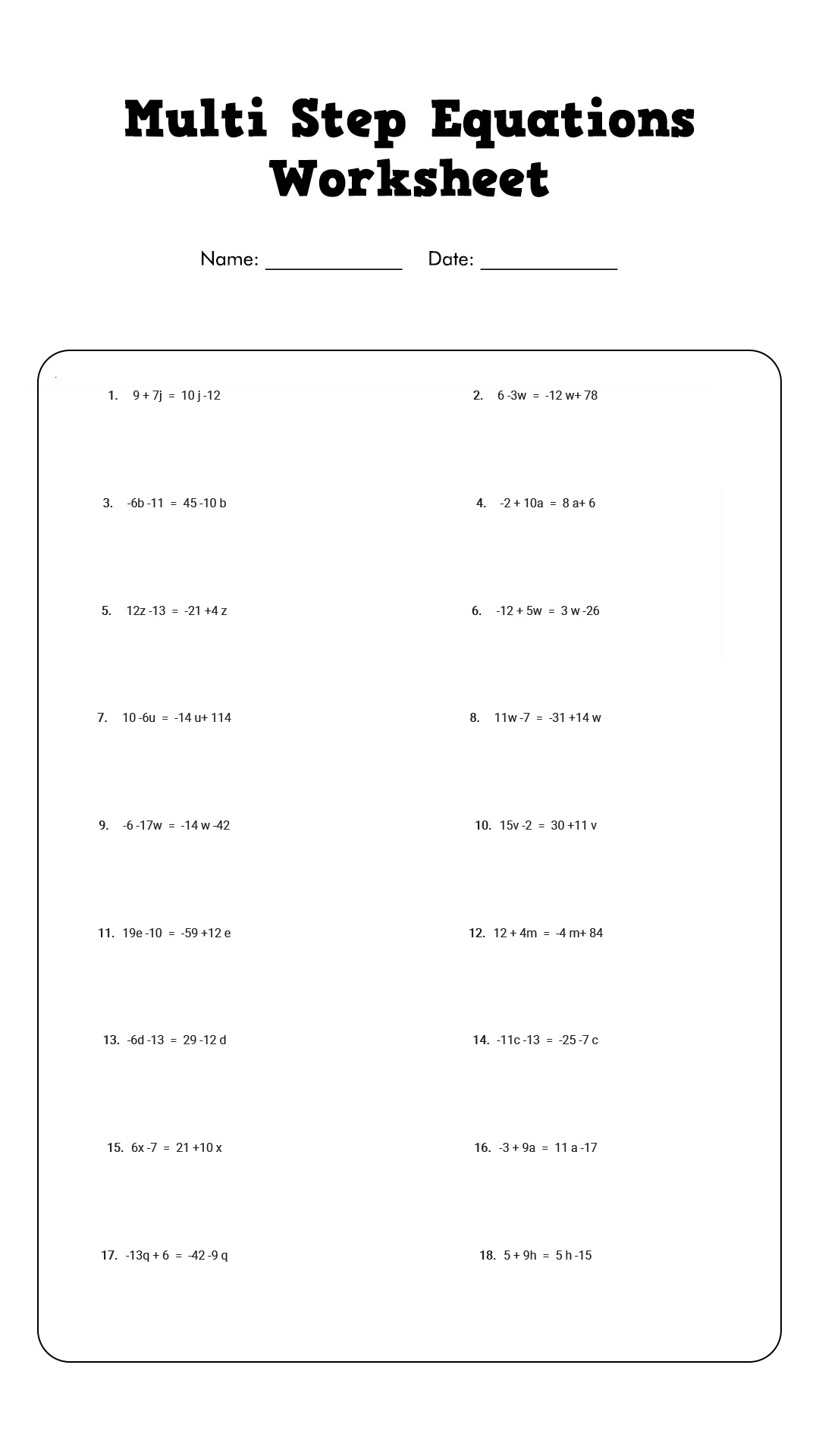
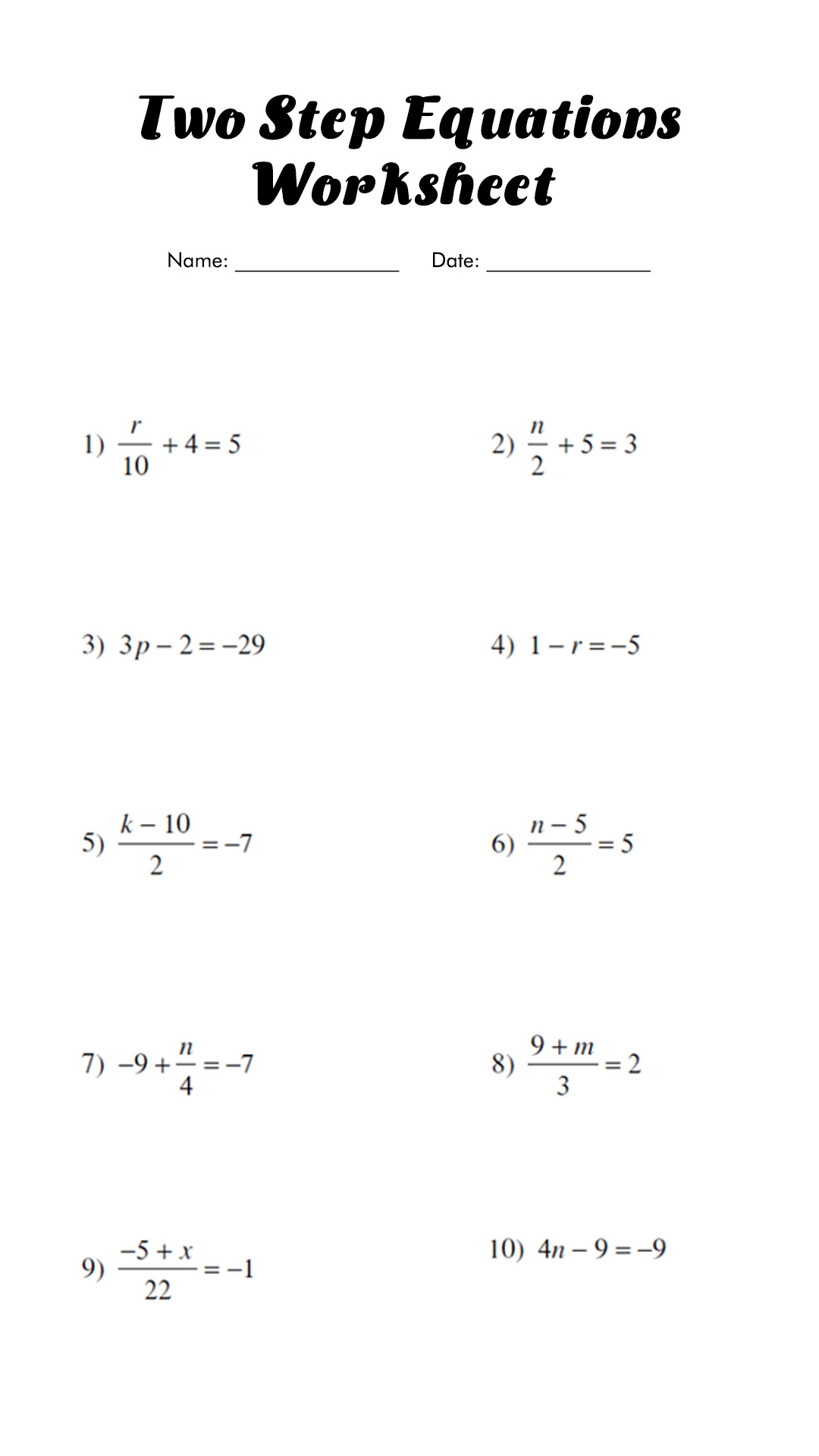
Start with simpler two‑step equations to cement foundational techniques. Progress to three‑step equations that introduce additional operations. Finally, include mixed‑operation equations that combine addition, subtraction, multiplication, division, and brackets. This scaffolded approach keeps students challenged without overwhelming them.
3. Incorporate Real‑World Contexts
Students remember problems that feel meaningful. Embed scenarios such as budgeting a grocery list, calculating travel distances, or budgeting for a school event. Example: “If a family spends $45 on groceries and each item costs $x, how many items can they buy?” Such contextual clues encourage deeper engagement.
4. Provide Immediate Feedback Opportunities
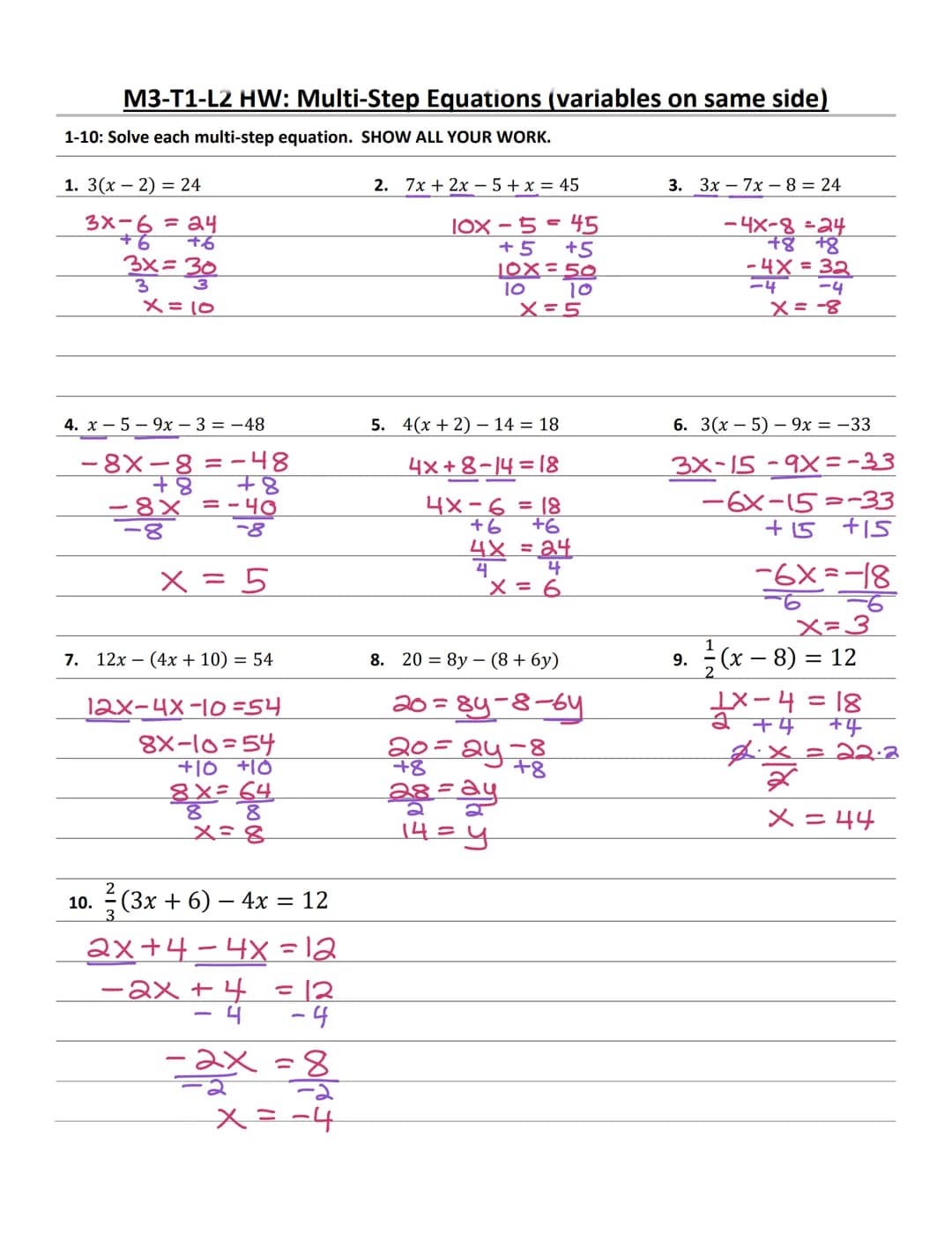
Include answer keys or self‑check sections after every few problems. This allows students to verify their work, identify errors, and learn from mistakes in real time, turning the worksheet into a dynamic learning tool rather than a static assignment.
Step‑by‑Step Blueprint for Solving Multi‑Step Equations
1. Read and Identify All Operations
Carefully examine the equation and note every operation: addition, subtraction, multiplication, division, and any brackets. Recognize that brackets indicate the order of operations—solve inside-out.
2. Simplify Inside Brackets
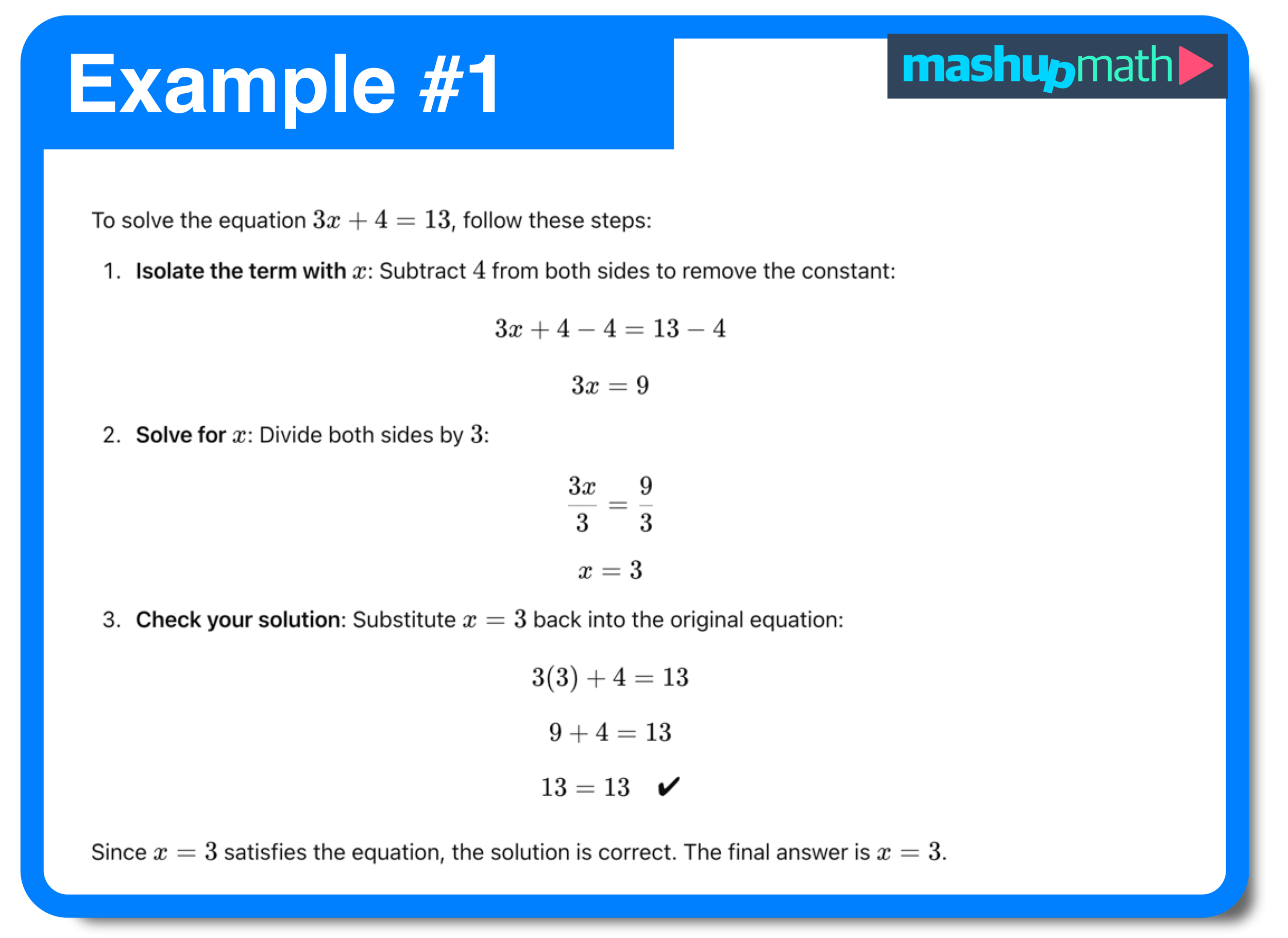
Apply the distributive property first. For example, in \(3(2x + 4) = 18\), distribute the 3 to get \(6x + 12 = 18\). This step reduces complexity and eliminates parentheses.
3. Combine Like Terms
Once brackets are resolved, bring all terms involving the variable to one side and constants to the other. For \(6x + 12 = 18\), subtract 12 from both sides to obtain \(6x = 6\).
4. Isolate the Variable
Divide or multiply as needed to solve for the variable. Continuing the example, divide both sides by 6 to find \(x = 1\).
5. Verify the Solution
Substitute the found value back into the original equation to confirm its validity. If \(x = 1\) satisfies \(3(2x + 4) = 18\), then the solution is correct.
Common Pitfalls and How to Avoid Them
1. Neglecting the Order of Operations
Skipping brackets or performing operations out of sequence can lead to incorrect answers. Emphasize the mnemonic PEMDAS/BODMAS during practice.
2. Misapplying the Distributive Property
Remember that the distributive property requires multiplication across all terms inside the parentheses. Failing to do so creates errors that propagate through the solution.
3. Forgetting to Keep the Equation Balanced
Every manipulation on one side must be mirrored on the other. If you add 3 to the left side, add 3 to the right side as well.
4. Ignoring Negative Signs
Negative coefficients or constants can easily flip the equation’s balance. Double‑check each sign change during simplification.
Enhancing Worksheet Effectiveness with Technology
1. Interactive PDFs with Embedded Solutions
Provide printable PDFs that allow students to color-code steps, revealing solutions only after they complete each part. This gamified approach increases motivation.
2. Online Practice Platforms
Use digital tools that track progress, offer instant feedback, and adapt difficulty levels based on student performance. These platforms can supplement worksheets by providing additional practice and visual explanations.
3. Video Explanations for Complex Steps
Short, focused videos that walk through a multi‑step problem can clarify common misconceptions. Link these videos subtly within the worksheet as optional resources.
Building Mastery Through Repetition and Reflection
1. Daily Mini‑Practice Sessions
Allocate 5–10 minutes each day for a handful of new or revisited problems. This consistent exposure strengthens procedural memory and keeps skills fresh.
2. Reflection Journals
Encourage students to note what strategies worked, where they stumbled, and how they overcame challenges. Reflection transforms rote practice into meaningful learning.
3. Peer Collaboration
Set up study groups where students solve worksheets together, discuss their approaches, and critique each other’s reasoning. Explaining concepts to peers reinforces understanding.
Assessing Progress and Adjusting Instruction
1. Formative Assessments
Short quizzes after each worksheet set can gauge comprehension. Use results to identify students needing targeted support.
2. Summative Evaluations
Periodically administer comprehensive tests that include multi‑step equations of varying difficulty. Compare performance against learning objectives.
3. Data‑Driven Instructional Adjustments
If a large portion of students struggles with distributing across brackets, revisit that concept with alternative explanations or additional practice. Adjust the worksheet difficulty curve accordingly.
Integrating Real‑Life Projects
Beyond isolated problems, embed projects that require solving multiple equations simultaneously, such as budgeting a small event. Students write an equation for total cost, then solve for unknown quantities like the number of items or the price per item.
Example Project: Planning a School Picnic
Students calculate the total cost of snacks, beverages, and decorations, then determine how many tickets to sell at $5 each to cover expenses. They set up a system of equations, solve for ticket price, and present a short report.
Final Thoughts on Mastery Through Worksheets
Consistent, well‑structured worksheets serve as the backbone for mastering multi‑step equations. By breaking down each problem into clear, logical stages, providing contextual relevance, and embedding immediate feedback mechanisms, you create a learning environment that not only teaches procedures but also nurtures problem‑solving confidence. As students move from simple two‑step exercises to complex real‑world applications, they develop a toolkit that remains invaluable across all STEM disciplines.







Related posts of "Worksheet Solving Multi Step Equations"
