Worksheet Of Number 4 is more than a simple page of dots and lines; it’s a gateway that opens young minds to the world of counting, shape recognition, and early math confidence. When preschoolers or kindergarteners engage with a well‑designed number‑four worksheet, they practice fine motor skills, develop number sense, and begin to see patterns that will serve them throughout elementary school and beyond. In this article we’ll explore why the number 4 matters, how to choose and use worksheets effectively, and how to turn a single printable into a rich, multi‑sensory learning experience that keeps children excited about math.
The Significance of the Number Four in Early Math Development
Every number has its own personality, but the number four holds a special place in early childhood education. It is the first even number after two and the smallest composite number, which means it can be divided into equal groups in more than one way (1 × 4 and 2 × 2). Understanding these relationships lays the groundwork for future concepts such as multiplication, division, and fractions. Moreover, many everyday objects naturally come in groups of four—four wheels on a car, four seasons, four cardinal directions—so children can quickly connect the abstract symbol “4” to tangible experiences.
Research shows that children who master small numbers confidently are more likely to develop a positive attitude toward mathematics. The number four, being both small enough to count effortlessly yet large enough to introduce the idea of grouping, serves as an ideal stepping stone. Worksheets that focus on this number help solidify counting sequences, reinforce one‑to‑one correspondence, and nurture the ability to recognize patterns—a skill that underpins problem solving across all subjects.
Core Components of an Effective Number‑Four Worksheet
Not every worksheet is created equal. To maximize learning, a high‑quality number‑four worksheet should contain several key elements that address different learning domains.
Clear Visual Representation
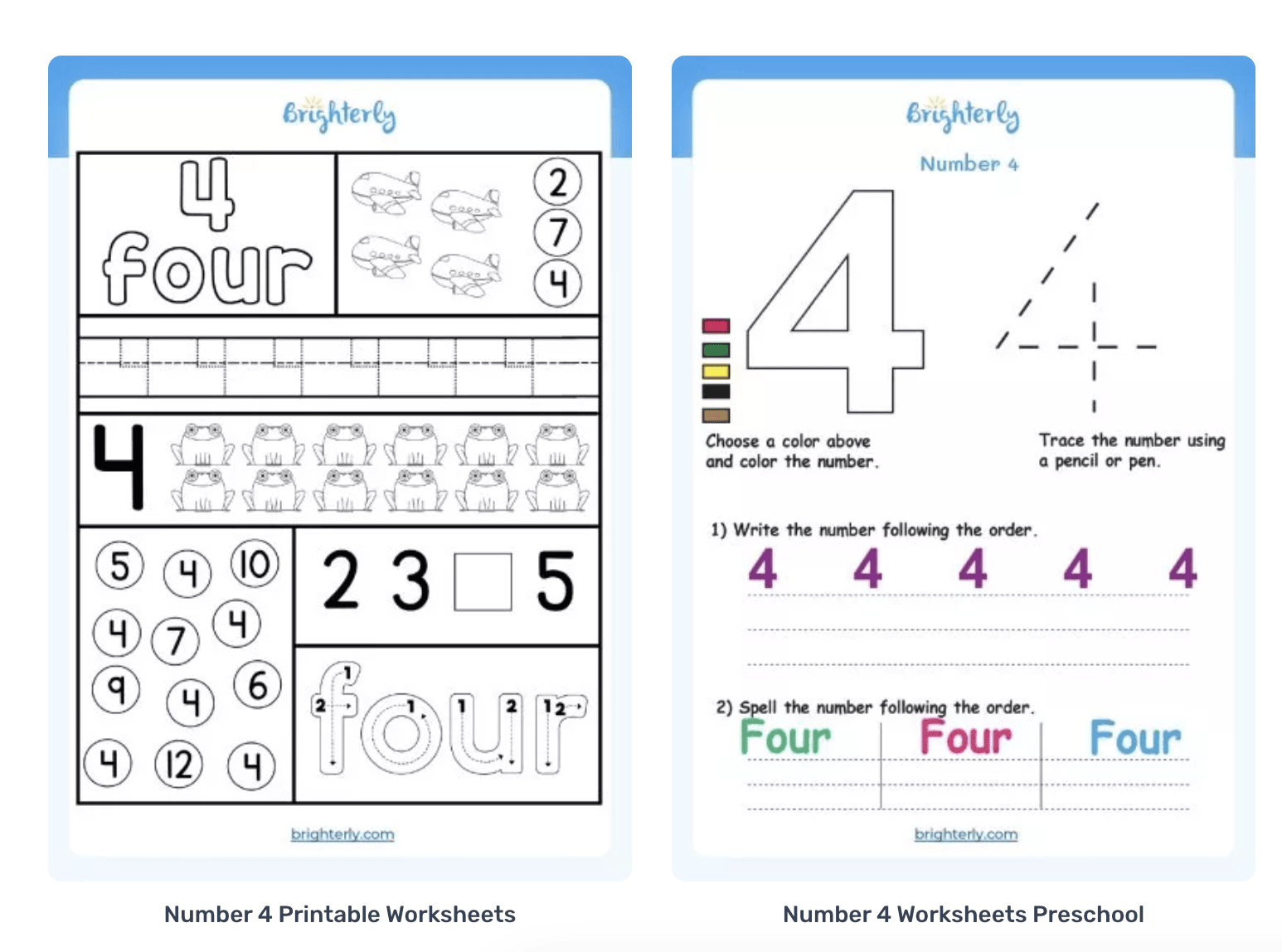
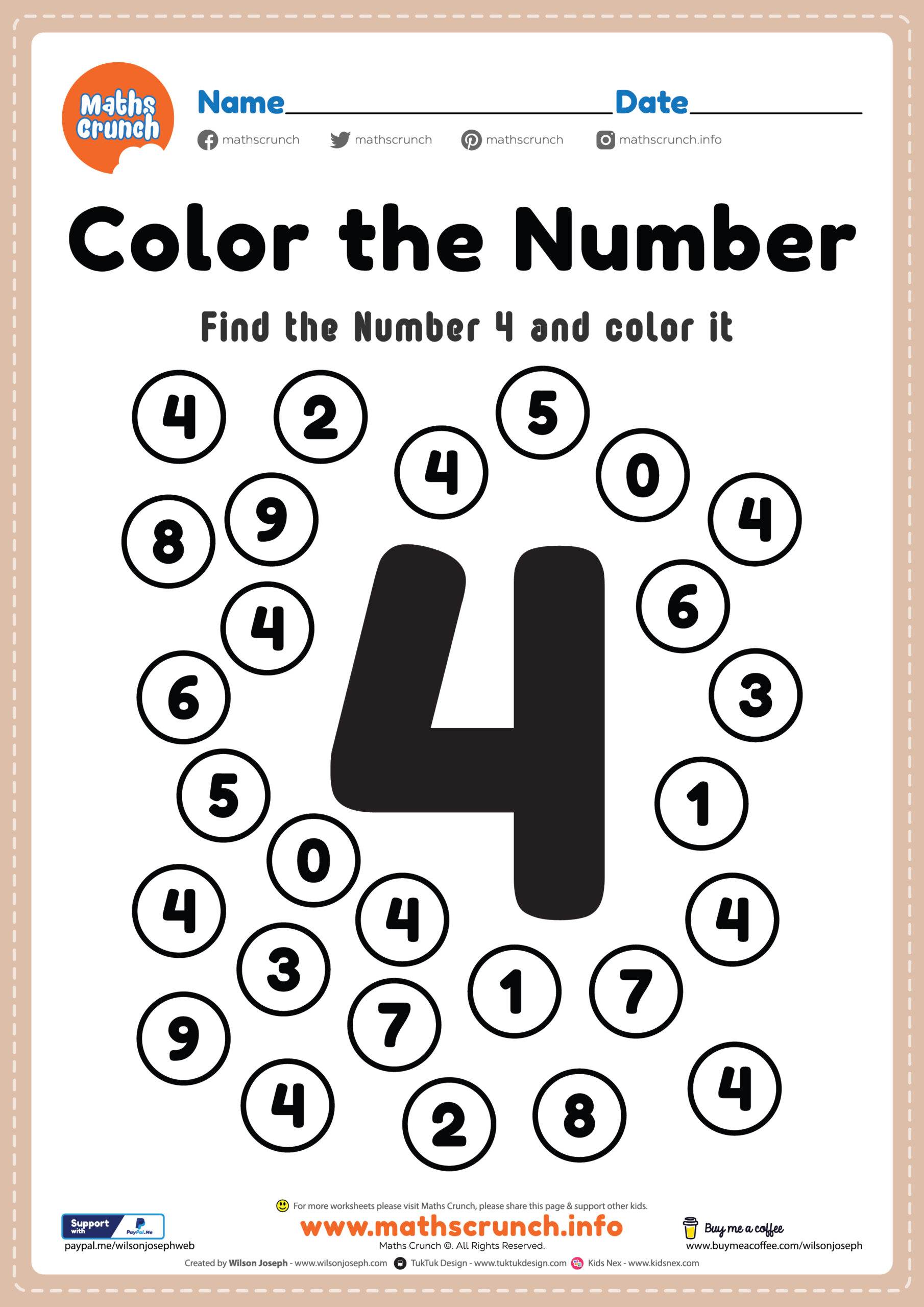
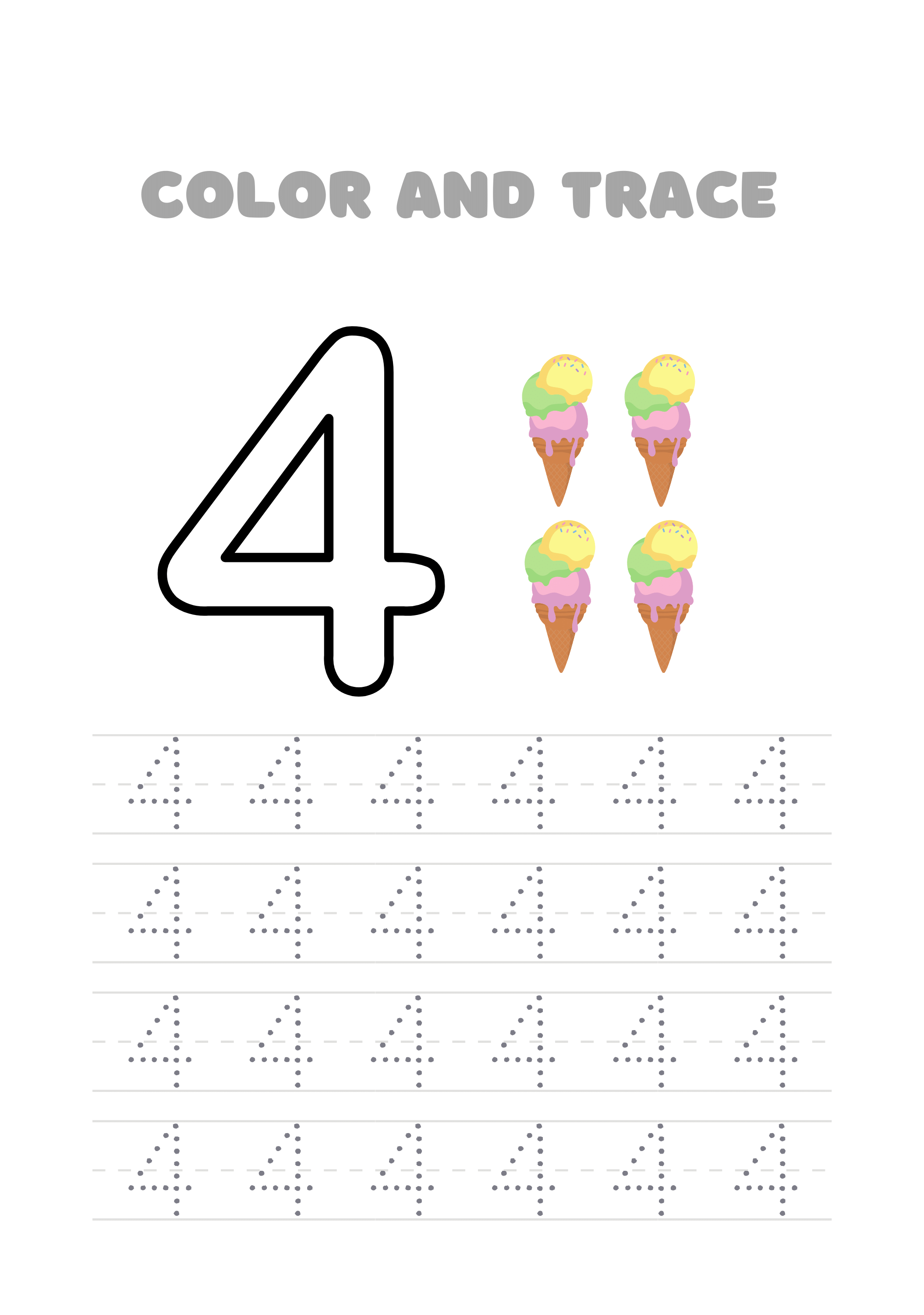
Children learn best when the target number is presented in multiple visual forms: numerals, words, and objects. A good worksheet will display the numeral “4,” write the word “four,” and include groups of four items (such as four apples, four blocks, or four stars). This multimodal approach reinforces the connection between symbol, sound, and quantity.
Varied Skill Levels
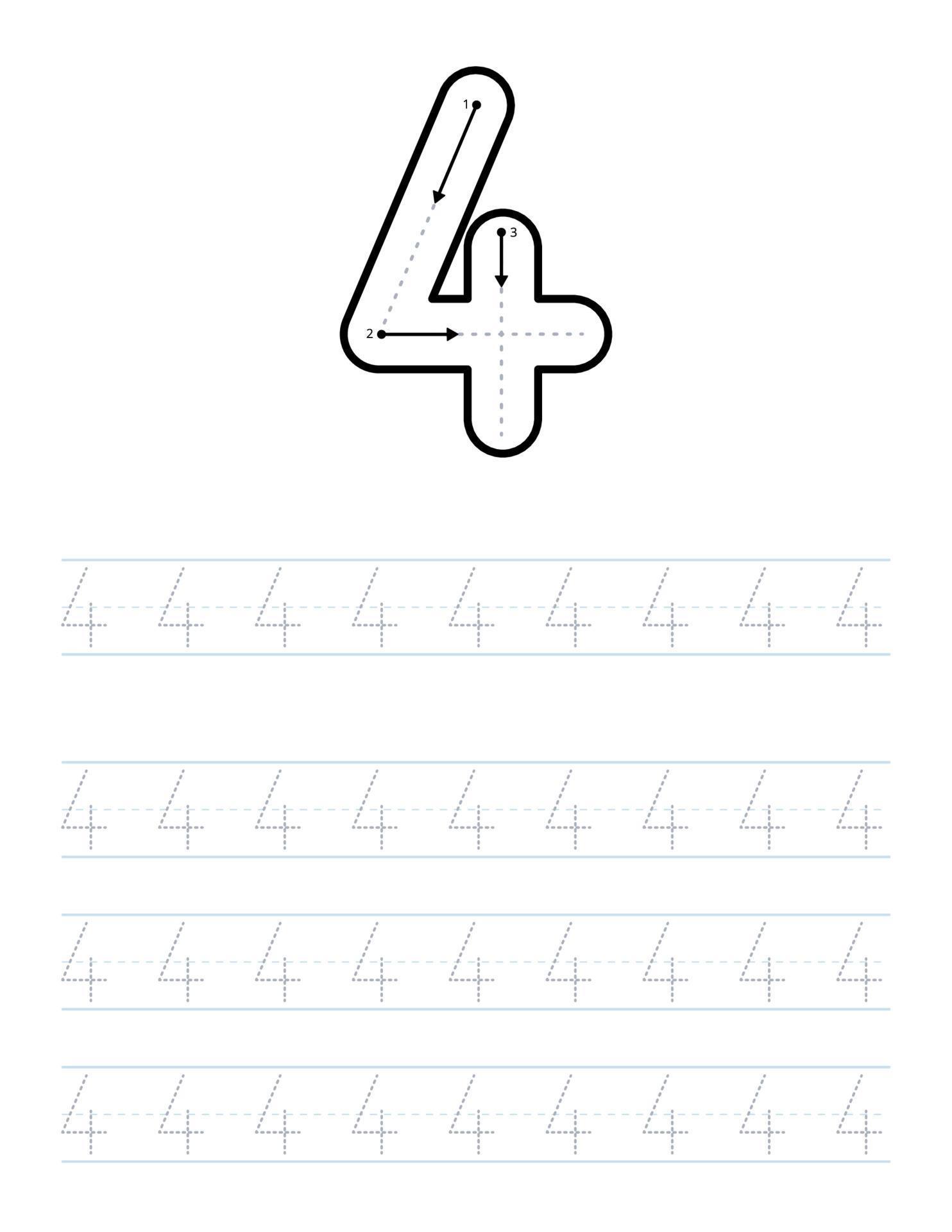
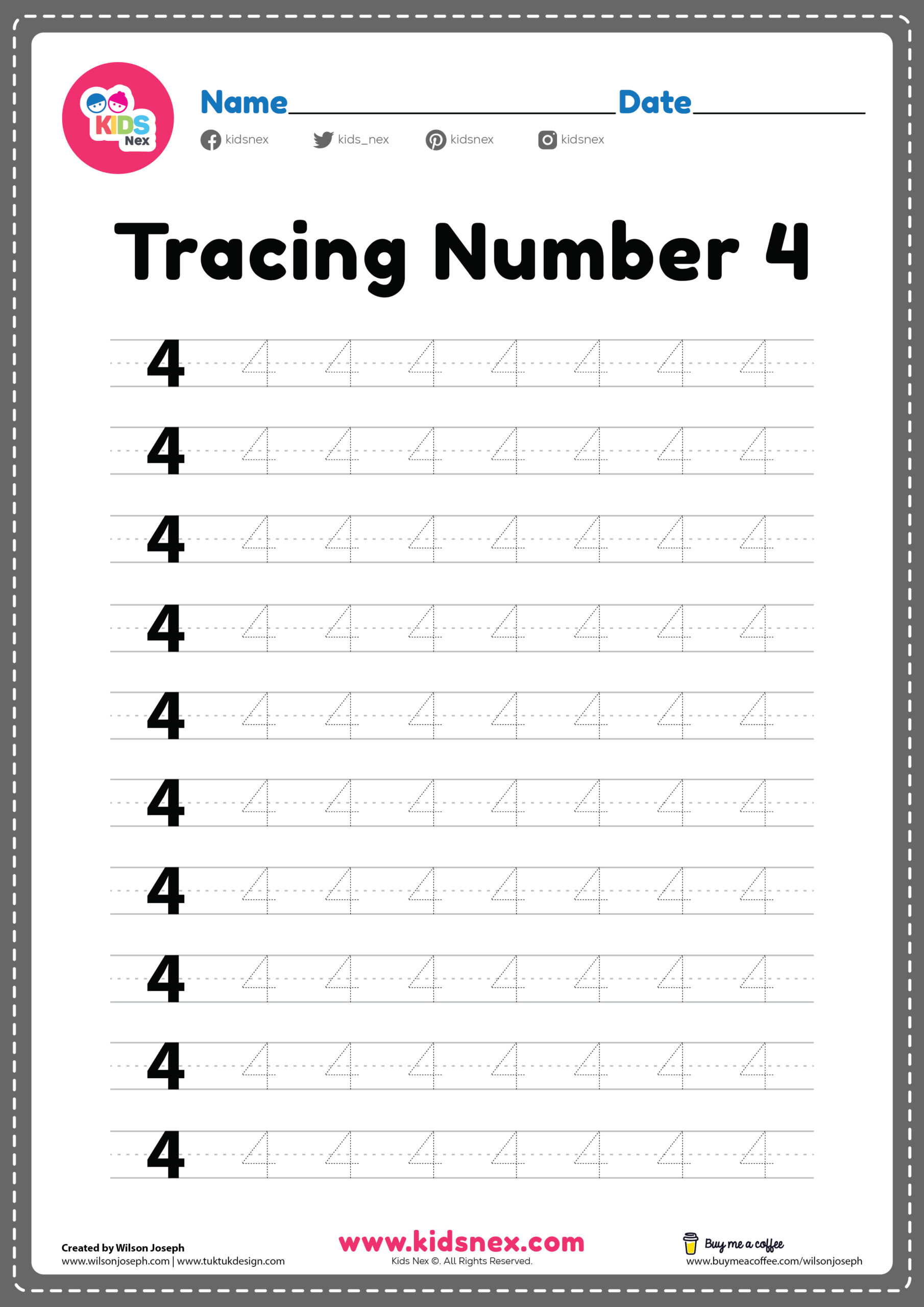
While some students are ready to write the numeral independently, others may need tracing or guided practice. Including a mix of tracing lines, dotted outlines, and free‑hand spaces ensures that learners at different stages can participate without feeling overwhelmed or under‑challenged.
Interactive Activities
Beyond simple tracing, effective worksheets integrate counting, matching, and simple addition/subtraction scenarios. Examples include:
- Counting four objects and circling the correct numeral.
- Matching groups of four pictures to the numeral “4.”
- Simple addition problems like “2 + 2 = __” that emphasize the fact that two groups of two make four.
Fine‑Motor Development
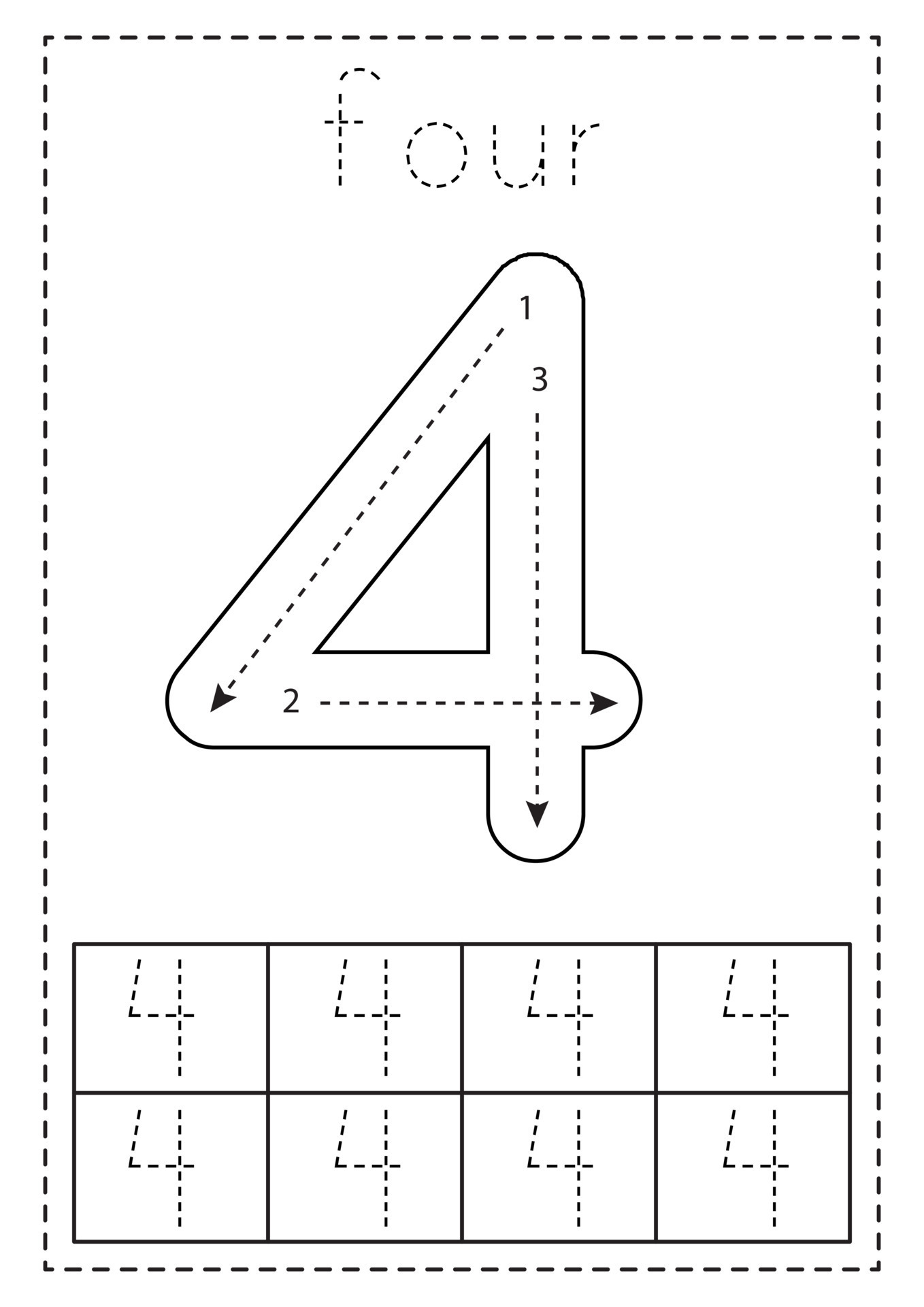
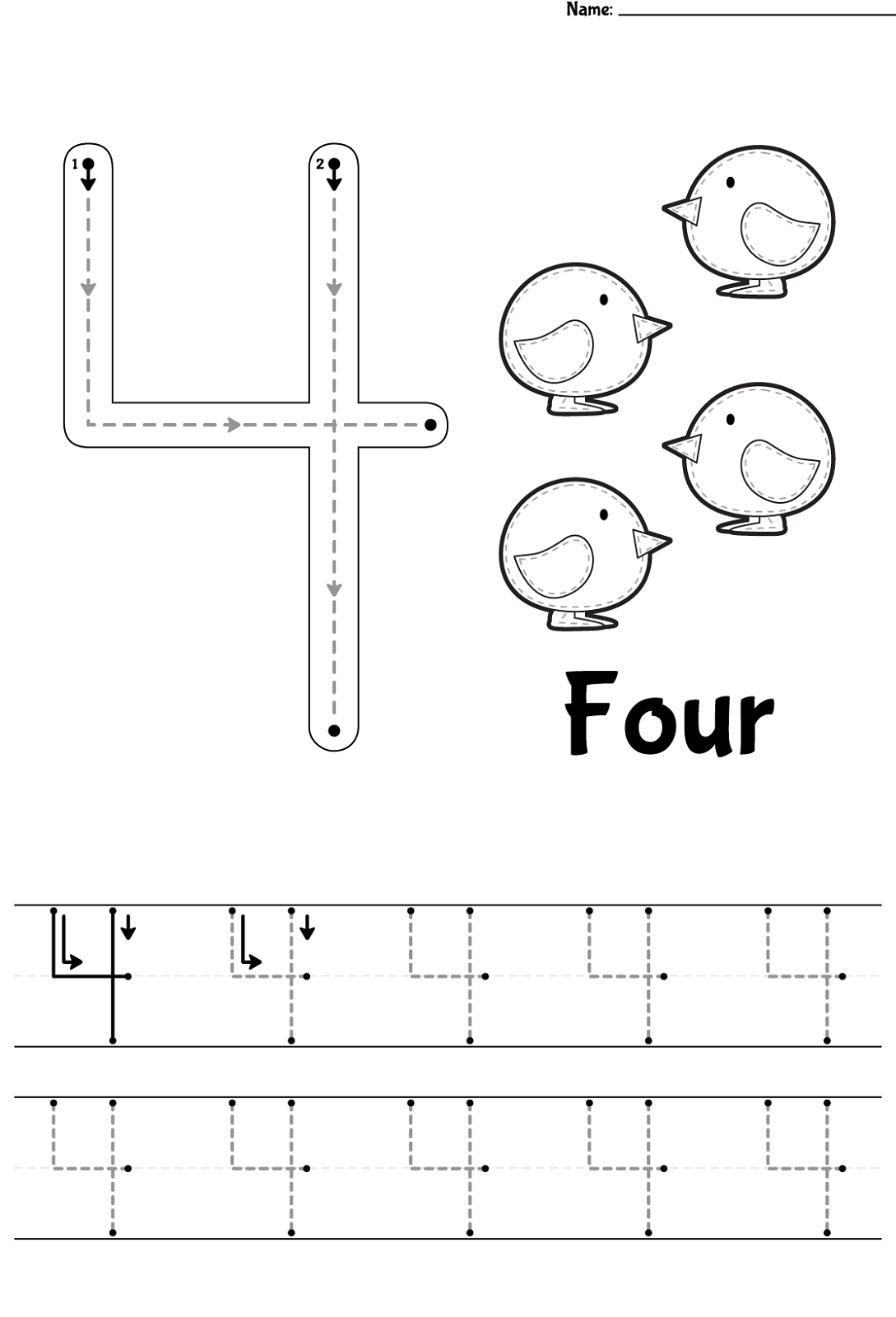
Tracing numbers, drawing lines between matching items, and coloring shapes all support hand‑eye coordination. Including a section where children practice drawing a perfect “4” with guided strokes helps develop the muscle memory needed for neat handwriting later on.
Real‑World Context
Embedding everyday scenarios—such as “There are four wheels on a car. Draw the car and count the wheels”—helps children see the relevance of the number in their lives. Contextual learning boosts retention and encourages children to ask, “Where else do I see fours?”
Step‑by‑Step Guide to Using a Number‑Four Worksheet in the Classroom or at Home
Even the best worksheet can fall flat without a clear plan for implementation. Follow these steps to turn a single page into a dynamic learning session.
Preparation
Gather supplies: crayons, markers, pencils, a ruler for straight lines, and any manipulatives (small blocks, beads, or stickers) that represent groups of four. Set up a distraction‑free workspace where the child can focus on the worksheet without interruptions.
Warm‑Up Discussion
Start with a brief conversation about the number four. Ask open‑ended questions like “Can you think of something that comes in fours?” and encourage the child to share examples. This primes their brain to look for the number in the worksheet.
Guided Exploration
Work through the first section together. Model how to trace the numeral, narrating each stroke: “We start at the top, go down, then make the little line across.” Let the child mimic your movements, offering gentle corrections as needed. Praise effort rather than perfection to build confidence.
Independent Practice
Once the child feels comfortable, let them tackle the remaining sections on their own. Circulate to provide support, but resist the urge to solve problems for them. Instead, ask prompting questions: “How many circles do you see here?” or “What number should you write in the box?”
Reflection and Extension
When the worksheet is complete, review the answers together. Celebrate successes and discuss any mistakes in a constructive way. Then, extend learning by asking the child to find or draw four more items from their environment, reinforcing the concept outside the paper.
Adapting the Worksheet for Different Learning Styles
Every child processes information uniquely. Tailor the worksheet experience to match visual, auditory, and kinesthetic preferences.
Visual Learners
Enhance the worksheet with colored stickers or highlight the numeral “4” in bold colors. Use a chart that shows the number 4 alongside pictures of four objects, reinforcing the visual link.
Auditory Learners
Read the worksheet aloud, emphasizing the sound of “four.” Turn counting activities into a chant: “One, two, three, four—four is the number we adore!” Incorporate rhymes that mention groups of four to cement auditory memory.
Kinesthetic Learners
Allow children to use manipulatives—such as stacking four blocks or arranging four beads on a string—while they complete the worksheet. Encourage them to trace the numeral in sand or on a textured surface before moving to paper, providing a tactile dimension to the learning.
Digital Alternatives and Complementary Resources
While printable worksheets remain a staple, digital tools can enrich the learning experience. Interactive apps often feature animated characters that count out four objects, provide instant feedback, and adapt difficulty based on performance. Pair a digital activity with the printable worksheet to reinforce concepts through multiple modalities. For example, after completing the paper tracing, a child could use a tablet to drag and drop four items into a virtual basket, receiving a celebratory sound effect when they succeed.
When choosing digital resources, look for those that align with the same learning objectives: tracing the numeral, counting objects, and recognizing patterns. Consistency across mediums helps reinforce neural pathways and reduces confusion.
Tips for Parents and Caregivers to Maximize Impact
Parents are the most influential teachers in a child’s early years. Here are practical strategies to turn everyday moments into math opportunities.
Integrate Number Four Into Daily Routines
Use snack time as a learning moment: “Let’s put four grapes on your plate.” During bath time, count four rubber ducks together. These real‑life repetitions embed the number in the child’s memory bank.
Positive Reinforcement
Celebrate each correct answer with specific praise: “You counted four blocks perfectly! I love how you pointed to each one.” Avoid generic compliments that don’t acknowledge the effort, as they provide less meaningful feedback.
Create a “Number 4” Treasure Box
Fill a small container with items that come in fours—miniature cars, stickers, colored pencils. Encourage the child to pull out four items each day and count them aloud. This hands‑on activity turns the abstract concept into a tangible, repeatable game.
Use Storytelling
Tell short stories that revolve around the number four: “Four brave kittens went on an adventure to find four hidden treasures.” Ask the child to identify the fours in the narrative, blending literacy with numeracy.
Common Challenges and How to Overcome Them
Even well‑designed worksheets can present hurdles. Anticipate these challenges and apply targeted solutions.
Difficulty Tracing the Numeral
If a child struggles with the shape of “4,” break it down into simpler strokes. Show them how to draw a vertical line first, then a horizontal line, and finally the diagonal. Practicing each component separately before combining them can reduce frustration.
Confusing Four With Similar Numbers
Young learners sometimes mix up 4 with 5 or 9. Use contrasting visual cues—such as coloring the numeral 4 in blue and the numeral 5 in red—to help differentiate. Pair each numeral with a distinct object group (four apples vs. five bananas) for added clarity.
Limited Attention Span
Keep worksheet sessions short—5 to 10 minutes—for preschoolers, and sprinkle in movement breaks. After a few rows of tracing, have the child stand up, shake out their hands, and then return to the next activity. This prevents fatigue and maintains engagement.
Extending Learning Beyond the Worksheet
When the worksheet is complete, the learning journey should continue.
Craft Projects
Guide the child to create a collage of four items—four leaves, four buttons, four pieces of pasta—glued onto a paper. Have them label each group with the numeral 4, reinforcing both fine‑motor and counting skills.
Outdoor Math Hunt
Organize a “Find Four” scavenger hunt in the backyard or park. Provide a checklist where the child marks off each group of four they discover (four stones, four pinecones, four ladybugs). This outdoor adventure blends physical activity with mathematical observation.
Cooking Activities
Simple recipes offer perfect opportunities. Ask the child to add four spoonfuls of flour or four raisins to a bowl, counting aloud each addition. Cooking not only practices counting but also introduces concepts of measurement and sequencing.
Conclusion
Incorporating a thoughtfully designed Worksheet Of Number 4 into early education does far more than teach a child to write a numeral; it builds a foundation of confidence, pattern recognition, and real‑world connection that will serve them for years to come. By selecting worksheets that blend visual cues, interactive tasks, and fine‑motor practice, and by pairing them with hands‑on activities, parental guidance, and digital reinforcement, educators can create a rich, multisensory learning environment. Whether you’re a teacher planning a lesson plan or a parent looking for a fun at‑home activity, the strategies outlined here will help you transform a simple worksheet into a powerful tool for mathematical growth, ensuring that the number four becomes a familiar and friendly friend in every child’s early math journey.










Related posts of "Worksheet Of Number 4"
