Two To And Too Worksheet is an essential tool for mastering one of the most confusing triads in English—two, to, and too—and it brings clarity, confidence, and correct usage to learners of all ages. Whether you are a teacher planning a dynamic lesson, a parent supporting homework, or an ESL student seeking self‑study resources, this guide will walk you through everything you need to know about selecting, customizing, and effectively deploying a high‑quality worksheet that transforms uncertainty into mastery.
Understanding the Difference Between Two, To, and Too
The Numeral “Two”
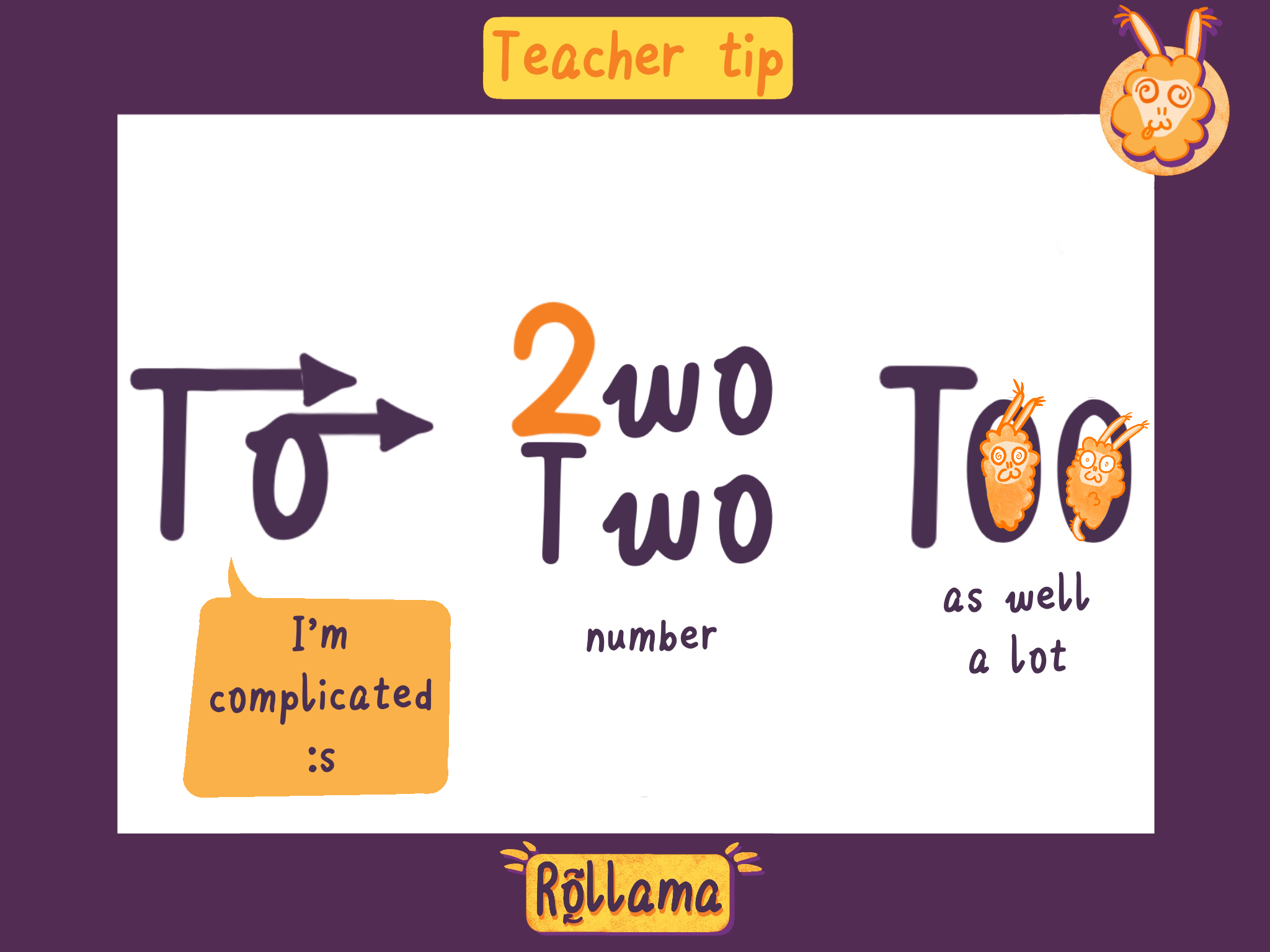
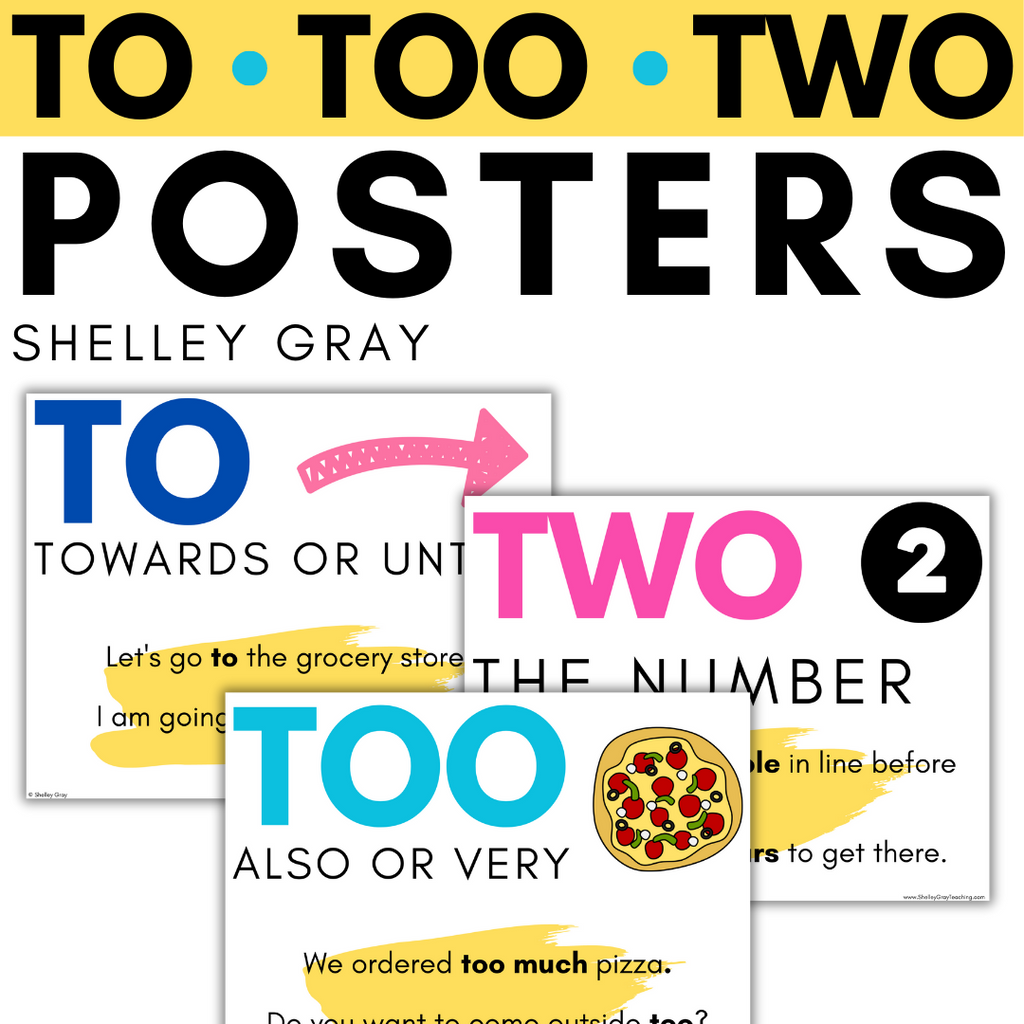
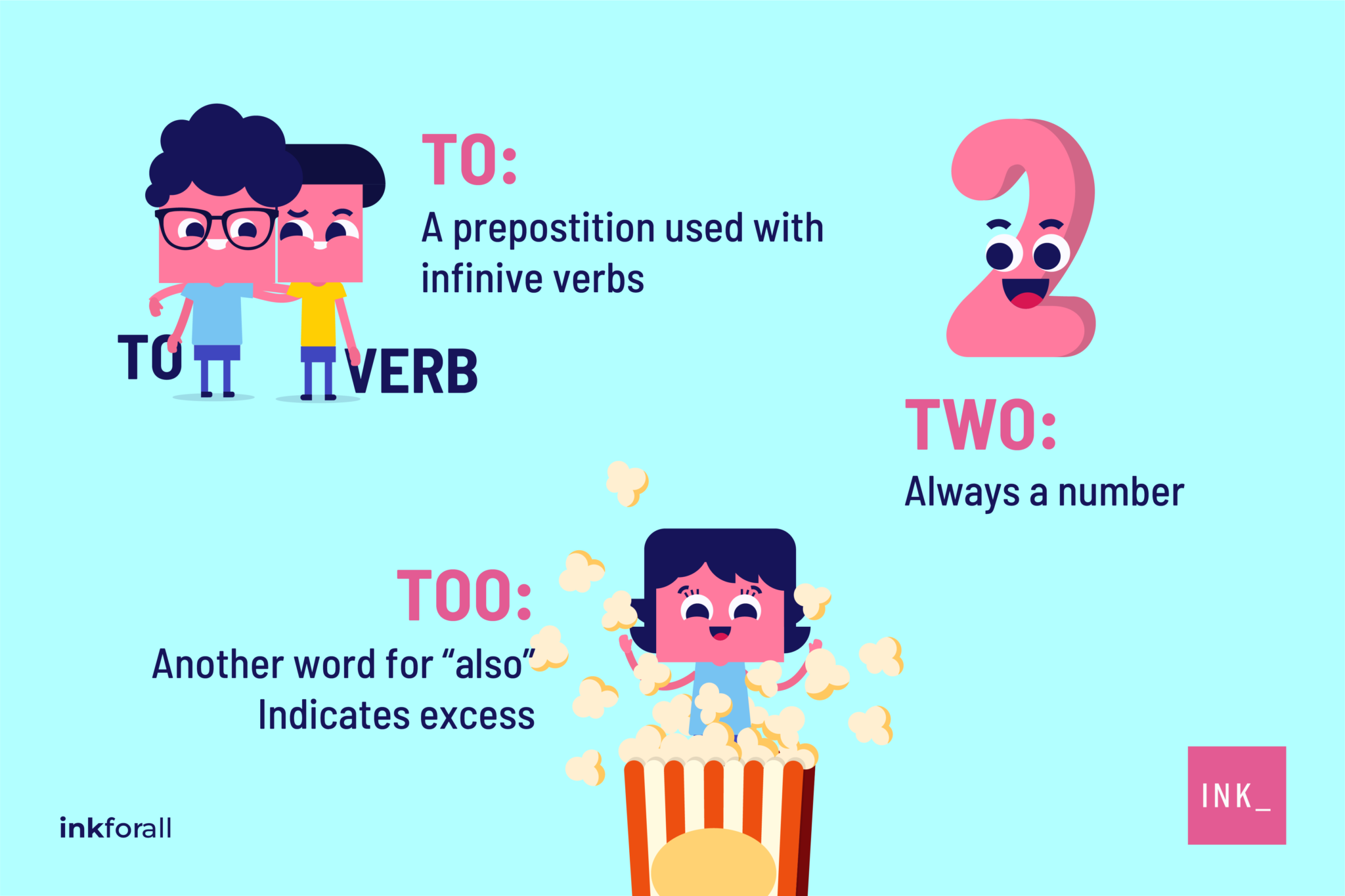
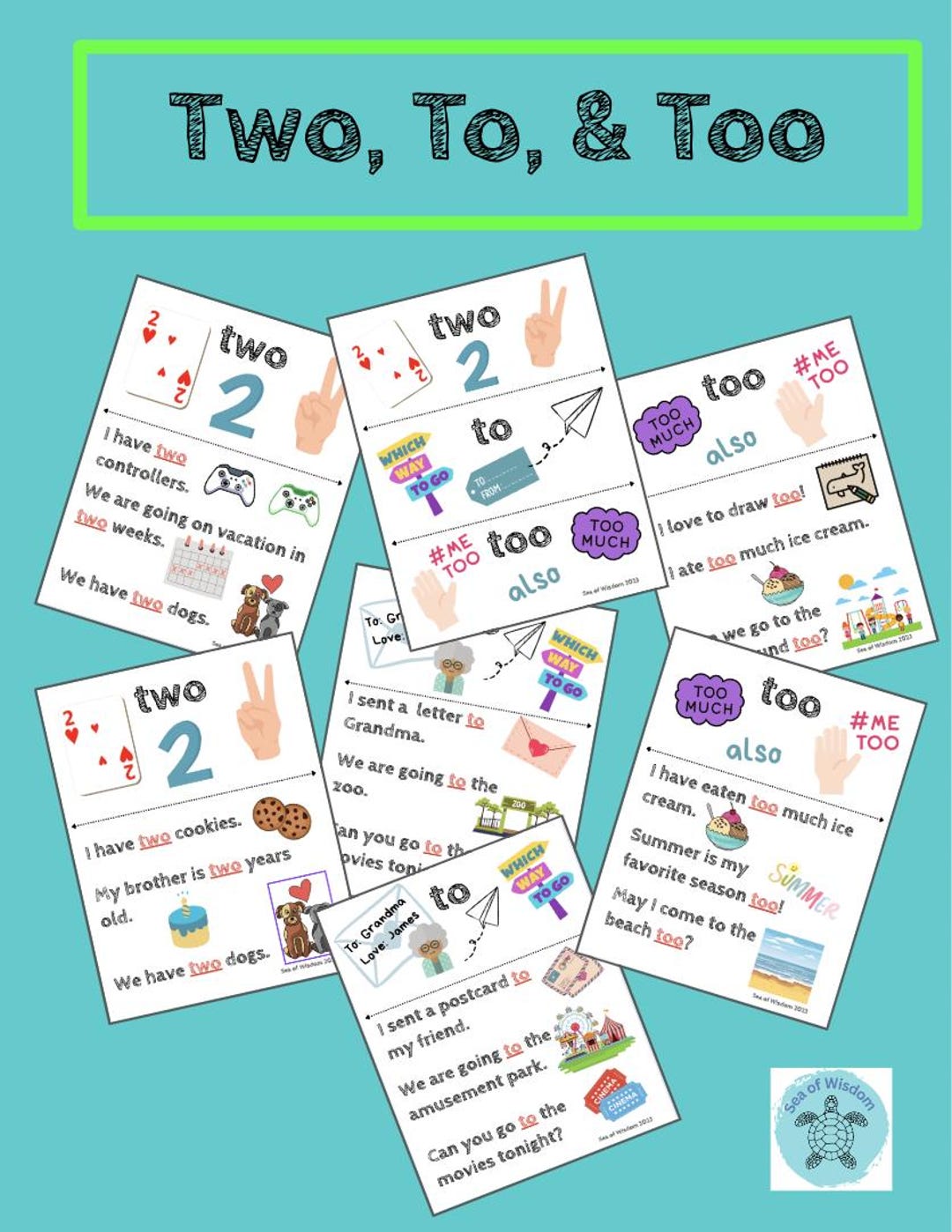
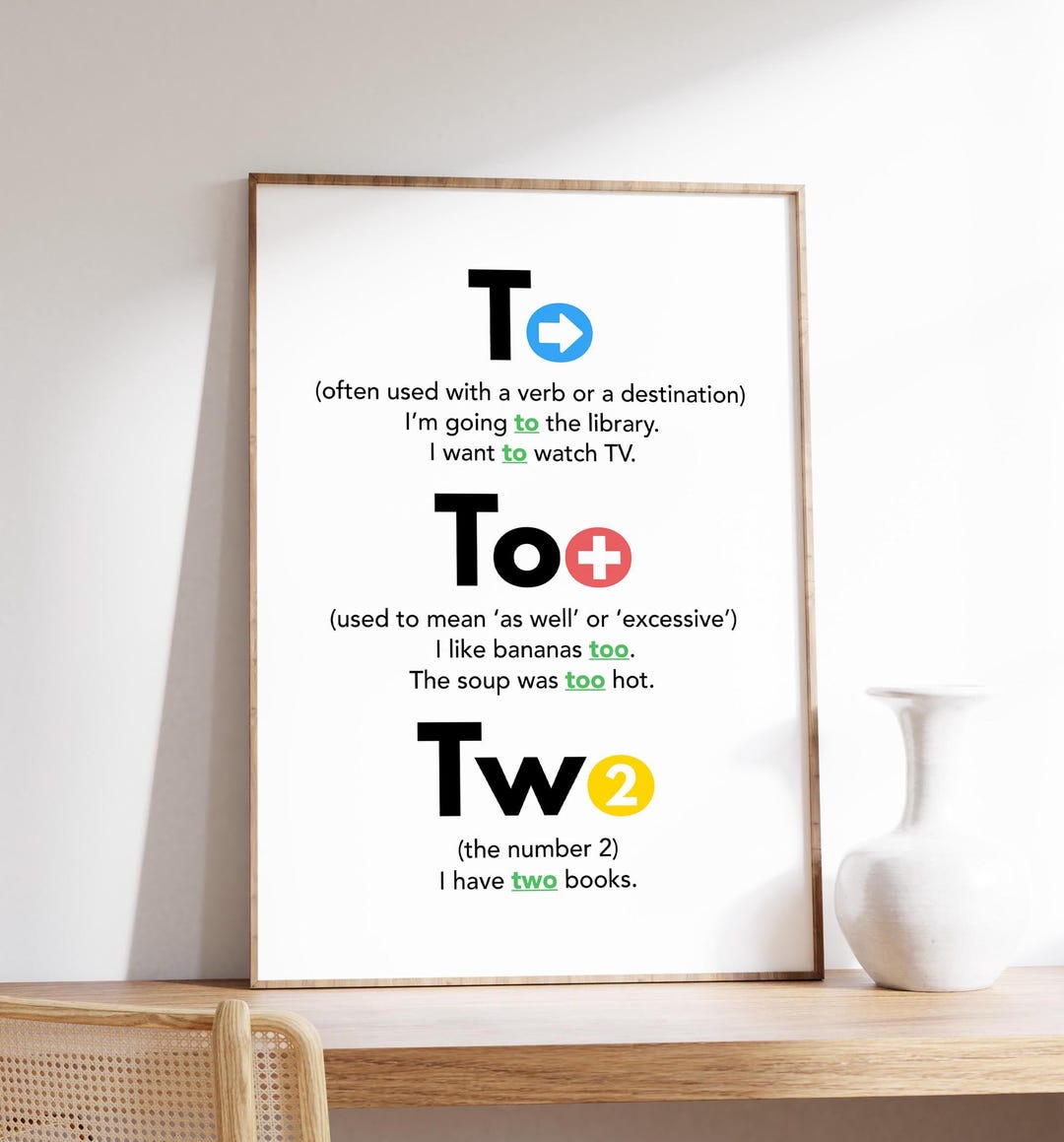
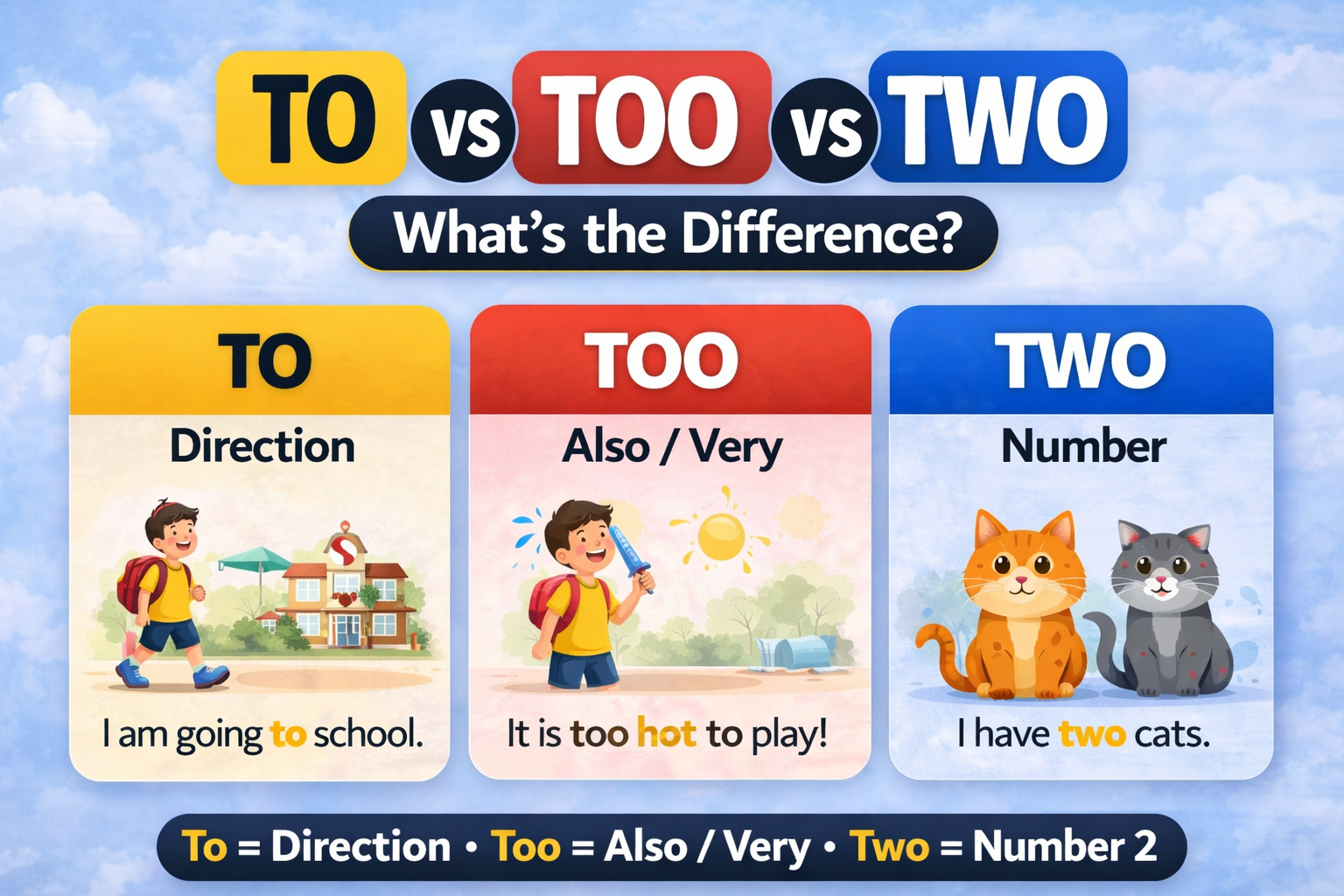
“Two” is the cardinal number that represents the quantity of 2. It appears before nouns (e.g., “two apples”), after prepositions (“between two ideas”), and can function as a subject or object (“Two are missing”). The key to recognizing “two” is its role in counting or quantifying.
The Preposition “To”
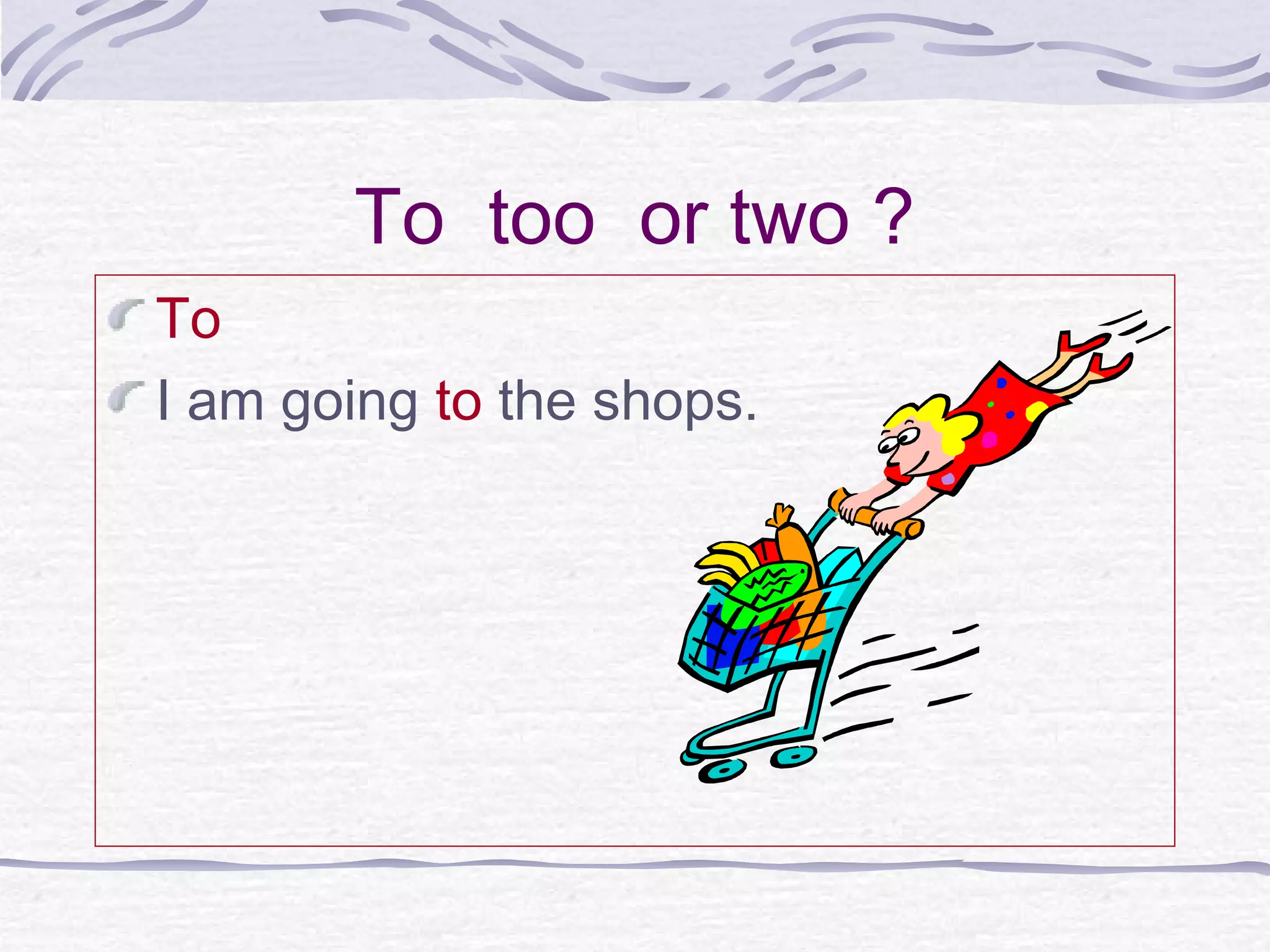
“To” serves as a preposition indicating direction, purpose, or recipient (e.g., “go to school,” “a gift to her”). It also appears in infinitive verb forms (“to run,” “to think”). When spotting “to,” ask whether the word is linking an action or a destination rather than describing a quantity.
The Adverb “Too”
“Too” functions as an adverb meaning “also” or “excessively” (e.g., “She is coming too,” “That’s too hot”). It modifies verbs, adjectives, or other adverbs. If the word adds the sense of “also” or “more than needed,” it is likely “too.”
Why a Dedicated Worksheet Matters
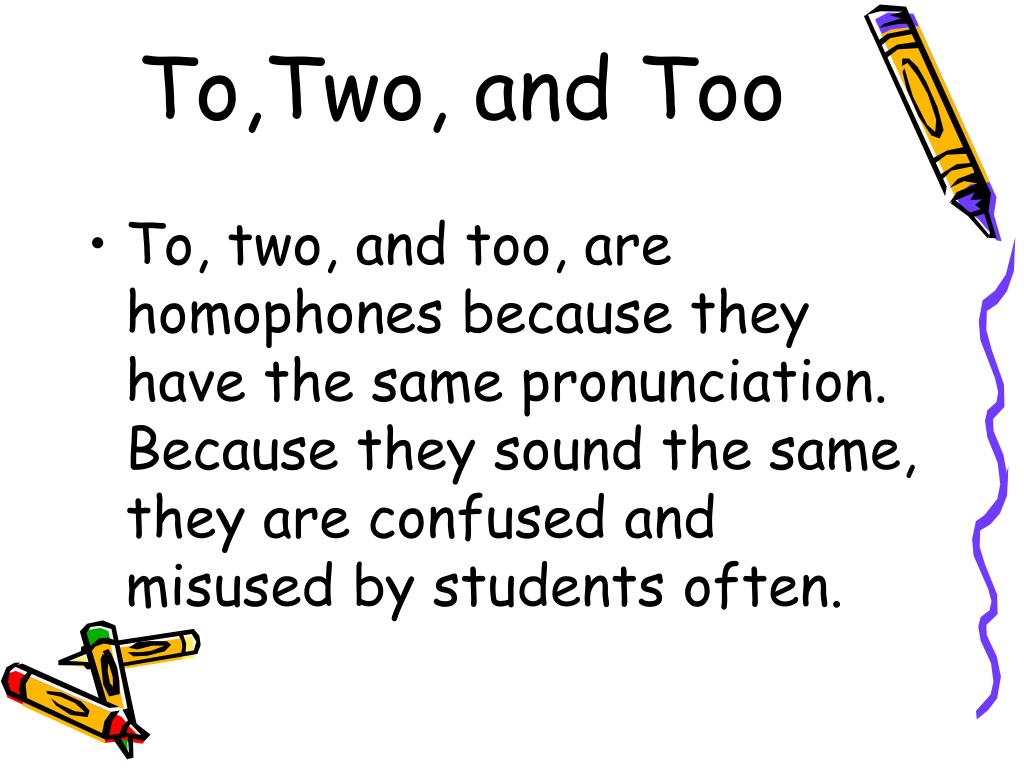
Students often conflate these words because they sound identical but perform distinct grammatical roles. A dedicated worksheet provides focused, repetitive practice that isolates each function, allowing learners to internalize rules through active engagement rather than passive recognition.
Key benefits include:
- Targeted reinforcement of spelling, meaning, and usage.
- Immediate feedback through answer keys or teacher review.
- Flexibility for differentiation—easier rows for beginners, challenge columns for advanced students.
- Visual appeal that encourages participation, especially when the worksheet incorporates color‑coded sections or engaging graphics.
Features of an Effective Two To And Too Worksheet
Clear Instructions
Begin with concise directions that outline the task type—fill‑in‑the‑blank, sentence correction, or matching. Clear expectations reduce anxiety and keep focus on content.
Varied Question Types
Mixing formats sustains interest and addresses multiple learning styles. Consider:
- Fill‑in‑the‑blank sentences where learners choose the correct word.
- Multiple‑choice items that prompt quick decision making.
- Sentence rewriting exercises that reinforce context.
- Mini‑stories requiring students to edit the entire passage for correct usage.
Contextual Sentences
Provide sentences that reflect real‑world situations—shopping lists, travel plans, classroom instructions—so learners see how “two,” “to,” and “too” function outside the textbook.
Progressive Difficulty
Start with simple, isolated examples and gradually increase complexity. Early items might use “two” with a noun, while later items combine “to” and “too” within the same paragraph, challenging students to differentiate based on subtle cues.
Answer Key and Teacher Notes
Include a separate answer key and optional teacher notes that suggest common misconceptions and remediation strategies. This helps educators provide targeted feedback without spending extra prep time.
How to Use the Worksheet in the Classroom
Warm‑Up Activity
Begin the lesson with a quick oral drill—ask students to shout “two,” “to,” or “too” based on short prompts. This primes their brains for the upcoming written practice.
Guided Practice
Distribute the worksheet and work through the first few items together. Model the thought process: identify the part of speech, consider the sentence’s meaning, and eliminate incorrect choices.
Independent Work
Allow students to complete the remaining items individually. Circulate the room, offering quick checks on confusing entries. Use a timer to keep momentum and give a sense of urgency.
Peer Review
Pair students to exchange worksheets and correct each other’s answers using the answer key. This peer‑teaching step reinforces knowledge and builds collaborative skills.
Reflection and Extension
Wrap up with a brief discussion: ask learners to share a sentence they found tricky and explain why they chose a particular word. For extension, have them write a short paragraph that intentionally includes at least three instances of each word.
Adapting the Worksheet for Different Learners
English Language Learners (ELL)
Provide visual cues such as pictures of two objects, arrows for “to,” and exclamation marks for “too.” Use simple sentence structures and gradually introduce more complex clauses as confidence grows.
Students with Learning Disabilities
Offer a larger font size, high‑contrast colors, and ample spacing between lines. Break the worksheet into smaller sections and allow extra time for processing.
Advanced Students
Introduce nuanced contexts—idiomatic expressions (“too many cooks spoil the broth”), formal writing (“to whom it may concern”), and numeric expressions (“two‑thirds”). Challenge them to create their own sentences or mini‑quizzes.
Tips for Parents and Tutors
Create a Routine
Set aside a regular, distraction‑free 10‑minute slot for worksheet practice. Consistency builds habit and long‑term retention.
Use Real‑Life Scenarios
Incorporate everyday activities—making a grocery list (“Buy two apples”), planning a trip (“Drive to the park”), or expressing feelings (“I am too tired”). This contextualizes the abstract rules.
Positive Reinforcement
Celebrate correct usage with verbal praise or small rewards. When errors occur, ask guiding questions (“What does this sentence want to convey? Is it counting or indicating direction?”) instead of simply correcting.
Track Progress
Maintain a simple log of completed worksheets, noting recurring mistakes. Review patterns monthly and adjust focus accordingly.
Common Mistakes and How to Fix Them
Confusing “Two” with “Too”
Students often write “too” when they intend to indicate quantity. Remedy: reinforce the visual of the number “2” and encourage students to ask, “Am I counting or adding?” before writing.
Using “To” Instead of “Too” for Emphasis
Sentences like “I want to go too” (intended as “also”) become ambiguous. Teach the mnemonic “Too = also, also = too” and practice with paired sentences that contrast meaning.
Dropping the “To” in Infinitives
Students may write “I want go” instead of “I want to go.” Emphasize that most verbs of desire, intent, or need are followed by the infinitive form, which always includes “to.”
Overusing “Too” for Excess
Sentences such as “It is too cold to go outside” can be misinterpreted if students think “too” only means “also.” Highlight the dual meaning with side‑by‑side examples and ask learners to identify which sense applies.
Integrating Technology
Digital Worksheets
Convert the printable worksheet into an interactive PDF or Google Form. Use auto‑grading features for multiple‑choice items and instant feedback for fill‑in‑the‑blank entries.
Gamified Practice
Incorporate platforms like Kahoot! or Quizizz to turn “two, to, too” drills into competitive quizzes. The gamified environment boosts motivation and provides real‑time data on student performance.
Audio Support
Record sentences with correct pronunciation and have learners listen before choosing the right word. Auditory reinforcement helps auditory learners differentiate homophones.
Assessing Mastery
Beyond the worksheet, assess understanding through varied formats:
- Oral quizzes where students must verbally choose the correct word.
- Writing assignments—short paragraphs, emails, or journal entries—that require natural usage.
- Peer‑editing activities where students highlight and correct errors in classmates’ work.
Track improvement over time by comparing initial worksheet scores with later assessments. Consistent upward trends indicate that the worksheet strategy is effective.
Conclusion
Mastering the subtle distinctions among “two,” “to,” and “too” can feel like a linguistic puzzle, but a well‑designed Two To And Too Worksheet provides the systematic practice needed to solve it. By understanding the individual roles of each word, selecting worksheets that blend clear instructions, varied question types, and progressive difficulty, and adapting the material for diverse learners, educators and parents can turn confusion into confidence. Incorporating technology, offering constructive feedback, and regularly assessing progress ensure that the learning journey remains engaging and measurable. With these strategies in place, learners will not only spell correctly but also communicate more precisely—an invaluable skill for academic success and everyday conversation.










Related posts of "Two To And Too Worksheet"
