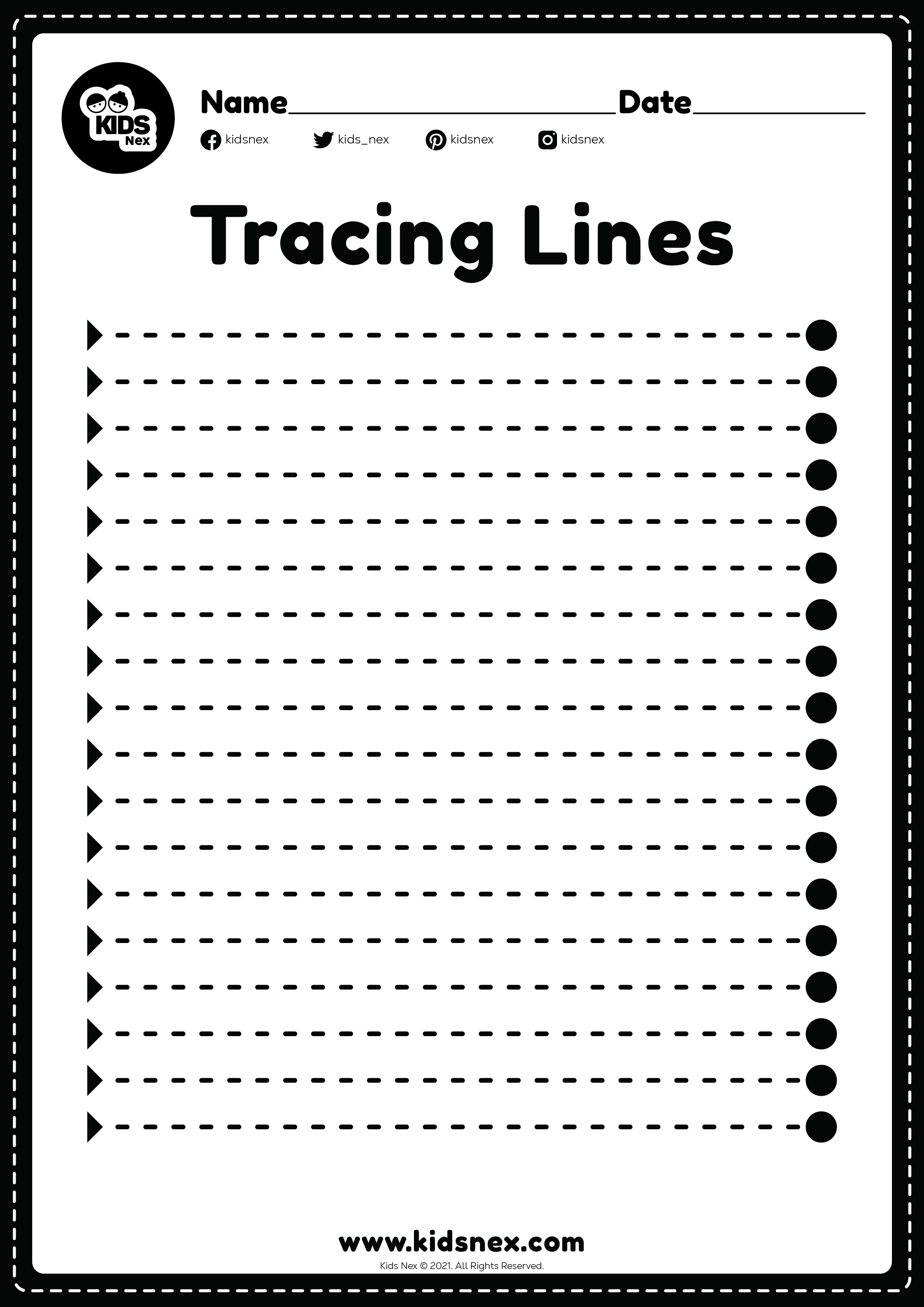
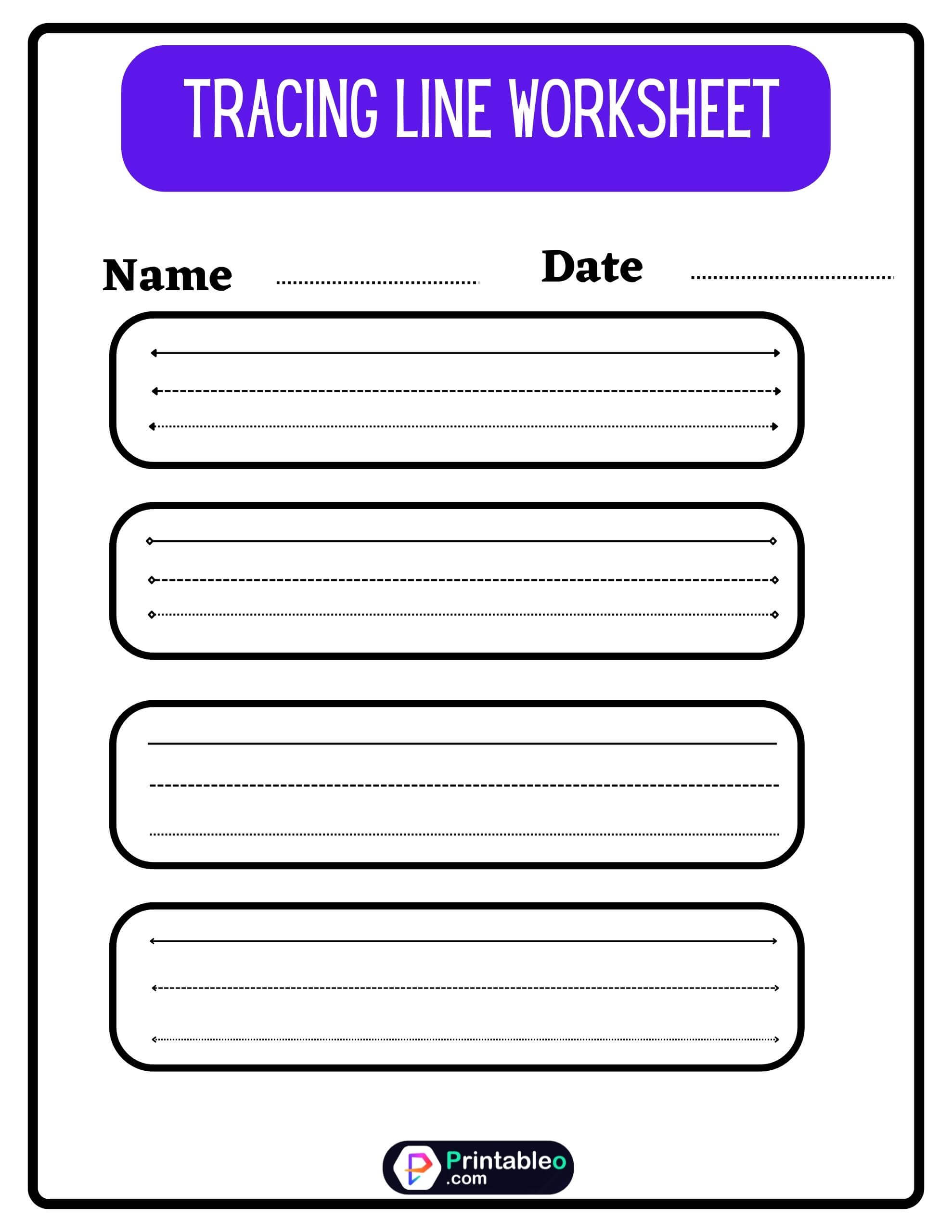
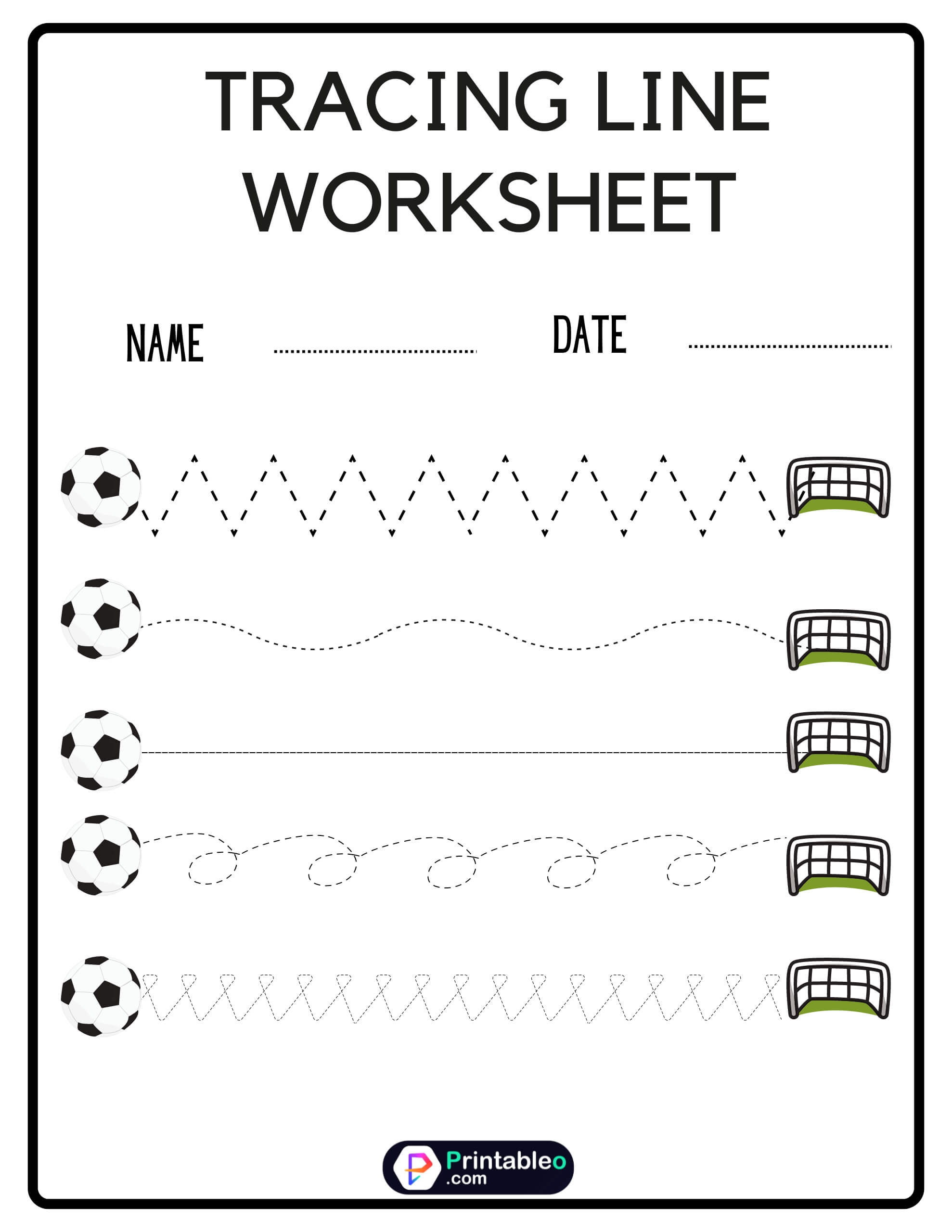
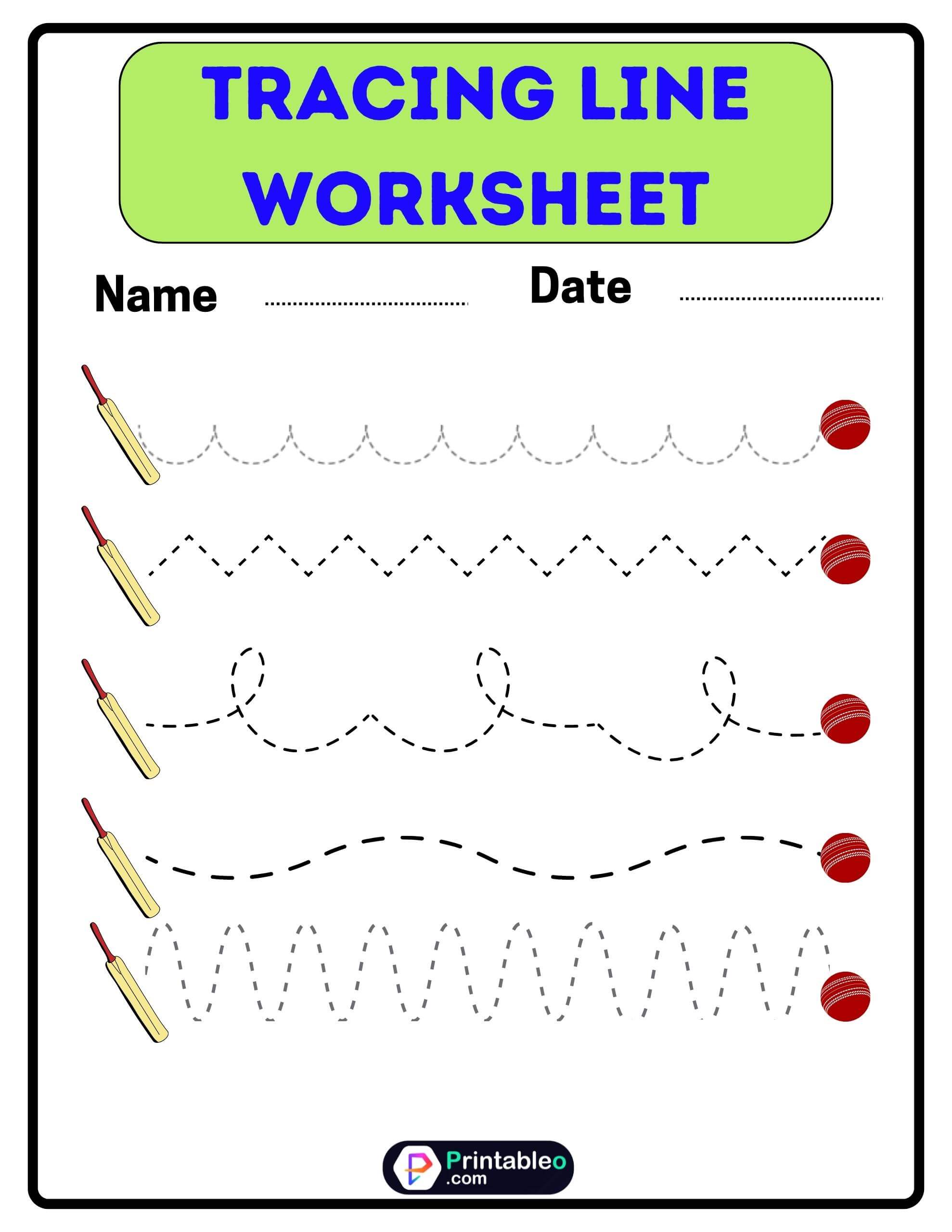
Tracing Lines Worksheets Printable Pdf are a staple resource for educators, parents, and homeschooling families looking to build foundational handwriting skills, improve fine motor coordination, and encourage creativity in young learners. By providing clear, visually engaging line templates, these worksheets make the process of learning to write both approachable and enjoyable.
Understanding the Core Value of Tracing Lines Worksheets
Tracing lines worksheets serve several educational purposes at once. First and foremost, they introduce children to the basic shapes and strokes required to form letters and numbers. By following a pre-drawn line, a student internalizes the motion, reducing the cognitive load associated with writing from scratch. Secondly, the repeated practice reinforces muscle memory, a crucial aspect of handwriting fluency. Finally, the visual simplicity of tracing lines allows early readers and writers to focus on spacing, alignment, and proportion without being distracted by complex design elements.
Categories of Tracing Lines Worksheets
Alphabet Tracing
Alphabet worksheets are split into uppercase and lowercase sections. They often feature dotted outlines of each letter, encouraging precise, consistent strokes. Some variations incorporate calligraphic styles to expose students to diverse writing forms early on.
Numerical Tracing
Number worksheets focus on digits from 0 to 9, including multiples and patterns. These sheets can be combined with simple counting exercises, reinforcing numeracy alongside fine motor skills.
Shape and Pattern Tracing
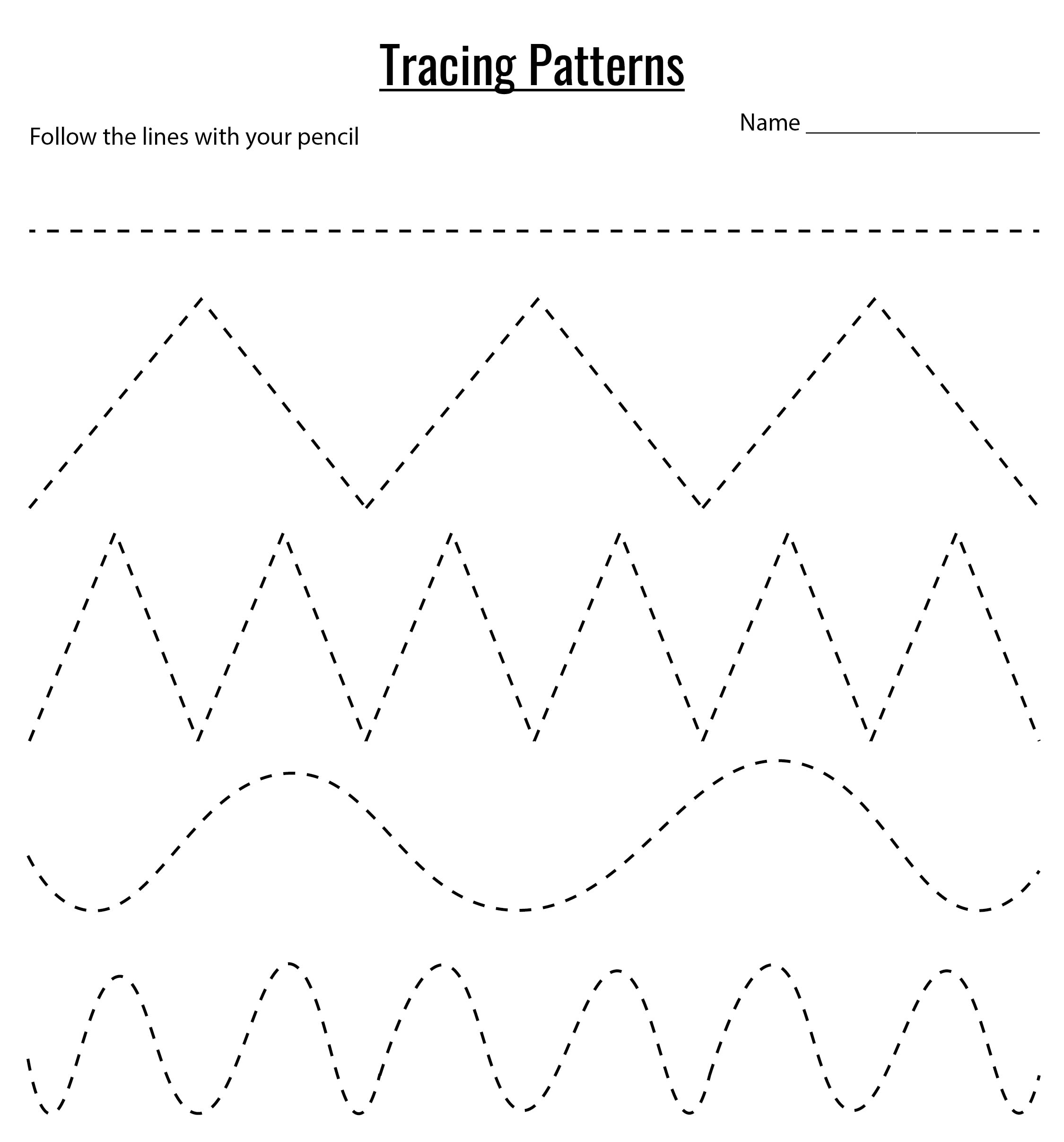
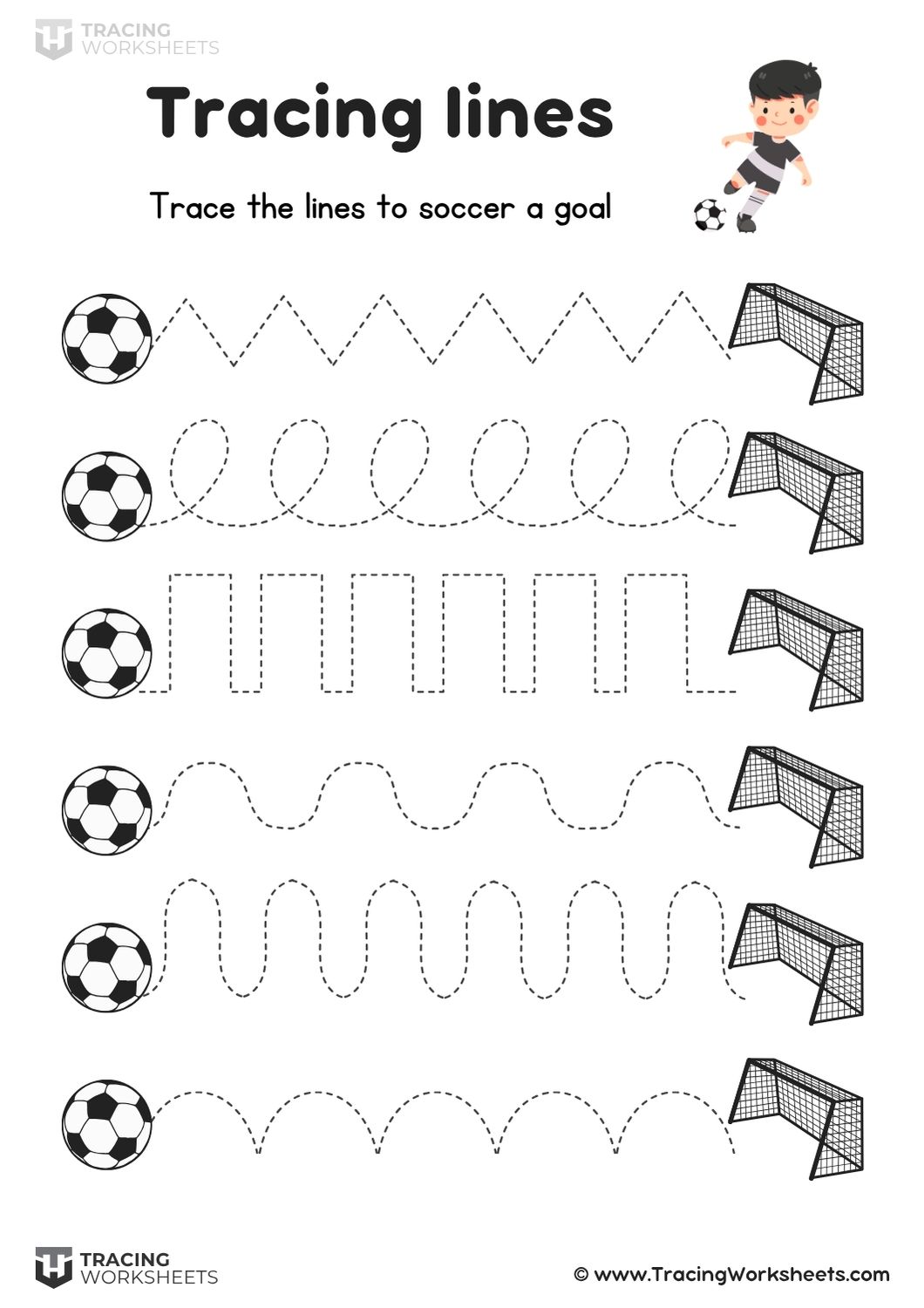
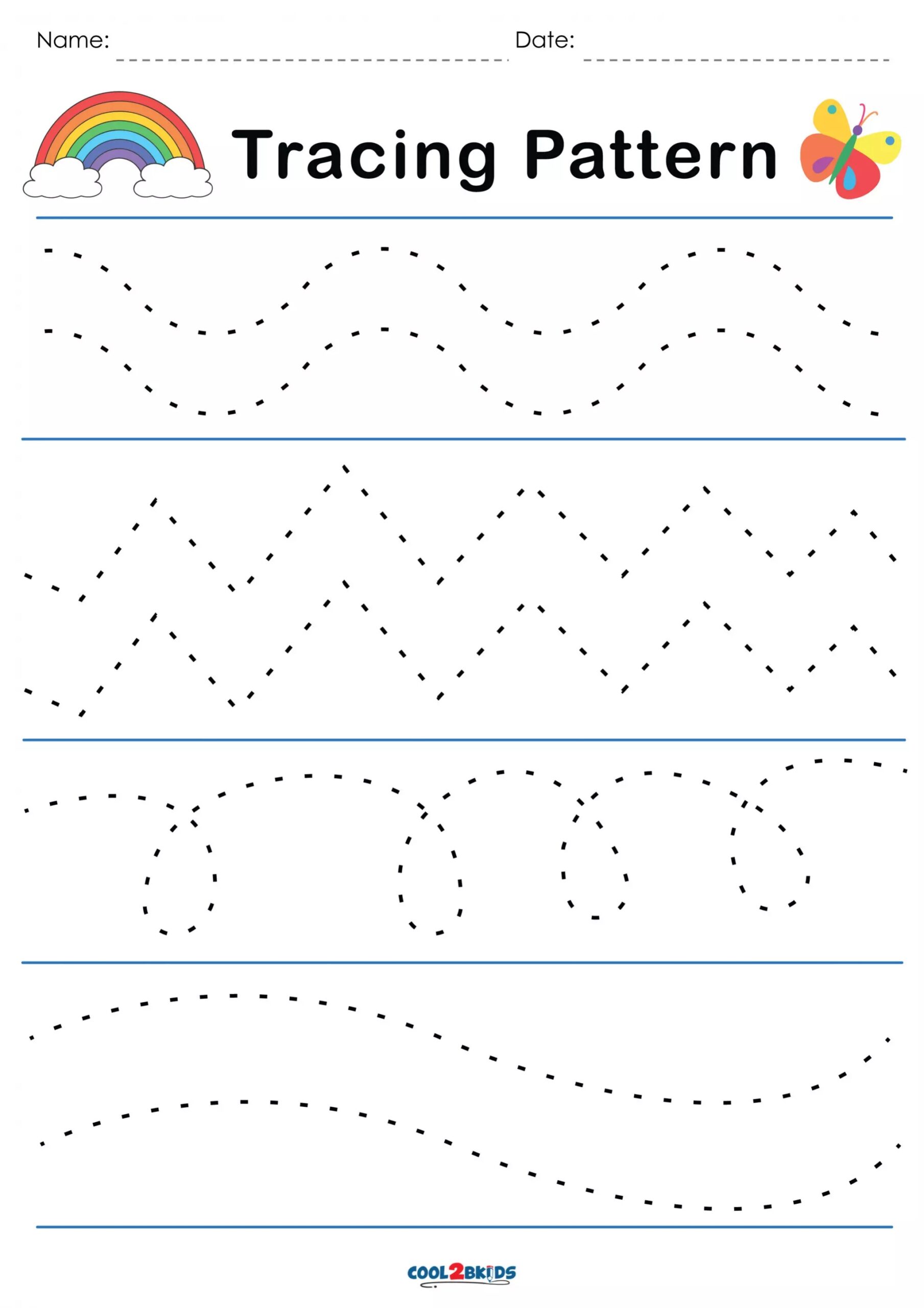
Tracing shapes—circles, squares, triangles, and more complex forms—helps children recognize spatial relationships. Pattern worksheets, where students trace repeating sequences of shapes or letters, provide early exposure to sequencing and logic.
Custom Themes and Contextual Tracing
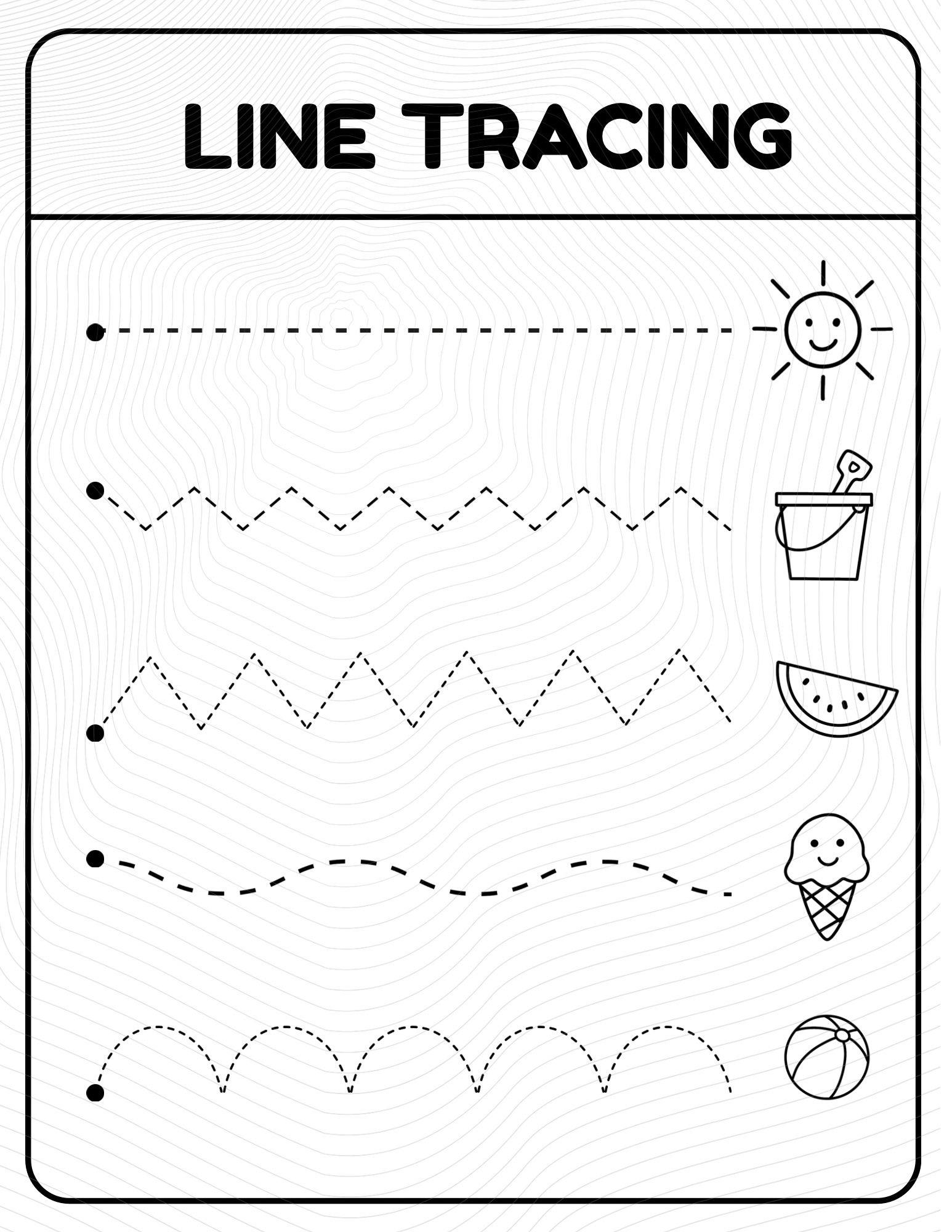
Teachers and parents often create themed tracing sheets that integrate favorite characters, holidays, or seasonal motifs. For example, a “Spring Flowers” tracing page may have a line drawing of a tulip, allowing the child to practice curves while engaging with a familiar image.
Step-by-Step Guide to Using Tracing Worksheets Effectively
1. Selecting the Right Worksheet
Match the worksheet to the child’s developmental stage. For infants and toddlers, large, thick lines are ideal. Elementary students can progress to finer lines and more complex alphabets.
2. Preparing the Work Environment
Choose a well-lit, distraction-free area. Provide a stable surface and use a ruler or hand guide to keep the child’s hand in place during the first few practice sessions.
3. Demonstrating the Stroke
Before handing a worksheet, model each letter or number. Point to the start and finish points, and verbalize the direction of movement. Repeating this demonstration three to five times helps the child internalize the motion.
4. Guided Tracing
Let the child trace slowly, ensuring they stay on the lines. Offer encouragement and corrective feedback on posture, grip, and pressure. Use a pencil with a wide eraser to reduce frustration if mistakes occur.
5. Independent Practice
After a few guided sessions, allow the student to trace independently while you monitor progress. Encourage them to notice the differences between the pre-drawn lines and their own handwriting.
6. Transition to Unlined Paper
Once comfort is achieved, transition to unlined or partially lined paper. Encourage the student to replicate the strokes they practiced, now without the visual aid. This step cements the learned skills into real writing.
Integrating Tracing Worksheets into Curriculum Plans
Cross-Curricular Opportunities
Incorporate tracing sheets into language arts, math, and art projects. For example, a science unit on plant life can feature tracing worksheets of leaves and flowers, while a math class can use number tracing to reinforce counting or multiplication.
Progress Tracking and Assessment
Keep a log of worksheets completed. Note any letters that consistently present difficulty. This data can inform targeted intervention or additional practice sessions.
Encouraging Creativity
After mastering basic strokes, give students blank spaces to add decorative elements around the traced letters. This bridges the gap between mechanical practice and artistic expression.
Digital Versus Physical Tracing Resources
Benefits of Printable PDFs
Printed worksheets are tactile, allowing children to feel the line depth and practice pressure control. They are also accessible offline, making them ideal for areas with limited internet connectivity.
Interactive Digital Tracing Tools
Touchscreen devices can provide animated strokes, real-time feedback, and gamified learning. Digital platforms often allow teachers to adjust line thickness, color, and spacing, customizing the experience for diverse learning needs.
Hybrid Approaches
Combining printed worksheets with digital review can maximize engagement. A child might first trace on paper, then use an app to practice the same letter with virtual feedback.
Common Pitfalls and How to Avoid Them
Too Complex Lines for Beginners
Start with simple, bold shapes. Introducing overly intricate designs early can lead to frustration and eroded confidence.
Neglecting Hand Placement
Poor grip or posture can cause shaky lines. Teach proper pencil hold and wrist positioning early to prevent future writing issues.
Overreliance on Tracing
While tracing builds foundational skills, transition to freehand writing promptly. Prolonged dependence on lines can delay the development of independent writing.
Real-World Success Stories
Classroom Implementation
A third‑grade teacher used a series of alphabet tracing worksheets over a two‑week block, integrating them into morning routines. By week’s end, her students could write capital letters with increased accuracy, and the teacher noticed a 30% drop in spelling errors related to letter formation.
Home‑Based Learning
Parents of a preschooler incorporated daily tracing of number patterns. The child began to recognize digits in everyday objects, such as price tags and clocks, illustrating how targeted practice translates to real-life recognition.
Special Education Adaptations
A child with fine motor difficulties benefited from thicker lines and a larger font size in tracing worksheets. Coupled with occupational therapy sessions, the student showed measurable progress in hand strength and writing consistency.
Customizing Tracing Worksheets for Diverse Learners
Adjusting Line Thickness and Color
Use high‑contrast colors—black on white, blue on yellow—to aid visual discrimination. For children with visual processing challenges, thicker lines can provide clearer boundaries.
Incorporating Multi-Sensory Elements
Adding texture, such as raised lines or tactile stickers, can engage kinesthetic learners. Pairing tracing with auditory cues—like a rhythm for each stroke—can reinforce memory.
Adapting for Dysgraphia
Provide worksheets with more spaced lines and simplified letters. Encourage frequent breaks, and use ergonomic pencils to reduce hand fatigue.
How to Create Your Own Printable Tracing PDF
Choosing Software Tools
Graphic design programs like Adobe Illustrator or free alternatives such as Canva allow precise control over line weight and spacing. Word processors can also generate simple tracing sheets using large fonts and dotted outlines.
Designing Effective Layouts
Place one letter or number per line, with ample space for practice. Include a small example on the first row, then a blank area for the child to trace on the subsequent rows.
Testing and Refinement
Print a draft and observe a sample student’s interaction. Adjust line thickness, spacing, or add cues as needed. Iteration ensures the worksheet meets educational goals.
Conclusion
Tracing Lines Worksheets Printable Pdf remain a powerful, low‑cost, and versatile tool for developing essential writing skills. Whether used in a formal classroom setting, a homeschooling environment, or a therapeutic context, these worksheets offer structured practice that bridges the gap between rote learning and creative expression. By selecting appropriate materials, employing effective teaching strategies, and tailoring designs to individual needs, educators and caregivers can transform simple lines into meaningful learning experiences that last well beyond the printed page. Through thoughtful integration and continuous assessment, tracing worksheets help children build confidence, precision, and a lifelong love of writing.









Related posts of "Tracing Lines Worksheets Printable Pdf"
