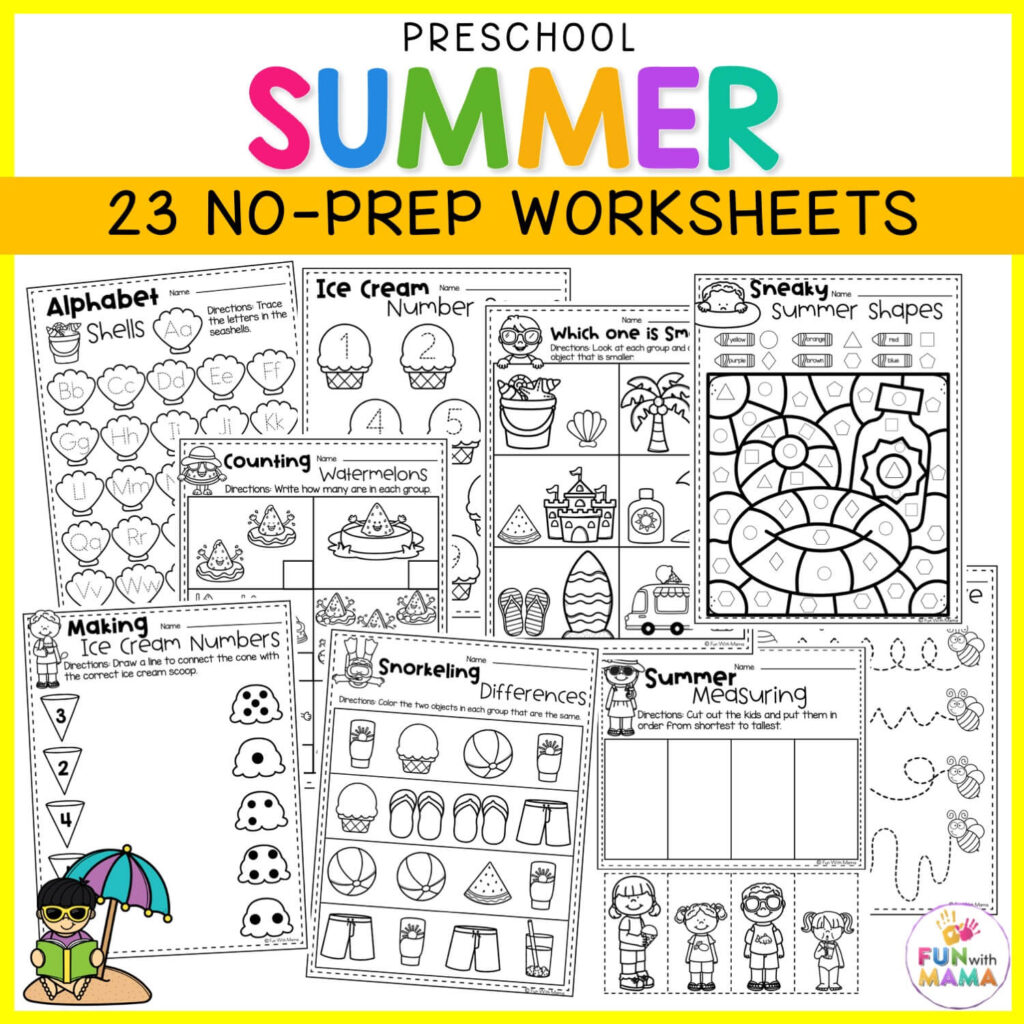
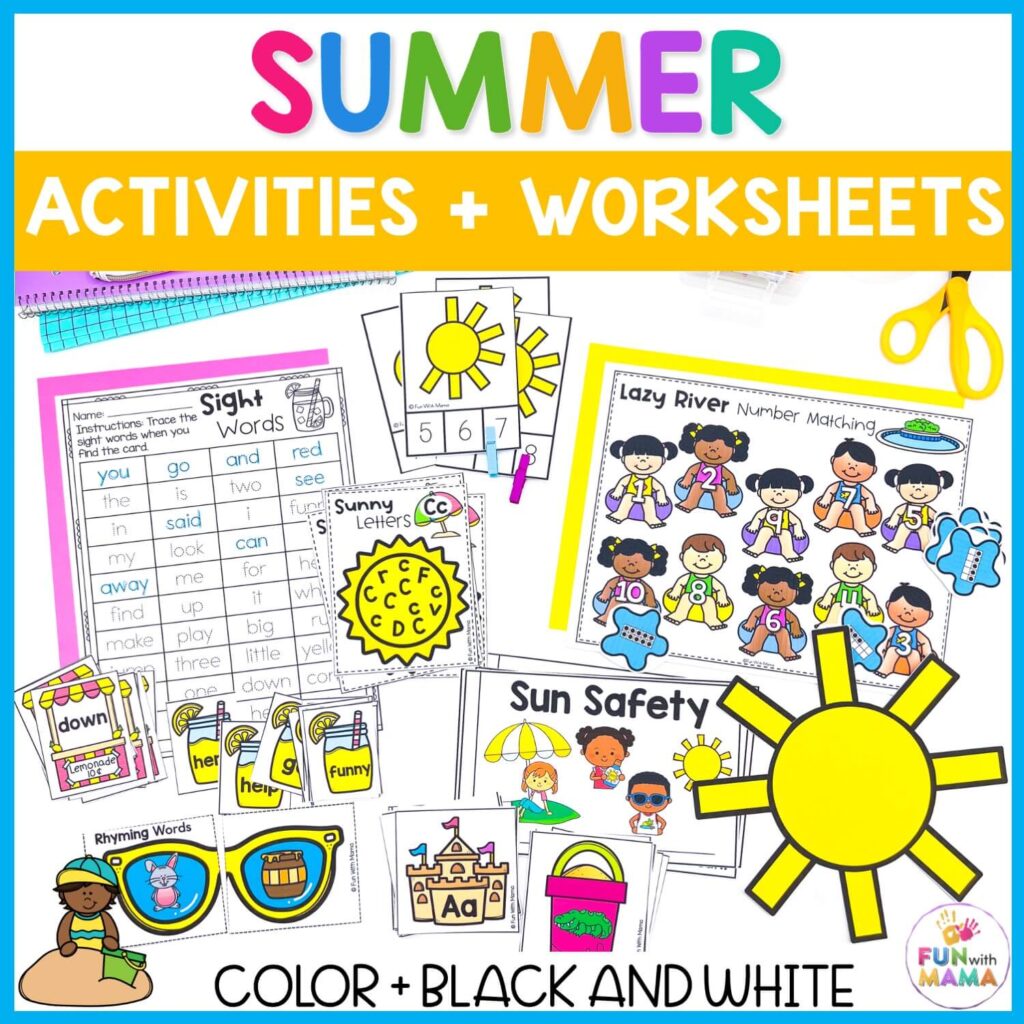
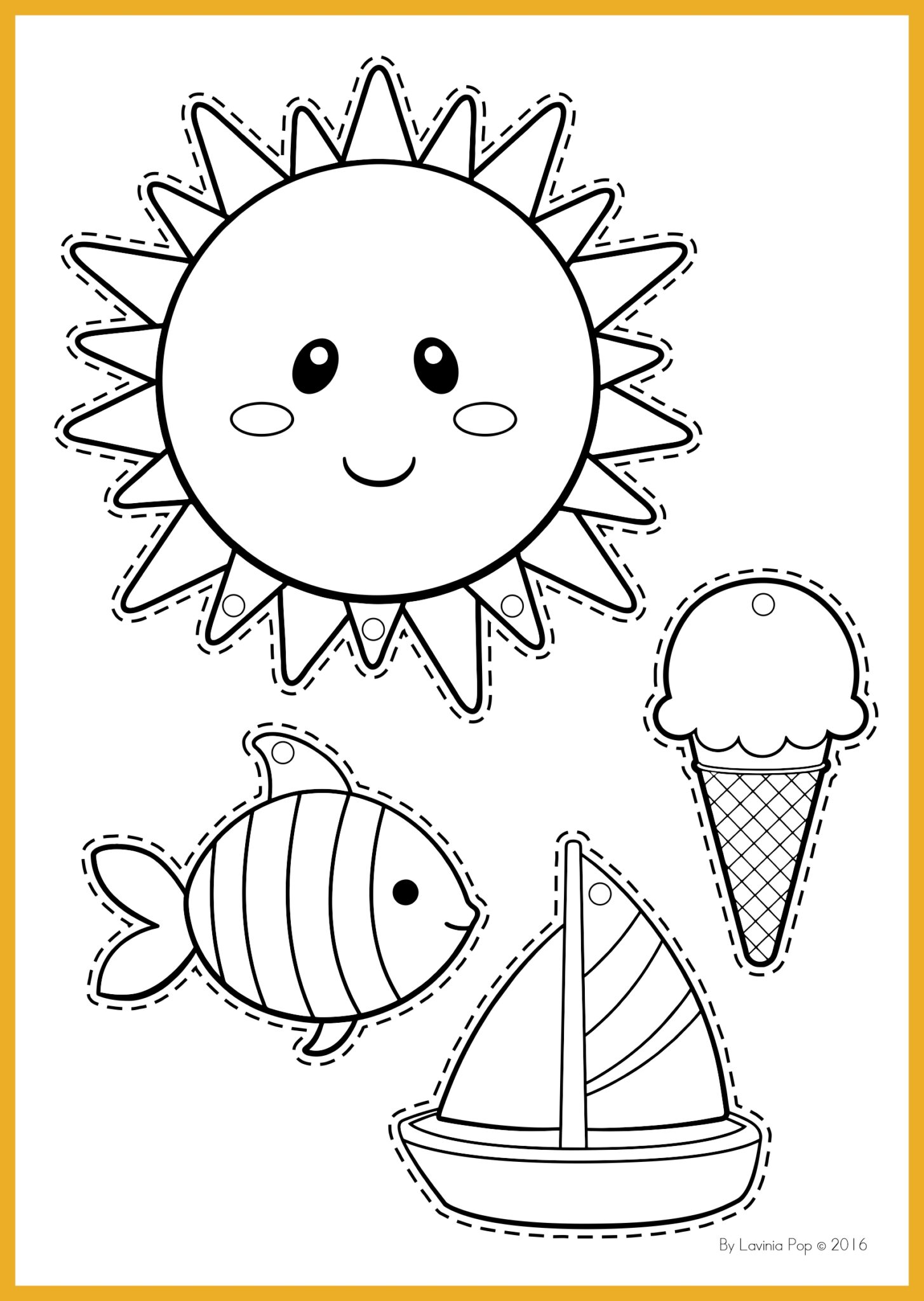
Summer Worksheets For Preschool can transform a hot, restless day into a colorful learning adventure, keeping little minds engaged while parents enjoy a break from the heat. These worksheets blend fun themes—beaches, picnics, ice cream, and summer animals—into educational activities that reinforce foundational skills without feeling like extra work. By integrating creative visuals and interactive tasks, teachers and homeschool parents can provide an enriching, stress‑free summer learning environment that balances play and progress.
Why Summer Worksheets Are Essential for Preschoolers
Summer vacation often feels like a void in a preschooler’s routine, yet continuity in learning keeps development on track. Here’s why thoughtfully crafted summer worksheets matter:
- Skill reinforcement – Repeating core concepts like numbers, letters, and colors solidifies early learning.
- Self‑paced practice – Worksheets let children work independently while parents monitor progress.
- Increased motivation – Bright illustrations and playful contexts maintain excitement for learning.
- Structured flexibility – Parents can tailor activities to fit daily schedules, from a quick lunch break to a longer afternoon session.
Balancing Academic Growth and Play
Summer is a time for exploration. The best worksheets blend academic targets with activities that echo real‑world experiences: counting watermelon seeds on a picnic, matching beach toys to colors, or tracing letters while pretending to build sand castles. By contextualizing lessons in summer settings, children see learning as part of everyday fun.
Key Topics for Summer Preschool Worksheets
When designing or selecting worksheets, focus on the core developmental areas that preschoolers tackle during the school year. Each topic can be paired with a summer theme to keep engagement high.
Letter Recognition and Writing
Introduce the alphabet in sunny contexts. Use worksheets that ask children to color letters shaped like sunflowers, sand dunes, or ice cream cones. Provide tracing sheets where they can practice writing the letter while following a simple path—an excellent way to improve fine motor skills.
Number Sense and Counting
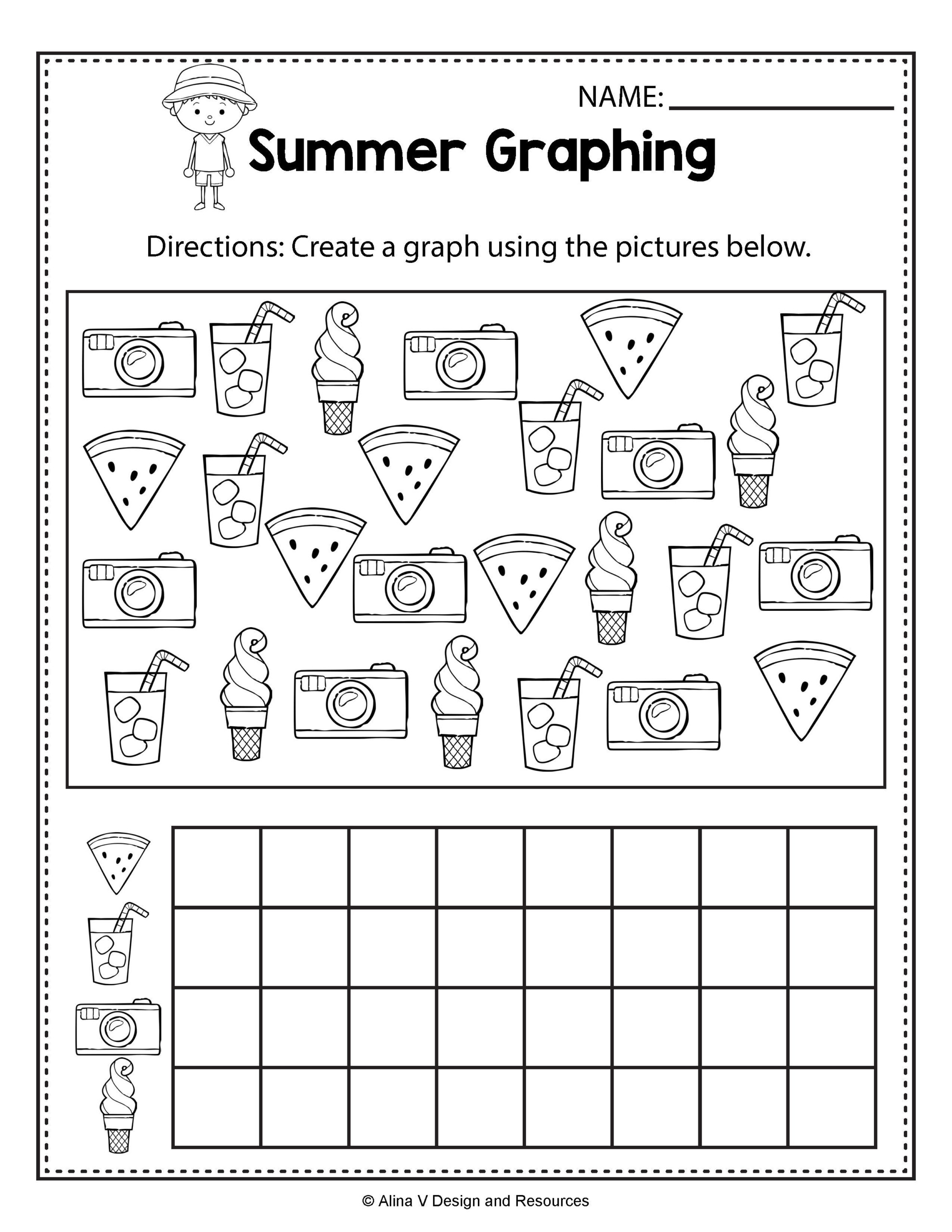
Counting activities work wonders when tied to summer objects: count the number of seashells on a beach, tally the ice cream scoops, or count the steps to climb a hill. Worksheets featuring tally marks and simple addition problems reinforce numeracy in a hands‑on way.
Shapes, Colors, and Patterns
Shape recognition can be integrated into beach scenes—identify circles like beach balls, squares for picnic blankets, or triangles for umbrellas. Color‑matching tasks, such as pairing a pink flamingo to a pink balloon, encourage color identification and discrimination.
Early Reading Skills
Include short, seasonally themed words with corresponding pictures: “sun,” “sand,” “swim.” Use phonetic cues and repetition to build confidence. For advanced readers, add simple sentences such as “The boy swims in the lake” for reading practice.
Social and Emotional Learning
Summer worksheets can subtly introduce topics like sharing, teamwork, and empathy. For example, a worksheet that asks children to choose which character needs help reaching a high summer fruit teaches empathy. Simple story prompts encourage children to think about feelings and actions.
Tips for Crafting Engaging Summer Worksheets
Creating worksheets that capture a child’s imagination involves more than bright colors. Here are practical steps to elevate your summer worksheets:
1. Use Vibrant, Seasonal Imagery
Bright suns, blue waves, and lush green fields instantly evoke summer. When images are vivid, children naturally focus on the task, seeing each worksheet as a mini adventure.
2. Keep Instructions Simple and Direct
Preschoolers thrive on clear, concise guidance. Use short sentences or even simple icons to illustrate steps: “Circle the watermelon” or a picture of a hand pointing to a target.
3. Offer Varied Activities Within One Sheet
Combine a few tasks: a counting section, a coloring spot, and a short matching game. Variety prevents boredom and provides a well‑rounded learning experience.
4. Incorporate Sensory Elements
When possible, add textures or printable stickers. For instance, a “build a sandcastle” worksheet could include a section where children place detachable sand‑colored stickers on a beach backdrop.
5. Align with Learning Objectives
Even in a summer setting, worksheets should meet early childhood educational standards. Map each activity to learning goals, ensuring that the fun doesn’t eclipse foundational skills.
How to Use Summer Worksheets at Home or in Class
The flexibility of worksheets allows them to fit into diverse routines. Below are practical ways to integrate them:
Daily Mini‑Sessions
Set aside a 10‑minute slot each day for worksheet work. This routine keeps learning consistent while respecting children’s energy levels. Rotate themes—one day counting, another day coloring—to maintain variety.
Outdoor Learning Opportunities
Print worksheets and bring them outside for a “summer camp” feel. For example, let kids use a worksheet to count real sea shells while walking along a beach. The real‑world connection reinforces the abstract numbers or letters.
Parent‑Child Collaboration
Work on worksheets together to strengthen bonding and improve comprehension. Parents can read aloud while children trace letters, turning a solitary activity into a shared experience.
Incorporate Technology Wisely
Digital versions allow interactive features like drag‑and‑drop or voice prompts. Use them sparingly to avoid screen fatigue—pair digital worksheets with printed copies for balance.
Sample Summer Worksheet Ideas
Below are a few ready‑to‑print concepts that you can adapt or expand upon:
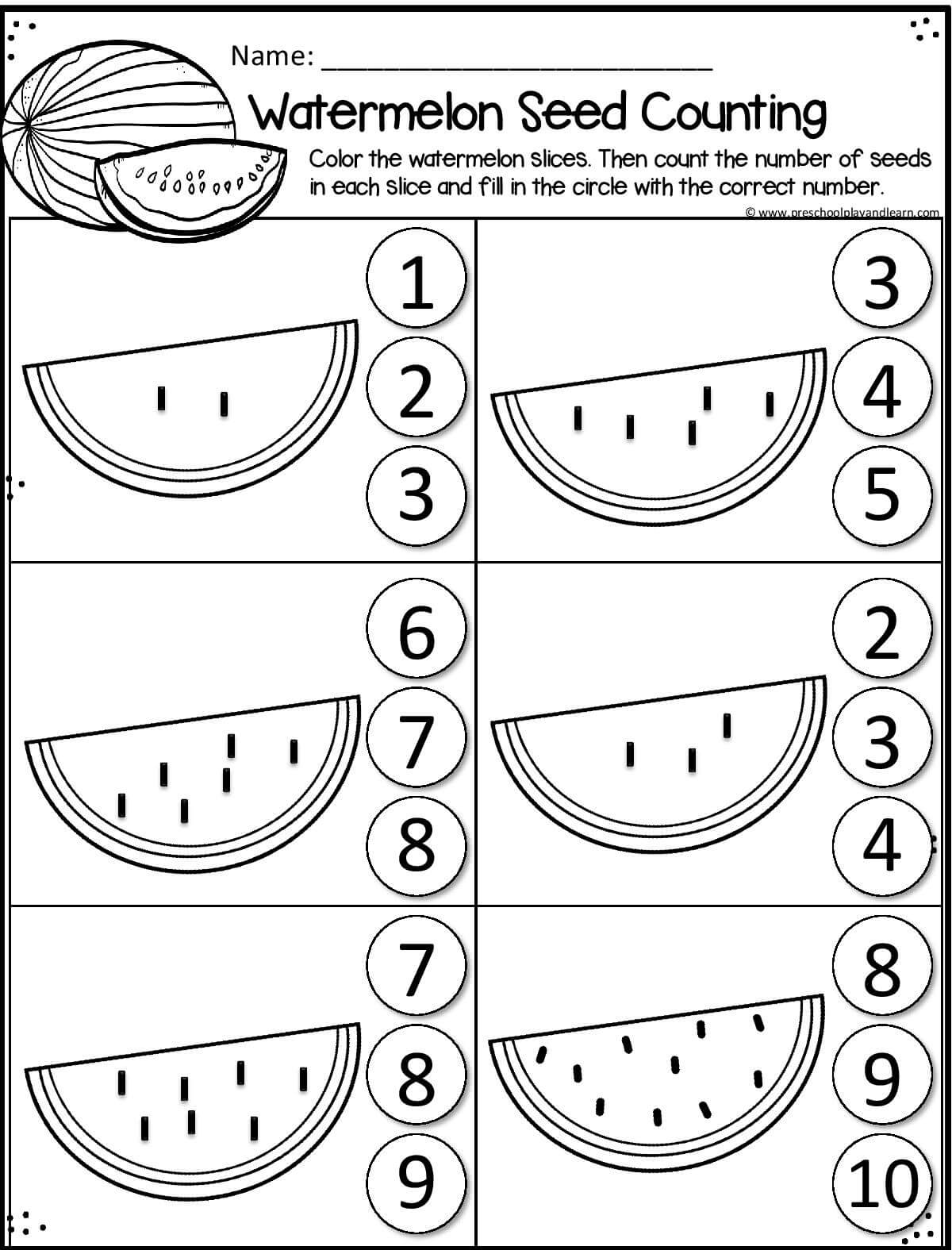
Watermelon Seed Count
Students count seeds in a watermelon image, then write the number. This activity blends counting, number writing, and real‑world context.
Beach Ball Color Sort
Provide a set of colored beach ball illustrations and ask children to group them by color. It reinforces color recognition and sorting skills.
Sandcastle Shape Hunt
Show a sandcastle with various shapes (triangles, rectangles, circles). Ask children to trace each shape on a blank sheet, helping with shape recognition.
Sun‑Shine Story Starter
Present a picture of a child on a sunny day and give a sentence starter: “Today I ___ in the park.” Children write or dictate their own endings, encouraging early writing and imagination.
Water Play Vocabulary Bingo
Create a bingo card with summer terms—“wave,” “umbrella,” “sand.” Each child marks a word when it is mentioned during a group reading session. This promotes vocabulary expansion and listening skills.
Common Mistakes to Avoid
Even well‑intentioned worksheets can fall short if they contain certain pitfalls. Here are the most frequent errors and how to avoid them:
Overloading with Complex Text
Preschoolers have limited reading capacity. Keep language simple and avoid dense paragraphs. Use images to support meaning.
Neglecting Cultural Relevance
Include diverse characters and scenarios so every child sees themselves represented. For instance, include children of varied backgrounds playing on a sunny playground.
Ignoring Fine Motor Development
Design tasks that are achievable—large circles for tracing, thick lines for coloring. Avoid tasks that require too much precision, as they can frustrate young learners.
Measuring Success and Adjusting Difficulty
Observe how children respond to worksheets. If they finish too quickly, increase complexity by adding more steps or integrating simple problem‑solving. If they struggle, simplify or add visual cues. A good rule is to let the worksheet’s challenge match the child’s current skill level, with room to grow.
Creating a Summer Worksheet Library
Building a collection of worksheets lets educators and parents offer variety without endless searching. Here’s how to assemble one:
- Category grouping – Organize by skill (letters, numbers, colors) and theme (beach, picnic, backyard).
- Scoring sheets – Include a simple grading sheet to track progress, encouraging a sense of achievement.
- Reusable elements – Design templates where the background stays same but the core activity changes. This saves time and keeps the look consistent.
- Feedback loops – Encourage children to show their completed worksheets to a peer or parent, fostering confidence.
Final Thoughts
Summer worksheets for preschool do more than fill idle time—they become a bridge between the carefree season and foundational learning. By blending colorful themes, simple instructions, and skill‑aligned tasks, parents and teachers can keep children engaged, develop essential abilities, and create memorable summer moments. Whether you print a single sheet or build an entire library, these worksheets transform the warm months into an exciting, educational adventure.








Related posts of "Summer Worksheets For Preschool"
