Short And Long Vowels Worksheets are the unsung heroes of kindergarten classrooms, turning tiny tongue-twisters into giggle-inducing learning moments. Picture a classroom where kids shout “I love my **a**pple” with gusto, then cheerfully switch to “I love my **e**gg” after a quick vowel swap. That’s the power of well‑crafted worksheets – they turn the dreaded vowel chart into a playground of sounds and surprises.
Why Short And Long Vowel Worksheets Should Be Your Sidekick
When you first open a vowel worksheet, it’s like opening a treasure chest. Inside, you’ll find opportunities to: practice phonemic awareness, reinforce spelling patterns, and build confidence in reading fluency. And let’s face it, anyone who’s ever tried to teach a child the difference between “hot” and “hope” knows that a clear, engaging activity can make all the difference. Here’s why these worksheets are a must‑have in your educational arsenal.
1. They Anchor Sound-to-Word Mapping
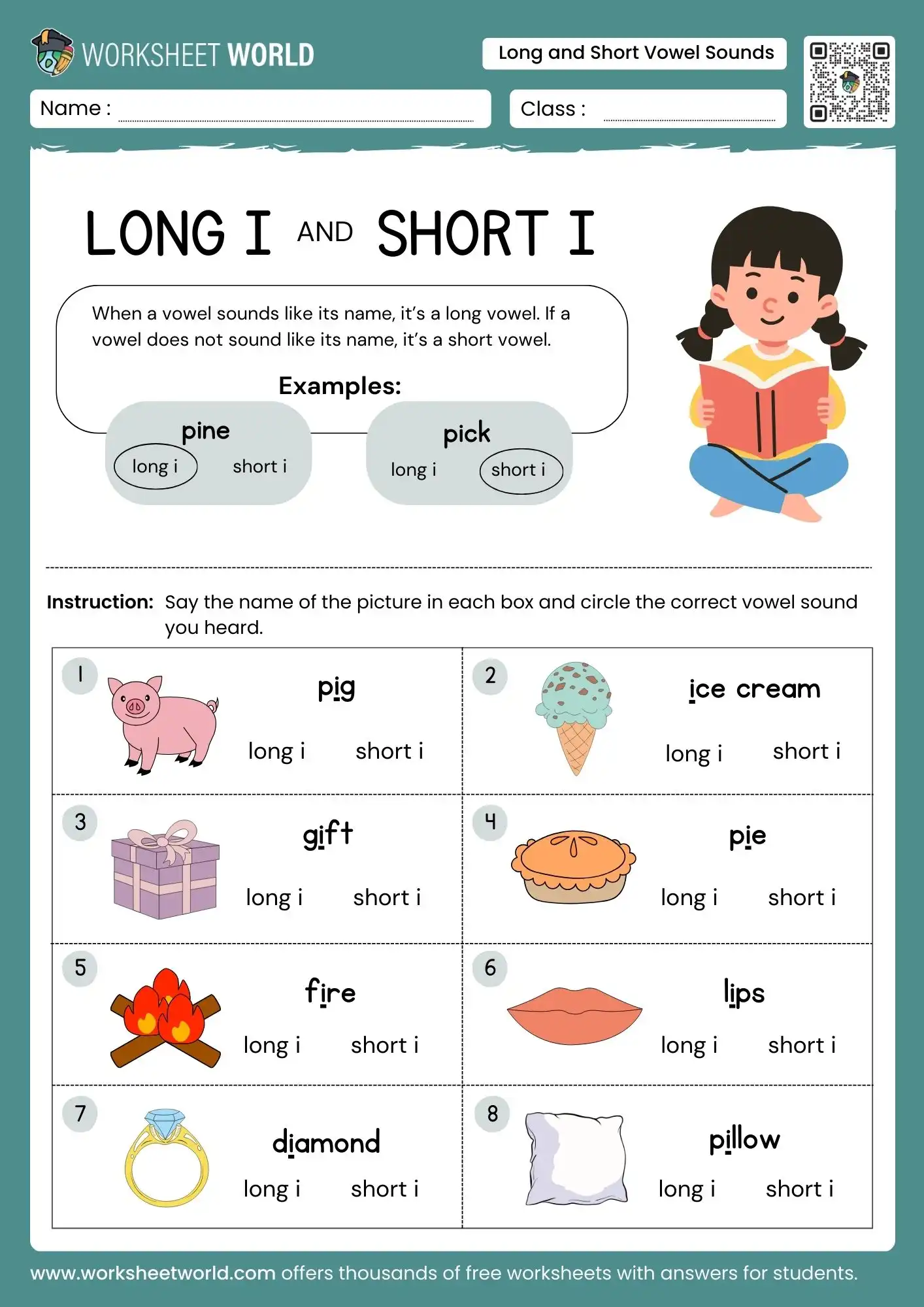
Vowels are the heartbeats of words. Short vowel worksheets help learners identify quick, “snap” sounds like i in “kid” or o in “dog.” Long vowel worksheets, on the other hand, invite the mind to stretch those sounds like a rubber band: a in “cake” or e in “beet.” By repeatedly matching a sound with its visual representation, kids cement the link that allows reading to become automatic.
2. They Promote Pattern Recognition
Children love patterns. A classic short vowel worksheet might ask students to group words with the same vowel sound, creating a “short a” or “short e” squad. Long vowel worksheets often involve the “silent e” rule or “i before e except after c.” These patterns become mental shortcuts, helping kids solve new words on the fly.
3. They Offer Immediate, Fun Feedback
With printable worksheets, teachers and parents can give instant feedback. A simple “yes/no” or a checkmark instantly lets children know whether they’re on the right track. That instant gratification fuels motivation and turns learning into a game of “spot the vowel.”
Creating a Vowel Worksheet that Doesn’t Feel Like Homework
It’s easy for worksheets to feel like tedious tasks, but with a touch of humor and creativity, you can transform them into a classroom carnival. Below are practical steps to design and use worksheets that keep kids laughing while learning.
Step 1: Pick a Theme That Resonates
Choose a fun theme that ties the worksheet to a real‑world context. For example, a “Fruit Frenzy” theme can have students match short vowel words (e.g., ap**p**le, ba**n**ana**) with their long vowel counterparts (e.g., ba**c**k, ba**r**e). Themes help students connect abstract phonics concepts to tangible experiences.
Step 2: Mix Visual and Hands‑On Activities
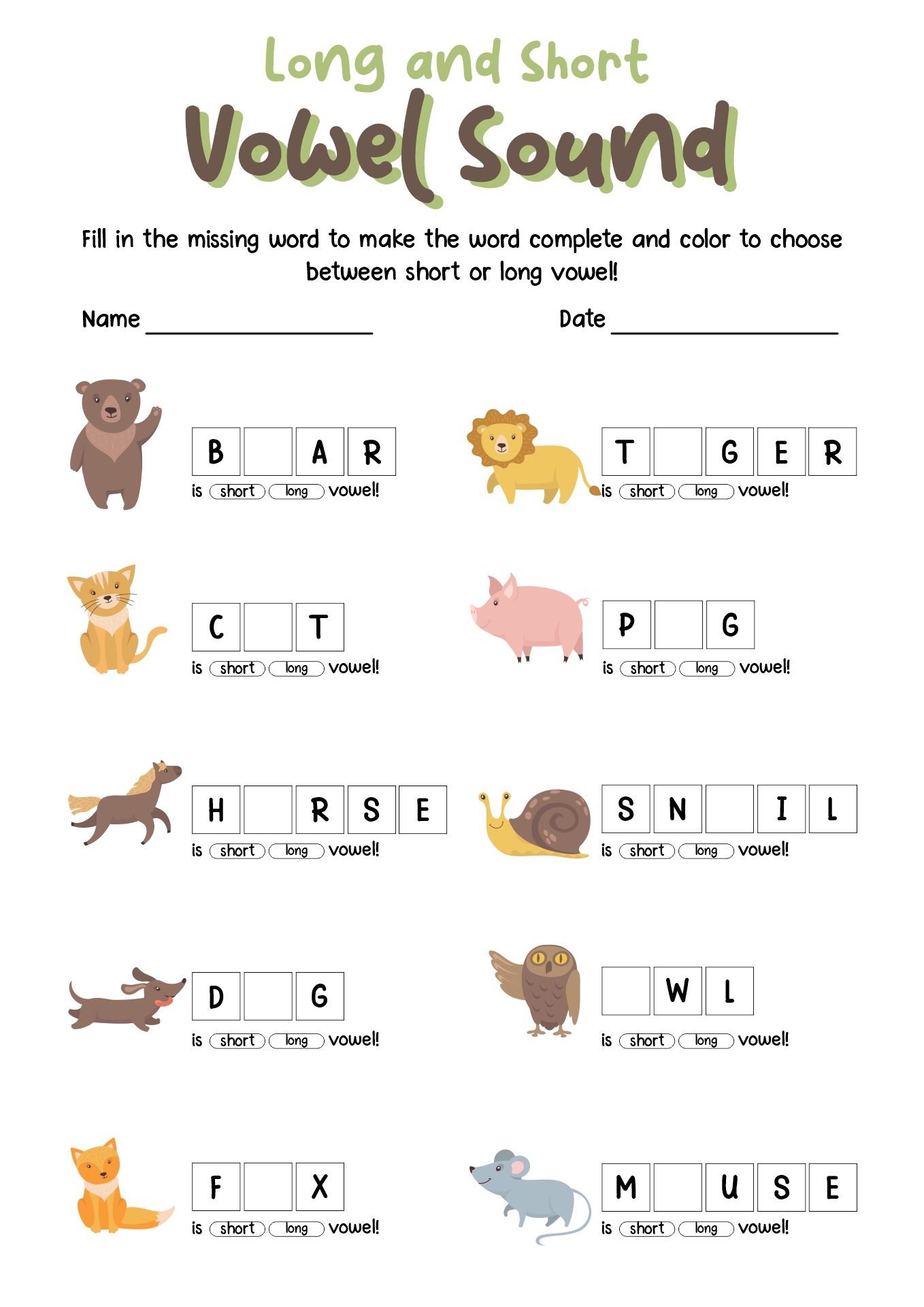
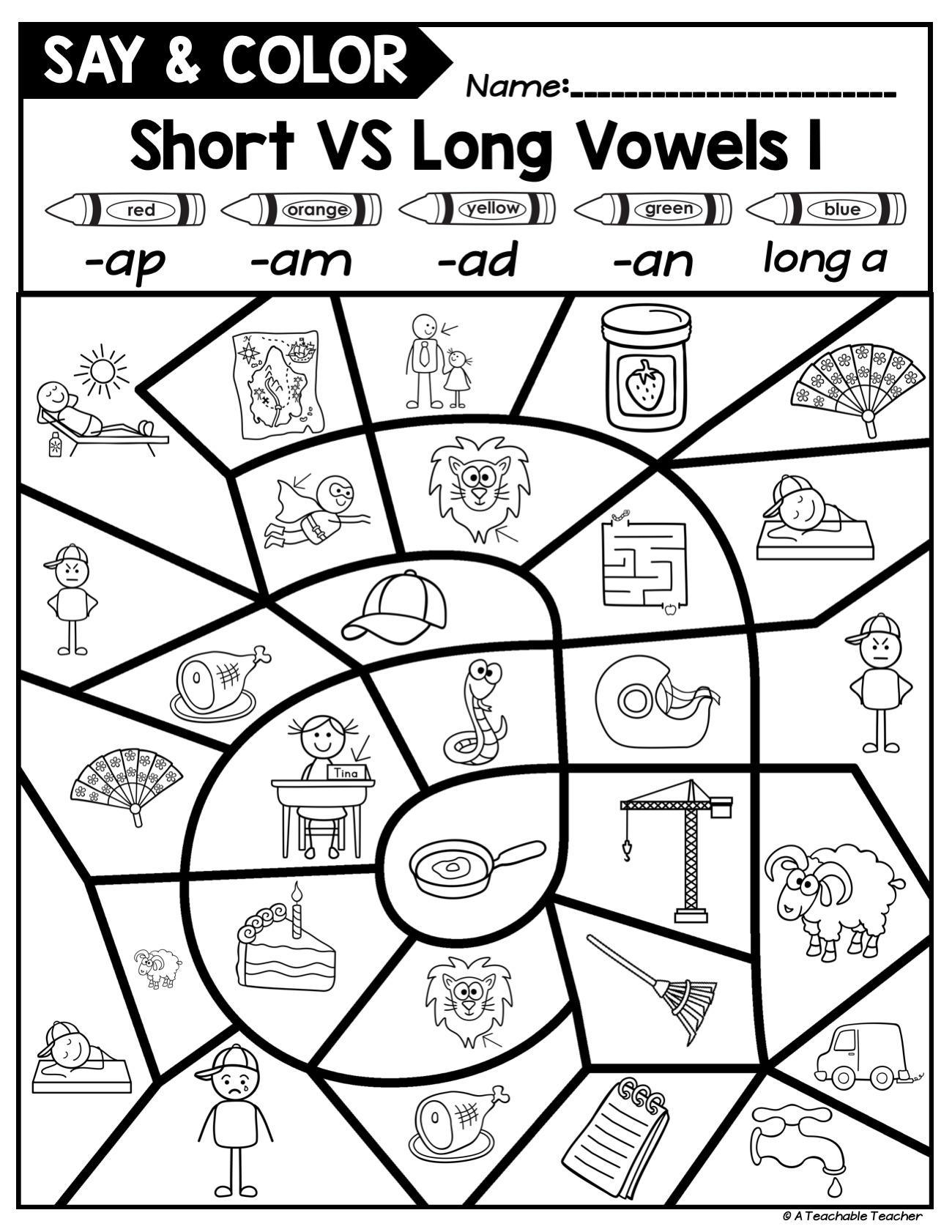
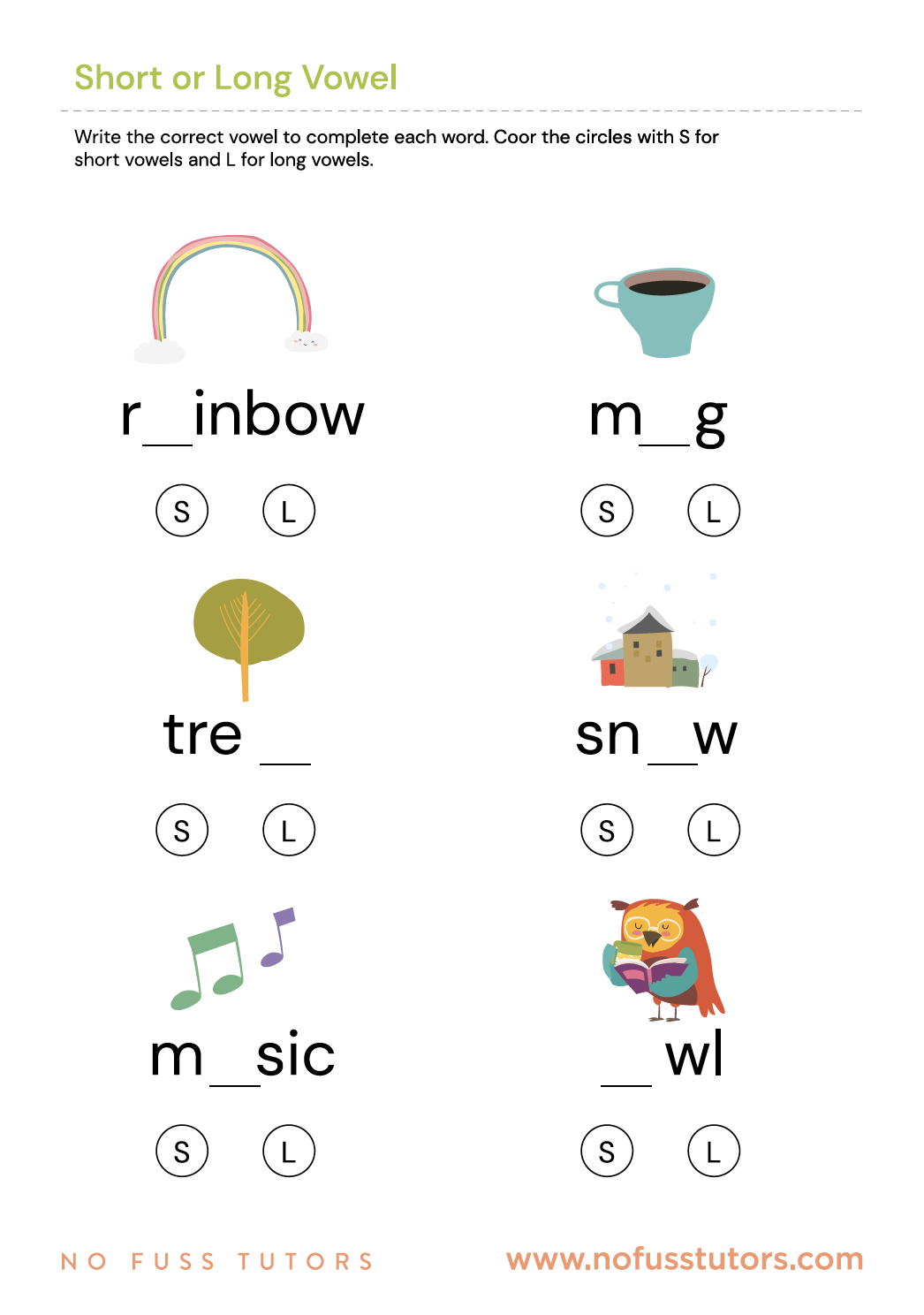
Combine images, colored pencils, and interactive elements. A worksheet that asks children to color the correct vowel sound on a picture board, or to draw a line between the word and its matching picture, engages both visual and motor skills. This multimodal approach caters to diverse learning styles.
Step 3: Use Humor to Lighten the Mood
Insert funny wordplay or punny sentences. For instance, a line like “The **e**lephant’s **e**ars were **e**xcessively **e**xquisite!” forces kids to spot the repeated long vowel. Puns, jokes, or quirky illustrations can create memorable learning moments.
Step 4: Scaffold Complexity Gradually
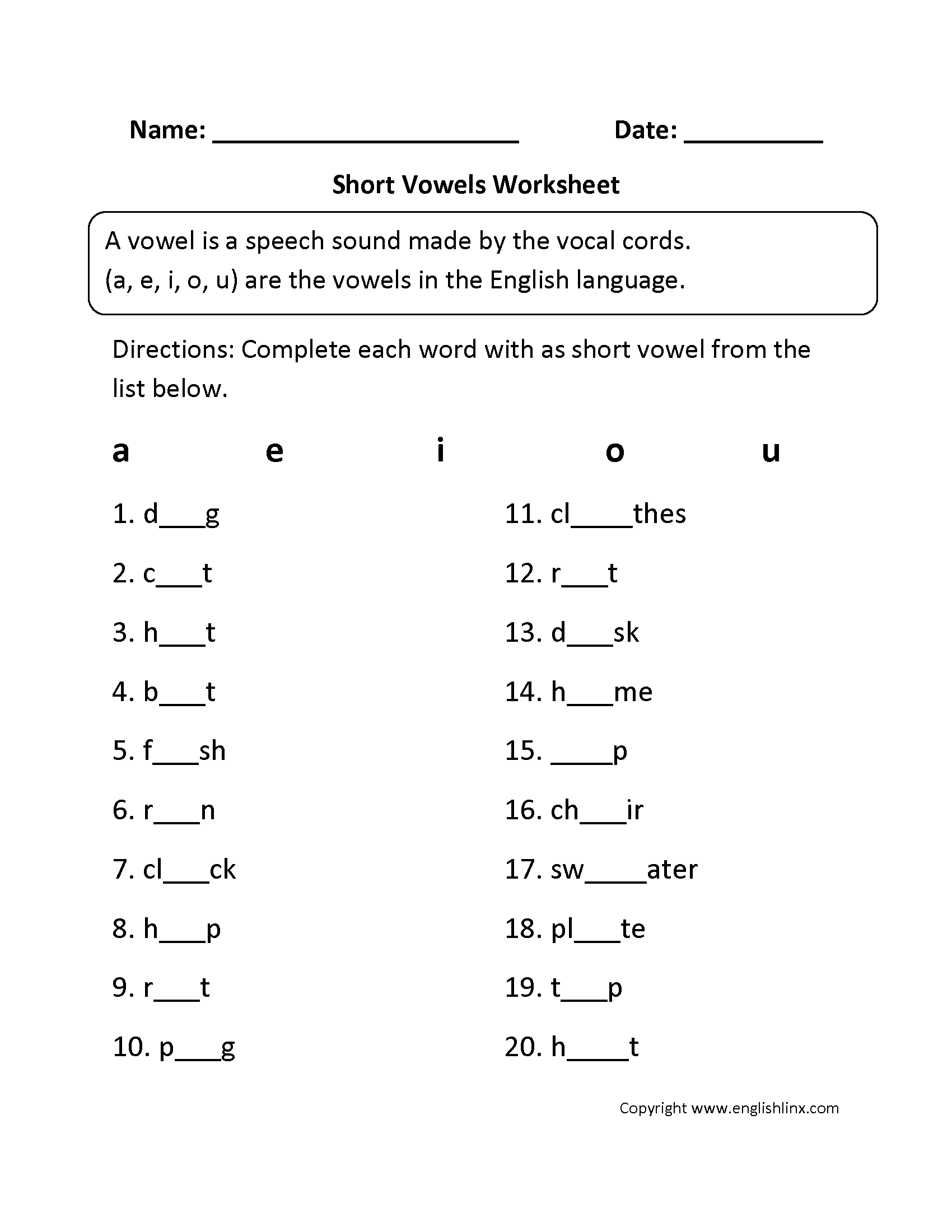
Begin with simple matching games, then progress to fill‑in‑the‑blanks, and finally to sentence construction. Gradual scaffolding ensures that learners build confidence before facing more challenging tasks.
Sample Activities for Short Vowel Mastery
Below is a selection of short vowel worksheet activities that work whether you’re in a classroom or a home setting.
1. “Which Vowel?!” Sorting Game
Create a set of cards with short vowel words and a set of cards with pictures. Students must match each word to the correct picture and label the vowel. For example, match “cat” with a picture of a cat, and write the vowel a.
2. “Vowel Bingo”
Give each child a bingo card filled with short vowel words. Call out a picture or a word, and students mark the matching short vowel word. The first to complete a line wins a small prize like a sticker or extra recess time.
3. “Create Your Own Short Vowel Story”
Provide a sentence starter: “Once upon a time, a little t**a**t**” and ask children to fill in the blanks with short vowel words. This activity encourages creative writing while reinforcing vowel sounds.
Sample Activities for Long Vowel Mastery
Long vowels often require more nuanced rules. The worksheets below help students recognize these patterns with playful engagement.
1. “Silent E Hunt”
Give students a page of words with a silent e, such as “cake” and “hope.” Ask them to underline the silent e and write the long vowel sound. Adding a humorous twist—“Don’t let the silent e hide; it’s the secret sauce!”—makes the exercise less intimidating.
2. “I before E” Challenge
Provide a list of words like “piece,” “believe,” “neighbor.” Have students circle the correct vowel order and then write a sentence using each word. A quick rhyme or chant can help students remember the rule: “I before E, except after C.”
3. “Long Vowel Relay”
Divide the class into teams. Each team gets a card with a long vowel word. They must write a new word with the same long vowel sound and then pass the card. The team that creates the most valid words in a set time wins. This collaborative game emphasizes quick thinking and sound recognition.
Integrating Technology with Vowel Worksheets
While print is powerful, pairing worksheets with digital tools can amplify engagement.
1. Interactive PDFs
Convert worksheets into interactive PDFs where students can click to fill in the answer boxes. This adds a layer of instant feedback and can track progress.
2. Voice‑Activated Games
Apps that play a word and let children record their pronunciation provide auditory reinforcement. When paired with a worksheet, learners can compare their voice to the correct sound.
3. Printable Templates with QR Codes
Embed a QR code that links to a short video demonstrating the vowel sound. Students can scan it with a tablet before completing the worksheet, making the learning experience multimodal.
Assessing Progress Effectively
Assessments are essential but can be stressful. Turn them into a celebratory moment with these tips.
1. Use Color Codes
Have students color the correctly answered cells green and the incorrect ones red. Seeing a rainbow of green instantly boosts morale.
2. Peer Review Sessions
Let students swap worksheets and help each other spot mistakes. Peer learning encourages collaboration and reduces the teacher’s grading load.
3. Track “Vowel Victory” Charts
Create a class chart where each student earns a star for correctly identifying a vowel in each worksheet. Once a student collects ten stars, they unlock a “Vowel Champion” badge.
Common Pitfalls and How to Avoid Them
Even the best worksheets can stumble if not carefully managed. Watch out for these common issues.
1. Overloading with Too Many Vowels
A single worksheet that tries to cover all vowels simultaneously can overwhelm young learners. Instead, focus on one short vowel or one long vowel rule per activity.
2. Neglecting Contextualization
Kids learn best when words are tied to real contexts. Avoid random word lists and instead use stories, images, or everyday scenarios.
3. Forgetting to Celebrate Mistakes
Mistakes are stepping stones. Provide a gentle “try again” environment and use humor to soften the sting of error.
Practical Tips for Parents and Teachers
Here’s a quick cheat sheet for educators and homeschooling heroes.
- Start Small: Begin with 5–10 words per worksheet and expand gradually.
- Keep It Short: A 5‑minute worksheet is more effective than a 20‑minute marathon.
- Make It Interactive: Use sticky notes, cutouts, or magnetic letters to bring words to life.
- Set a Routine: A quick “vowel warm‑up” each day establishes consistency.
- Use Rewards Wisely: Stickers, extra playtime, or a favorite snack can keep motivation high.
Conclusion: The Power of a Well‑Designed Worksheet
When thoughtfully crafted, Short And Long Vowels Worksheets become more than just paper and pencils—they’re gateways to fluency, confidence, and a love for language. By blending humor, clear structure, and interactive elements, you can transform phonics from a tedious drill into a playful adventure. So grab your worksheets, ignite the giggles, and watch your learners become vowel virtuosos in no time. Happy teaching, and may every vowel shout “I’m here!” in the most delightful way.











Related posts of "Short And Long Vowels Worksheets"
