Schedule C Expenses Worksheet is a pivotal tool for any solo entrepreneur, freelancer, or small business owner looking to maximize tax efficiency while ensuring compliance with IRS regulations. By meticulously filling this worksheet, you translate your day‑to‑day business expenses into concrete tax savings, all while maintaining a clear audit trail that aligns with the meticulous standards of both American and Asian business practices.
Understanding Schedule C and Its Importance
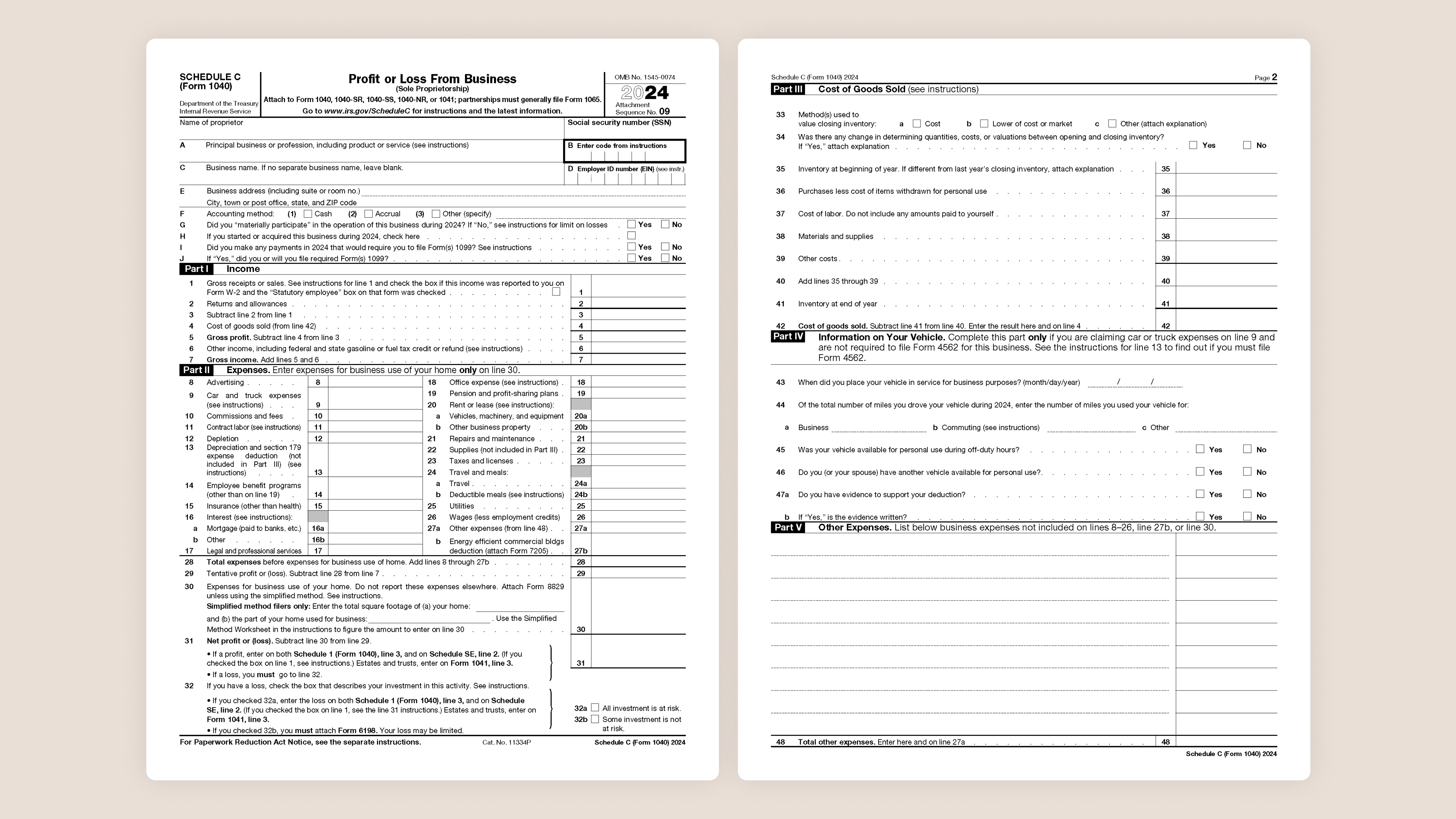
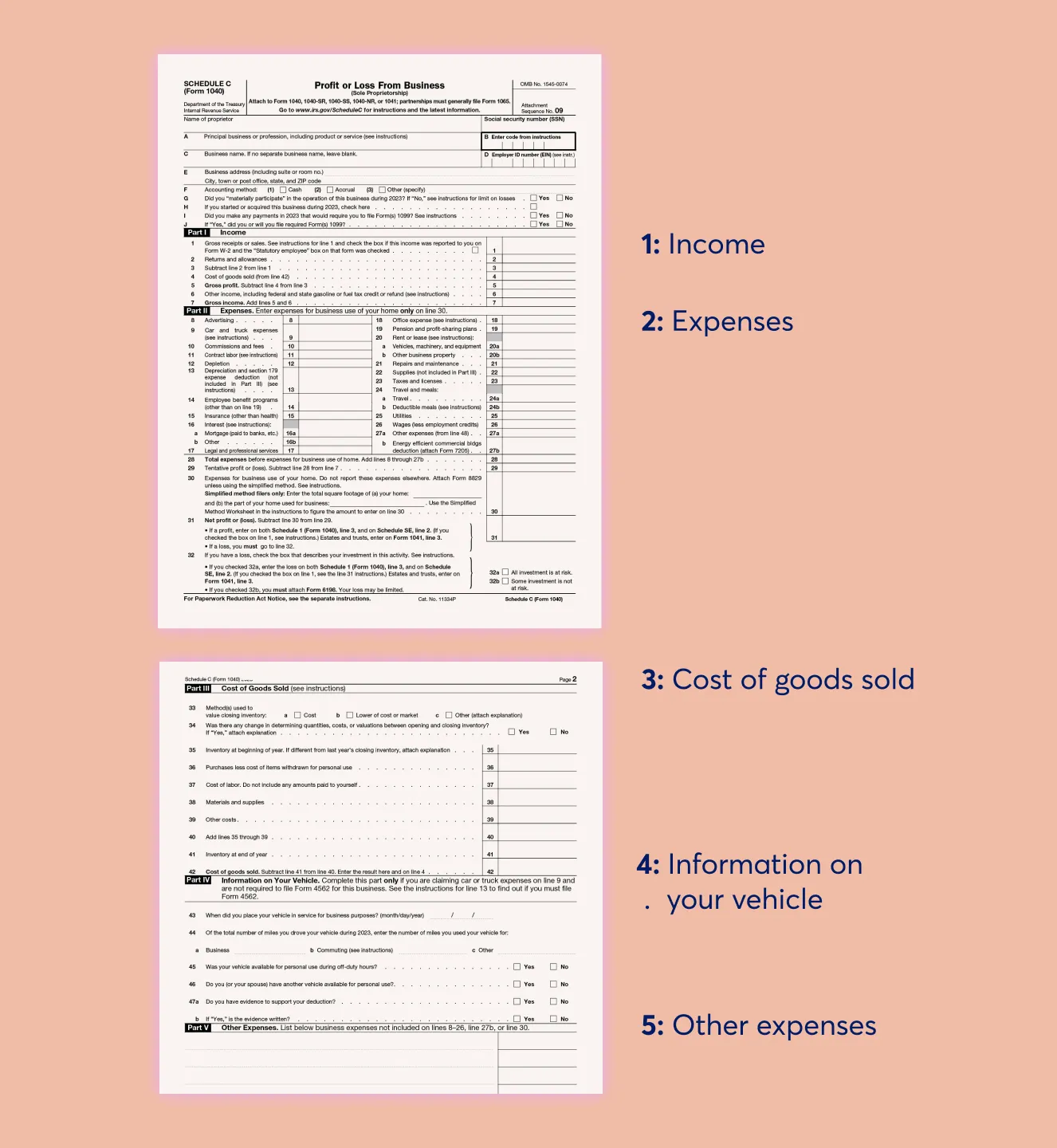
Schedule C, officially titled “Profit or Loss from Business (Sole Proprietorship),” is the form many U.S. small businesses use to report income and expenses. The accompanying Expenses Worksheet is where you itemize and quantify each deduction, ensuring you’re not leaving money on the table. For entrepreneurs who run restaurants, e‑commerce shops, or consulting firms—especially those who appreciate the precision of Asian accounting traditions—this worksheet is more than a form: it’s a strategic asset.
Why Accuracy Matters in an Asian Context
In many Asian cultures, meticulous record keeping is seen as a mark of integrity and long‑term vision. When you adopt this mindset, you not only satisfy IRS requirements but also build a reputation for trustworthiness in your local community and among clients. Accurate expense reporting fosters better decision making, smoother audits, and, ultimately, stronger financial health.
Key Components of the Schedule C Expenses Worksheet
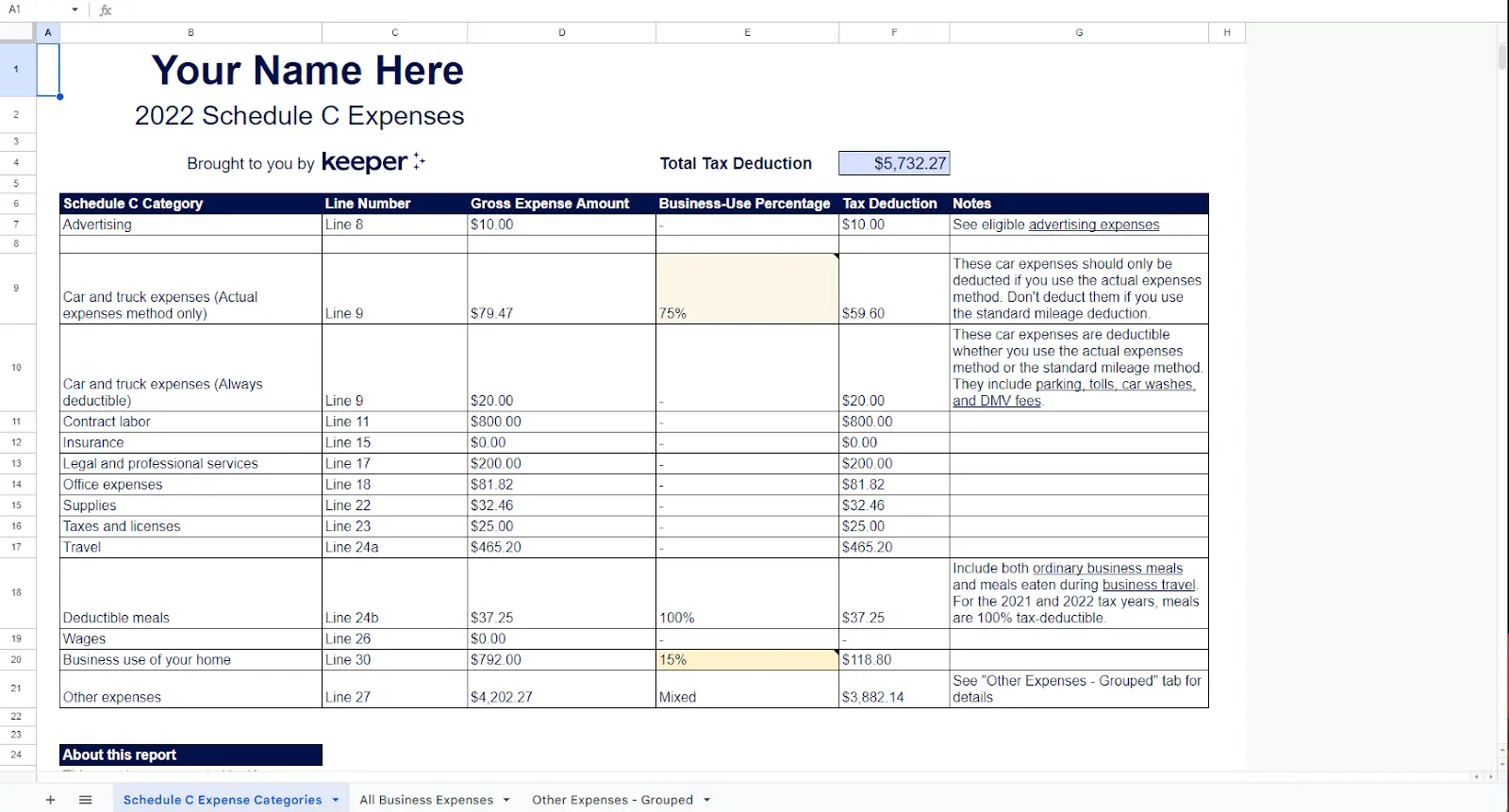
The worksheet is divided into 15 main categories that align with Line items on Schedule C. Understanding each section helps you avoid common pitfalls and ensures every legitimate cost is captured.
- Advertising and Marketing – All promotional spend, from flyers to online ads.
- Banks, Fees, and Interest – Charges on business accounts and loan interest.
- Car and Truck Expenses – Mileage, lease payments, or actual cost method.
- Commissions and Fees – Payments to agents or third‑party platforms.
- Contract Labor – Fees paid to freelancers or subcontractors.
- Depreciation and Section 179 – Capital cost recovery for equipment.
- Employee Benefits – Health insurance, bonuses, or pension contributions.
- Insurance – Business liability, property, or worker’s compensation.
- Legal and Professional Fees – Accountant, attorney, or consultant expenses.
- Office Supplies and Expenses – Stationery, software, and other consumables.
- Rent or Lease of Business Property – Office or retail space.
- Repairs and Maintenance – Upkeep for equipment and facilities.
- Supplies – Raw materials or product ingredients.
- Taxes and Licenses – State taxes, business licenses, and registration fees.
- Travel, Meals, and Entertainment – Business trips and client meals.
- Utilities – Electricity, water, internet, and phone services.
Connecting the Dots: How the Worksheet Transforms into Tax Savings
Each category reduces your net taxable income. For example, a small café owner who spends $4,000 on kitchen equipment can deduct a portion via the Section 179 deduction, immediately reducing taxable earnings. Meanwhile, a freelance graphic designer might leverage home office expenses—an area where Asian businesses often excel in optimizing shared space.
Step‑by‑Step Guide to Completing the Worksheet
Below is a practical walkthrough that mirrors the disciplined approach admired in Asian work culture.
Step 1: Gather All Receipts and Invoices
Keep digital or physical copies for each expense. Use a cloud folder labeled “Business Expenses 2025” or a dedicated bookkeeping app. The goal is to create a single, searchable archive that can be referenced during the filing process.
Step 2: Categorize Each Transaction
Assign each expense to one of the 15 worksheet categories. If unsure, default to “Other Expenses” and revisit during final review. Consistency here mirrors the systematic budgeting practices common in East Asian enterprises.
Step 3: Calculate Totals for Each Category
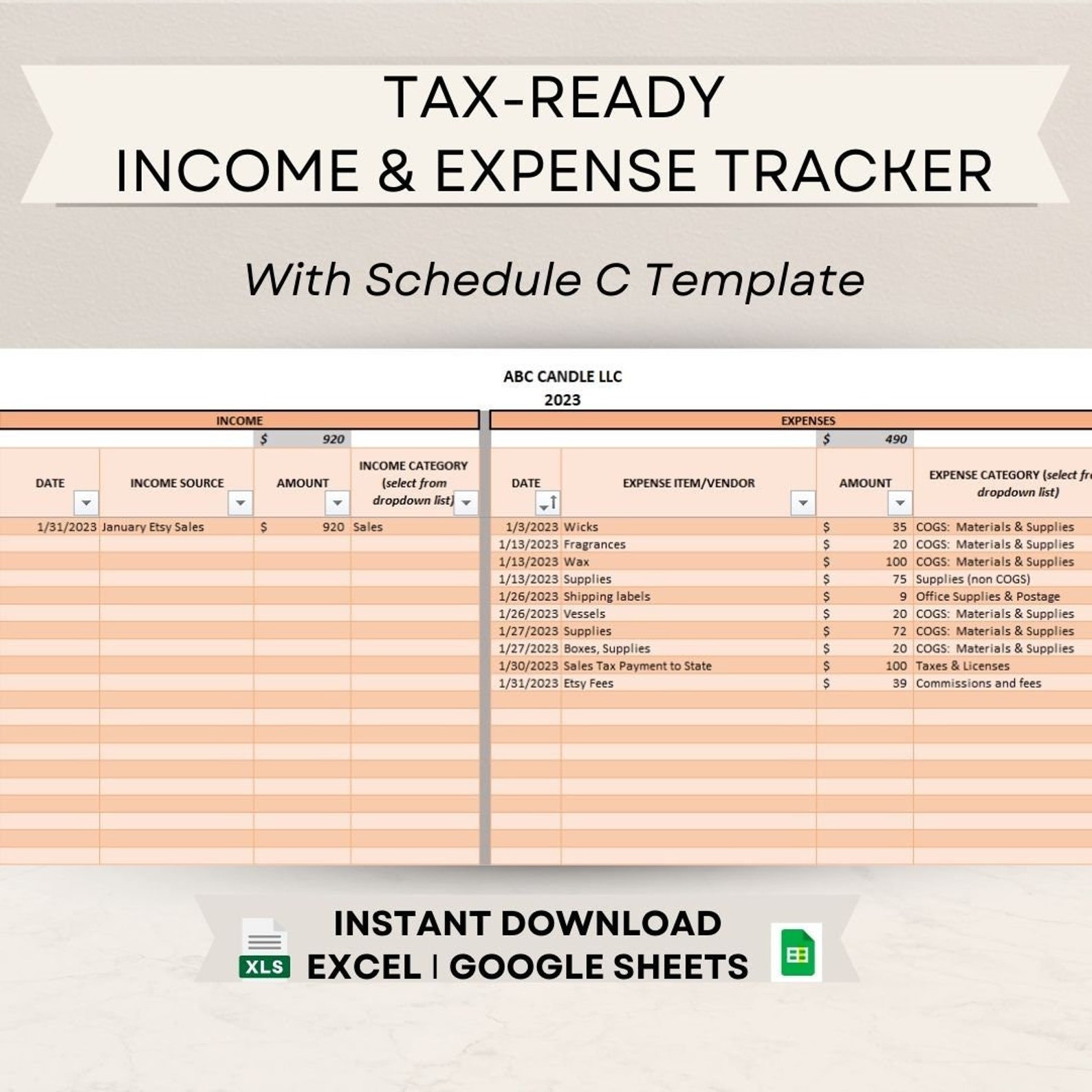
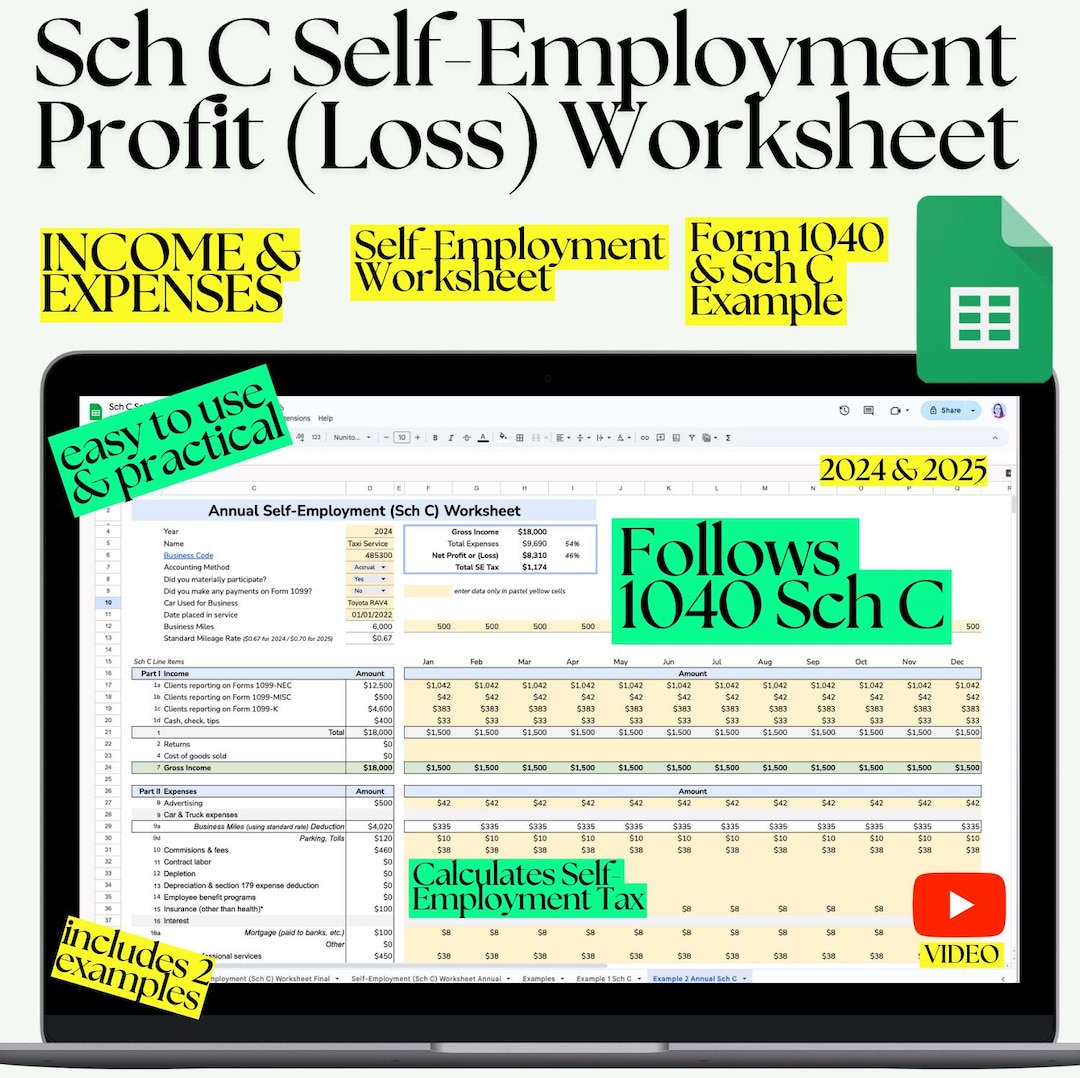
Sum your amounts, ensuring no decimal errors. A simple spreadsheet template—like the one available from reputable sources—helps automate this process and reduces manual calculation errors.
Step 4: Apply Specific Deduction Rules
- For Car and Truck Expenses, choose the standard mileage rate (e.g., 65.5 cents per mile for 2025) or the actual expense method, whichever yields a higher deduction.
- For Travel, Meals, and Entertainment, remember that only 50% of meal expenses are deductible unless they are directly related to a client meeting.
- When using the Home Office deduction, calculate the square footage of your office relative to the entire home space. The IRS allows a maximum of 300 square feet for exclusive use.
Step 5: Cross‑Check With IRS Publication 463 and 529
These publications provide detailed guidance on travel and home office deductions. Cross-referencing ensures your worksheet adheres to current regulations and avoids audit triggers.
Common Deductible Expenses You Might Overlook
Even seasoned entrepreneurs can miss hidden deductions. Below are examples tailored to businesses popular in Asian communities.
1. Cultural Event Sponsorships
Sponsoring local festivals or charity events not only builds brand visibility but also qualifies as advertising expenses. Ensure you keep sponsorship agreements and receipts.
2. Traditional Craft Supplies
For artisans creating silk or ceramic goods, raw material costs—especially those sourced from family farms or regional suppliers—are deductible under Supplies.
3. Language Training and Certification
Courses that improve business language skills or earn professional certifications can be deducted under Other Expenses or Legal and Professional Fees, depending on the context.
4. Community Service Initiatives
When you organize volunteer events or donate to local schools, a portion of the related costs may be claimed as charitable contributions, provided you meet IRS thresholds.
Tips for Maintaining Accurate Records
- Digitize Immediately – Scan receipts within 24 hours and tag them with relevant categories.
- Separate Personal and Business Finances – Even if you use a single bank account, maintain a ledger that distinguishes personal spending.
- Set a Monthly Review Routine – Dedicate a fixed time each month to reconcile bank statements with your worksheet.
- Use Cloud Collaboration – If you employ a virtual assistant, grant them read-only access to your expense database.
- Backup Regularly – Store copies in at least two different secure locations.
Leveraging Technology for Precision
Many small business owners in Asia use integrated accounting solutions like QuickBooks, Xero, or Zoho Books. These tools automatically import credit card transactions, categorize them, and can generate a Schedule C‑ready report with minimal manual input.
How to Transfer Worksheet Data to Your Tax Return
Once your worksheet totals are finalized, you’ll need to transfer the figures to the appropriate lines on Schedule C.
Line 8: Advertising
Enter your total advertising spend from the worksheet’s first category.
Line 9: Car and Truck Expenses
Include mileage deductions or actual vehicle costs, as calculated earlier.
Line 12: Other Expenses
Any residual items that don’t fit neatly into the preset categories should go here. Be careful to avoid duplicating expenses already reported.
Reconcile with Form 1040
The net profit or loss from Schedule C flows into the “Self‑Employment Income” section of your Form 1040, which then affects your overall tax liability and eligibility for self‑employment tax deductions.
Frequently Asked Questions
Can I mix business and personal vehicle use?
Yes, but you must keep a detailed mileage log. The deduction applies only to the business portion of your driving.
What if my business runs from home but also has a separate office?
Use the “Home Office” deduction for the portion of expenses that apply to your home workspace and the “Rent or Lease” category for the external office location.
How often should I update my Worksheet?
Ideally, update it monthly. This approach reduces the risk of errors and keeps you prepared for quarterly estimated tax payments.
Is there a limit to how much I can claim under Section 179?
Yes, the limit changes annually. For 2025, the maximum deduction is $1,160,000, phased out after $2,890,000 of qualifying equipment is purchased.
Conclusion
Mastering the Schedule C Expenses Worksheet is more than a compliance exercise; it’s a reflection of disciplined, culturally resonant business management. By systematically recording, categorizing, and reviewing your expenses—while leveraging technology and staying abreast of IRS guidelines—you unlock meaningful tax savings and strengthen your business’s fiscal foundation. The meticulous attention to detail, echoing the esteemed traditions of Asian entrepreneurship, ensures you stay ahead of the tax curve, safeguard your assets, and ultimately achieve sustainable growth.









Related posts of "Schedule C Expenses Worksheet"
