Reflection Worksheet Pdf With Answers is a powerful resource for educators, students, and anyone looking to master the art of geometric reflection. Designed with clarity and depth, this worksheet offers step-by-step practice, instant feedback, and real-life applications that transform abstract concepts into tangible learning moments.
Why Reflection Matters in Geometry
Geometric reflection is more than a mathematical operation; it’s a foundational tool that mirrors shapes across a line, revealing symmetry, balance, and the underlying structure of space. From architectural blueprints to computer graphics, reflections are integral to design, physics, and problem solving. A well-structured reflection worksheet equips learners with the skills to visualize and calculate these transformations confidently.
Core Concepts Covered
- Identifying reflection lines (horizontal, vertical, and diagonal)
- Determining image points and shapes after reflection
- Using coordinates to calculate reflected points
- Applying reflections to solve real-world geometry problems
Structure of the Reflection Worksheet Pdf With Answers
The worksheet is thoughtfully organized to guide students from basic principles to advanced applications. Each section builds on the last, ensuring a progressive learning curve.
Section 1: Introduction to Reflection Lines
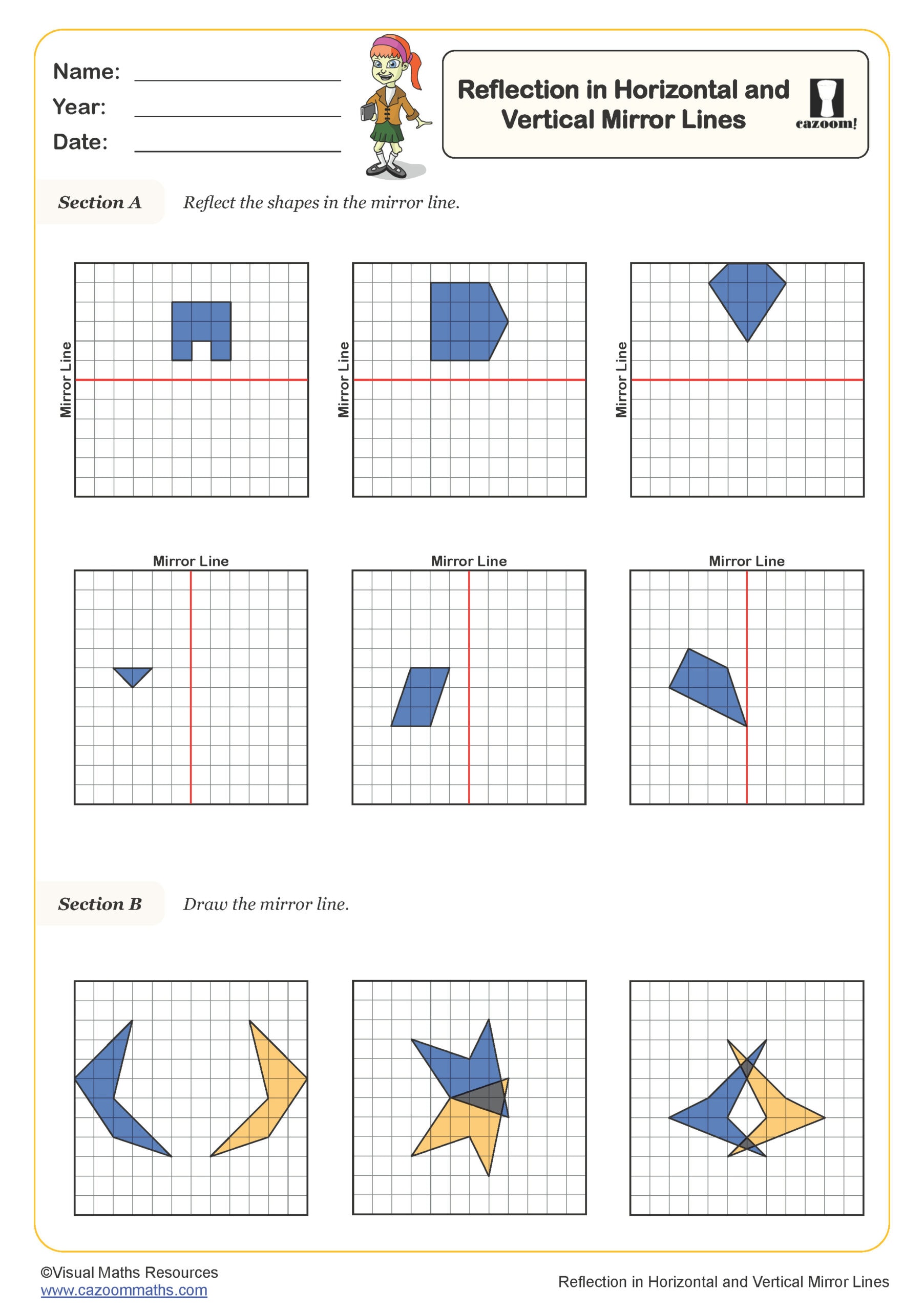
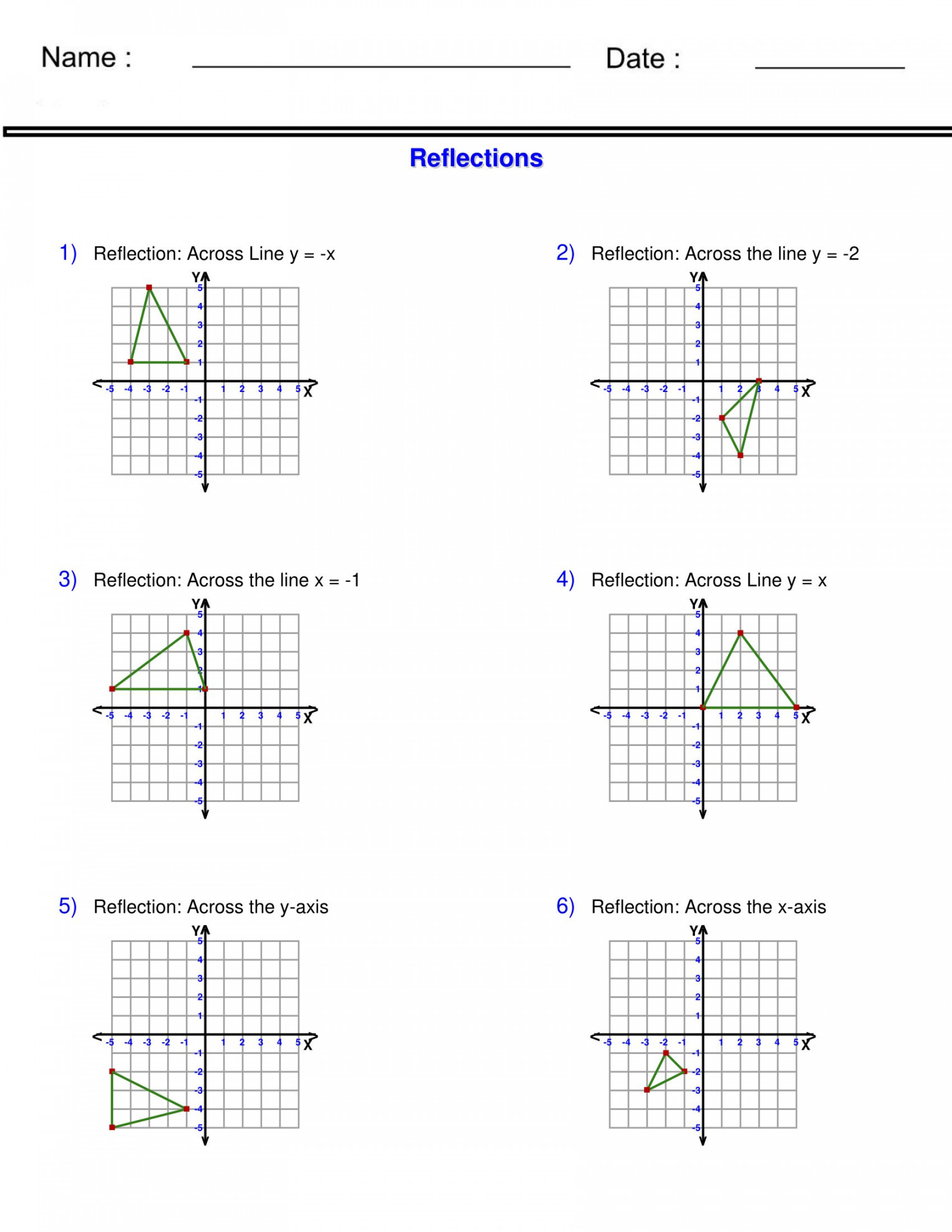
Beginners start with a visual diagram of a standard Cartesian plane, marked with horizontal (y-axis), vertical (x-axis), and a diagonal mirror line. Questions in this section prompt students to identify which line a given shape is reflected across.
Section 2: Point Reflection Exercises
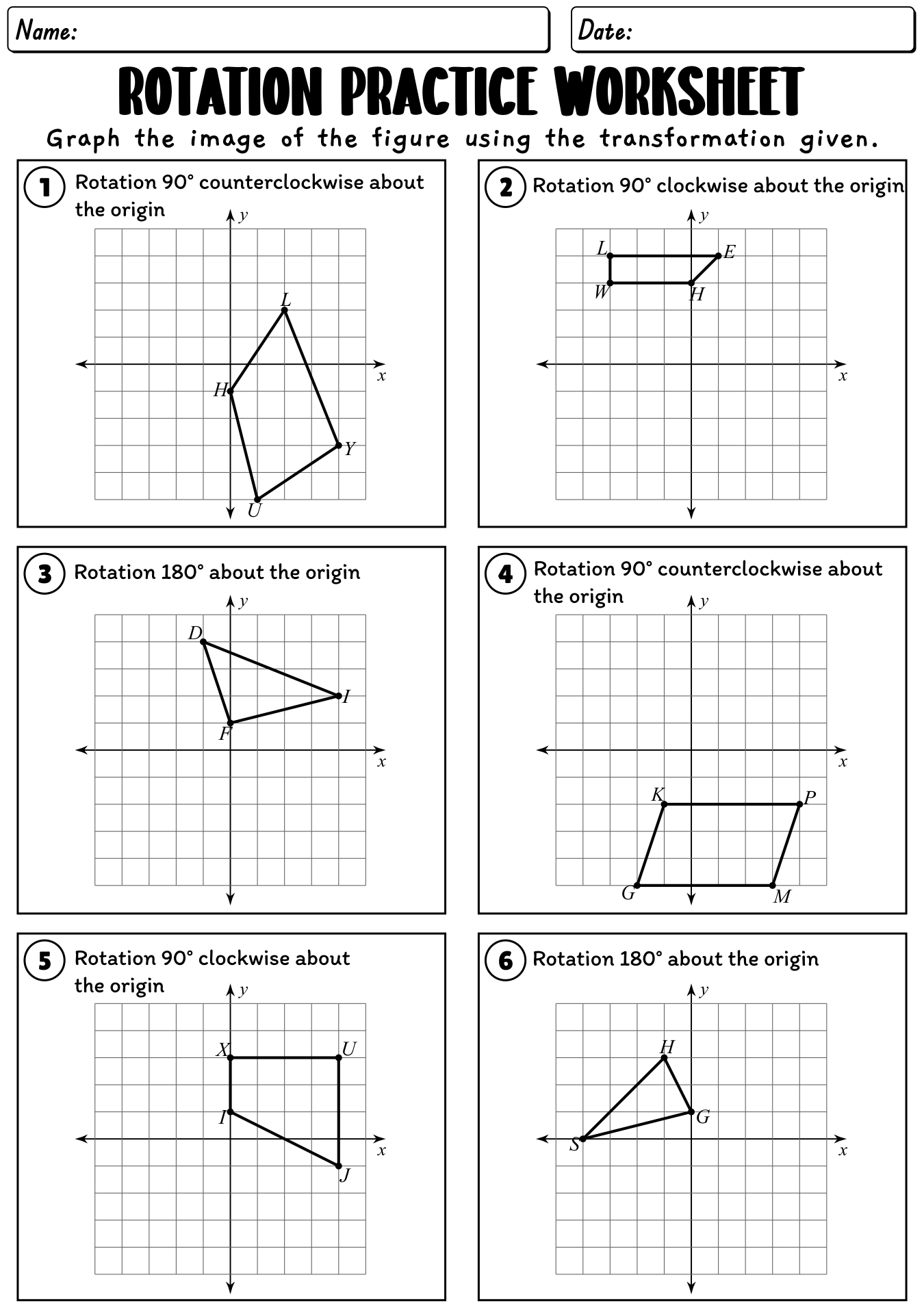
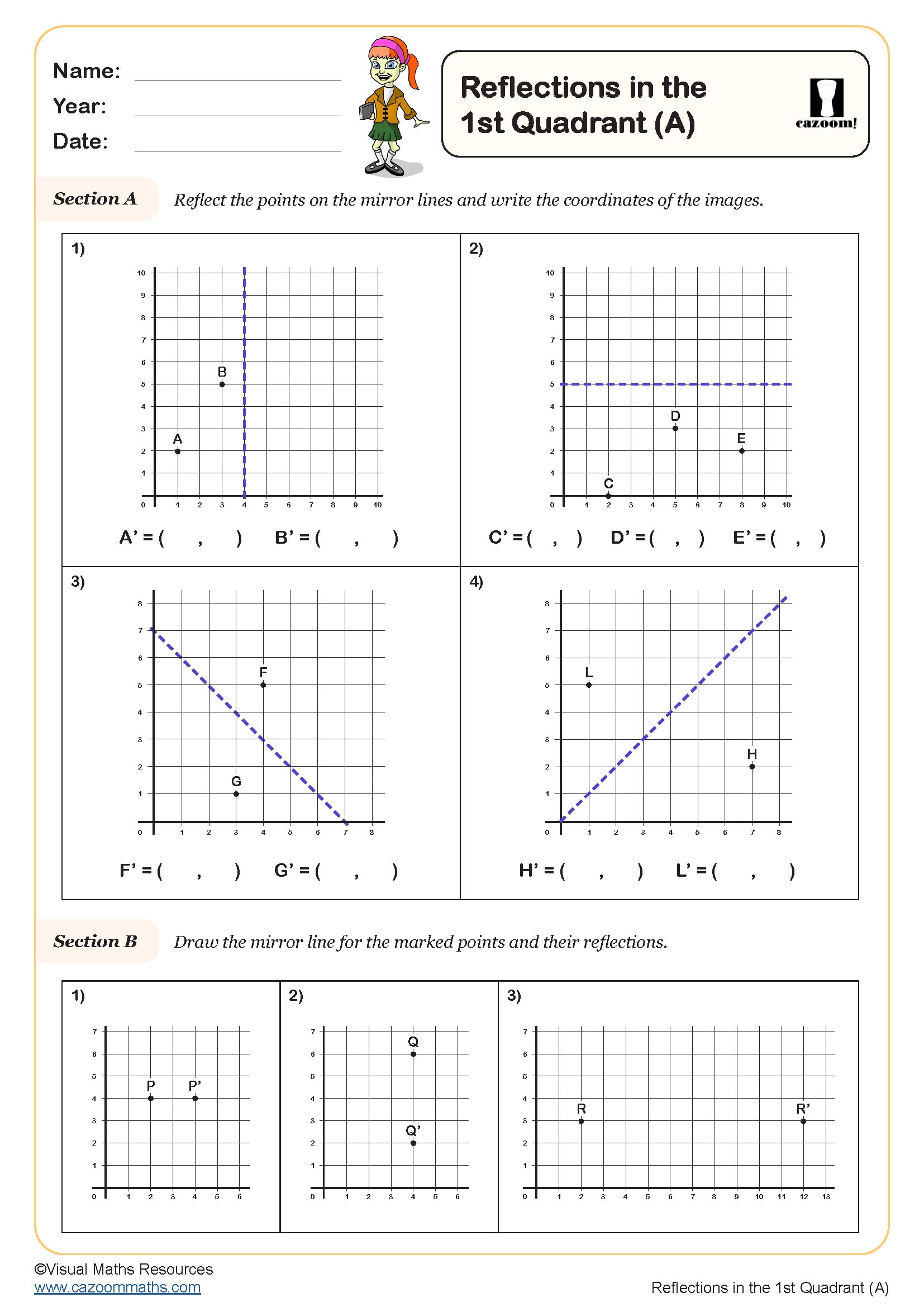
Students are presented with coordinates of points and asked to calculate their reflected positions. The answer key uses step-by-step explanations, reinforcing the algebraic relationships.
Section 3: Shape and Polygon Reflections
This portion expands the scope to triangles, rectangles, and irregular polygons. The worksheet challenges learners to draw the reflected shape on a grid, fostering spatial reasoning.
Section 4: Real-World Application Problems
To illustrate relevance, problems involve reflecting street maps, mirroring architectural designs, and simulating light paths. Answers demonstrate how reflection concepts translate to practical scenarios.
Section 5: Advanced Topics & Challenge Problems
For those seeking deeper mastery, this section introduces composite reflections and reflections combined with translations or rotations.
Benefits of Using the Reflection Worksheet Pdf With Answers
Incorporating this worksheet into lesson plans offers multiple advantages:
- Instant Feedback: The built-in answers allow self‑assessment, reducing reliance on teacher correction.
- Visual Learning: Diagrams help students internalize the mirroring process.
- Skill Reinforcement: Repeated practice consolidates coordinate calculations and shape properties.
- Adaptability: Teachers can modify the worksheet for different grade levels or learning objectives.
- Time Efficiency: Ready-to-use PDF format saves preparation time and ensures consistency.
How to Maximize Learning Outcomes
Below are actionable steps to integrate the worksheet into your teaching toolkit.
Step 1: Preview the Content
Before handing out the worksheet, walk through each section, highlighting key reflection rules and common pitfalls.
Step 2: Use Guided Practice
Initially, solve a few problems together as a class, emphasizing the logic behind each answer. Encourage students to explain their reasoning.
Step 3: Independent Work with Checkpoints
Assign the worksheet for independent completion. After every subsection, provide a short quiz or reflection prompt to reinforce retention.
Step 4: Peer Review and Discussion
Facilitate a peer‑review session where students compare solutions and discuss alternative methods. This collaborative approach deepens conceptual understanding.
Step 5: Apply to Real-World Projects
Encourage students to create a reflection-based project, such as designing a symmetrical pattern or modeling a mirror image in a digital drawing tool. The worksheet’s real-world problems can serve as inspiration.
Incorporating Technology
While the PDF is a static resource, pairing it with dynamic tools amplifies learning.
Geogebra Integration
Use Geogebra to animate reflections. Students can drag points and observe how their images move in real time.
Interactive Apps
Apps like Desmos allow students to plot shapes and instantly see reflections across various lines.
Digital Annotation Tools
With tools like PDF annotators or Microsoft OneNote, learners can highlight, color-code, and annotate answers for better memory retention.
Customizing the Worksheet
Adapt the content to fit diverse learning styles or curricular needs.
- Adjust Difficulty: Simplify coordinate values for beginners, or introduce three‑dimensional reflections for advanced classes.
- Theme Changes: Replace generic shapes with culturally relevant images (e.g., famous landmarks).
- Language Options: Translate instructions into other languages for bilingual classrooms.
Common Challenges and How to Overcome Them
Reflection problems often confuse students due to sign changes or misidentifying mirror lines. Here’s how to address these issues:
Misinterpreting Axis of Reflection
Clarify that a vertical line (x = constant) flips the x‑coordinate while keeping the y‑coordinate unchanged, and vice versa for horizontal lines.
Sign Errors in Coordinate Calculations
Use mnemonic devices: “Same sign for horizontal, opposite for vertical.” Encourage double-checking calculations.
Difficulty Visualizing the Image
Practice sketching by hand before using digital tools. Repetition builds spatial intuition.
Student Success Stories
Teachers report improved test scores and heightened confidence when the worksheet is paired with reflective practice sessions. One student noted, “Seeing the answer step-by-step helped me understand why my calculation was wrong, not just that it was wrong.” These anecdotes underline the worksheet’s effectiveness as a learning aid.
Conclusion: Empowering Geometry Learners
Through its comprehensive coverage, immediate answers, and real-world relevance, the Reflection Worksheet Pdf With Answers is an essential asset for mastering geometric transformations. By incorporating guided practice, technological tools, and customized projects, educators can transform a simple worksheet into a dynamic learning experience. Whether you’re a teacher seeking to reinforce classroom concepts or a student aiming to sharpen your skills, this resource provides the clarity and confidence needed to excel in the study of reflections.









Related posts of "Reflection Worksheet Pdf With Answers"
