Probability Worksheets Grade 7 are like the ultimate cheat sheet for turning everyday guessing games into a math party. Imagine your kid flipping a coin to decide lunch, rolling dice for board games, or picking a random pizza topping, all while secretly mastering probability. In this post, we’ll laugh, learn, and turn those worksheets into a playground of numbers and jokes that will have your 7th‑grader shouting “I got this!” like a superhero who finally figured out their secret power.
Why Grade 7 Probability Can Be a Laughing Matter
Picture a classroom where every question feels like a riddle wrapped in a mystery inside a statistical puzzle. That’s the vibe of Probability Worksheets Grade 7. They’re not just about fractions and decimals; they’re about making sense of chance in a world that feels like a cosmic roulette wheel. By mastering these worksheets, students learn to predict outcomes, evaluate risks, and, most importantly, keep their sanity when Aunt Maya’s “lucky” dice roll always lands on six.
The Science Behind the Smirk
- Probability is essentially the science of “what’s the chance it’ll happen?” Think of it as a detective agency where the suspects are numbers.
- In Grade 7, the focus is on simple events, compound events, independent events, and the basic formulas that make everything feel like a well‑organized comedy sketch.
- Students learn to convert everyday experiences—like rolling a pair of dice—to formal mathematical language, turning ordinary moments into data-driven decisions.
Why It’s Hilariously Useful
Probability helps explain why your cat always chooses the most inconvenient spot to nap, why your favorite pizza place runs out of pepperoni on Wednesdays, and why the school cafeteria’s “healthy lunch” still ends up being the least popular choice. When kids see the math behind these phenomena, the classroom turns into a comedy club where numbers are the punchlines.
Core Concepts You’ll Master
Before you dive into worksheets that look more like treasure maps than worksheets, let’s unpack the main concepts. Think of these as building blocks that will make you a probability wizard.
Basic Terminology
Understanding terms such as event, outcome, sample space, and probability is essential. Picture a “sample space” as a giant pizza topping list—every slice (outcome) matters.
Simple vs. Compound Events
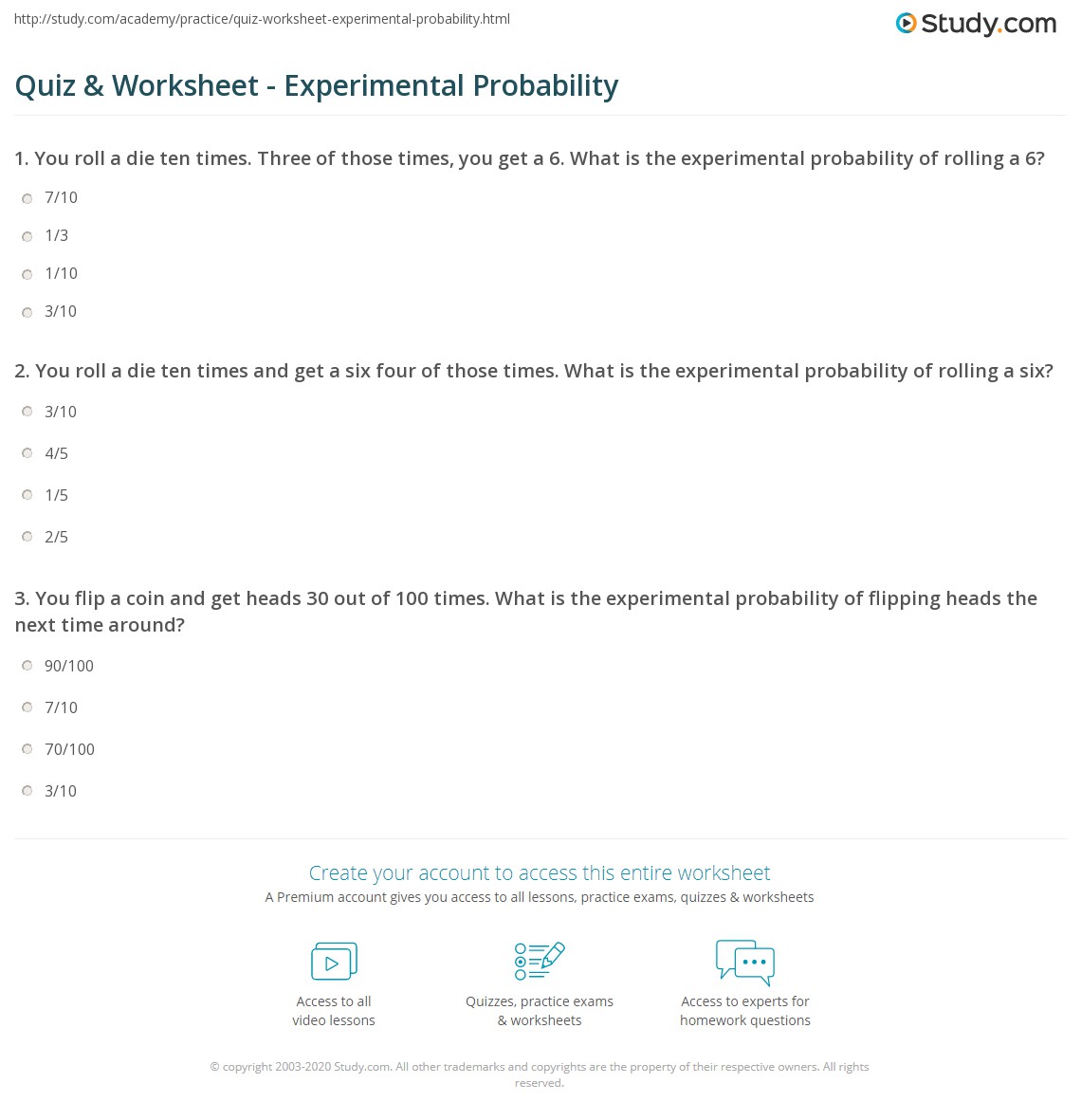
Simple events involve a single outcome, like flipping heads. Compound events combine multiple outcomes, like flipping heads and then rolling a six. Worksheets help students compute both probabilities, often by multiplying or adding fractions.
Independent and Dependent Events
Independent events are like pulling a red marble from a bag and then putting it back—the chance doesn’t change. Dependent events are like pulling marbles without replacement, where each draw changes the odds. These concepts are turned into real-life scenarios (e.g., drawing cards from a deck) to keep students engaged.
Probability Rules
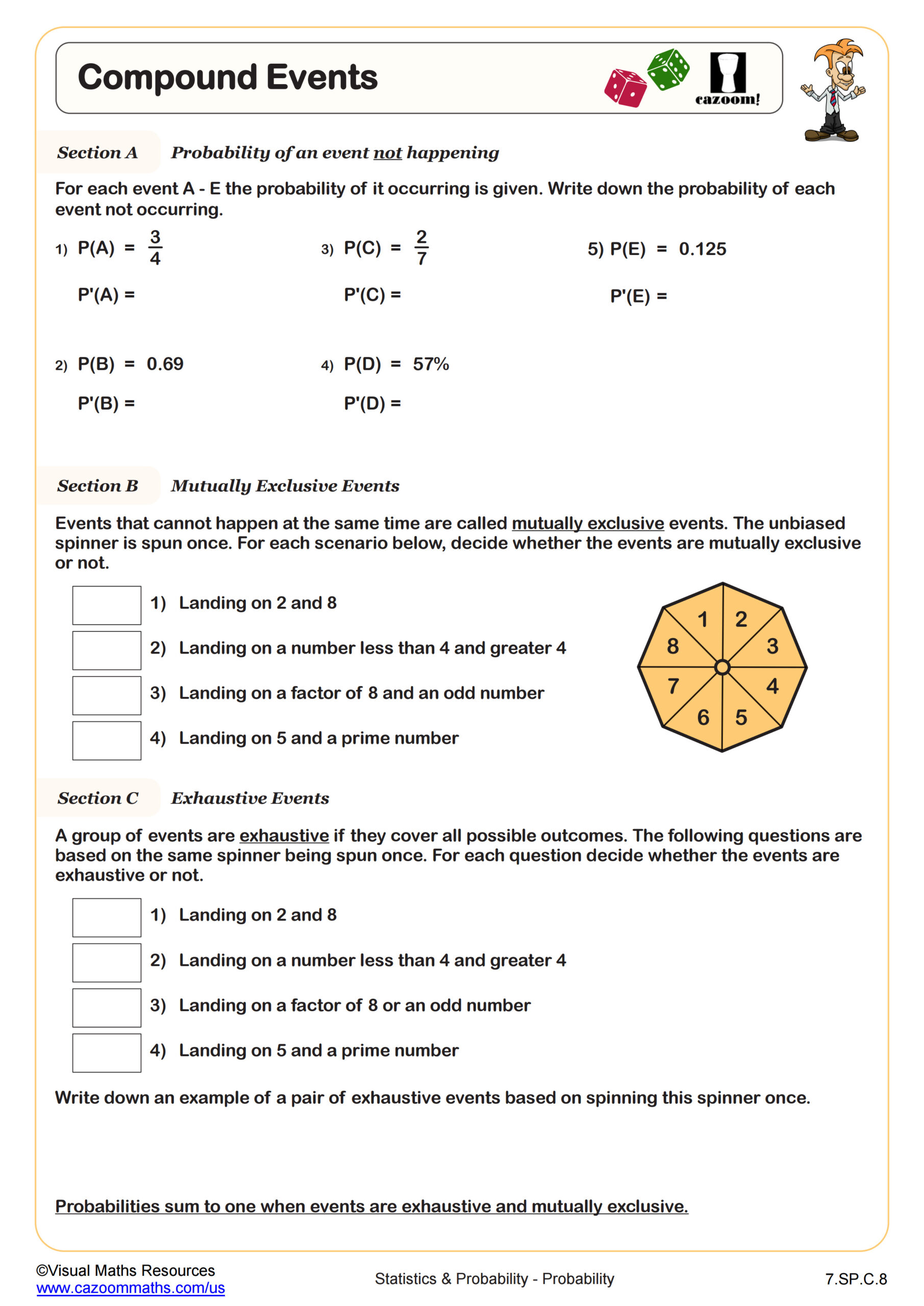
We cover the “additive rule” for mutually exclusive events, “complementary rule” (the odds of something not happening), and the “multiplication rule” for independent events. Each rule is illustrated with comic examples that make the math feel less like a chore and more like a comedy sketch.
Fun Ways to Tackle the Worksheets
Now that the groundwork is laid, let’s talk strategy. These worksheets aren’t just about squinting at numbers; they’re about making the process fun, even for the most math-phobic 7th grader.
Gamify the Process
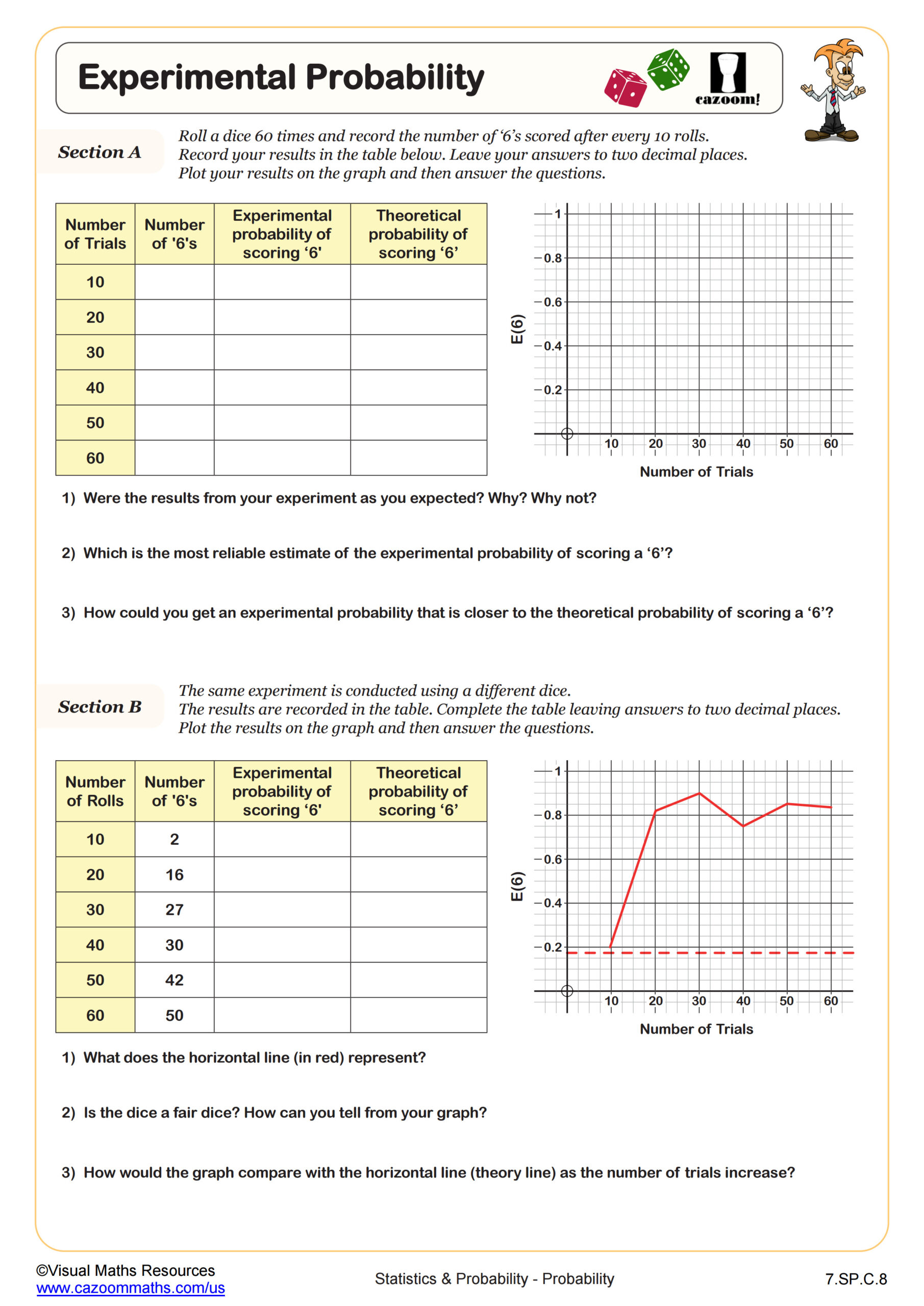
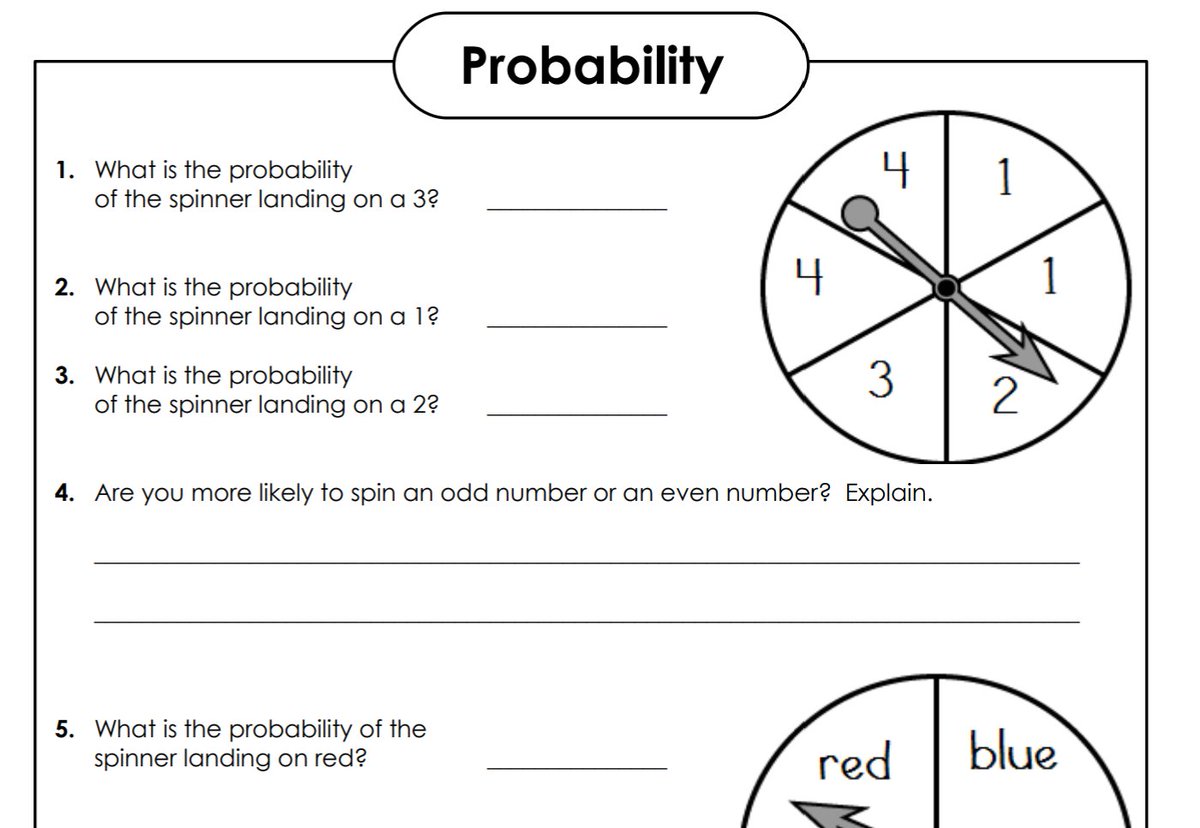
- Turn each worksheet question into a mini‑game. For example, if a problem asks for the probability of rolling an even number, have the student roll a real die and see if the answer matches their calculation.
- Create a leaderboard with points for each correct answer—bonus points for explaining the logic in a witty sentence.
Use Visual Aids
Probability can be abstract, so visual tools—pie charts, Venn diagrams, or even a “fortune cookie” sheet—can help. A colorful diagram of a coin’s sides or a diagram of all possible dice outcomes makes the math less intimidating and more like a fun illustration.
Start With Real‑World Scenarios
Kids love stories. Instead of “Calculate the probability of drawing a king,” give a scenario: “In a deck of cards, you’re at a dinner party. What are the odds that you’ll end up picking a king from a shuffled deck?” Turning math into a narrative keeps engagement high.
Chunk the Problems
Break big problems into smaller steps. Show a “before” and “after” version: first, identify the sample space; next, count the favorable outcomes; finally, divide to get the probability. This step‑by‑step method mirrors a recipe—first gather ingredients, then mix, then taste.
Sample Worksheet Breakdown
Let’s walk through a typical worksheet example to see how these concepts pop up in real questions. We’ll keep the tone light and the math solid.
Question 1: Coin Toss Delight
“If you flip a fair coin three times, what’s the probability of getting exactly two heads?”
Step 1: Identify the sample space: 2³ = 8 possible outcomes.
Step 2: Count favorable outcomes: HHT, HTH, THH = 3.
Step 3: Probability = 3/8 = 0.375 or 37.5%.
Question 2: Dice Roll Dilemma
“You roll two six‑sided dice. What’s the probability that their sum equals 7?”
Step 1: List all 36 combinations.
Step 2: Count combinations that sum to 7: (1,6), (2,5), (3,4), (4,3), (5,2), (6,1) = 6.
Step 3: Probability = 6/36 = 1/6 ≈ 16.67%.
Question 3: Real-World Twist
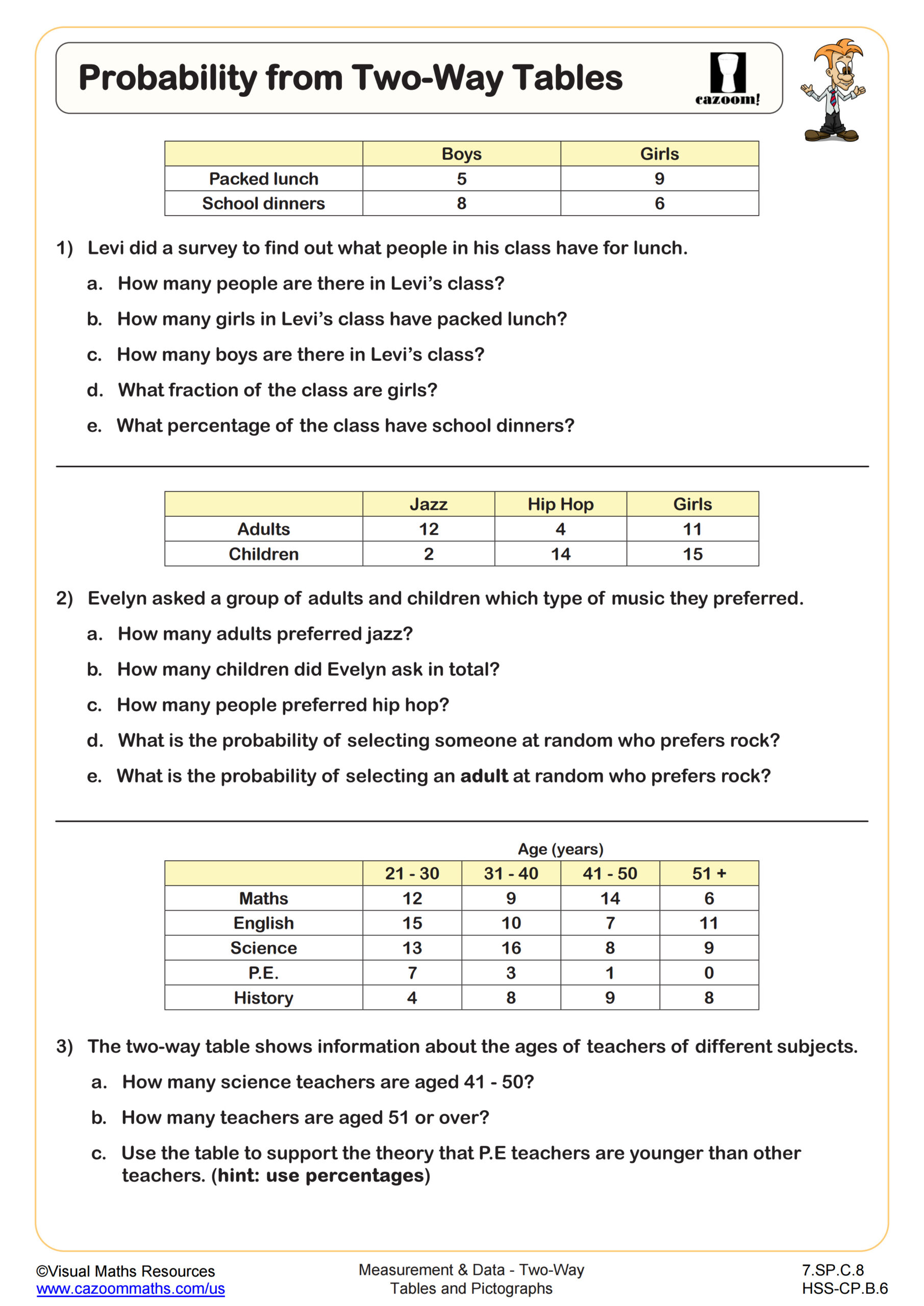
“Your class chooses a student at random to bring a snack. If there are 28 students, what’s the probability that a girl is selected? (10 girls, 18 boys)”
Step 1: Total students = 28.
Step 2: Favorable outcomes = 10.
Step 3: Probability = 10/28 = 5/14 ≈ 35.7%.
Why These Examples Matter
Each example takes a mundane scenario—a coin flip, a dice game, a snack picker—and turns it into a math challenge that feels like a personal quest. The humor lies in the relatability and the way the answers surprise students: “It’s not a 50-50 chance!” That small twist fuels curiosity and keeps the classroom lively.
Tips for Parents and Teachers
For teachers and parents who want to amplify the fun, here are some actionable hacks to turn Probability Worksheets Grade 7 into a community event.
Encourage Collaborative Problem Solving
Pair students and let them debate their approaches. This not only builds critical thinking but also allows them to joke about wrong answers—like “You’re almost there, but you forgot to flip the coin back.”
Integrate Technology
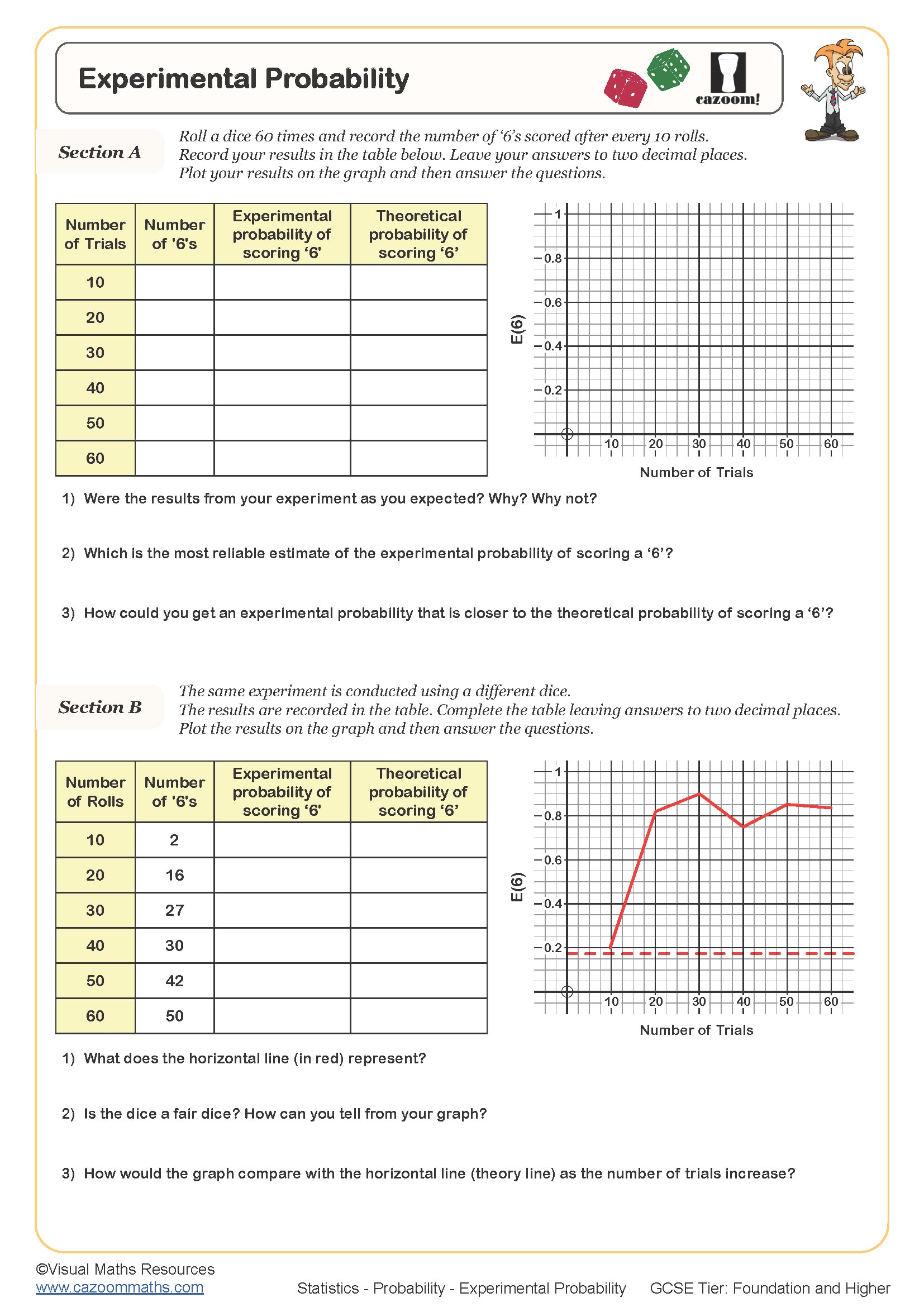
Apps like GeoGebra or simple spreadsheet tools can model probabilities. Let students input numbers and see graphs update in real time. The visual feedback is like watching a live comedy sketch where the math jokes land perfectly.
Use Storytelling Prompts
Give students a short narrative and ask them to formulate probability questions. For instance, “Your friend claims to always pick the right pizza topping. Is this a real skill or a lucky coincidence? Create a probability scenario to prove it.”
Celebrate Mistakes as Learning Opportunities
When students get a wrong answer, treat it like a comedic misstep—“Oops, that’s not the right answer. Think of it like a comedy sketch where the punchline was a trick.” Encourage them to revisit the steps, find the error, and correct it. This builds resilience and a growth mindset.
Incorporate Real-World Data
Collect data from your school—like the number of times a certain lunch item gets chosen over a week. Use this data to create probability questions that directly reflect the school’s daily reality. The connection between math and everyday life feels like a secret handshake among classmates.
Beyond the Classroom: Real‑World Probability
Once the worksheets are finished, it’s time to show how probability lives outside the page. This section turns abstract math into real-life adventures.
Weather Forecasts
When a weather app says there’s a 70% chance of rain, it’s actually the probability of precipitation in a specific area. Explain to students how meteorologists use sample spaces (all possible weather outcomes) to calculate these numbers.
Gambling and Games
Card games, slot machines, and board games all rely on probability. While you don’t want to encourage gambling, exploring how casinos calculate odds can be a fascinating topic—like a dark comedy where luck meets math.
Health and Genetics
Talk about probability in genetics, such as the chance of inheriting a certain trait. Even simple scenarios like “What’s the chance of a child having brown eyes if both parents have brown?” can be explained in a fun way.
Everyday Decisions
From choosing which route to school to deciding whether to wear the red or blue hoodie, probability can help students make informed choices—like a comedic guide to life’s small choices.
Wrap‑Up: Keep the Odds in Your Favor
Probability Worksheets Grade 7 are not just a list of calculations; they’re a gateway to a world where chance is a character and numbers are the audience. By turning abstract concepts into relatable jokes, visual stories, and real‑world applications, students will see math as a tool rather than a task. Parents and teachers can amplify this experience by adding games, technology, and a touch of humor. Remember, the goal is to make probability as entertaining as a comedy show where everyone knows the punchline—and the math behind it. So, next time you hand out a worksheet, sprinkle a little laughter, and watch your 7th‑graders solve problems like seasoned comedians with a knack for numbers. The odds are in your favor, and the numbers will never look so funny again.









Related posts of "Probability Worksheets Grade 7"
