Preschool Cutting Skills Worksheets play a pivotal role in laying the foundation for a child’s fine motor development, spatial reasoning, and confidence in the classroom. By guiding toddlers through structured, fun, and age‑appropriate cutting activities, educators and parents can unlock a world of creativity while sharpening essential life skills.
Why Cutting Skills Matter at Preschool
Cutting is more than a simple craft activity; it is an integral component of early childhood education that supports several core developmental domains. At the preschool level, children are learning to coordinate their hands and eyes, manage precise movements, and understand cause‑and‑effect relationships. A well‑designed cutting worksheet can harness these natural tendencies, turning a mundane task into a dynamic learning experience.
Core Motor Skill Development and Hand–Eye Coordination
Fine motor skills are the building blocks for writing, drawing, and everyday self‑care tasks. Cutting exercises require a child to:
- Control grip strength: Holding and manipulating scissors helps develop muscle memory.
- Plan spatial movement: Following lines or shapes builds visual planning skills.
- Synchronize hand and eye: Aligning visual cues with physical motion strengthens sensorimotor integration.
When a child successfully completes a cutting task, the brain’s reward system acknowledges the achievement, reinforcing motivation to tackle increasingly complex activities.
Choosing the Right Paper and Scissors
Not all materials are created equal. Selecting appropriate tools is essential for safety and effectiveness.
Paper Options
Standard printer paper is suitable for basic shapes, while heavier cardstock allows for more elaborate projects without tearing. Recyclable materials like cardboard or paper mâché add tactile variety and help teach environmental responsibility.
Scissors for Young Learners
Safety scissors with rounded tips and ergonomic handles reduce the risk of accidental cuts. Many manufacturers design child‑friendly scissors that are lightweight and feature a comfortable grip for small hands. Always supervise cutting sessions and provide guidance on proper technique.
Types of Cutting Worksheets
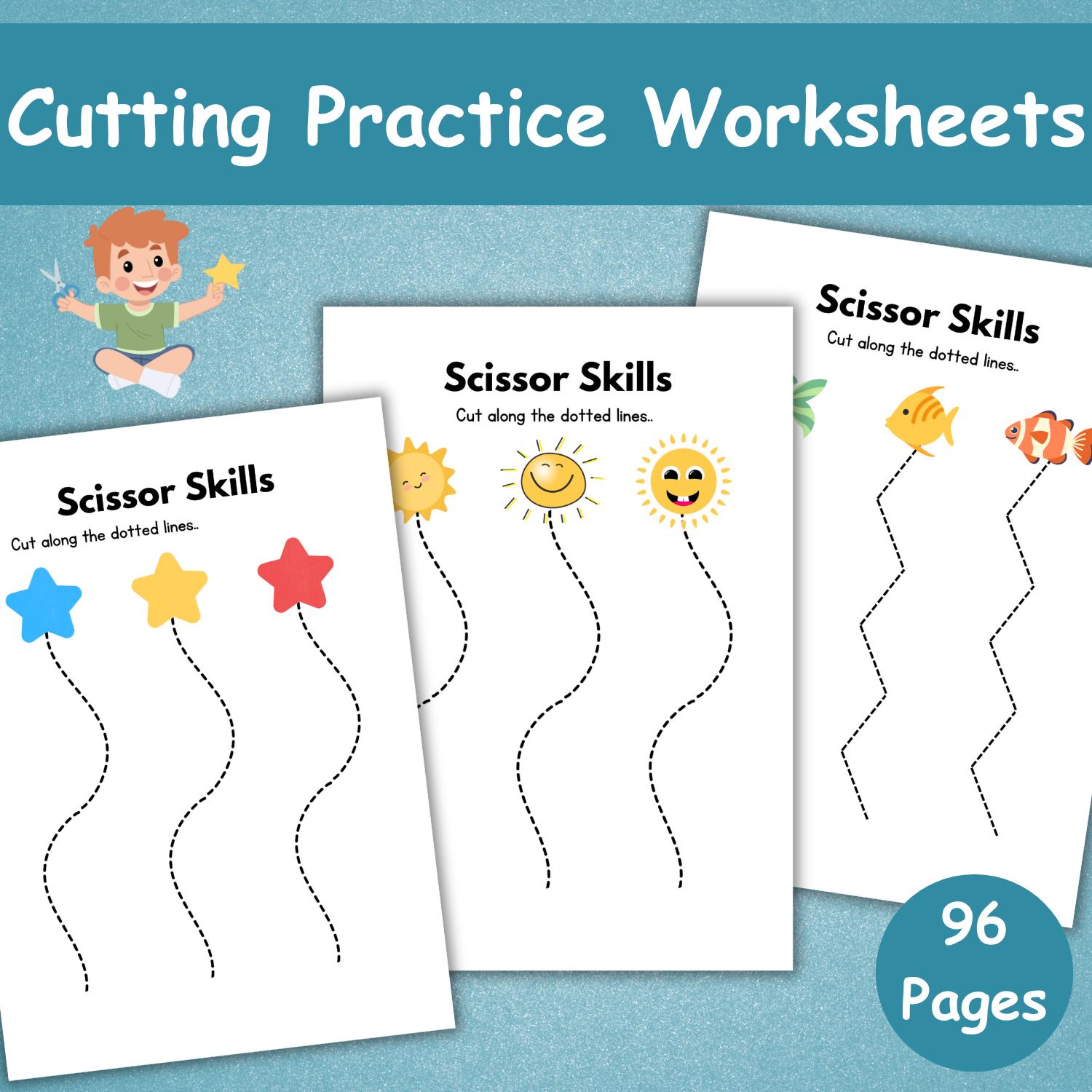
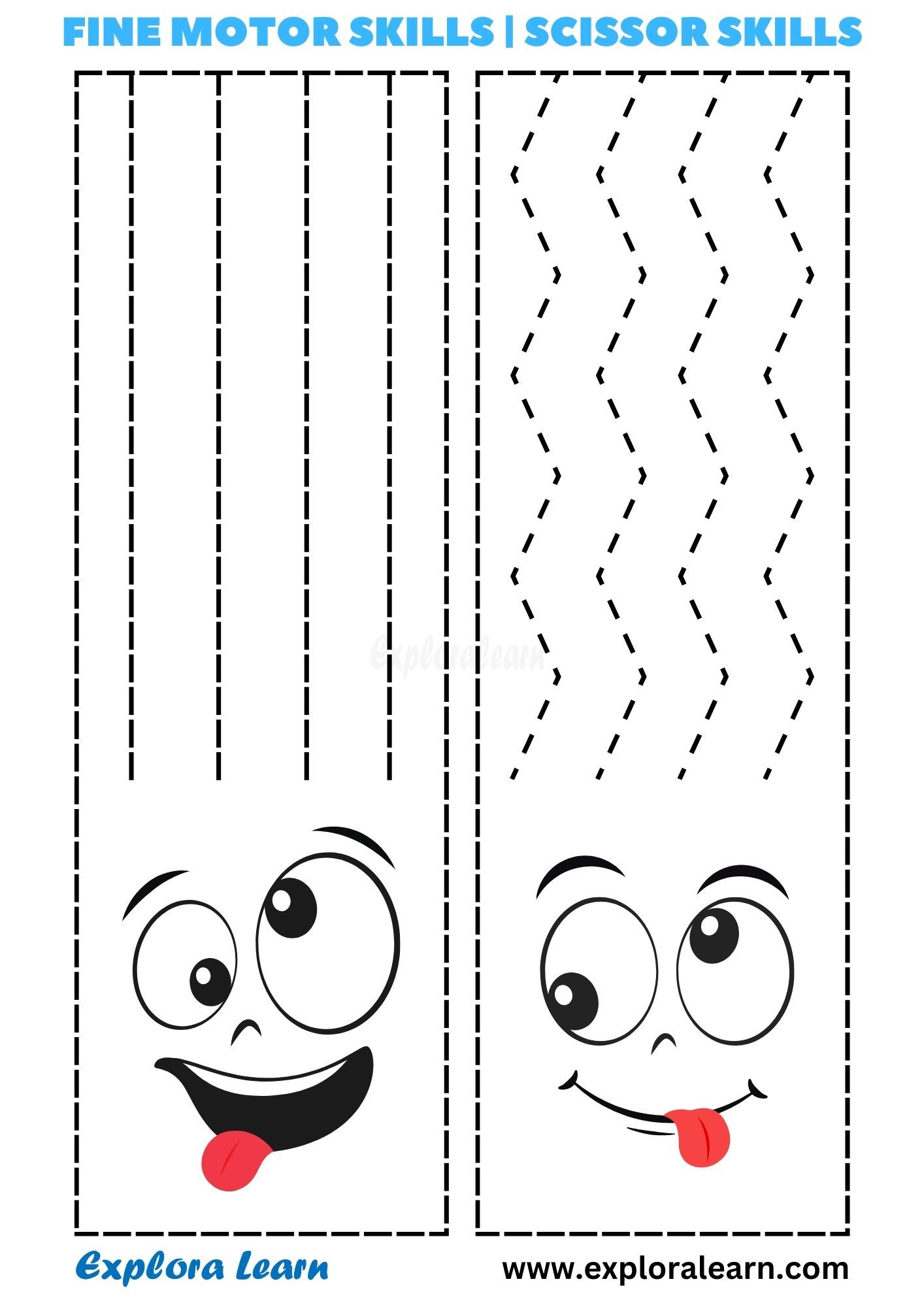
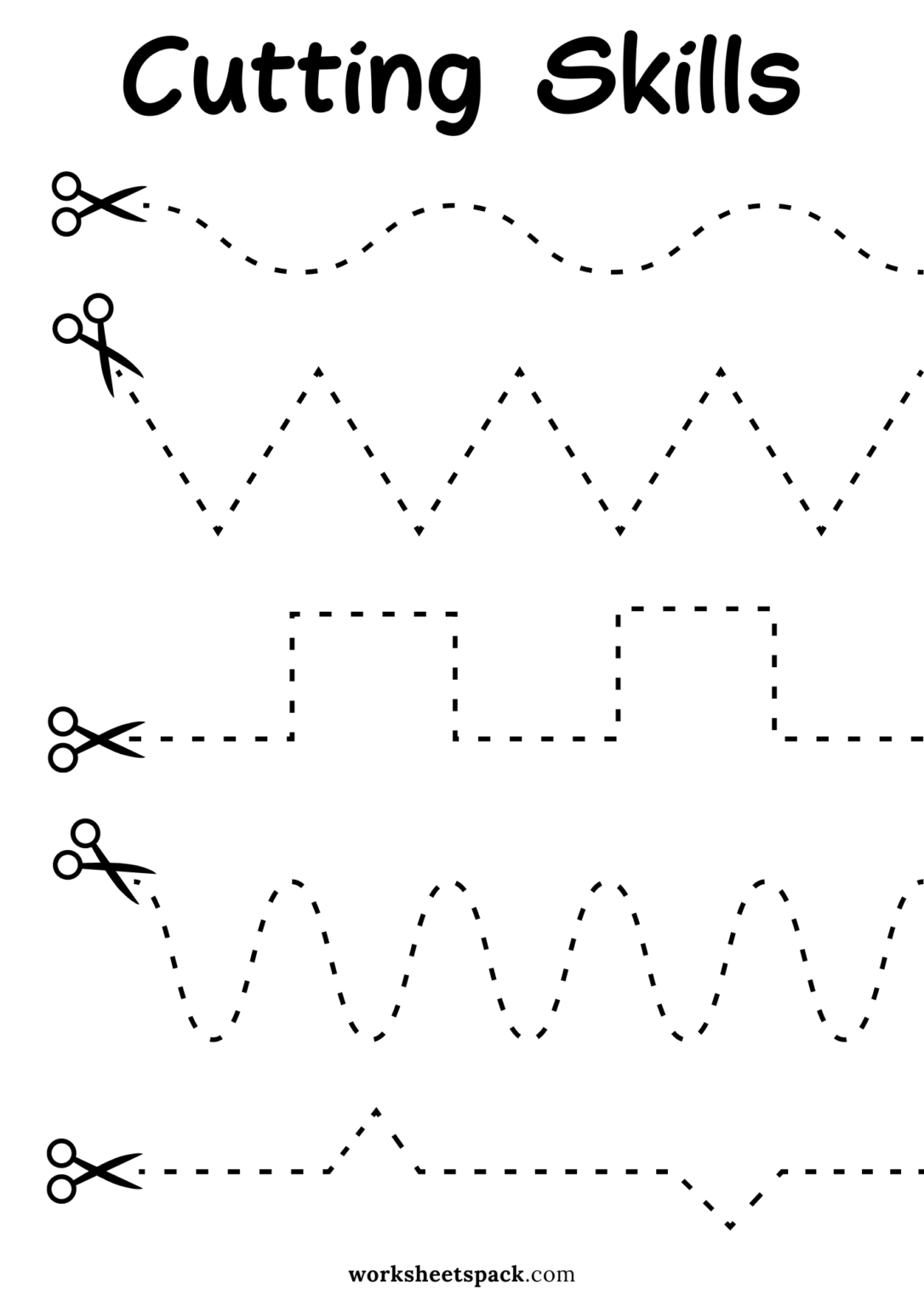
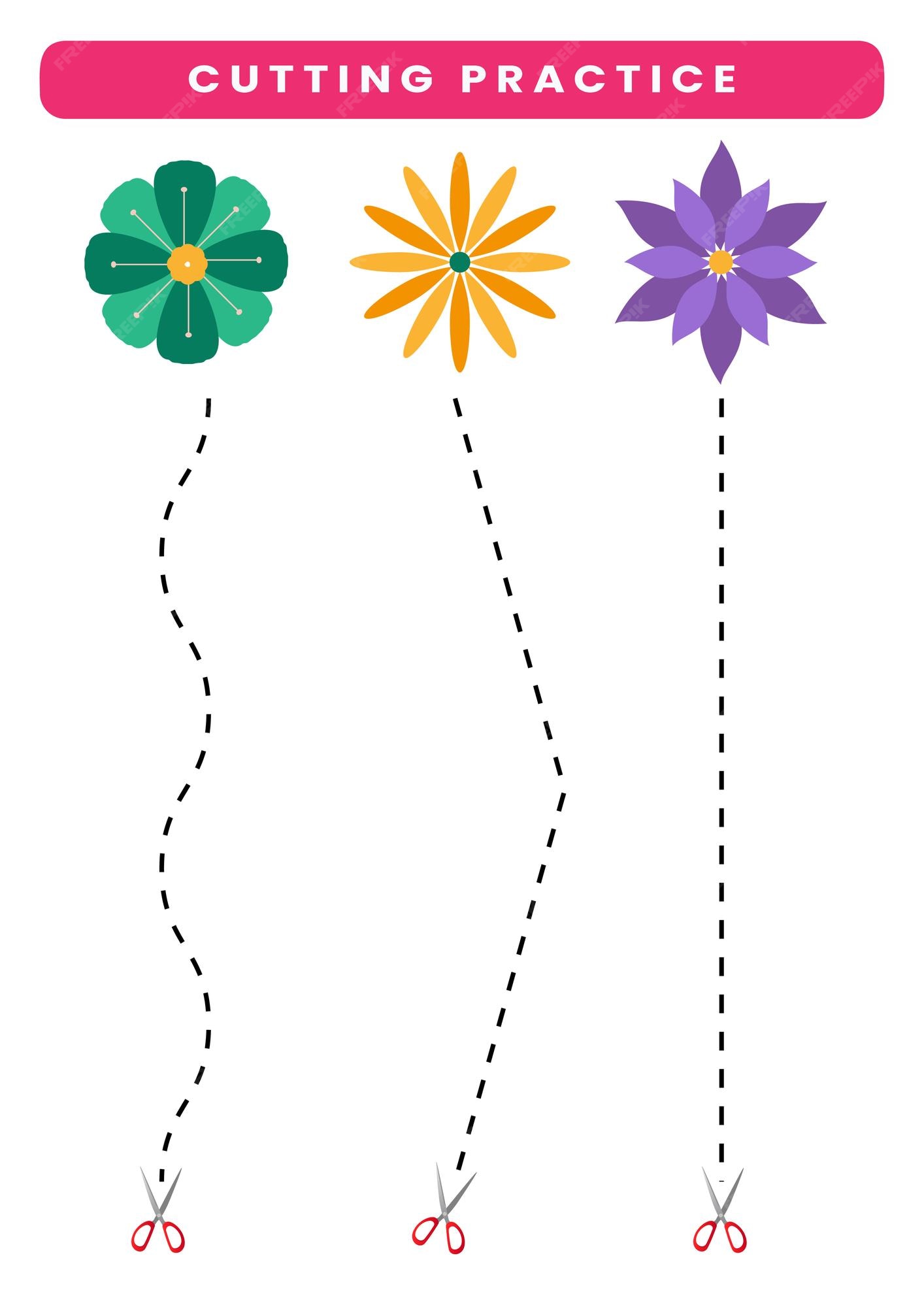
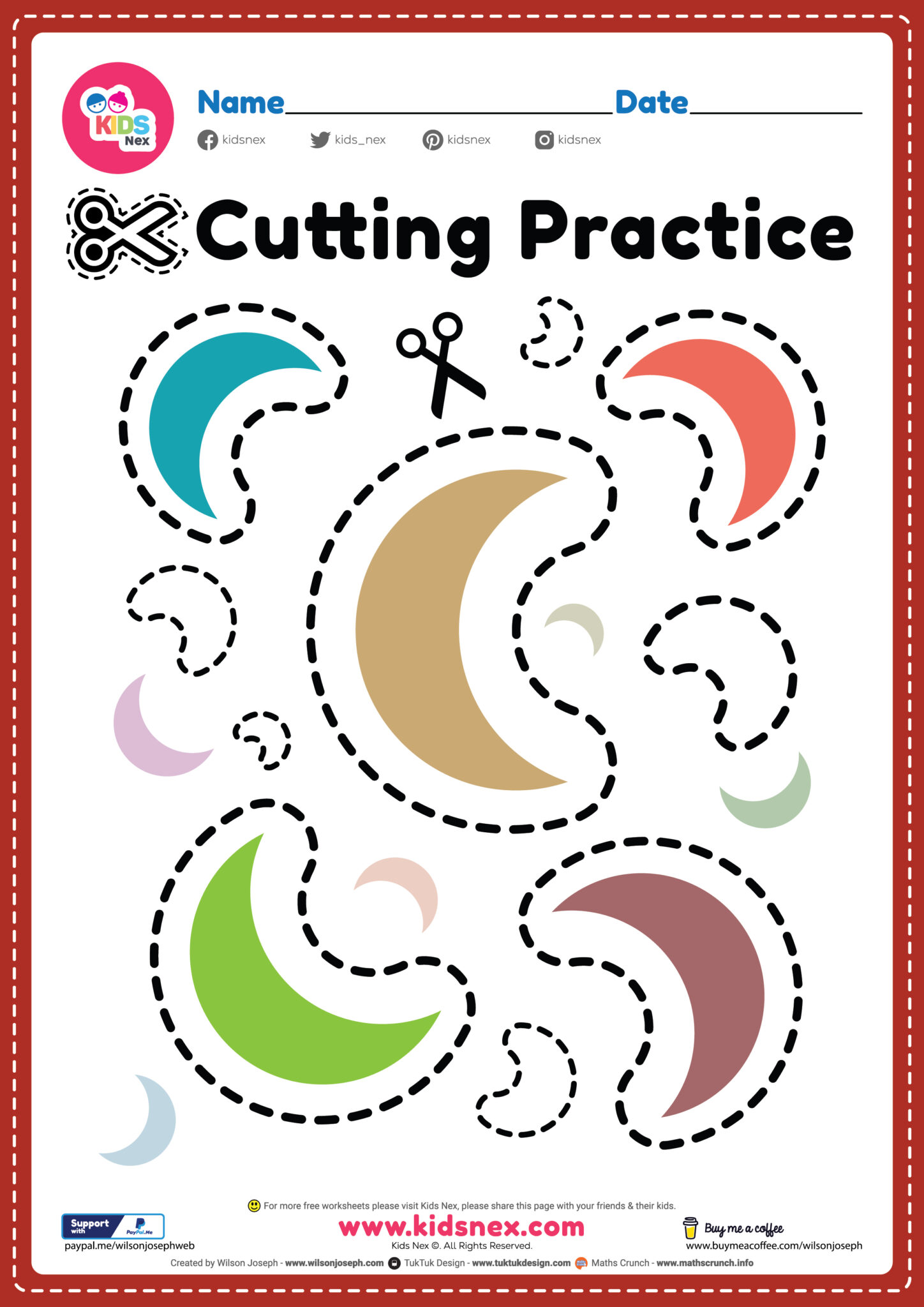
Preschool Cutting Skills Worksheets come in many flavors, each targeting specific learning outcomes. Below is a categorized overview.
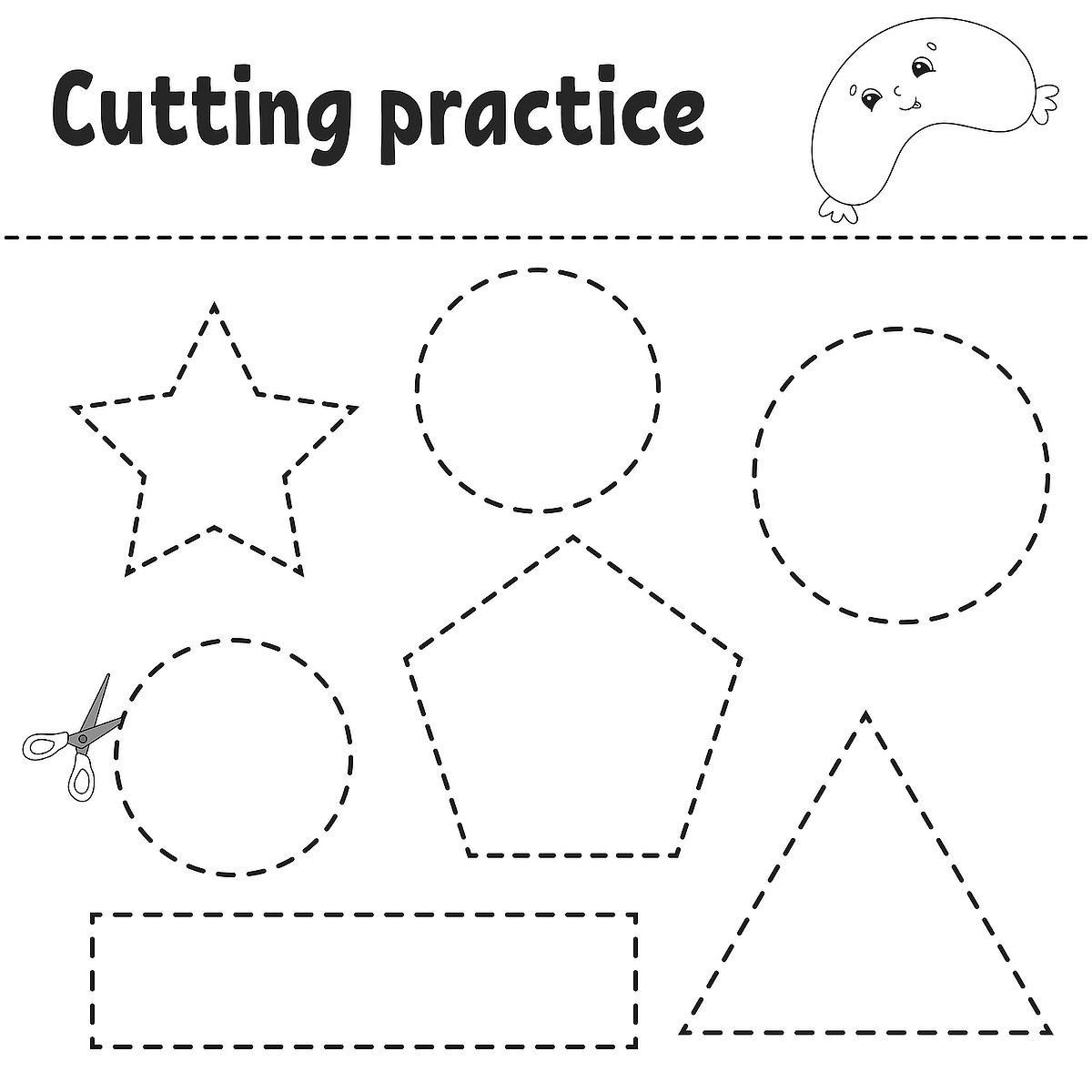
Shapes and Patterns
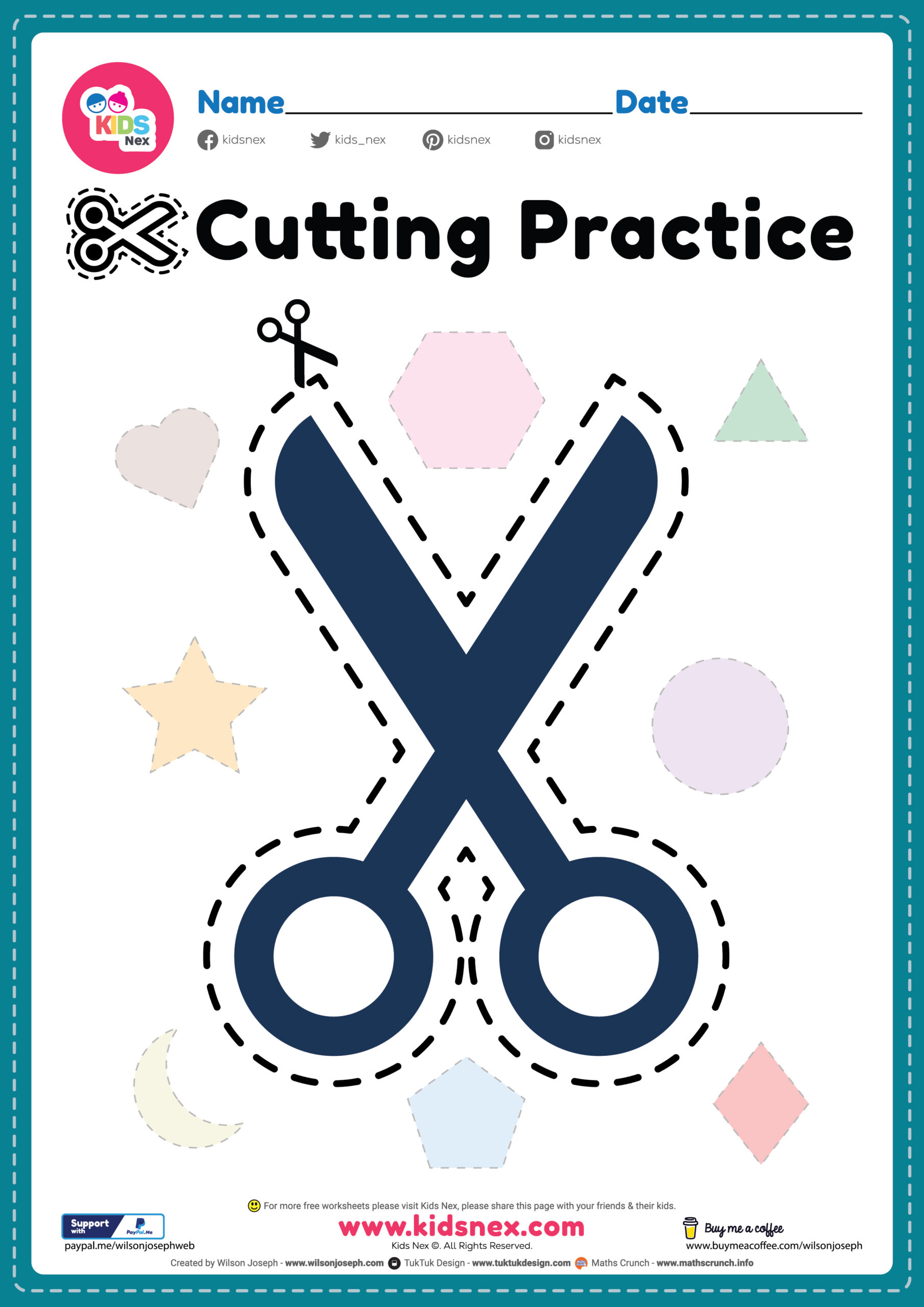
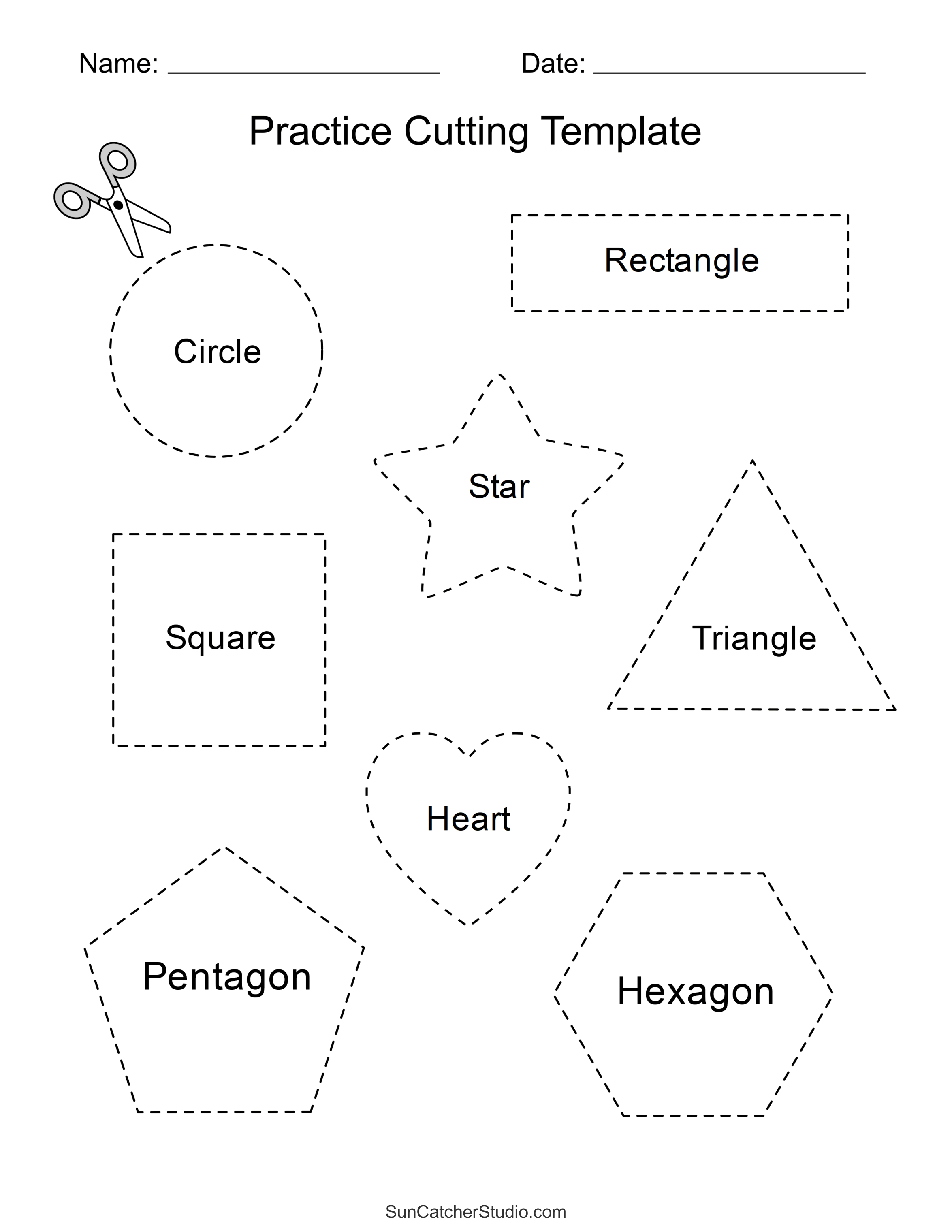
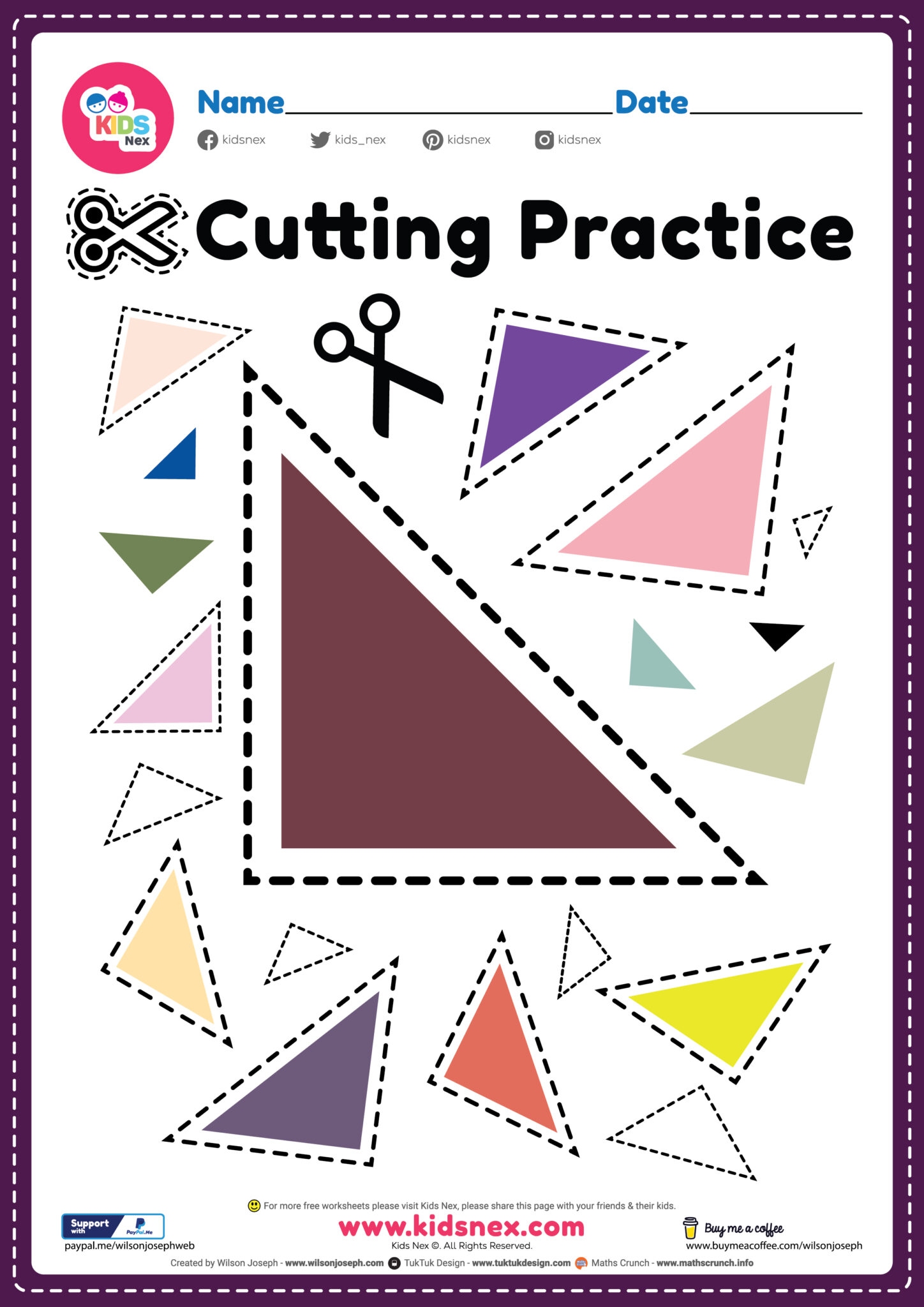
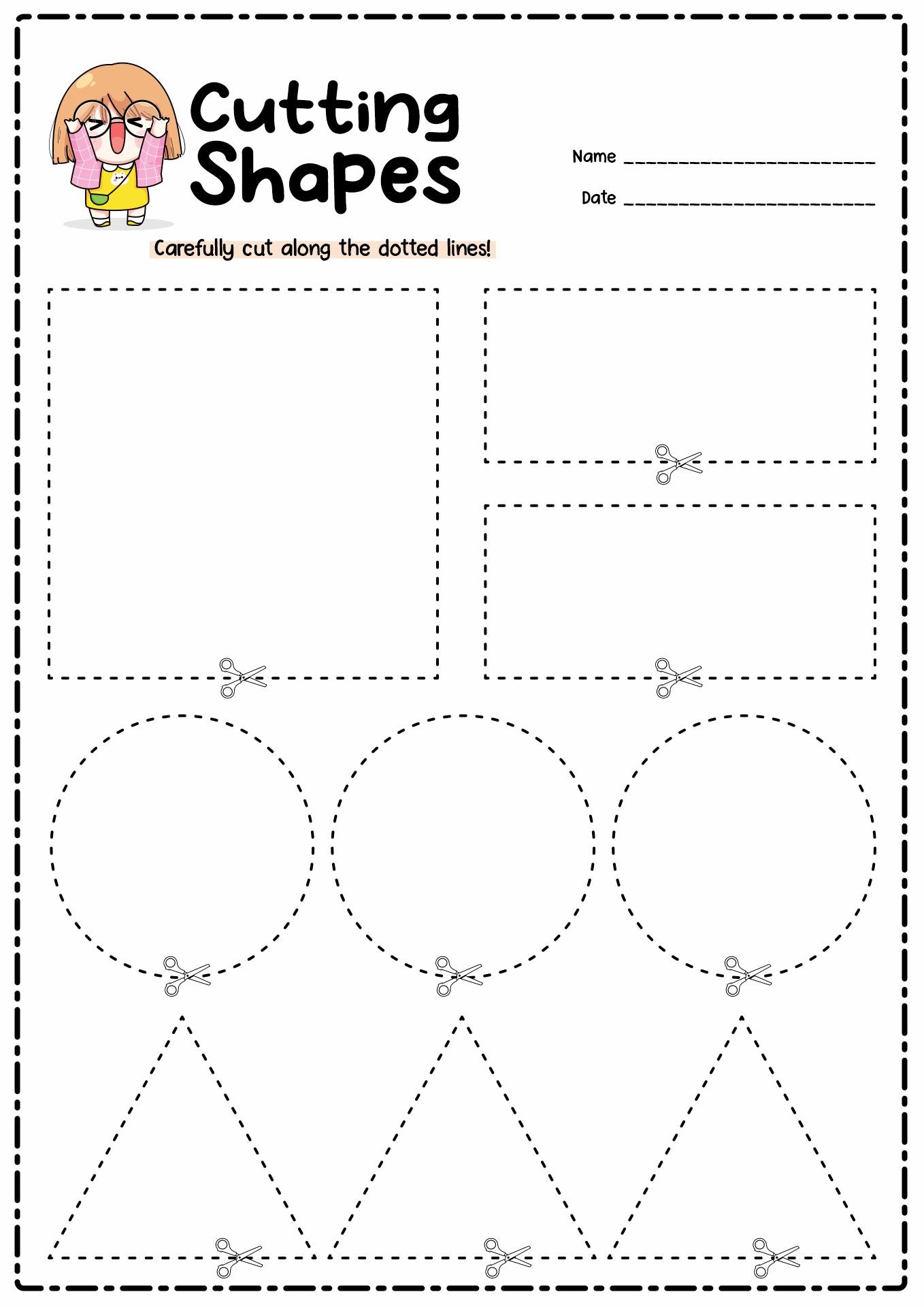
These worksheets introduce basic geometric forms—circles, squares, triangles—and encourage repetition. A child learns to recognize symmetry, scale, and orientation by cutting along simple outlines.
Story‑Driven Cutting
Integrating narrative elements—such as cutting a “pirate ship” or a “fairy‑tale castle”—creates a contextual backdrop that fuels imagination. Story‑based worksheets often combine cutting with coloring or assembling, offering a holistic art‑based learning experience.
Letter and Number Cutting
Cutting letters and numbers reinforces early literacy and numeracy. By handling each character, children become more familiar with shapes, directionality, and the visual memory required for reading and math.
Seasonal and Thematic Themes
Seasonal motifs—autumn leaves, holiday snowflakes, or summer beach scenes—keep activities fresh and engaging. Themes also provide a cultural touchstone, helping children relate learning to the world around them.
Step‑by‑Step Guide to Using Worksheets Effectively
For maximum benefit, cutting worksheets should be integrated into a structured routine that balances skill development with creative expression.
Warm‑Up Activities Before Cutting
- Finger painting or drawing: Stimulates motor planning.
- Line tracing: Helps children understand where to move.
- Scissor practice on thick paper: Builds confidence before more detailed tasks.
Introducing the Worksheet
Begin with a brief demonstration, showing how to hold the scissors and follow a line. Use clear, concise language and a gentle, encouraging tone.
Guided Cutting Session
- Model the action: Perform a single cut while explaining the steps.
- Provide feedback: Highlight when the child stays within lines or needs to adjust grip.
- Encourage independence: Once comfortable, allow the child to work alone while still offering support.
Post‑Cut Reflection
After cutting, ask questions such as, “What shape did you create?” or “Did you notice how the lines connected?” This reflection consolidates learning and boosts language skills.
How to Monitor Progress
Tracking a child’s advancement helps tailor future worksheets to their evolving needs.
- Check accuracy: Measure how closely the cut aligns with the outline.
- Observe confidence levels: Note if the child appears hesitant or eager.
- Record time spent: Shorter completion times often correlate with improved fine motor control.
Common Challenges and Solutions
Every child is unique, and certain obstacles may arise during cutting activities.
Inconsistent Cutting Lines
Solution: Offer thicker lines or use a tracing sheet for guidance. Repeated practice on simple shapes improves precision.
Disinterest or Frustration
Solution: Introduce gamified elements—such as “cutting races” or “reward stickers”—to motivate participation. Pair cutting with a favorite song or story to keep engagement high.
Safety Concerns
Solution: Maintain a clear workspace, keep scissors out of reach when not in use, and use child‑safe scissors. Reinforce “keep hands inside the frame” rules consistently.
Encouraging Confidence and Safety
Balancing encouragement with safety protocols ensures children thrive. Praise efforts over perfection, celebrate small victories, and model safe scissor handling. Providing a calm, supportive environment reduces anxiety and fosters a growth mindset.
Parent and Teacher Resources
To enrich the learning journey, educators and parents can supplement worksheets with additional materials:
- Printable shape sets and alphabet stickers for assembly projects.
- Interactive apps that allow virtual cutting practice.
- Books about the history of scissors and the evolution of hand tools.
These resources extend the concept of cutting beyond the classroom, reinforcing skills through everyday activities like preparing snacks or sorting laundry.
Conclusion
Incorporating Preschool Cutting Skills Worksheets into a child’s routine delivers measurable benefits across fine motor development, spatial awareness, and early literacy. By selecting age‑appropriate materials, employing a structured yet playful approach, and continuously monitoring progress, teachers and parents can create a safe, engaging environment where young learners flourish. When children master the simple act of cutting, they unlock a powerful tool that will serve them throughout their academic and creative journeys.









Related posts of "Preschool Cutting Skills Worksheets"
