Phonics Worksheets Pdf Free Download is the magic phrase that turns a sleepy kindergarten classroom into a bustling phonics party, complete with giggling kids, squeaky crayons, and the occasional accidental tongue‑twist that sounds like a cat stuck in a blender. If you’ve ever wished you could hand out a printable that makes learning letter sounds as irresistible as a pizza slice, you’re in the right place. Grab a virtual seat, pour yourself a cup of coffee (or juice box, no judgment), and let’s dive into the wonderfully wacky world of phonics PDFs that are as free as a bird and as fun as a barrel of monkeys.
Why Phonics Worksheets Are the Superhero of Early Literacy
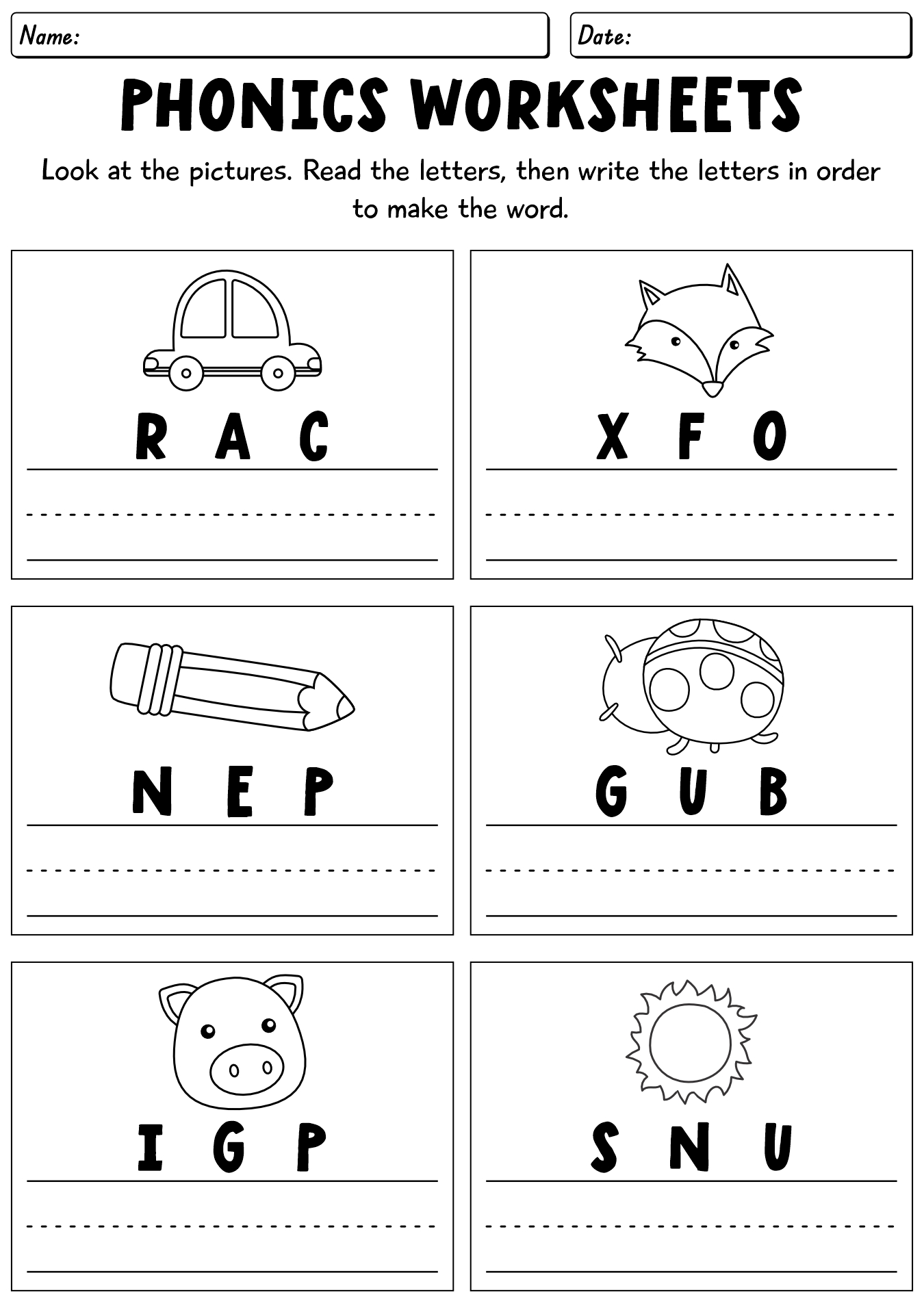
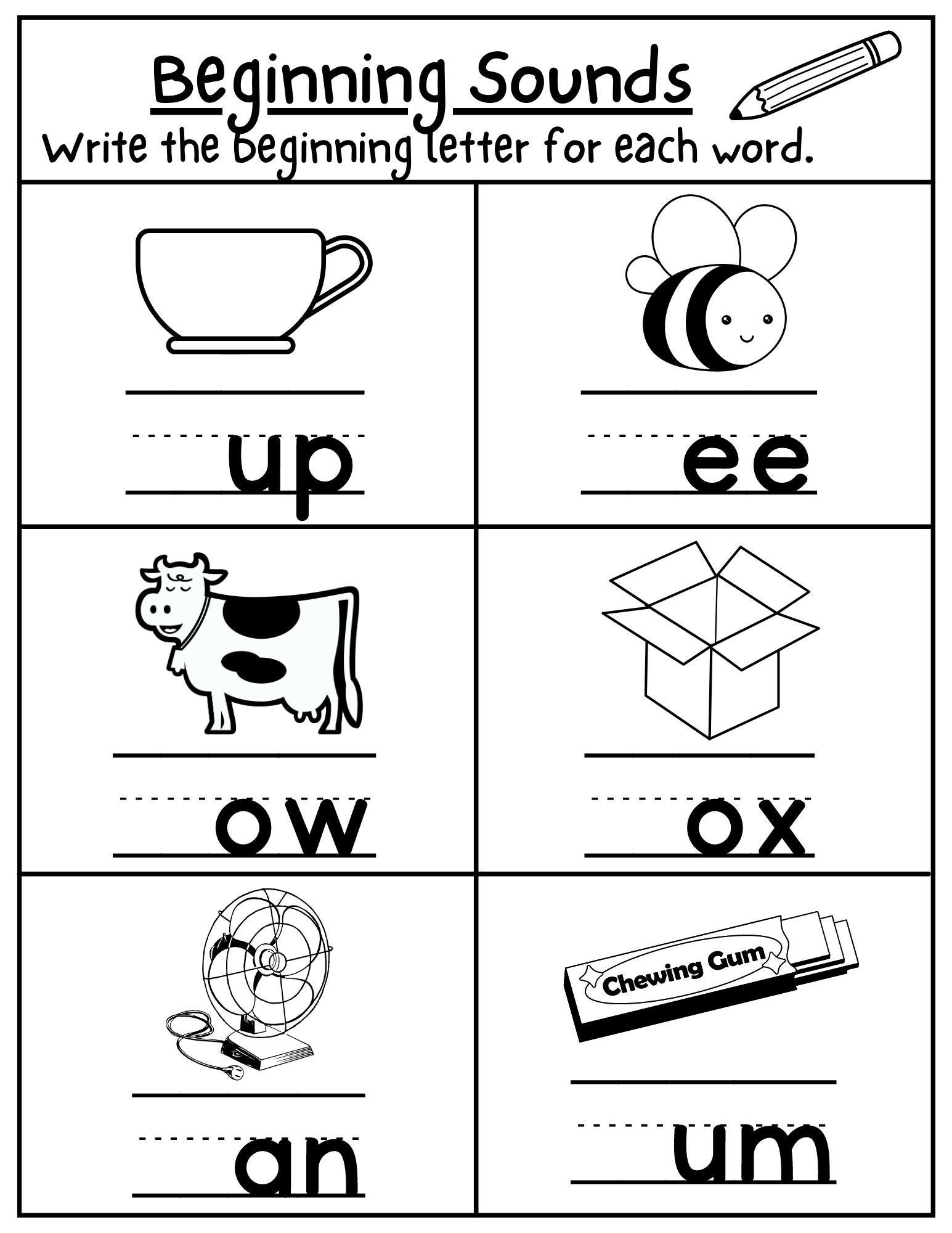
Phonics worksheets aren’t just paper with squiggly lines; they’re the caped crusaders of early reading, swooping in to save the day when “b” sounds like “bee” and “c” decides to impersonate “sea.” These PDFs pack a punch of visual cues, repeatable patterns, and interactive challenges that help tiny ears and eyes decode the secret language of English. Think of them as the sidekicks to your teaching superpowers—always ready, always printable, and never complaining about overtime.
They Turn Abstract Sounds Into Tangible Fun
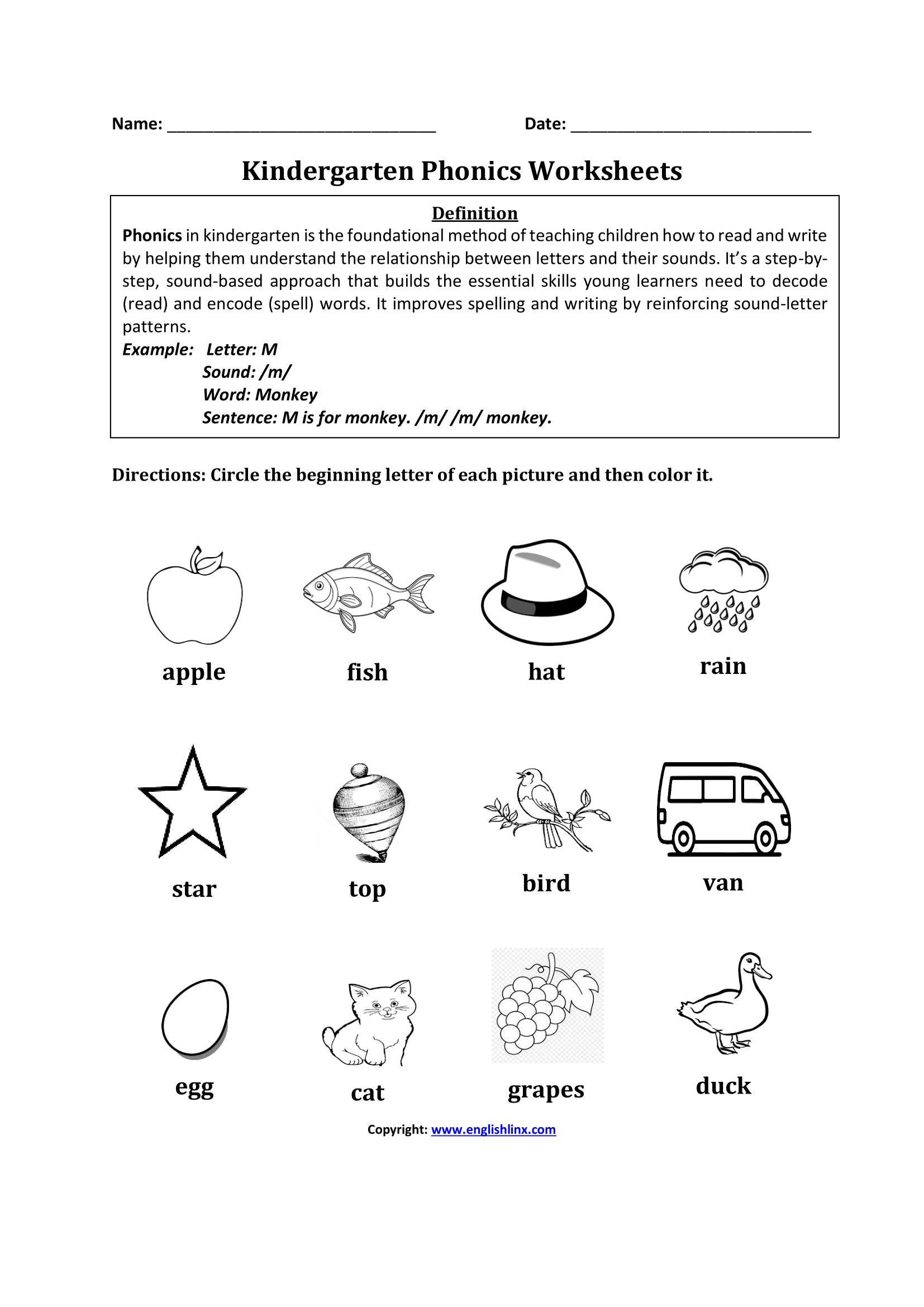
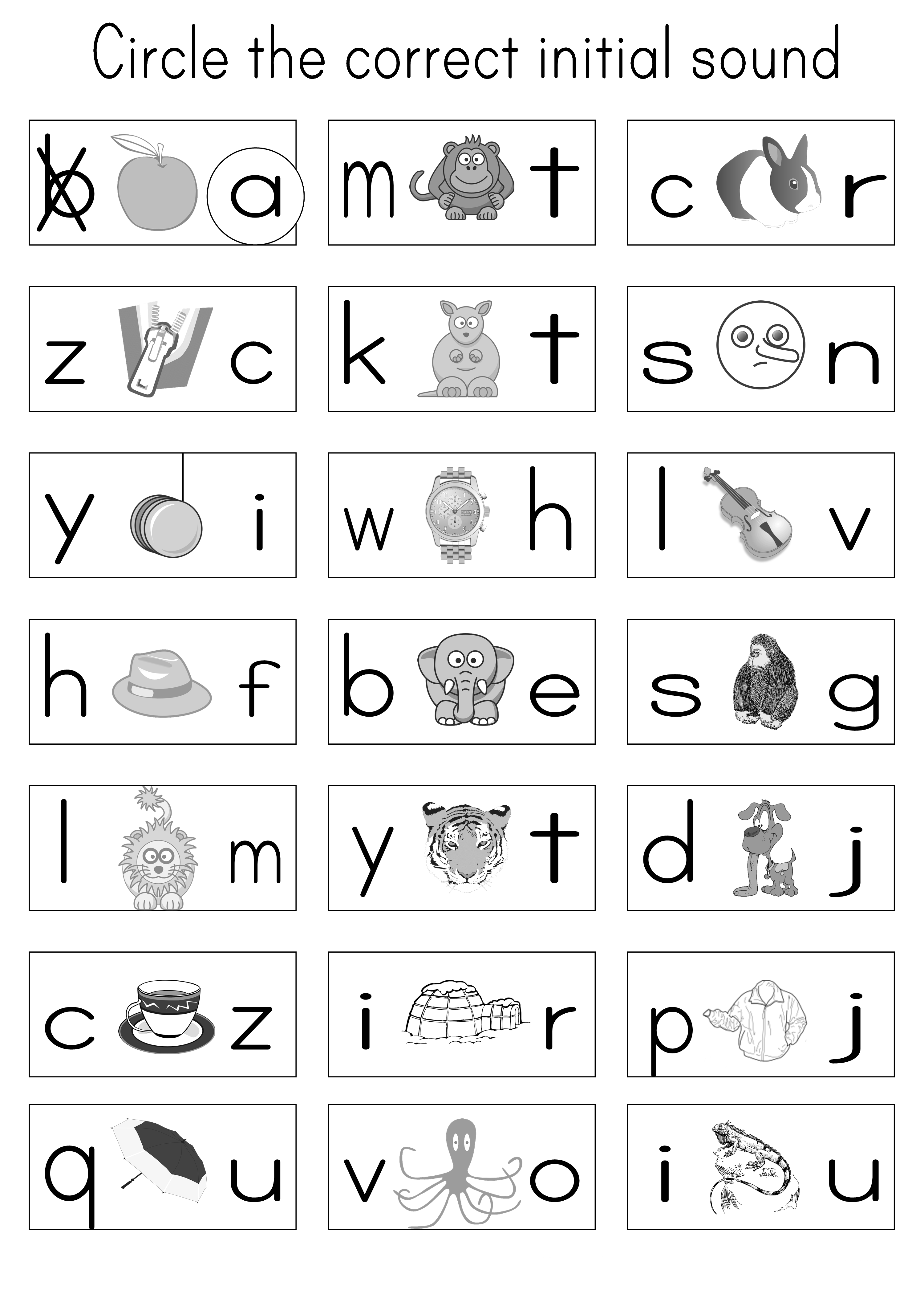
When a child hears the /k/ sound, it can feel like an invisible ninja. A well‑designed worksheet turns that ninja into a friendly cartoon koala holding a “K” sign, making the sound concrete enough for a six‑year‑old to recognize and repeat without summoning the dictionary.
Repetition Without Boredom
Kids love repetition, but they also have the attention span of a goldfish on roller skates. Phonics PDFs cleverly sprinkle games, puzzles, and coloring sections throughout the repetition, ensuring the brain stays engaged while the eyes stay on the page.
Instant Feedback Loop
Check boxes, answer keys, and self‑grading sections let kids see instantly whether they’ve cracked the code or need another round of practice. That instant dopamine hit is the secret sauce that keeps them coming back for more “letter‑hunt” adventures.
Finding the Perfect PDF for Your Classroom or Home School
Not all PDFs are created equal; some look like they were designed during the dinosaur era, while others sparkle with modern design flair. Here’s how to spot a winner without needing a magnifying glass.
Look for Clear, Large Fonts
Kids’ eyes are still learning to track text, so fonts that are too fancy or too tiny can turn a worksheet into a visual nightmare. Sans‑serif fonts like Arial or Comic Sans (yes, it’s acceptable here) keep things legible.
Check the Alignment of Images and Text
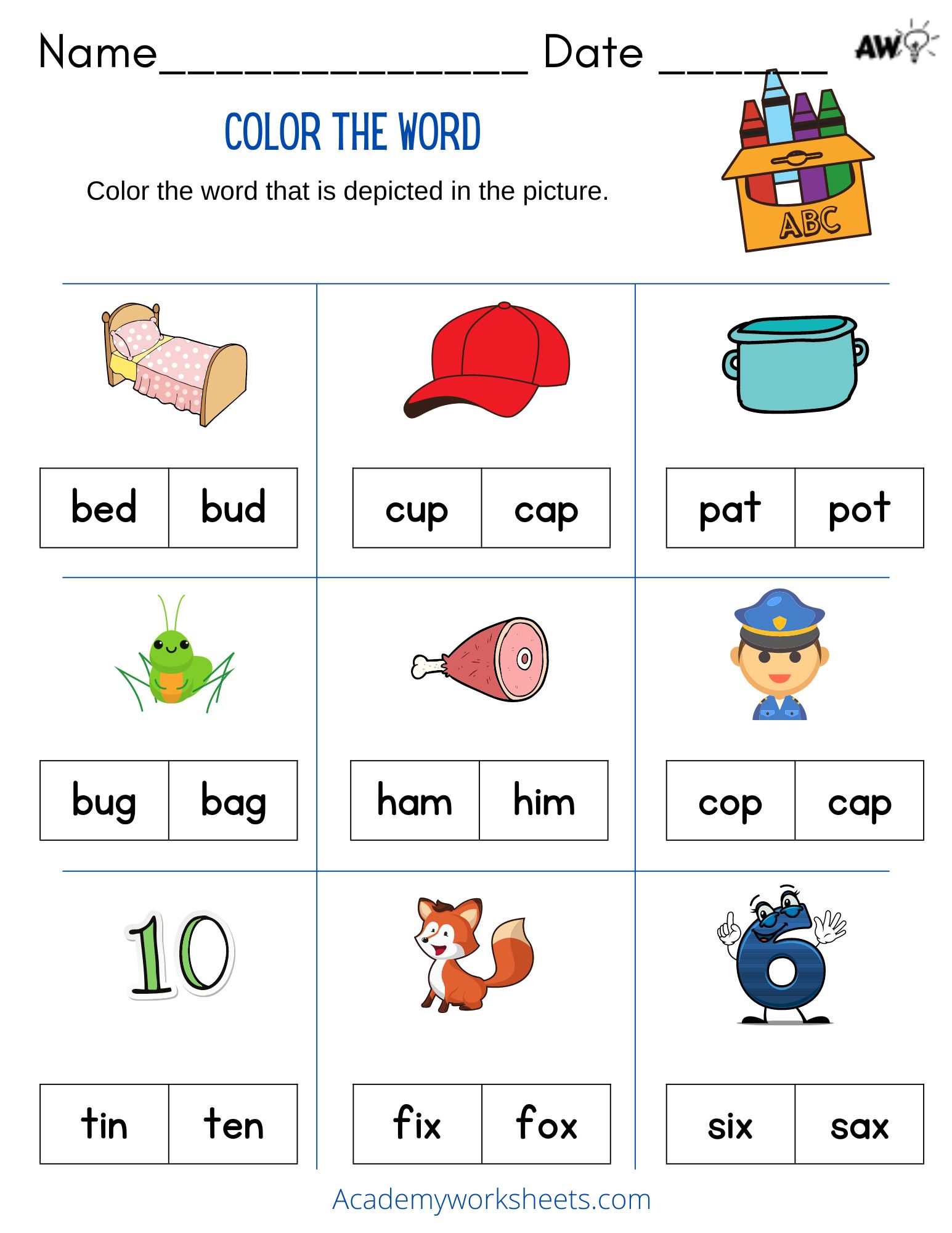
A picture of a cat next to the word “cat” is great, but if the cat is floating half‑off the page, you’ve got a layout nightmare. Ensure images are properly aligned and have enough whitespace around them.
Assess the Difficulty Gradient
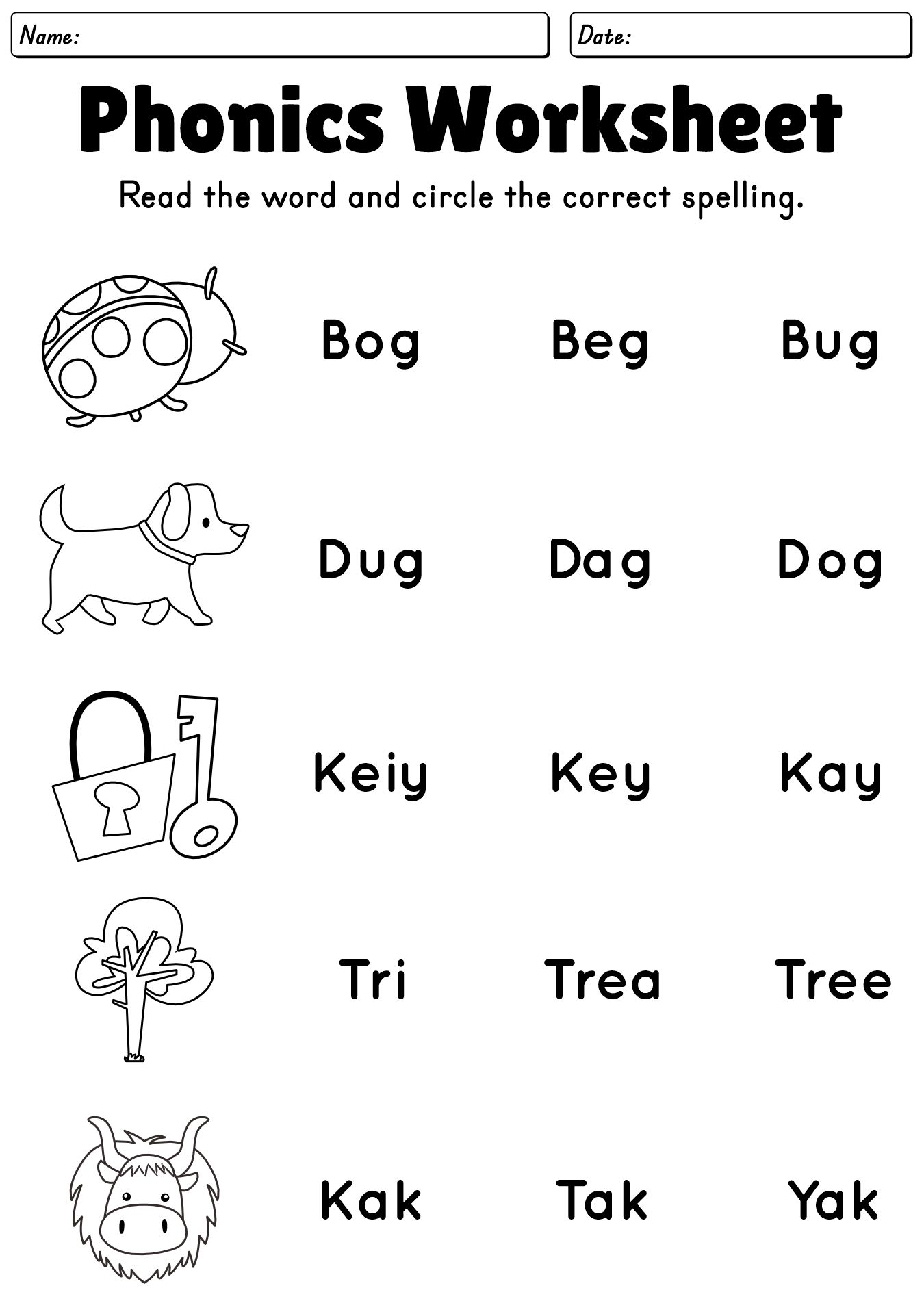
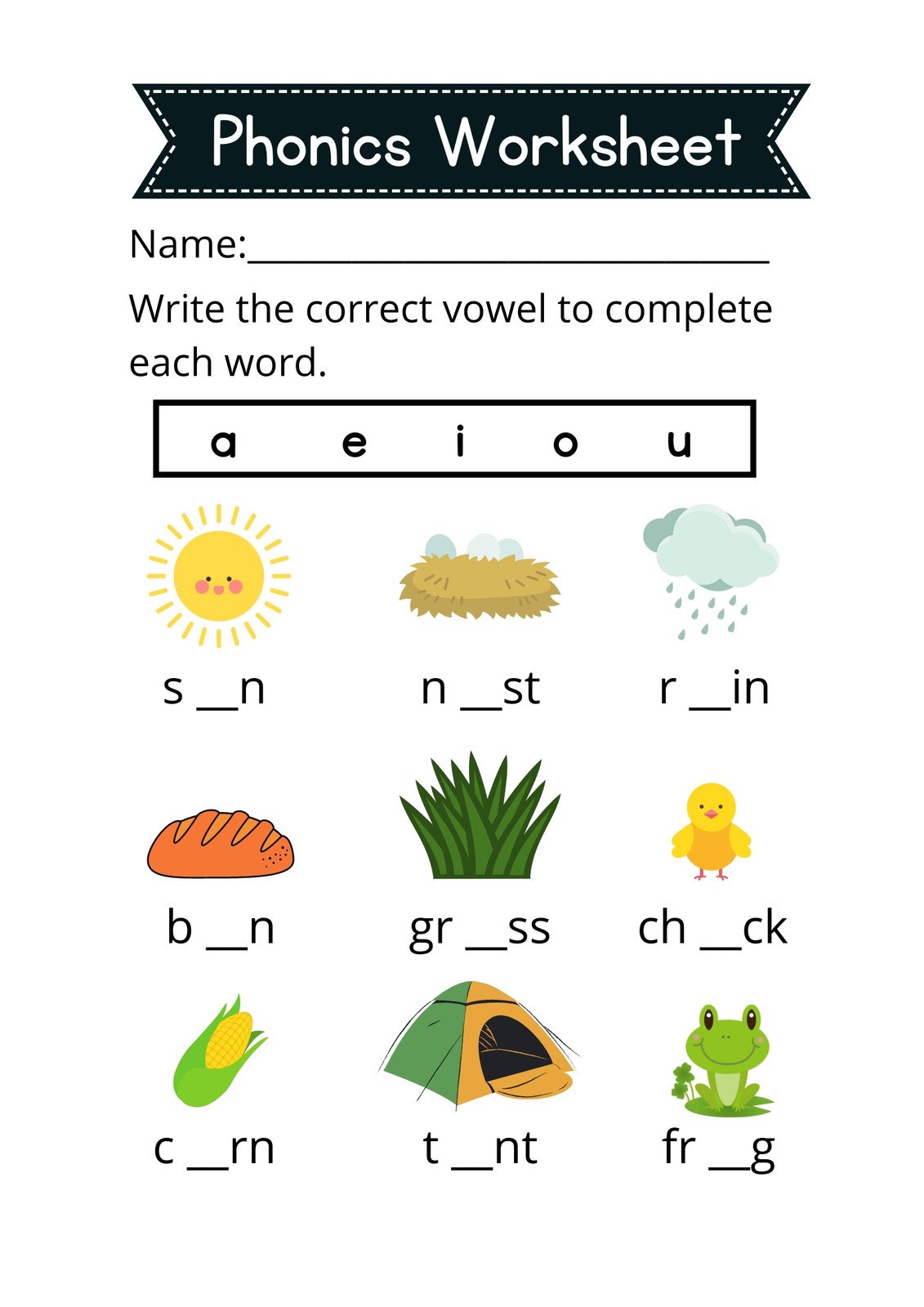
Good worksheets start easy—think “C‑at,” “B‑at”—and gradually increase complexity with blends like “ch” and “sh.” Look for a clear progression so you can match the sheet to the child’s current skill level.
Bonus: Extra Activities
Worksheets that include a “draw your own word” box, a mini‑crossword, or a tongue‑twister challenge add that extra layer of fun and reinforce learning through multiple modalities.
How to Download Without Breaking the Internet (or Your Sanity)
Downloading a free phonics PDF should be as painless as slipping on a pair of fluffy socks, not a trek through a maze of pop‑ups and captcha riddles. Follow these steps to keep the process smooth.
- Choose a Reputable Source: Look for educational sites, teacher blogs, or official school district pages that list PDFs with clear descriptions.
- Check the File Format: Most phonics worksheets come as .pdf files, but occasionally you’ll see .docx or .png. PDFs are universal and keep the layout intact.
- Click the Download Button: If the button says “Download Now,” “Free PDF,” or “Get Worksheet,” you’re probably good. Avoid links that say “Click Here for Surprise!”—those usually lead to ads.
- Save to a Dedicated Folder: Create a folder named “Phonics PDFs” on your computer or cloud storage. This saves you from the “Where did I put that worksheet?” panic later.
- Print or Share Digitally: Most teachers print them out, but you can also share the PDF via email or a learning management system for a paper‑free option.
Pro tip: If you’re on a slow connection, download one worksheet at a time. Multi‑file bundles can choke the bandwidth and leave you staring at a loading wheel longer than a snail marathon.
Creative Ways to Use Phonics PDFs in the Real World
Printing the worksheets is only the beginning. Turn those static pages into dynamic learning experiences that make both kids and adults grin like they just found an extra cookie in the jar.
Phonics Treasure Hunt
Hide printed worksheets around the classroom or backyard. Each sheet contains a clue like “Find the object that starts with the /s/ sound.” Kids must locate the object, say the word, and check it off. This combines movement, auditory discrimination, and reading practice in one glorious activity.
Family Phonics Night
Invite parents to a virtual or in‑person night where families work through a worksheet together. Provide a “phonics bingo” card that uses the same sounds as the PDF. When a family completes a row, they earn a silly prize like a gold‑plated sticker (or a regular sticker, but pretend it’s gold).
Digital Flip‑Flop
If you have a tablet, use a PDF annotator app to let kids trace letters, type in answers, or drag‑and‑drop pictures onto matching sounds. The tactile feel of a stylus adds a high‑tech twist to classic pen‑and‑paper learning.
Cross‑Curricular Connections
Integrate phonics worksheets with science or art. For example, a worksheet on “b” sounds could include a drawing activity where kids illustrate a “boat” and label its parts, reinforcing both phonics and vocabulary.
Common Mistakes and How to Avoid Them
Even the most seasoned educators can slip up when using phonics PDFs. Here are the classic pitfalls and the superhero fixes.
Overloading the Sheet
Loading a single worksheet with ten different activities can overwhelm a child. Stick to one primary focus per sheet—either letter identification, blending, or spelling practice.
Skipping the Warm‑Up
Diving straight into the worksheet without a quick warm‑up (like chanting the alphabet or a short song) can leave kids confused. A 2‑minute warm‑up primes their brains for phonics fun.
Neglecting Individual Differences
Not every child learns at the same speed. If a worksheet feels too easy for one student and too hard for another, have a backup sheet ready—either a simpler version or a more challenging extension.
Printing on the Wrong Paper
Using glossy magazine paper can cause ink smudging, making the worksheet illegible. Stick to standard 20‑lb printer paper for crisp, clean prints.
Free Resources and Bonus Tips for the Phonics Fanatic
While we can’t drop URLs here, the internet is a treasure trove of free phonics PDFs just waiting to be discovered. Here’s how to tap into that bounty.
Search with Specific Keywords
Type phrases like “free phonics worksheets PDF,” “kindergarten phonics printable,” or “early reading activity PDF” into your favorite search engine. The more specific you are, the better the results.
Join Teacher Communities
Online forums, Facebook groups, and Reddit communities for teachers often share links to free resources. Engaging with these groups not only gives you access to PDFs but also to fresh ideas on how to use them.
Create Your Own Hybrid PDFs
Combine two free worksheets using a PDF editor to tailor a custom sheet that meets your exact needs. Add a personal touch by inserting a class photo or a funny cartoon you drew yourself.
Bookmark and Organize
Maintain a spreadsheet with columns for “Title,” “Grade Level,” “Sound Focus,” and “Download Date.” This will save you from the dreaded “I have the worksheet but can’t remember where I saved it” panic.
Conclusion: Your Phonics PDF Adventure Awaits
Armed with a mountain of free, printable phonics worksheets, a dash of creativity, and a sprinkle of humor, you’re ready to transform the often‑daunting world of early reading into a playground of sound, sight, and giggles. Remember, the key to success isn’t just the PDF itself but how you sprinkle it with interactive flair, adapt it to each learner’s pace, and keep the atmosphere light enough that even the most reluctant reader can’t help but smile. So go ahead—download those PDFs, print a stack, and watch as the letters come alive, one hilarious worksheet at a time.









Related posts of "Phonics Worksheets Pdf Free Download"
