Pascal’s Triangle Worksheet is more than a collection of numbers; it is a gateway to discovering the rhythmic harmony that underlies mathematics, culture, and everyday life. By weaving traditional Asian aesthetics with logical exploration, a thoughtfully crafted worksheet can transform passive learning into an engaging, interactive experience for students across the globe.
Understanding the Beauty of Pascal’s Triangle
Historical Roots in East Asian Mathematics
Although the triangle bears the name of the French mathematician Blaise Pascal, its origins stretch back to ancient China. The Yijing (I Ching) employed combinatorial patterns similar to those found in Pascal’s Triangle to interpret divination. In Japan, the *Kōkō* (high school) curriculum historically incorporated triangle tables to teach probability and combinatorics, reflecting a long-standing cultural reverence for numerical symmetry.
Mathematical Significance
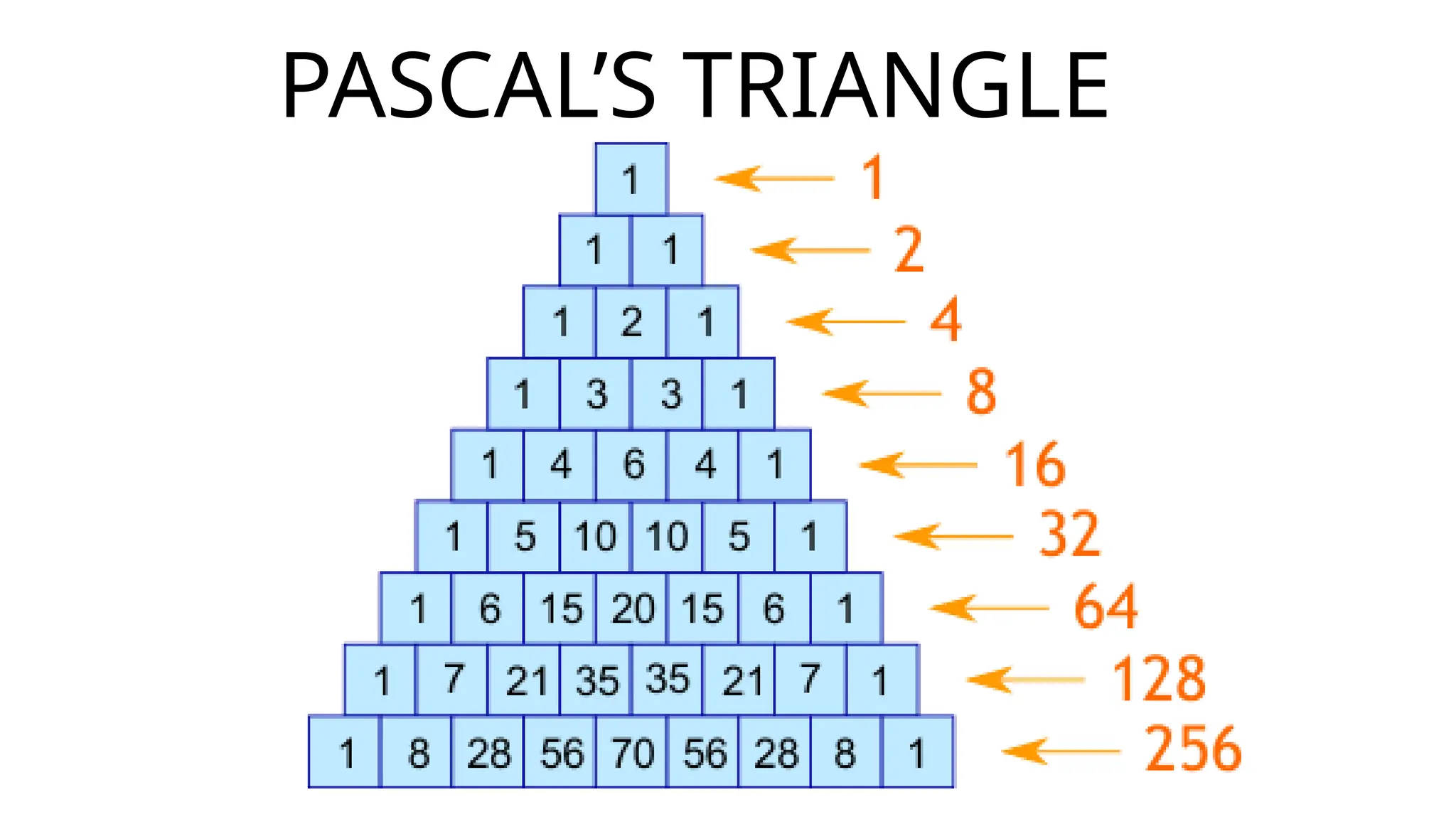
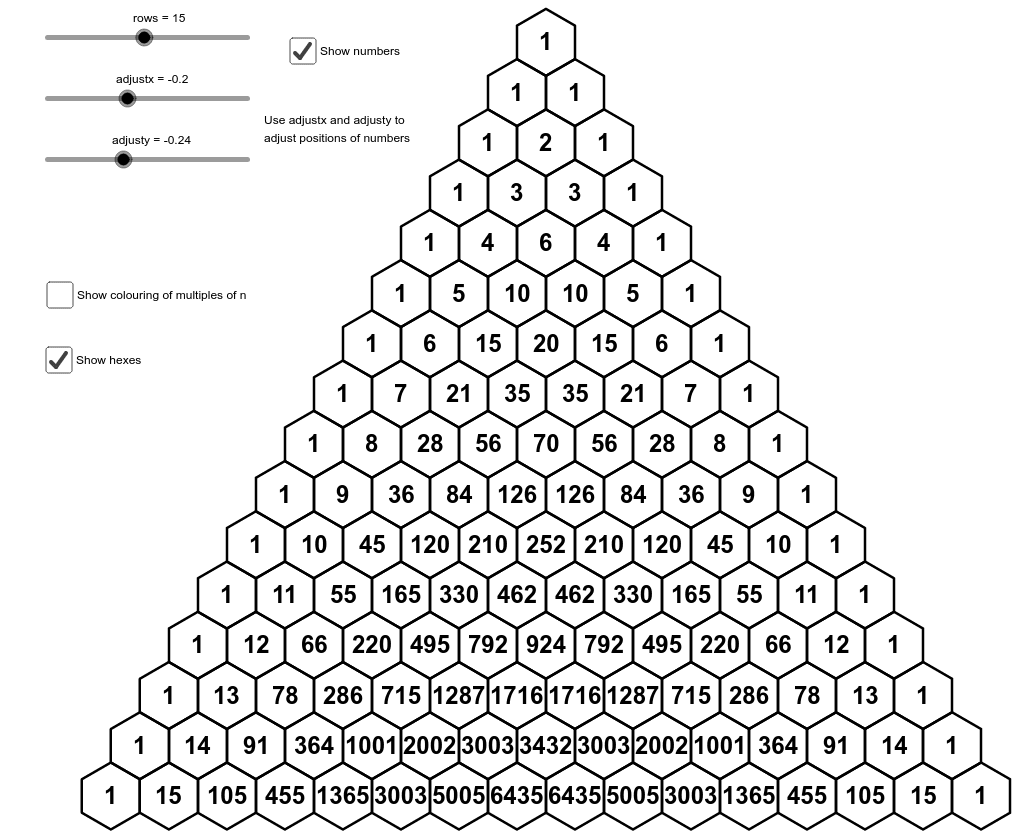
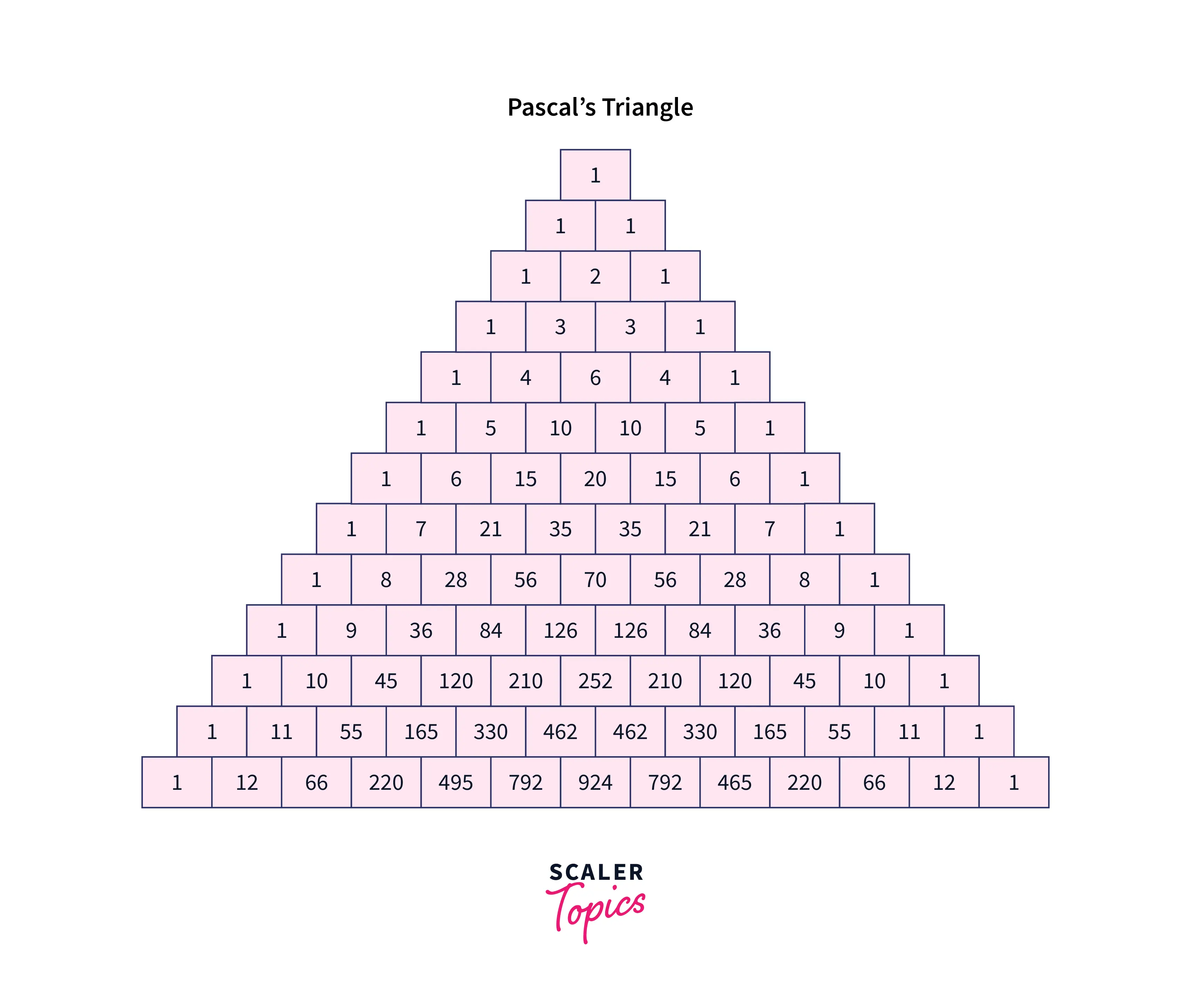
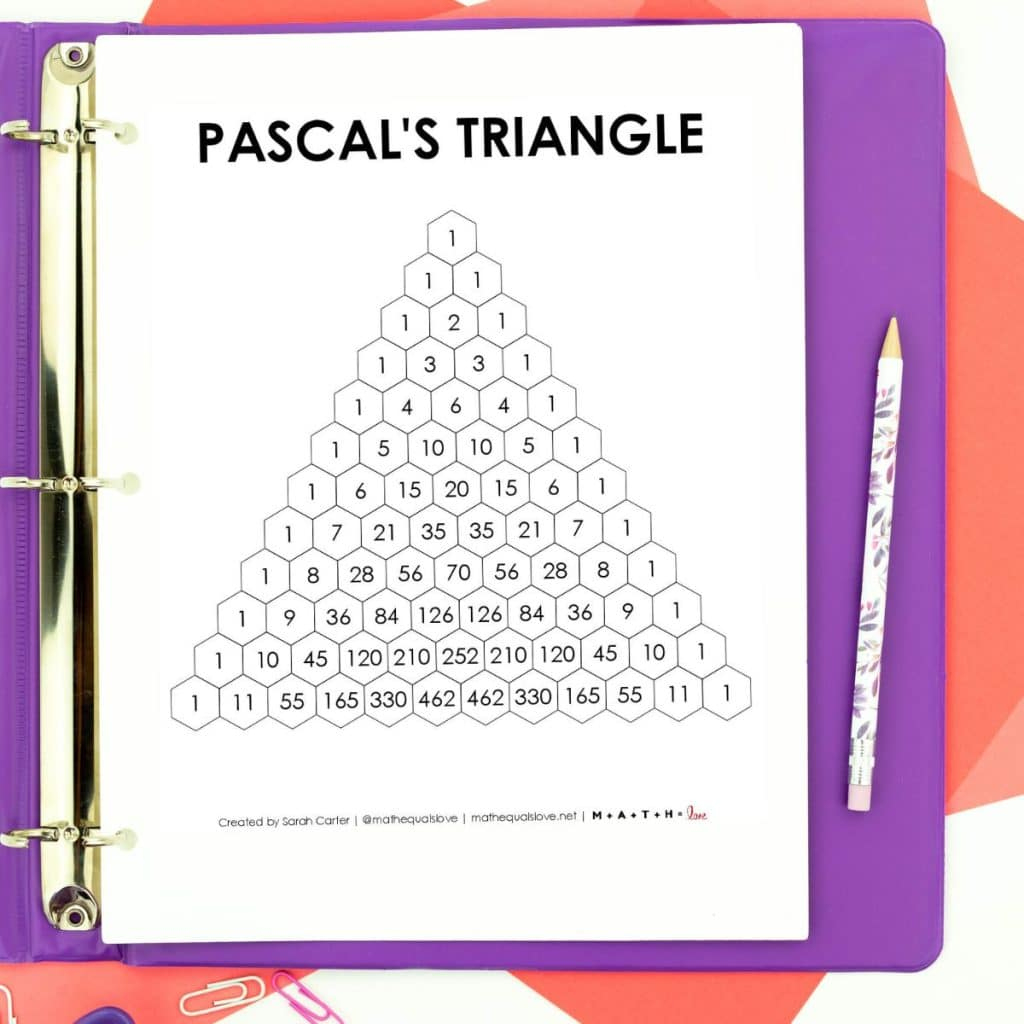
Pascal’s Triangle is a visual representation of binomial coefficients. Each row corresponds to the coefficients of (a + b)n, offering a bridge between algebra, combinatorics, and geometry. Its properties—such as the reflection symmetry, the sum of rows equaling powers of two, and the emergence of Fibonacci numbers—make it a rich source for inquiry-based learning. A worksheet that highlights these patterns invites students to discover connections rather than simply memorize.
Why Use a Pascal’s Triangle Worksheet?
Enhancing Logical Thinking
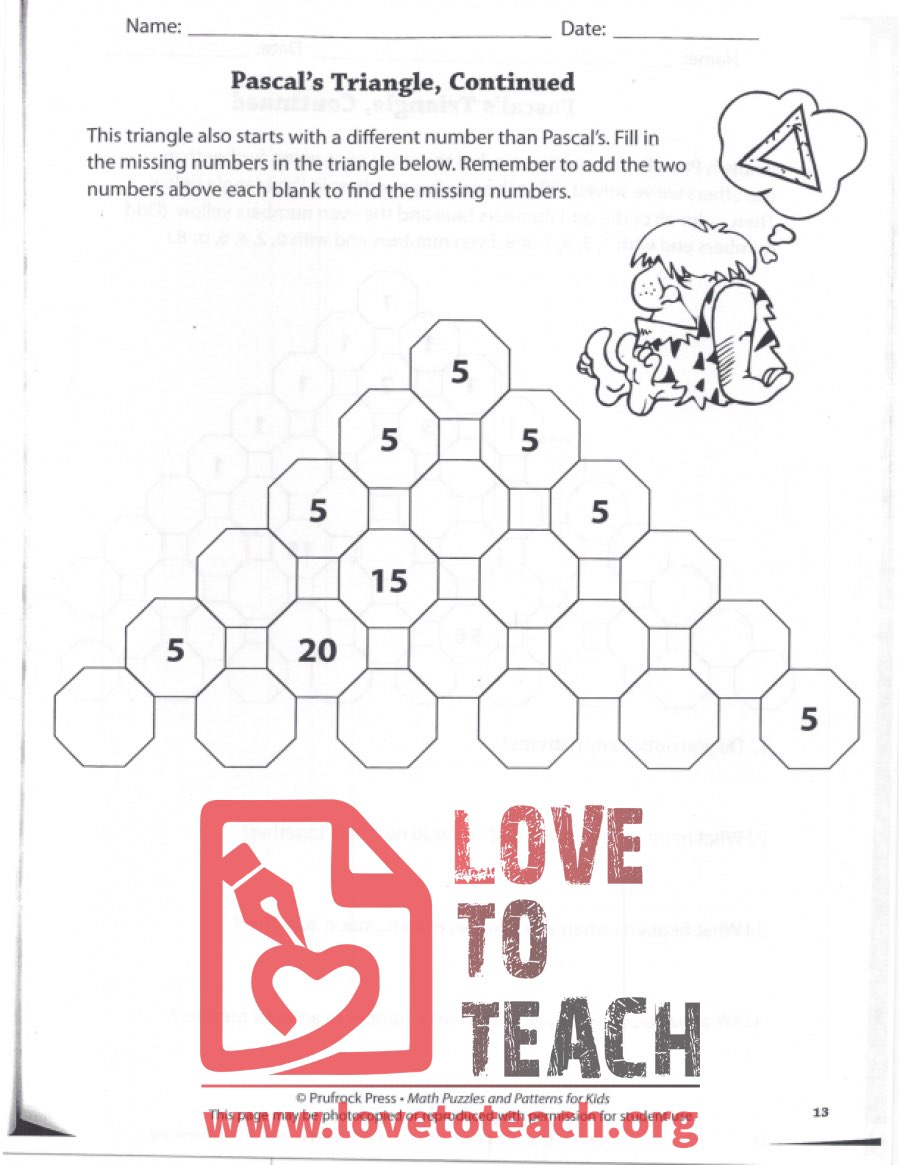
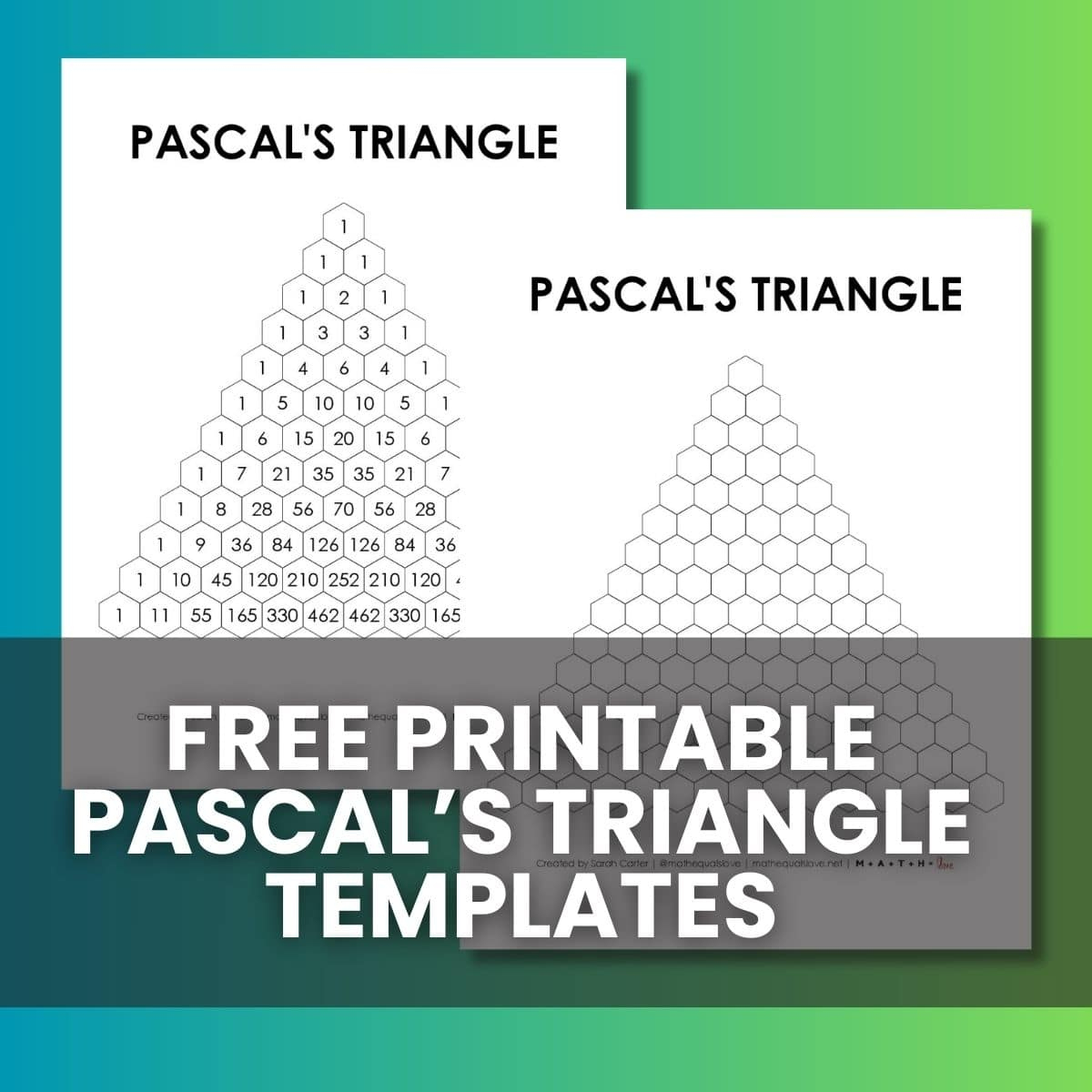
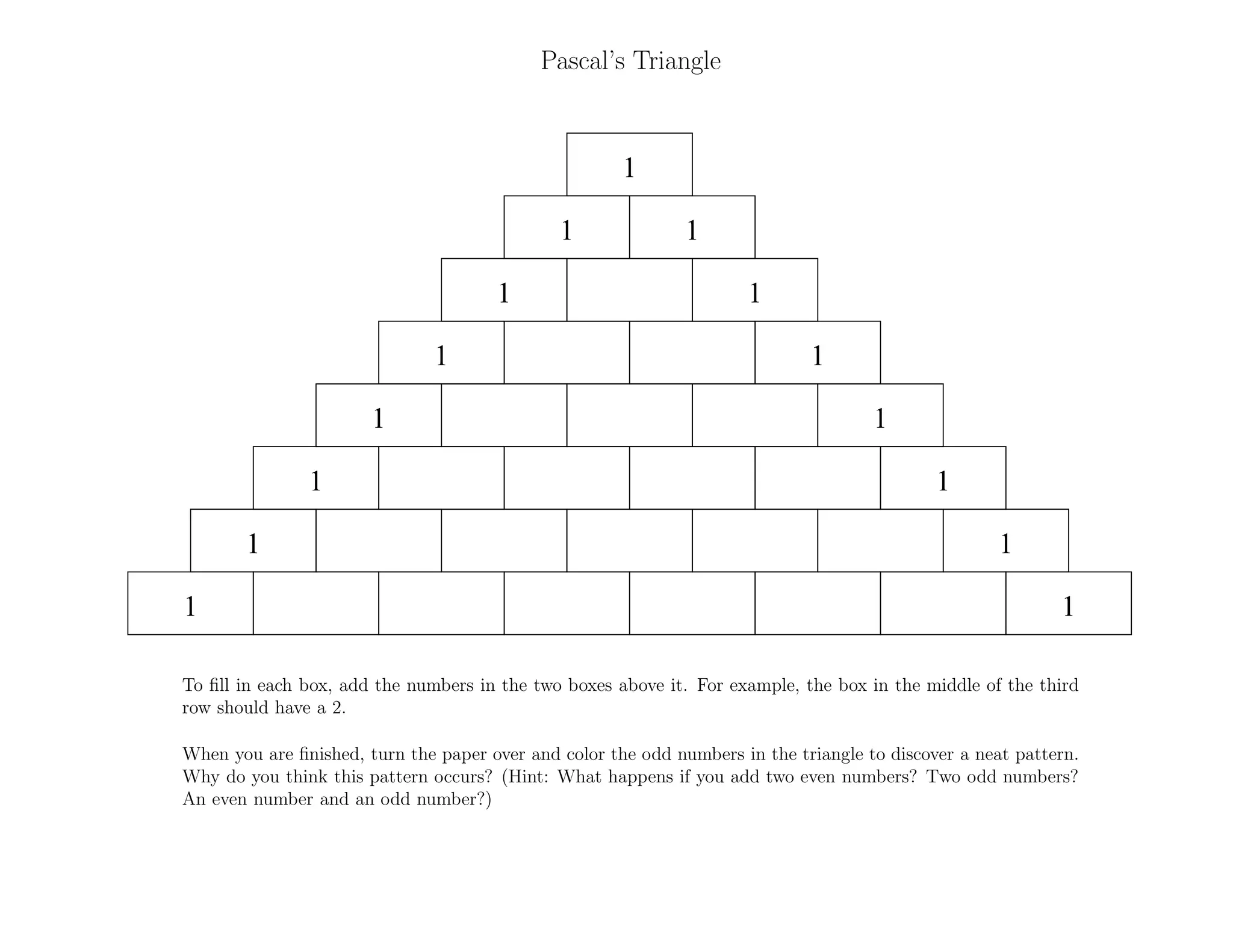
When students fill in rows of the triangle, they must apply the rule that each entry is the sum of the two above it. This simple operation develops recursive thinking and strengthens pattern recognition—skills essential for advanced mathematics, computer science, and even music theory. By integrating culturally resonant motifs, a worksheet can reinforce these logical steps in a context that feels familiar and meaningful.
Bridging Cultural Learning
Asian cultures value harmony, balance, and meticulousness—qualities reflected in the structured arrangement of the triangle. A worksheet that incorporates motifs such as bamboo, lotus, or the yin‑yang symbol can serve as a visual cue that ties mathematical concepts to cultural identity. This alignment not only deepens conceptual understanding but also fosters pride in heritage while navigating universal mathematical ideas.
Designing an Effective Worksheet
Choosing the Right Format
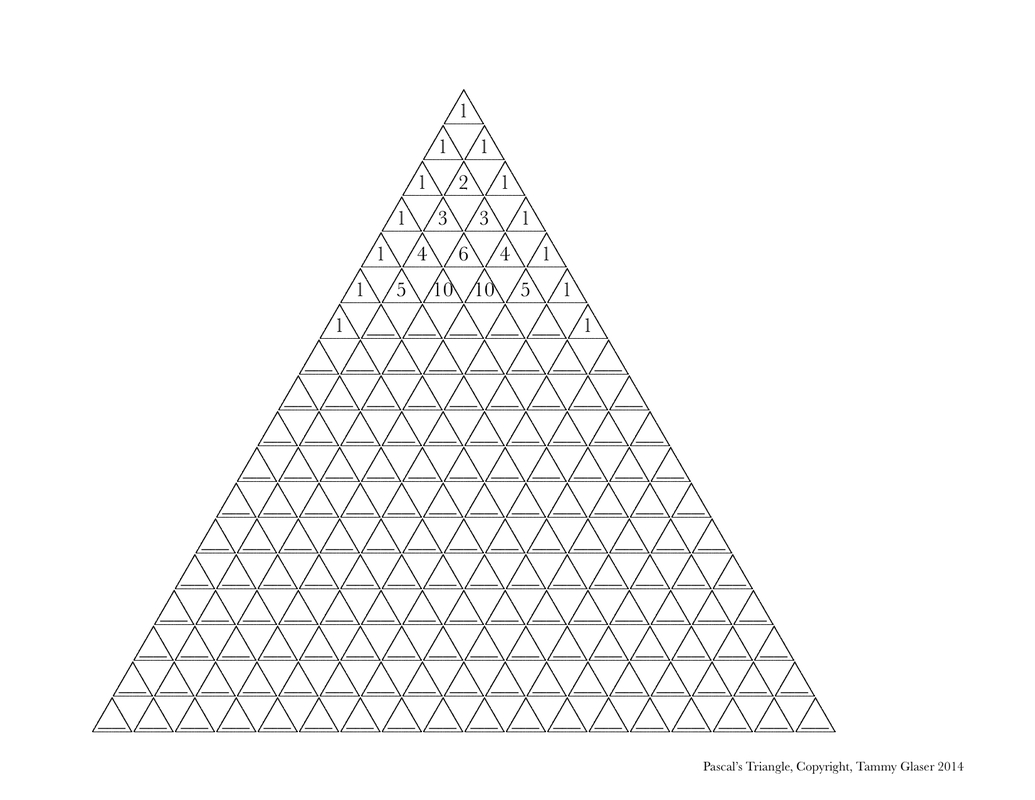
A clear, grid‑based layout is essential. Each cell should be large enough to accommodate numbers and annotations. For younger learners, shading the first few rows in subtle colors can aid visual grouping, while for advanced students, a blank grid encourages independent discovery. The overall length of the worksheet should match the class period—typically 8–12 rows for a 45‑minute lesson.
Incorporating Visual Elements
Color palettes inspired by traditional Japanese *kuroshio* (black tide) or Chinese *qing* (blue) hues create an inviting atmosphere. Borders can emulate calligraphic strokes, and icons such as a rising sun or a bamboo stalk can mark key milestones (e.g., the 5th row where Fibonacci numbers appear). Visual cues reduce cognitive load, allowing students to focus on the mathematics rather than the mechanics of the layout.
Adding Interactive Challenges
Interactive worksheets are not limited to paper. By embedding QR codes that link to animated triangle generators or simple coding challenges, students can experiment with real‑time updates. For instance, a QR code could direct to a web page where students input a number and see the corresponding row generated, reinforcing the relationship between theory and application.
Step-by-Step Guide to Create Your Own Worksheet
Step 1: Define Learning Objectives
Begin with clear goals: “Students will be able to generate the first 10 rows of Pascal’s Triangle and identify the sum of each row.” Write these objectives in a corner of the worksheet, using a small, elegant font that aligns with the overall design. This transparency sets the tone for purposeful learning.
Step 2: Structure the Content
Divide the worksheet into three parts:
- Section A – Guided practice: students fill in rows with teacher prompts.
- Section B – Exploratory tasks: open‑ended questions such as “Find a row where all numbers are prime.”
- Section C – Reflection: students write a brief paragraph on how the triangle connects to a cultural artifact they know.
Step 3: Visual Design Principles
Use a consistent grid line thickness and a subtle background texture that resembles rice paper. Align numbers to the right within each cell for a clean, mathematical look. Add small, decorative flourishes (e.g., a cherry blossom in the top left corner) to maintain cultural relevance without distracting from the content.
Step 4: Sample Questions
Include a variety of question types:
- Fill‑in the blank: “Row 7 begins with ___.”
- Pattern identification: “Which row contains the first odd number greater than 10?”
- Application: “Use the triangle to calculate the number of ways to choose 3 items from 8.”
- Creative: “Sketch a small pattern inspired by the triangle’s symmetry.”
Step 5: Review and Feedback
After distributing the worksheet, allocate time for a class discussion. Encourage students to share their strategies and the cultural insights they uncovered. Provide immediate feedback on common misconceptions—such as forgetting the zero on the outside edges—so that future worksheets can address these gaps.
Real-World Applications and Cultural Connections
Pattern Recognition in Traditional Art
Many Asian textiles, such as Chinese brocade and Japanese *kintsugi* designs, rely on repeating motifs that mirror the binomial patterns of Pascal’s Triangle. By drawing parallels between the triangle’s rows and the symmetrical patterns in these artworks, students see how mathematics informs aesthetic creation.
Combinatorics in Asian Cuisine
Japanese sushi chefs often calculate portion combinations to minimize waste and maximize flavor harmony. A simple triangle calculation can determine the number of ways to select a set of ingredients, illustrating combinatorics in everyday culinary practice.
Probability in Japanese Game Theory
The board game *Go* involves probabilistic outcomes that can be modeled using binomial coefficients. By applying Pascal’s Triangle, students can estimate the likelihood of specific board states, blending strategic thinking with mathematical modeling.
Tips for Teachers and Parents in Asia
Integrating Digital Tools
Platforms like Google Classroom or Microsoft Teams can host interactive worksheets. Teachers may upload PDF versions with editable fields or embed live calculators. Parents can support by encouraging the use of smartphone apps that visualize the triangle’s growth, reinforcing learning outside of school.
Encouraging Collaborative Learning
Group activities, such as a “triangle relay,” can foster teamwork. Each student starts a row, then passes the grid to the next partner to continue. This cooperative model reflects communal values and emphasizes collective problem‑solving.
Assessment Strategies
Formative assessment can include quick checks: “Show me the 4th row in under 30 seconds.” Summative assessment could involve a short project where students create a poster combining a triangle and an art piece, demonstrating mastery of both content and cultural integration.
Conclusion
When crafted with cultural sensitivity, a Pascal’s Triangle Worksheet transforms abstract numbers into a living tapestry of logic, history, and creativity. By aligning mathematical exploration with Asian artistic traditions, educators empower students to see patterns not only on paper but in the world around them. This synergy of culture and calculation not only enriches the learning experience but also nurtures a lifelong appreciation for the elegance that mathematics brings to our lives.








Related posts of "Pascal's Triangle Worksheet"
