Partial Quotient Division Worksheets serve as a bridge between abstract division concepts and tangible problem‑solving steps, especially for learners who thrive with incremental progress. By breaking a dividend into manageable chunks, students can see how each partial division contributes to the final quotient, creating a sense of control and clarity that resonates with educational philosophies emphasizing gradual mastery.
Understanding Partial Quotient Division
What It Means
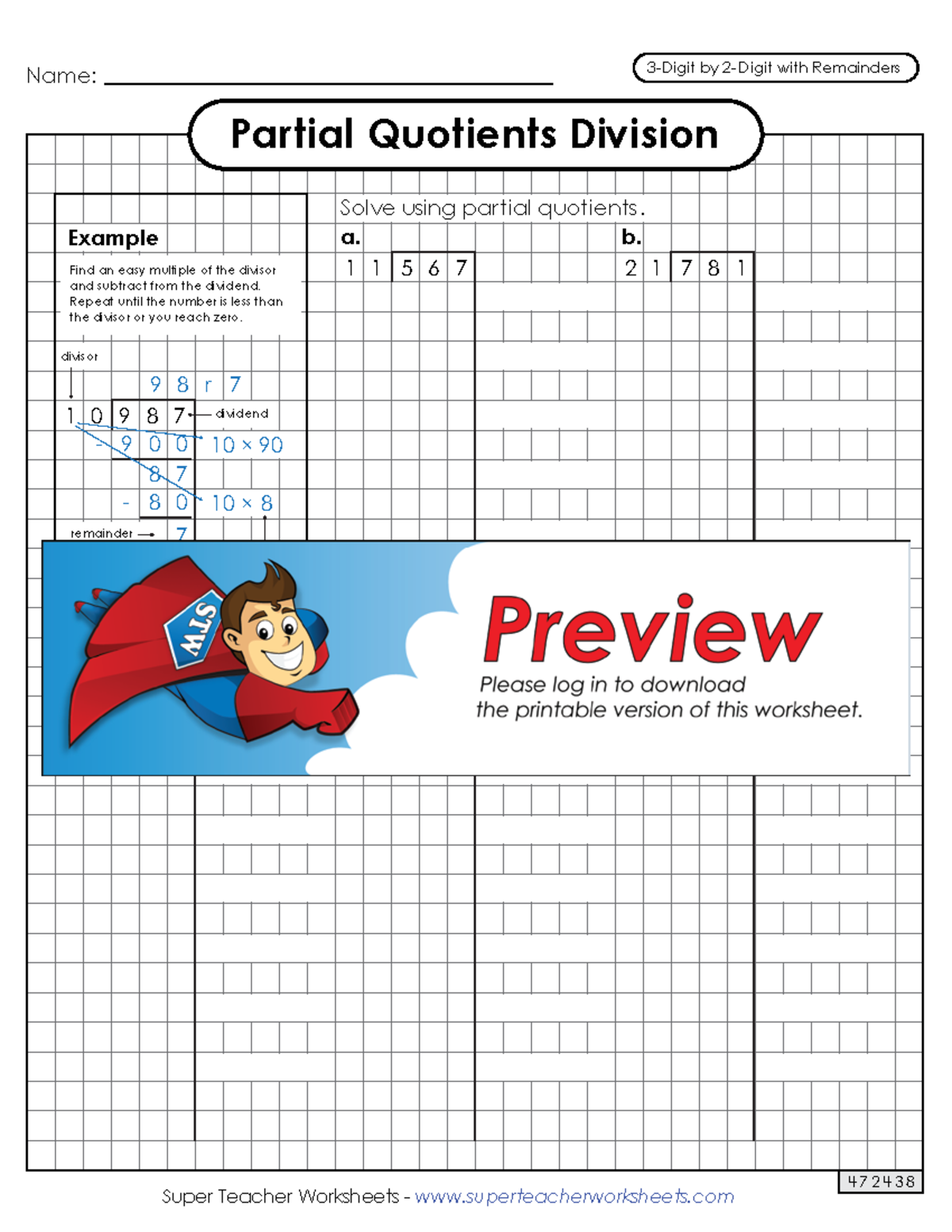
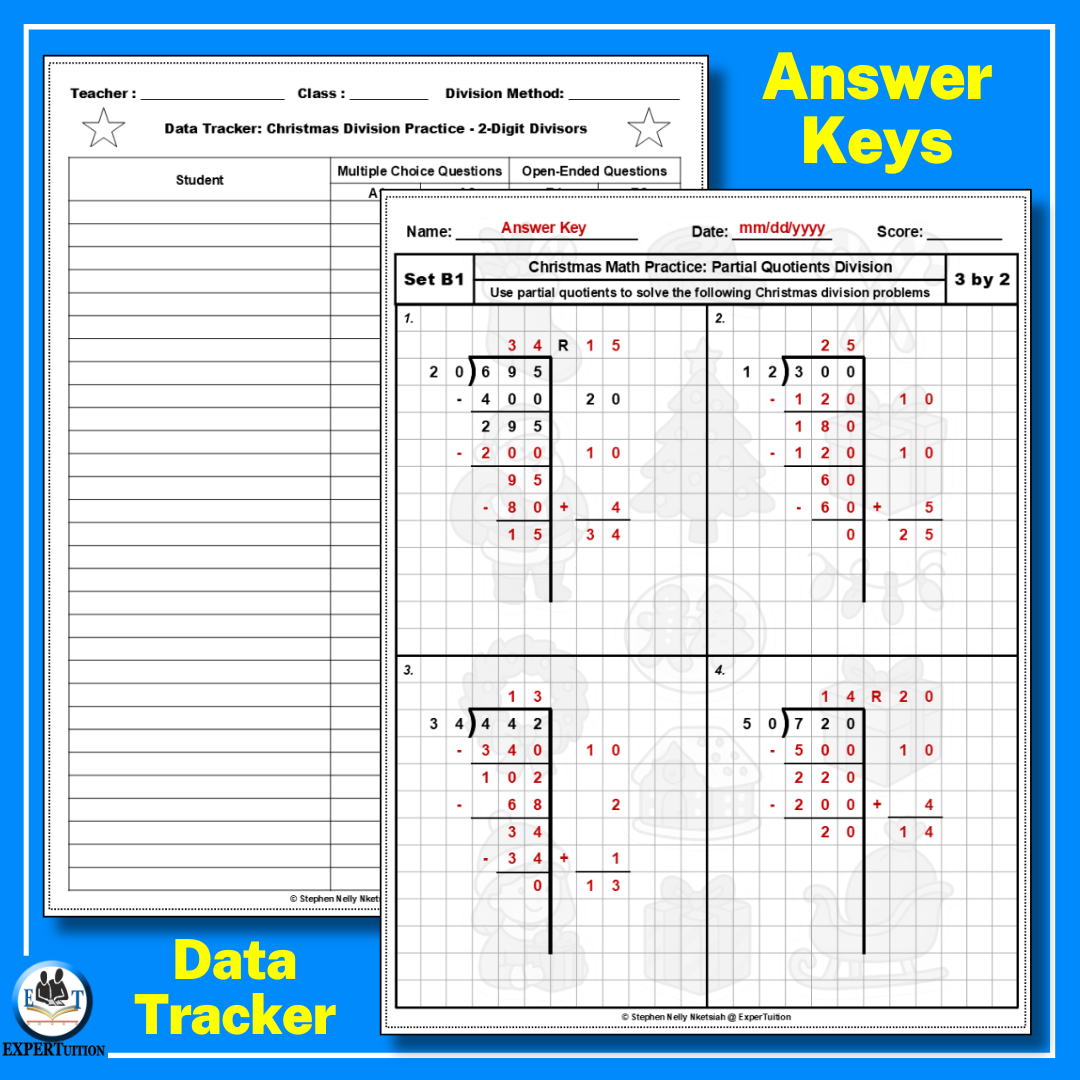
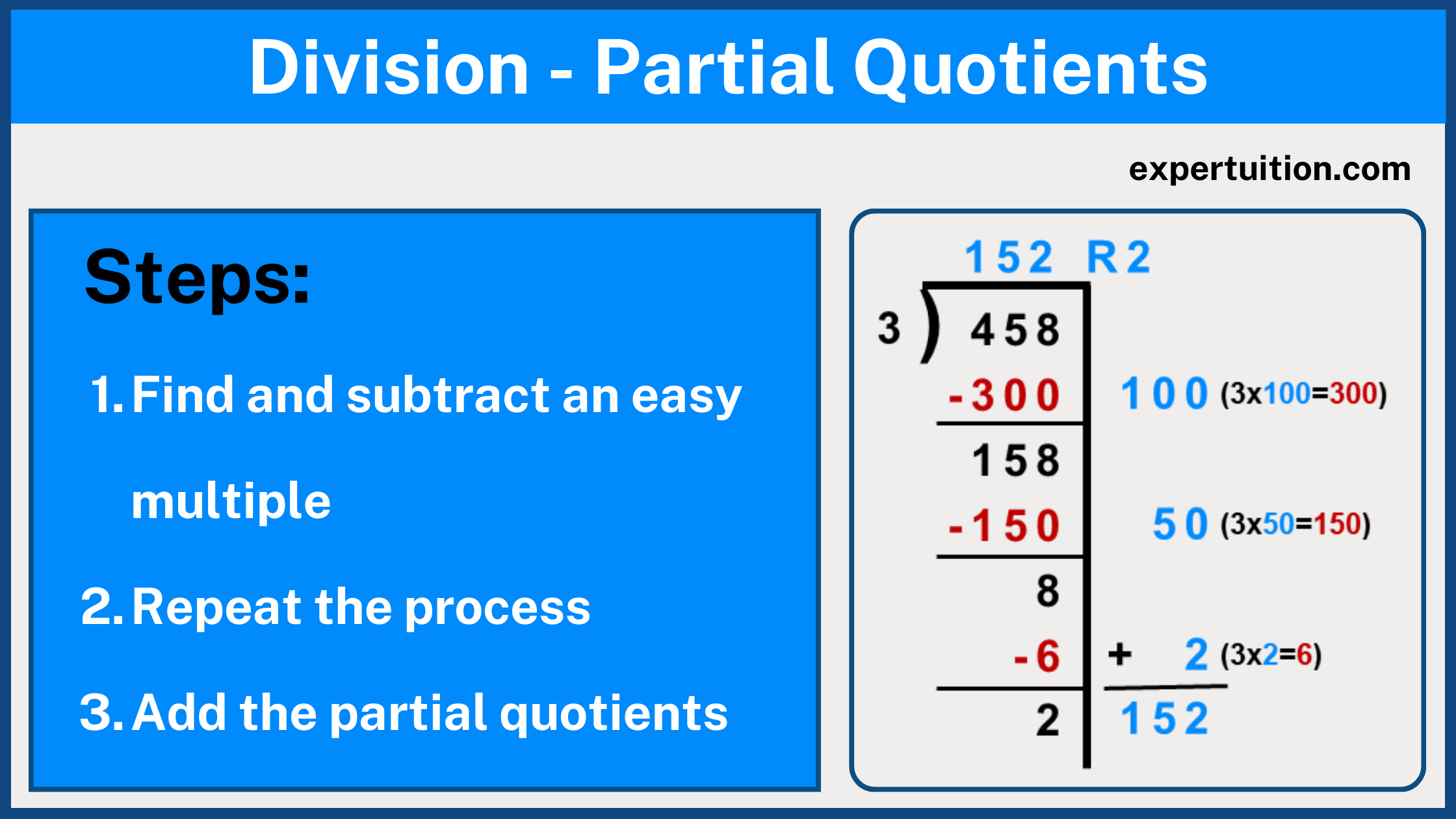
Partial quotient division is a step‑by‑step approach to dividing large numbers without immediately relying on long division algorithms. Students first estimate how many times the divisor can fit into a leading portion of the dividend, write that estimate, and then subtract the resulting product from the dividend. They repeat the process with the remainder until the entire dividend is exhausted. Each estimate becomes a “partial quotient,” and the sum of all partial quotients equals the final answer.
Why It Matters in Education
In many Asian classrooms, the emphasis is placed on precision, patience, and respect for the learning process. Partial quotient worksheets align with this mindset by allowing students to proceed methodically, fostering confidence as they validate each step. The visual breakdown also supports learners who prefer concrete representations before moving to abstract symbols, a teaching style common in many East‑Asian cultures.
Designing Effective Worksheets
Key Elements to Include
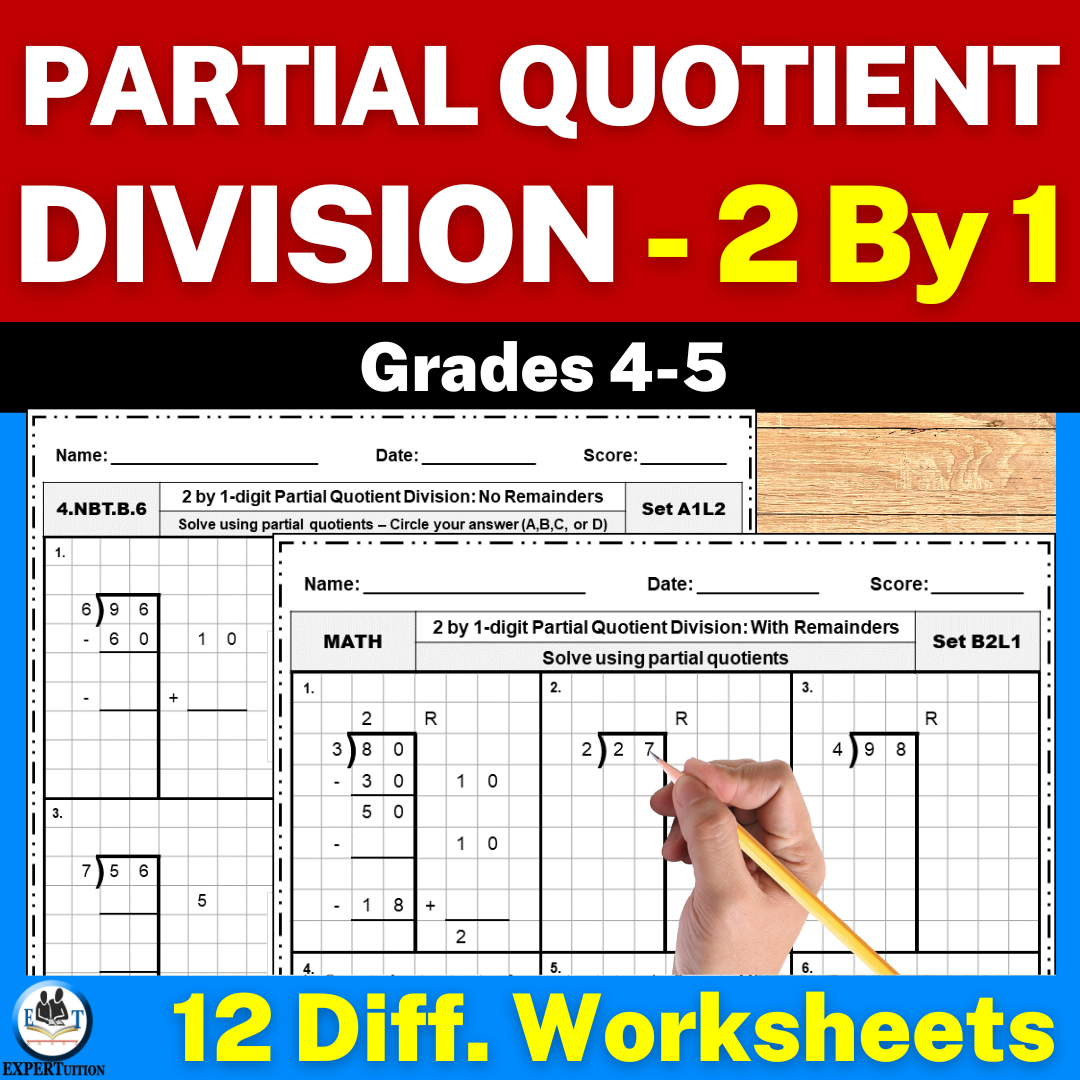
- Clear Objectives – Each worksheet should state the division problem and the expected partial quotient steps.
- Progressive Difficulty – Start with simple, single‑digit divisors and gradually increase complexity.
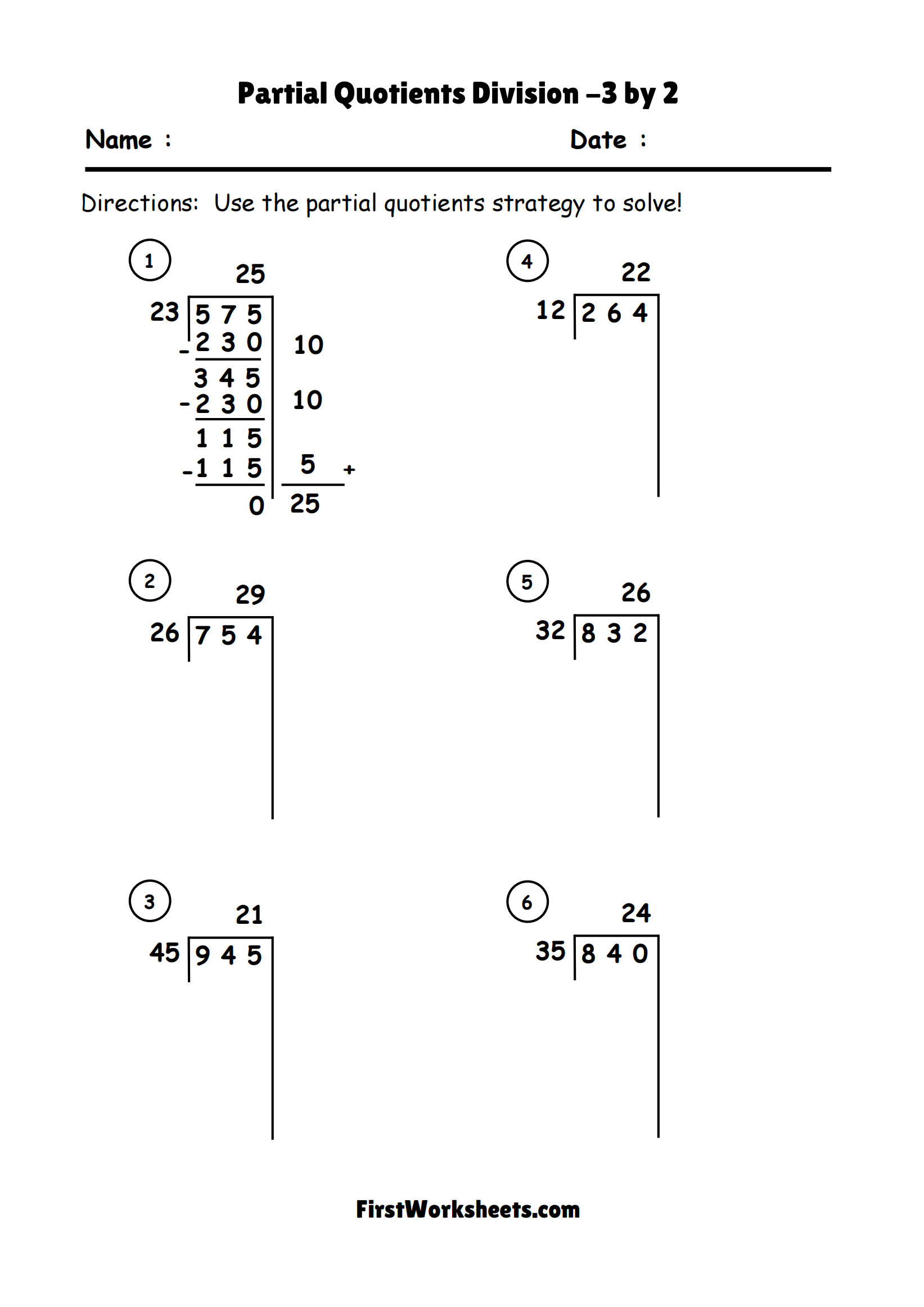
- Space for Calculations – Provide ample room for students to write partial quotients and intermediate calculations.
- Visual Cues – Use lines or color blocks to separate each partial division stage.
- Reflection Questions – After solving, ask students to explain why each estimate was chosen.
Step‑By‑Step Construction Guide
- Choose a dividend that is at least three digits long; this ensures enough room for multiple partial steps.
- Select a divisor that does not share common factors with the dividend to encourage true estimation skills.
- Write the division problem at the top of the worksheet in a bold, legible font.
- Below the problem, draw a vertical line for the dividend and a horizontal line for each partial quotient to be written.
- Provide an initial “guess” area where students can write their first estimate of how many times the divisor fits into the leading digits.
- After each partial calculation, include a subtraction area to show the remainder.
- Finish with a summary box that encourages students to sum the partial quotients and verify the final quotient.
Illustrative Example
Divide 5,436 by 7 using partial quotients. Begin by estimating how many times 7 fits into the first two digits, 54. The answer is 7 with a remainder of 5. Next, bring down the 3, creating 53; 7 fits 7 times again, remainder 4. Finally, bring down the 6 to form 46, and 7 fits 6 times, remainder 4. The partial quotients are 7, 7, and 6, summing to 20. Verify by multiplying 20 × 7 = 140 and adding the remaining 4 gives 5,436. This simple example demonstrates how each partial quotient builds towards the final result.
Integrating Cultural Context for an Asian Audience
Incorporating Traditional Storytelling
Asian cultures often use storytelling as an educational tool. Frame partial quotient worksheets around narratives – for instance, a merchant dividing goods into equal portions for each customer. This contextualizes division, turning it from a dry calculation into a relatable scenario that honors local storytelling traditions.
Using Numerals and Visual Aids
Incorporate culturally familiar symbols such as lotus petals or bamboo sticks to represent numbers. Visual aids help learners see patterns and relationships, a technique widely employed in East Asian math instruction. For example, a set of bamboo sticks could illustrate the remainder after each partial division, reinforcing the idea of “what remains” in a tangible way.
Practical Strategies for Teachers and Parents
Sequencing the Lessons
Begin with estimation drills where students guess how many times a divisor fits into a single-digit number. Progress to two‑digit estimations, then full multi‑digit partial quotient problems. This scaffold mirrors the incremental learning pace valued in many Asian education systems.
Monitoring Progress with Feedback
After each worksheet, conduct a brief discussion where students explain their estimation choices. Provide constructive feedback that praises strategic thinking and corrects misconceptions. This dialogue reflects the respect for individual growth that characterizes effective Asian pedagogies.
Adapting to Different Learning Styles
Some students thrive in visual environments; offer color‑coded worksheets. Others prefer verbal reasoning; encourage verbal explanations of each step. By aligning worksheet design with diverse learning preferences, you honor the holistic approach to education prevalent in many Asian cultures.
Common Challenges and How to Overcome Them
Handling Remainders
Students often struggle with non‑zero remainders. Provide explicit steps: after each subtraction, clearly label the remainder and show how it feeds into the next partial calculation. Use real‑world analogies, such as dividing a batch of rice into equal portions with leftover grains, to make remainders concrete.
Keeping Students Motivated
Incorporate gamified elements like a “division leaderboard” where students track how many correct partial quotients they achieve across worksheets. Celebrate milestones with symbolic rewards—perhaps a virtual certificate shaped like a cherry blossom—reinforcing cultural appreciation and motivation.
Sample Worksheet Template
Template Layout
Start with a header: “Partial Quotient Division Practice – Focus: Estimation and Remainder.” Below, present the division problem and a table with columns for the divisor, partial quotient, product, and remainder. Ensure each row is large enough for handwritten work.
Answer Key Tips
Provide an answer key that not only lists the final quotient but also explains each partial step. Highlight common pitfalls, such as over‑estimating or under‑estimating early quotients, and offer a brief correction strategy. This transparency encourages self‑correction and deeper understanding.
Conclusion
Partial Quotient Division Worksheets are more than a teaching tool; they embody a philosophy of patience, precision, and incremental learning that is deeply rooted in Asian educational traditions. By thoughtfully designing worksheets that include clear objectives, cultural relevance, and practical strategies, educators and parents can guide students toward mastery of division in a way that feels both logical and meaningful. Embrace the step‑by‑step journey, celebrate each partial success, and watch learners transform abstract numbers into confident, strategic thinkers.



Related posts of "Partial Quotient Division Worksheets"
