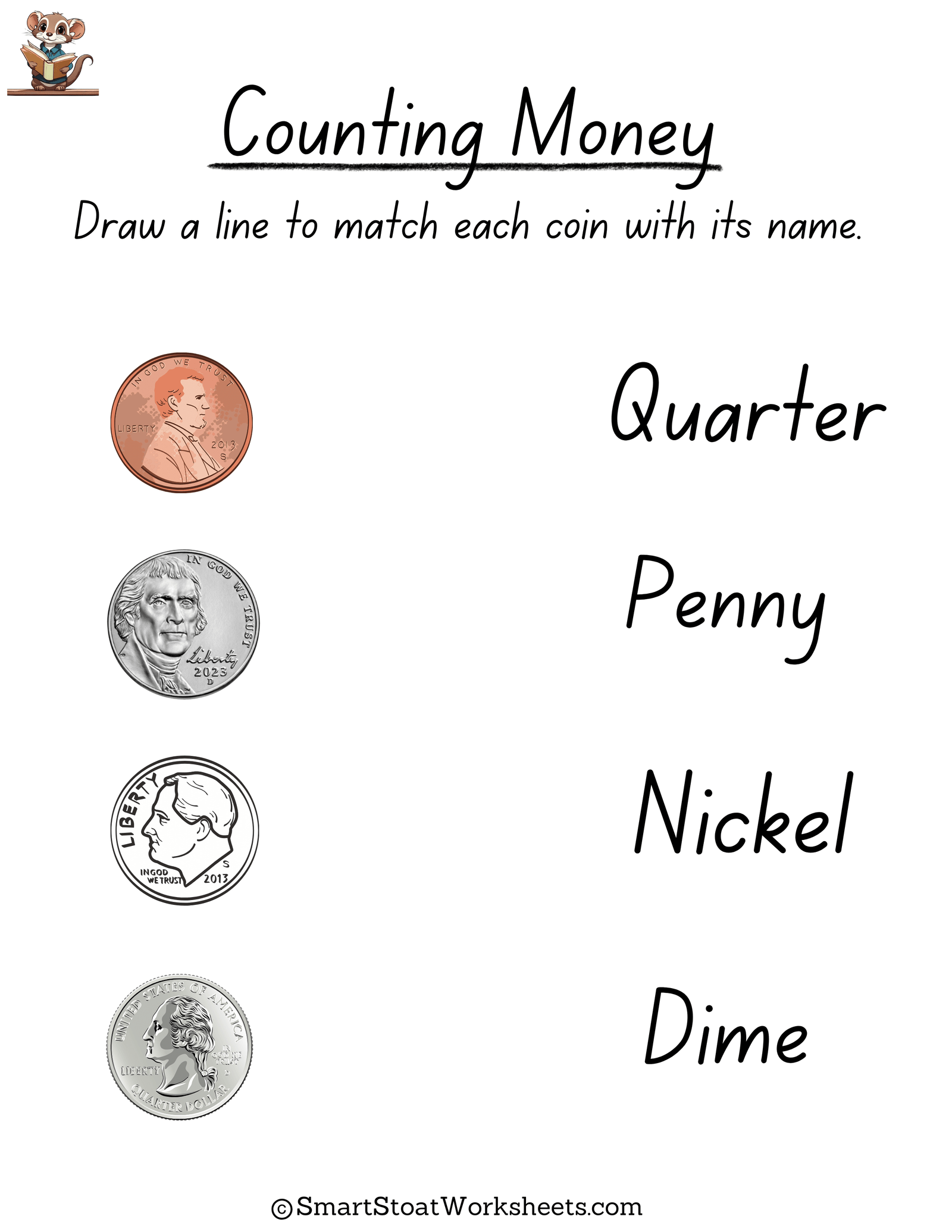
Money Worksheets For Kindergarten are the secret sauce that turns tiny tots into pint‑size financial wizards, and trust us, they’re way more fun than you’d think—think of it as a comedy show where the punchline is a pile of colorful coins and a giggling kid who finally knows that a nickel isn’t a new video game console.
Why Money Skills Matter Early
Before your child can master the art of tying their shoes, they’re already faced with the eternal dilemma of “Should I trade my apple for a sticker?” Teaching money concepts in kindergarten lays a foundation for critical thinking, patience, and the ability to count without resorting to “one, two, three… uh… a lot.” Early money literacy also helps prevent future financial mishaps, like buying a lifetime supply of glitter pens because they “look sparkly.”
Building Numerical Confidence
Counting coins forces kids to practice one‑to‑one correspondence, a core math skill. When a child can say “two quarters make fifty cents,” they’re not just reciting facts; they’re training their brain to recognize patterns, a skill that will later help them solve algebraic riddles without pulling out a stress ball.
Understanding Value and Choice
Money worksheets introduce the concept of value hierarchy—why a dollar is more powerful than a penny. This subtle lesson in decision‑making can be likened to a mini‑courtroom drama where the child is the judge, the coin is the evidence, and the snack is the verdict.
Choosing the Right Money Worksheets
Not all worksheets are created equal; some look like they were designed by a bored accountant, while others sparkle brighter than a unicorn’s mane. The best worksheets strike a balance between visual appeal, age‑appropriate challenge, and a sprinkle of humor to keep kids giggling while they learn.
Visual Appeal and Layout
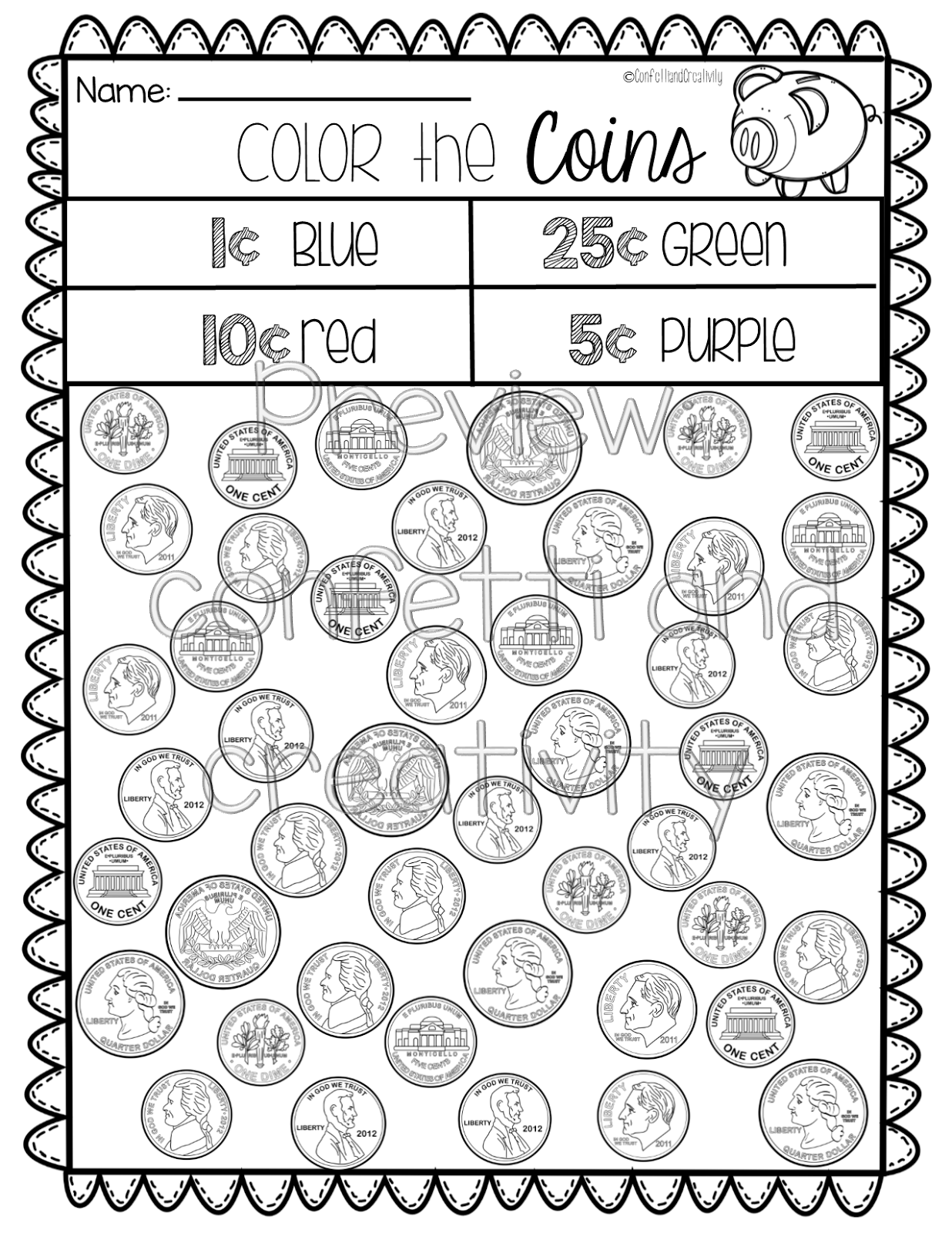
Bright colors, clear fonts, and recognizable objects (think cartoon apples, toy cars, or superhero stickers) keep young eyes glued to the page. A cluttered worksheet is like a chaotic playground—fun for a minute, but quickly overwhelming.
Progressive Difficulty
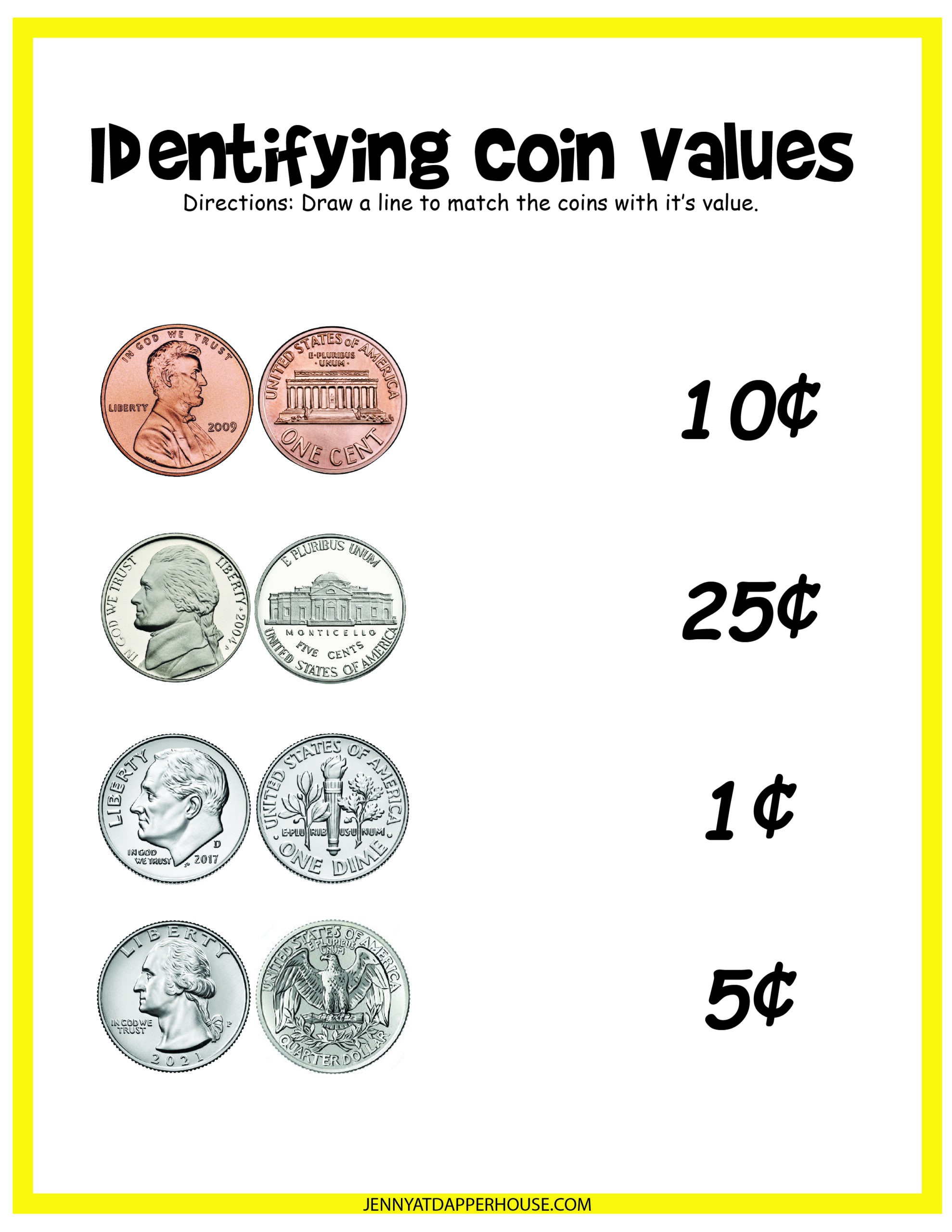
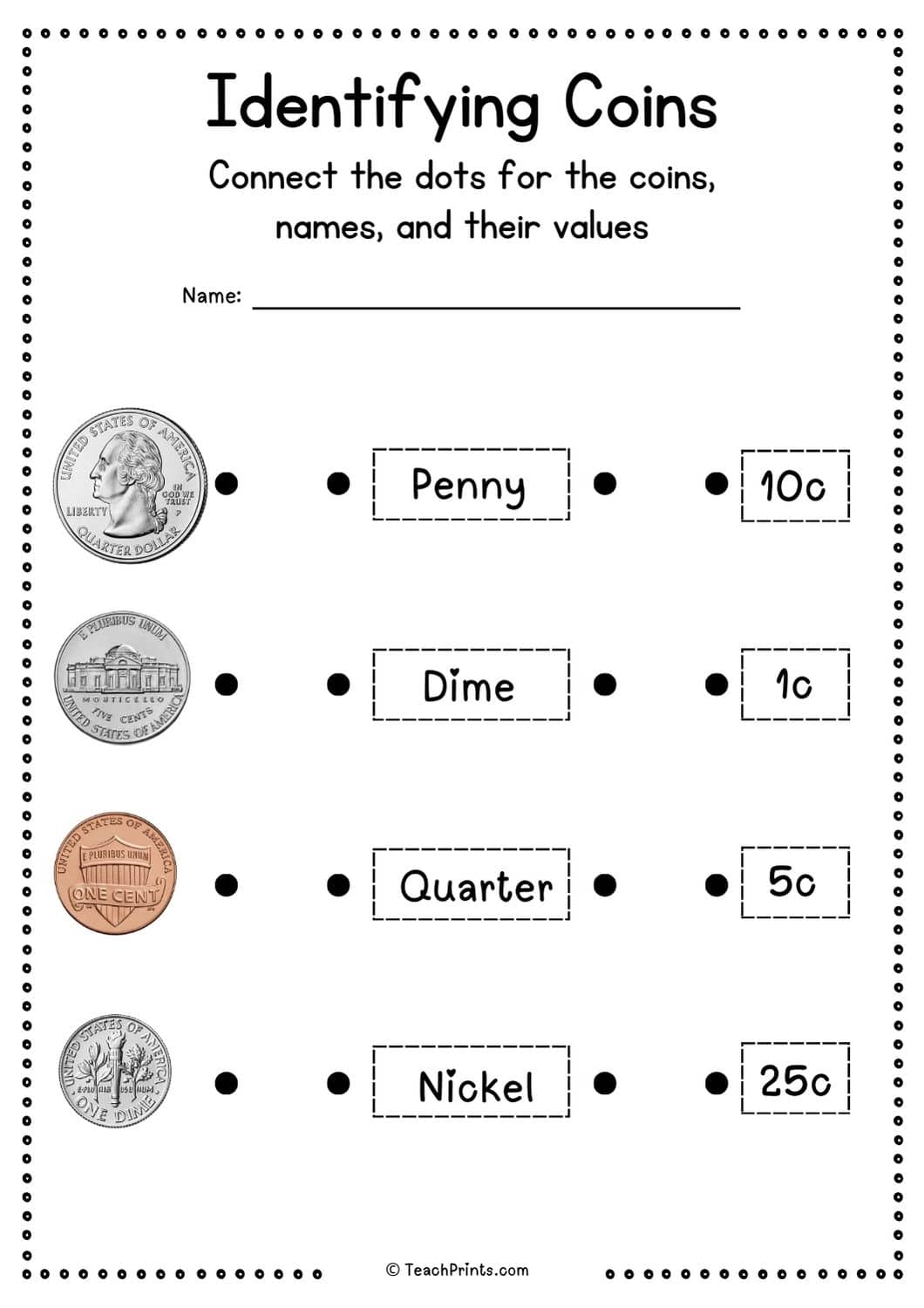
Start with simple recognition—“Circle the nickel.” Then graduate to addition—“If you have a dime and a quarter, how much do you have?” Finally, sprinkle in word problems that make kids think, “If I buy three gummy bears for 15 cents each, do I have enough money for a sticker that costs 50 cents?” This laddered approach ensures mastery without a crash.
Humorous Elements
Incorporate jokes like “Why did the coin go to school? Because it wanted to be a little change!” Such puns make the worksheets memorable, and kids love the silly side‑notes that turn learning into a comedy club.
How to Use Worksheets Effectively
Even the most brilliant worksheet can flop if used incorrectly. Think of yourself as a director of a money‑themed sitcom—timing, pacing, and audience engagement are key.
Set a Playful Atmosphere
Begin with a quick “money chant” (e.g., “Dimes, nickels, quarters—let’s count them all!”) to signal that learning time is also playtime. A small reward, like a gold‑star sticker, reinforces positive behavior without turning the activity into a bribery session.
Model the Process
Demonstrate a sample problem using real coins. Show the child how to line up a quarter, a dime, and a nickel, then count aloud. This visual and auditory reinforcement helps bridge the gap between abstract symbols and tangible objects.
Encourage Independent Thinking
After modeling, give the child space to solve the worksheet on their own. Resist the urge to swoop in at the first sign of confusion; a little struggle is the brain’s way of doing push‑ups.
Review and Celebrate
Once the worksheet is completed, go through the answers together. Celebrate correct answers with a goofy dance or a “money‑master” proclamation. For mistakes, use humor—“Oops, looks like that penny tried to disguise itself as a nickel!”—to keep the mood light.
Creative Activities to Complement Worksheets
Worksheets are the main course, but a balanced “curriculum diet” includes side dishes that reinforce concepts in different formats.
Coin Sorting Games
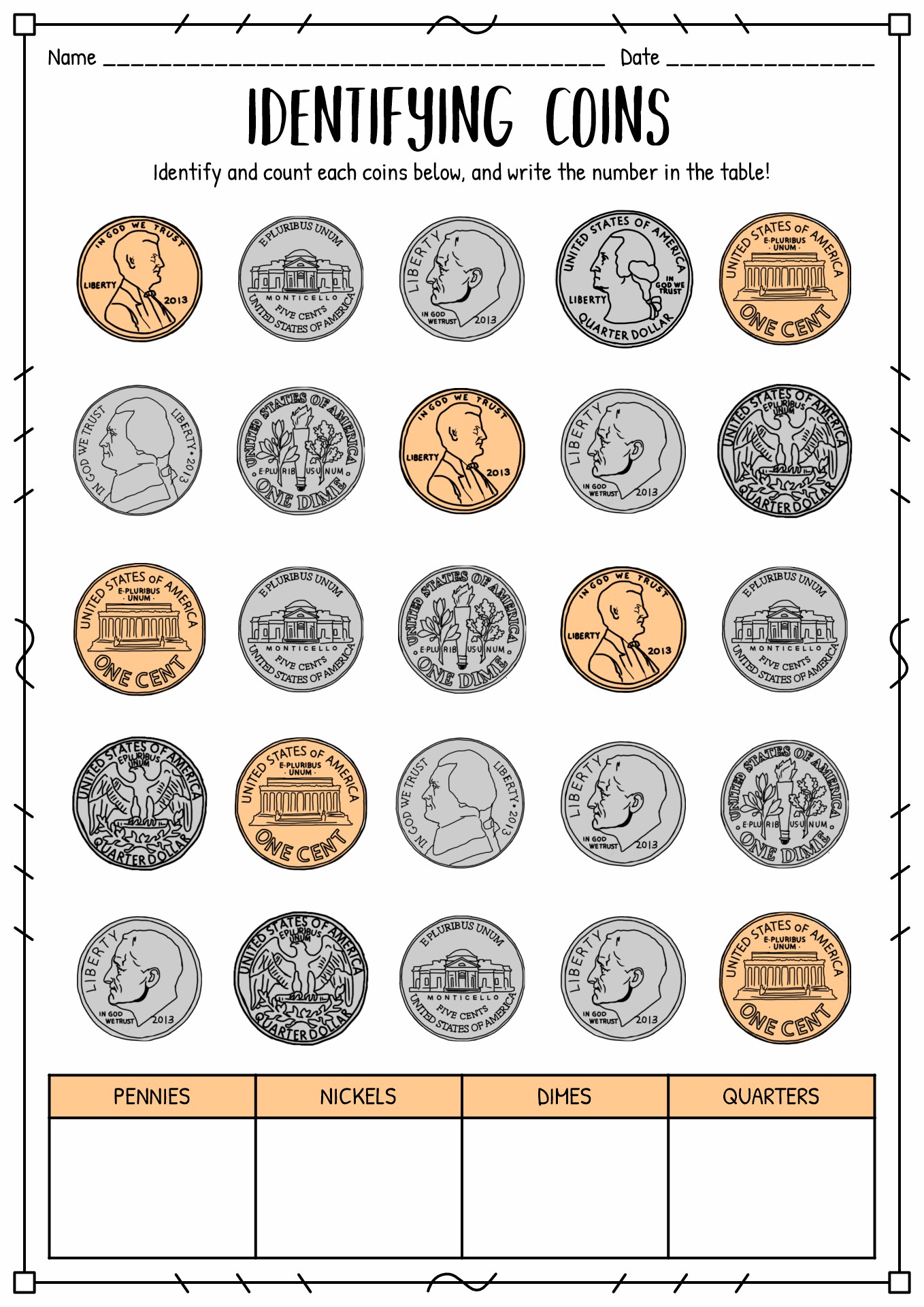
Fill a shallow tray with a mix of pennies, nickels, dimes, and quarters. Challenge kids to sort them into separate piles within a time limit. Add a twist: each correctly sorted pile earns a “money badge” (a sticker shaped like a dollar sign).
Play Store Role‑Play
Set up a mini‑store with price tags on toys or snacks. Give kids a small “budget” of play money and let them “shop.” This real‑world application reinforces addition and subtraction while they negotiate for the best deal—often resulting in a hilarious debate over whether a plush dinosaur is worth two quarters or three dimes.
DIY Money Art
Provide paper plates, glue, and printed images of coins. Kids can create a collage of “my dream savings.” This activity merges fine motor skills with financial goals, and the resulting artwork is perfect for displaying on the fridge as a constant reminder of their budding money smarts.
Storytelling with Money
Ask children to invent a short story where a character must solve a problem using money—perhaps a squirrel needs to buy acorns for a winter stash. This narrative approach helps solidify the cause‑and‑effect relationship of spending and saving.
Tips for Parents and Teachers
Whether you’re a parent juggling bedtime stories and grocery trips or a teacher handling a classroom of energetic explorers, these tips will keep your money‑teaching mission on track.
Integrate Money Talk into Daily Life
Whenever you’re at the grocery store, point out price tags and ask, “If we buy two apples at 75 cents each, how much do we spend?” Real‑world contexts make abstract numbers feel concrete.
Keep Sessions Short and Sweet
Kindergarten attention spans are about as long as a goldfish’s memory. Aim for 10‑minute mini‑sessions packed with high energy rather than a 45‑minute marathon that ends in a tantrum over the missing crayons.
Use Positive Reinforcement
Acknowledge effort, not just accuracy. “You tried really hard to count those quarters—great job!” builds confidence and encourages persistence.
Adapt to Individual Learning Styles
Some kids are visual learners who need colorful charts, while others are tactile and prefer handling real coins. Offer both options to cater to diverse preferences.
Track Progress Without Pressure
Maintain a simple chart that marks each completed worksheet with a fun sticker. Over time, both child and adult can see the growth without the stress of grades or scores.
Conclusion
In the grand circus of kindergarten education, Money Worksheets For Kindergarten are the ringmaster that keeps the show organized, educational, and delightfully entertaining. By selecting engaging worksheets, using them with a playful yet structured approach, and reinforcing concepts through hands‑on activities, parents and teachers can empower young learners to become confident money managers—one giggle‑filled coin at a time. So grab those worksheets, sprinkle in a few jokes, and watch as your little ones transform from clueless cash collectors into savvy spenders, ready to conquer the world’s biggest piggy banks.








Related posts of "Money Worksheets For Kindergarten"
