Meiosis Worksheet Answer Key serves as a vital bridge between classroom theory and student mastery, turning the intricate dance of chromosomes into an accessible learning experience that resonates with the disciplined spirit of Asian educational traditions while speaking directly to an American audience.
Why a Meiosis Worksheet Answer Key Matters
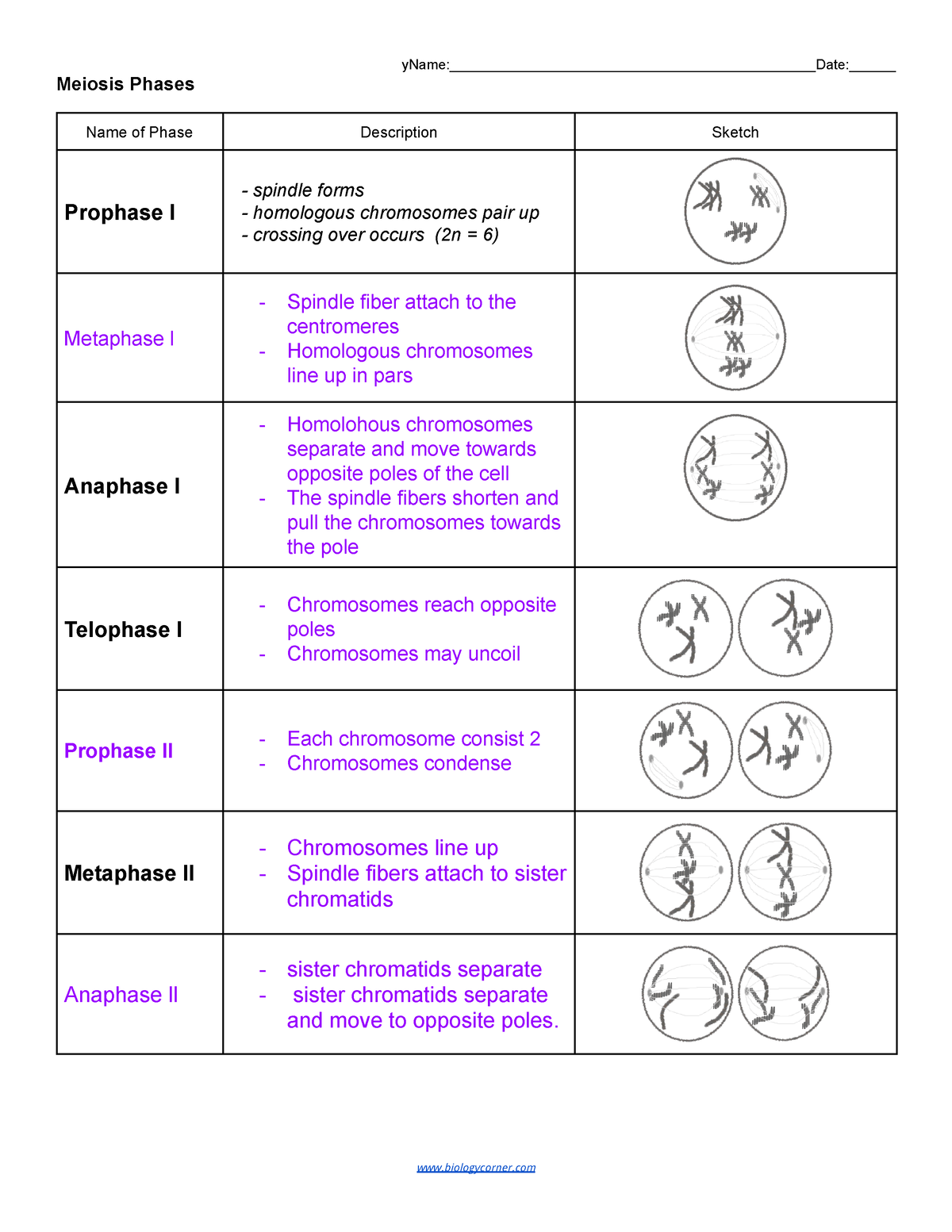
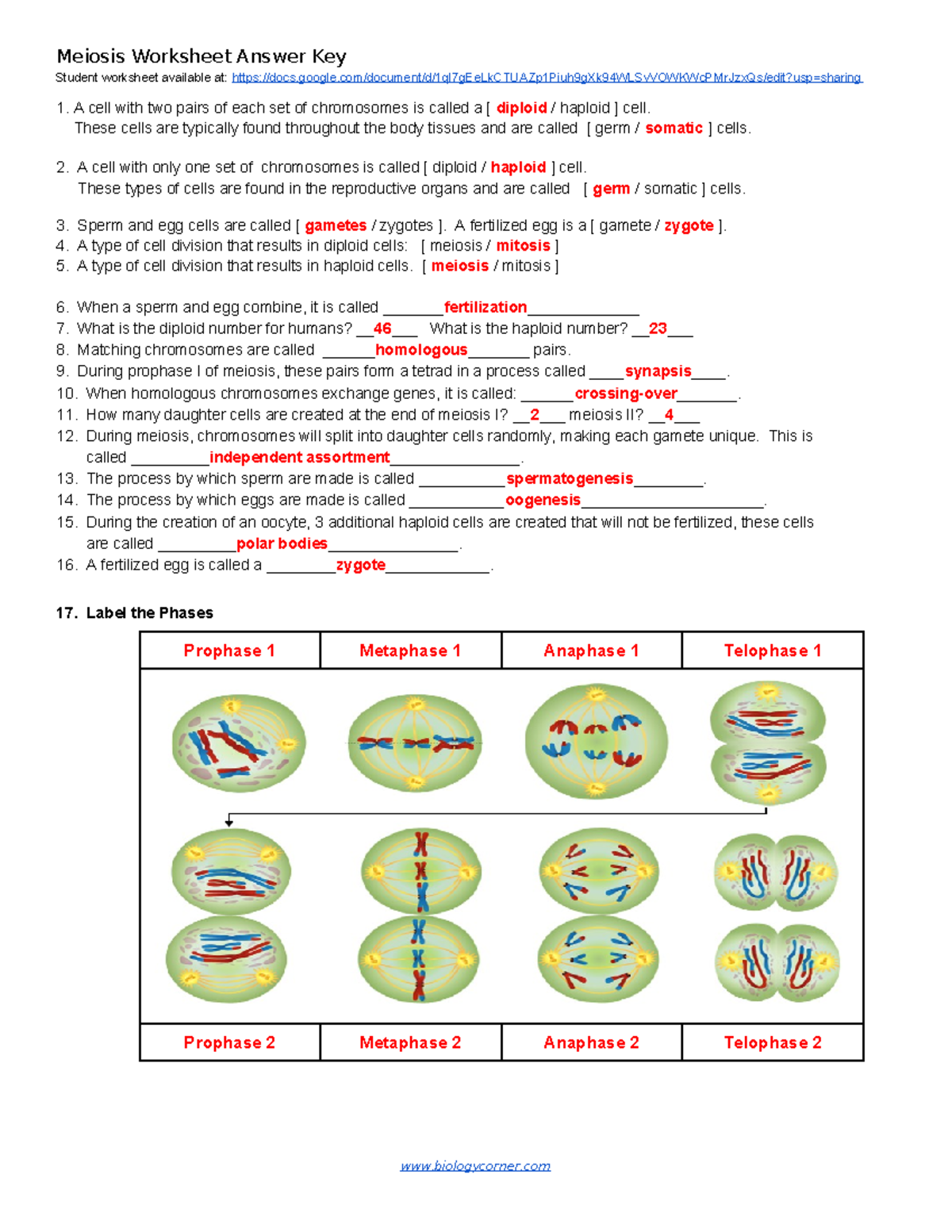
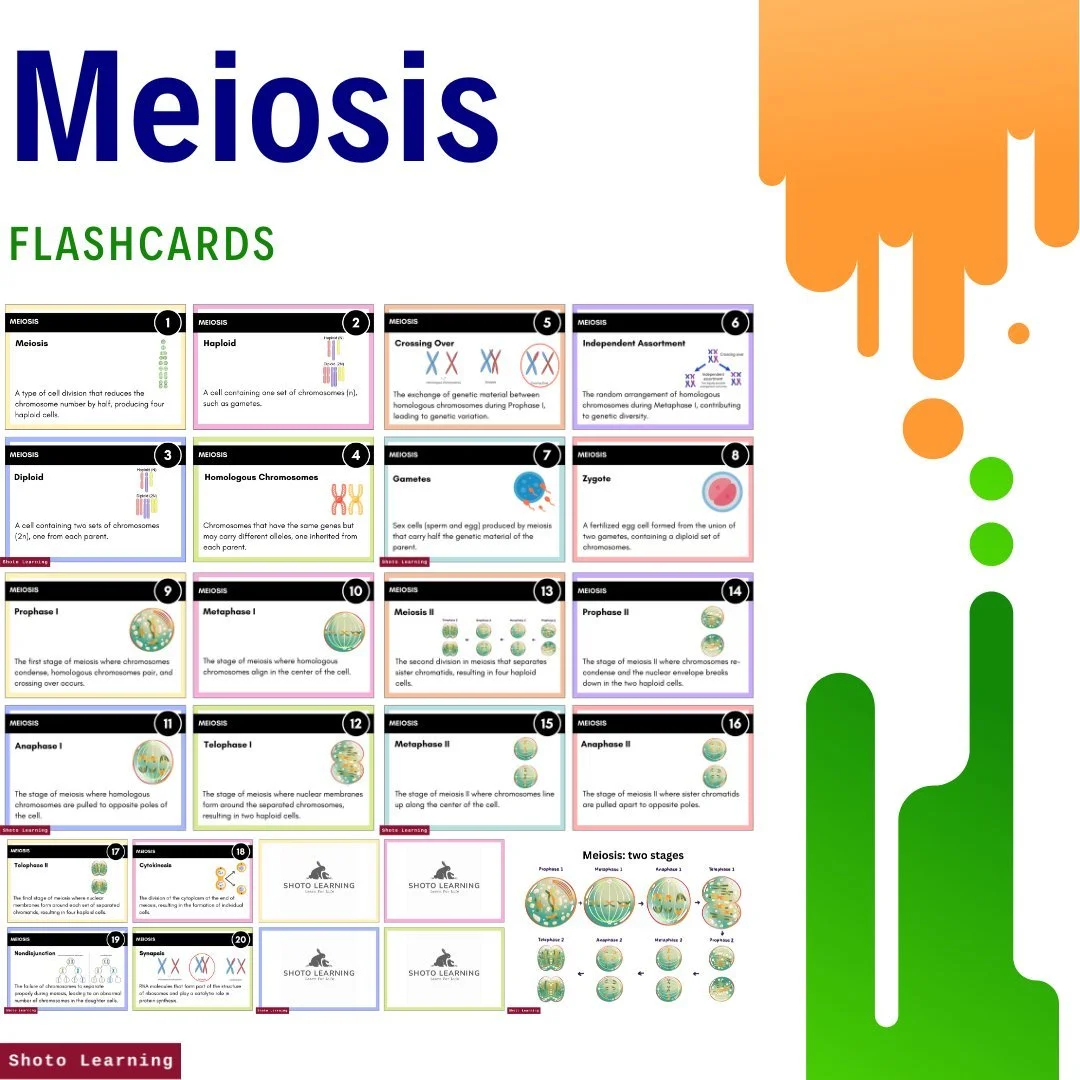
In the fast‑paced world of high school biology, students often encounter the complex stages of meiosis—prophase I, metaphase I, anaphase I, telophase I, and their counterparts in meiosis II—without a clear roadmap. An answer key provides that roadmap, offering immediate feedback that reinforces concepts, corrects misconceptions, and builds confidence. When learners see a detailed solution, they can compare it with their own reasoning, identify gaps, and refine their analytical skills. This iterative process mirrors the Asian emphasis on continual improvement (改善) and the American focus on self‑directed learning.
Instant Feedback for Mastery
Immediate validation helps students recognize whether they have grasped key ideas such as homologous chromosome pairing, crossing over, and reductional division. Instead of waiting for a teacher’s grading cycle, they can self‑assess, fostering a growth mindset that aligns with both Confucian ideals of perseverance and modern educational best practices.
Alignment with Curriculum Standards
Most state standards require mastery of cell division concepts, and a well‑crafted answer key ensures that each worksheet question maps directly to those standards. This alignment guarantees that teachers can confidently use the worksheets as formative assessments without worrying about coverage gaps.
How to Effectively Use the Answer Key in the Classroom
Using the answer key as a passive cheat sheet defeats its purpose. Instead, integrate it into a dynamic learning loop that encourages active engagement, peer discussion, and reflective practice.
Step‑by‑Step Classroom Integration
- Pre‑Lesson Warm‑Up: Distribute the worksheet without the answer key and ask students to work individually for the first 10 minutes. This primes curiosity and forces them to confront the material unaided.
- Guided Pair Review: After the solo attempt, students pair up and compare answers. Provide the answer key as a reference point, encouraging them to discuss why each answer is correct.
- Teacher‑Led Debrief: Use a projector to display selected questions and walk through the reasoning, highlighting common pitfalls such as confusing sister chromatids with homologous chromosomes.
- Reflective Journaling: Ask students to write a brief entry on which concepts still feel fuzzy, using the answer key as a scaffold for deeper research.
Online and Hybrid Learning Adaptations
In virtual classrooms, embed the answer key as a downloadable PDF that students can open side‑by‑side with the worksheet. Encourage screen‑sharing sessions where students annotate the key in real time, mirroring the collaborative spirit of traditional study groups found in many Asian cultures.
Designing Your Own Meiosis Worksheet: Tips from the East and West
Creating a worksheet that challenges students while remaining approachable requires thoughtful question design. Below are proven strategies that blend the meticulous planning common in Asian pedagogy with the creativity encouraged in Western education.
Focus on Conceptual Hierarchies
Start with foundational questions—e.g., “What is the purpose of meiosis?”—before advancing to higher‑order tasks like diagramming crossing over events. This scaffolding respects the Asian principle of building a strong base before adding complexity.
Incorporate Visual Literacy
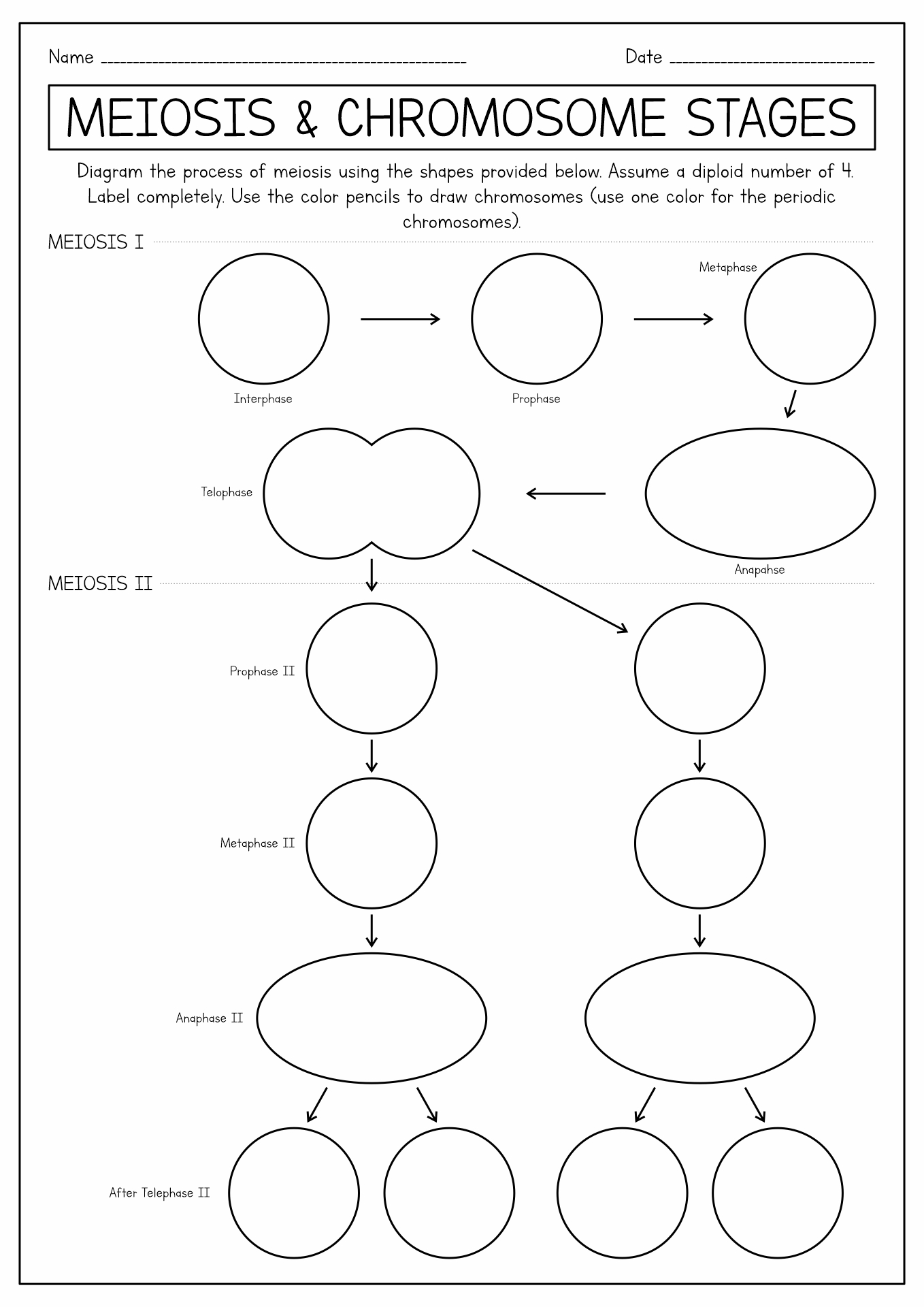
Students often struggle to translate textual descriptions into visual representations. Include partially labeled diagrams that require them to fill in missing parts. Providing the answer key with fully labeled images reinforces visual memory, a technique prized in both Japanese and Korean education systems.
Use Real‑World Scenarios
Link meiosis to tangible outcomes such as genetic disorders, plant breeding, or biodiversity conservation. For instance, ask, “How might a nondisjunction event during meiosis I lead to Down syndrome?” The answer key can then detail the chromosomal missegregation pathway, making abstract concepts concrete.
Common Misconceptions and How the Answer Key Clarifies Them
Even diligent students fall prey to recurring errors. A well‑crafted answer key anticipates these pitfalls and provides concise explanations that dismantle false notions.
Misconception: Meiosis Produces Identical Daughter Cells
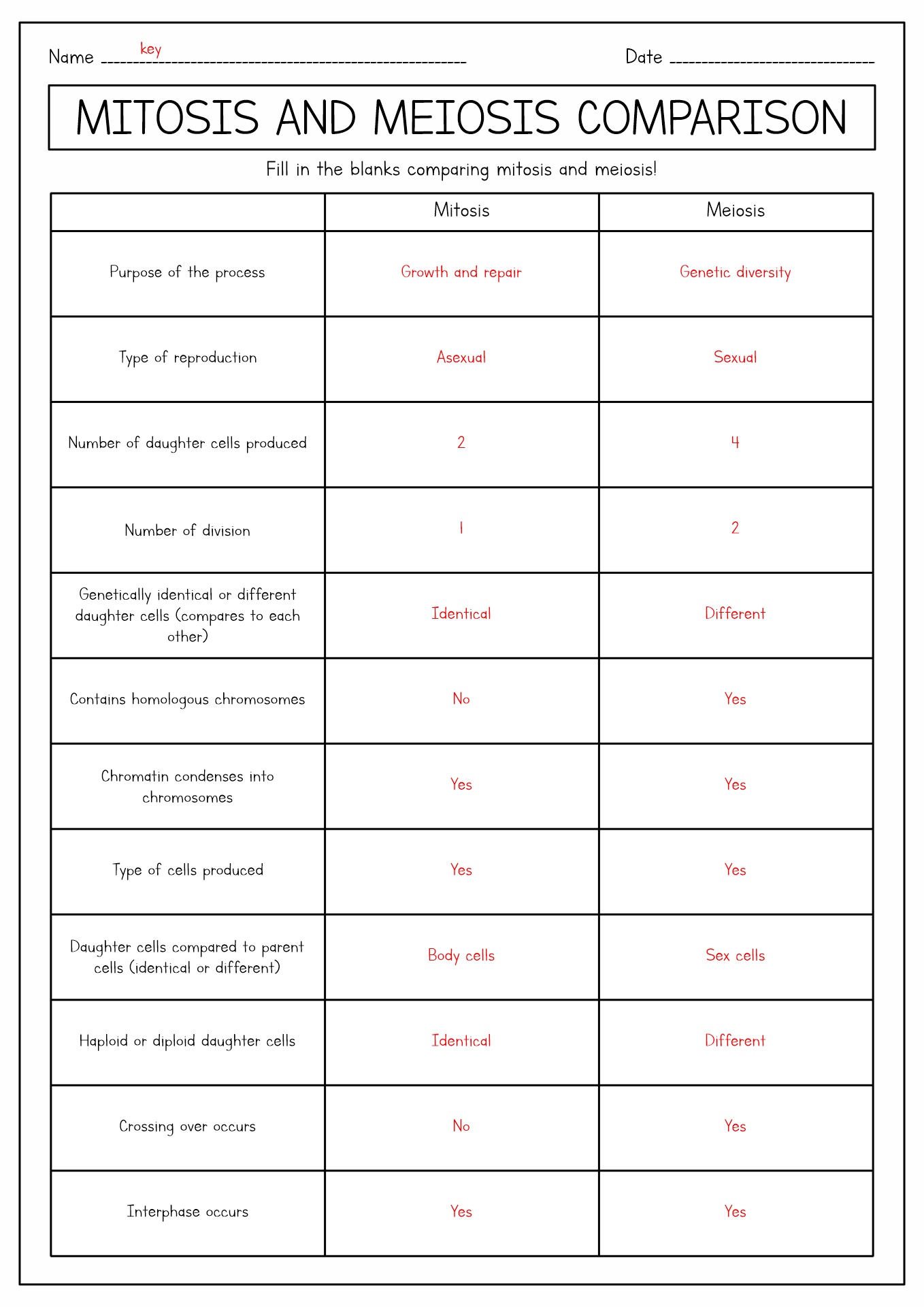
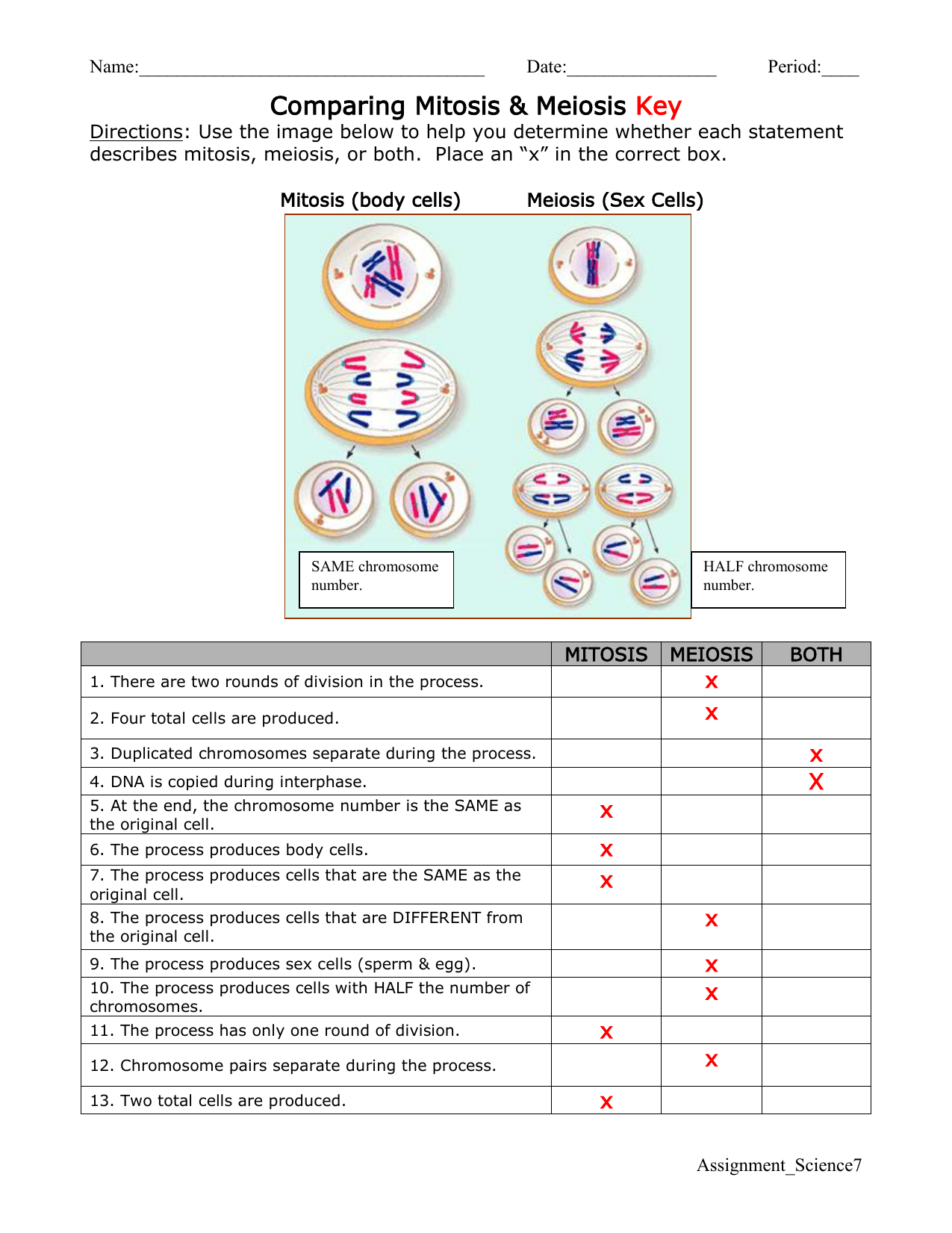
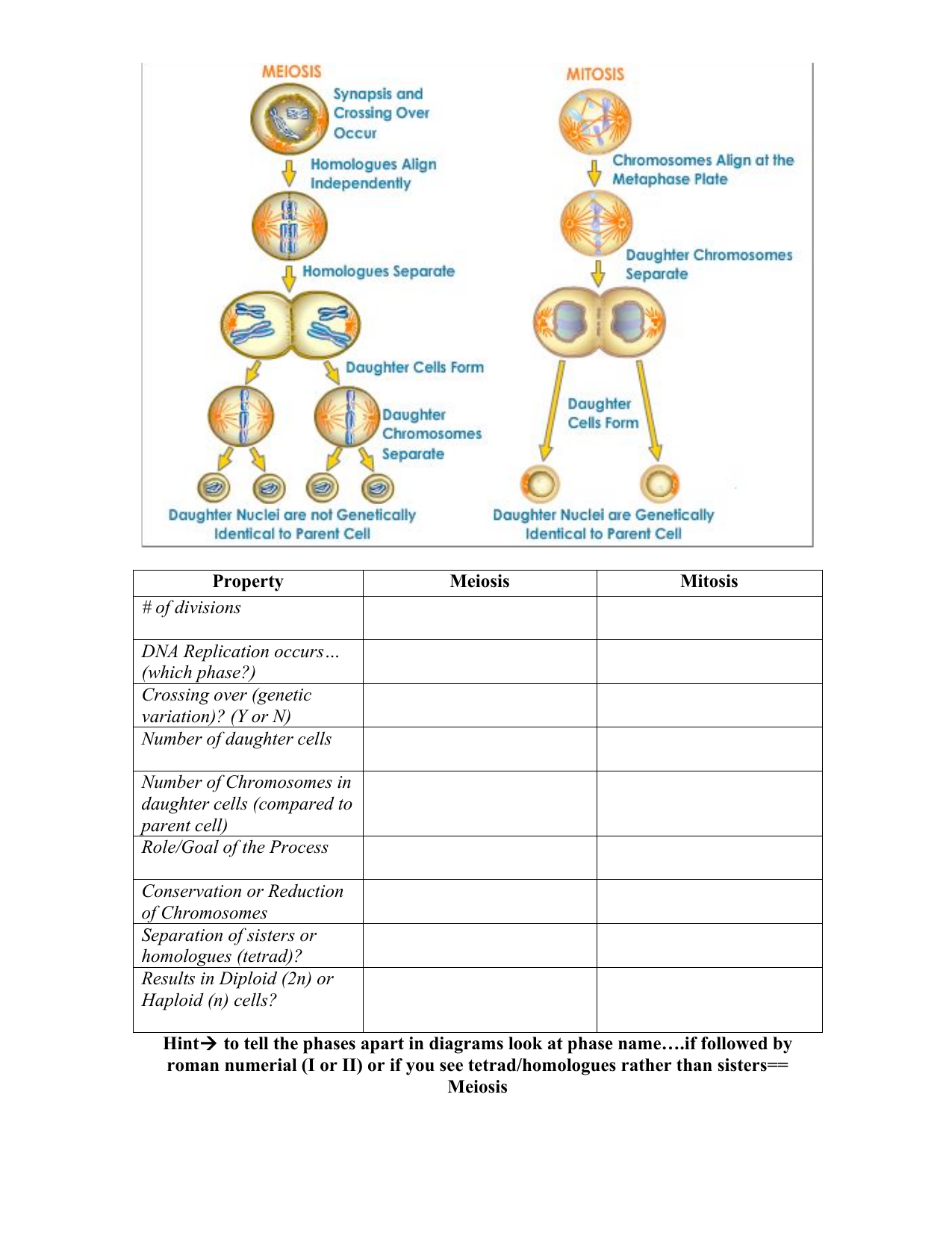
Students may think that, like mitosis, meiosis yields clones. The answer key should explicitly state that meiosis generates four genetically distinct haploid cells due to independent assortment and crossing over, often accompanied by a comparison table.
Misconception: Crossing Over Occurs in All Stages
Clarify that crossing over is confined to prophase I. The answer key can include a timeline graphic highlighting the exclusive window for genetic recombination, preventing the spread of this error.
Misconception: Chromosome Numbers Double After Meiosis II
Emphasize that meiosis II mirrors mitosis but operates on haploid chromosomes, maintaining the reduced chromosome number. The answer key should walk through a numerical example, showing that a diploid cell (2n) becomes four haploid cells (n).
Integrating Cultural Elements to Boost Engagement
Students respond positively when learning materials reflect diverse cultural perspectives. Infusing subtle Asian motifs—such as the concept of balance (陰陽) to illustrate genetic equilibrium—can make the content more relatable without alienating a broader audience.
Storytelling Through Historical Figures
Introduce brief anecdotes about pioneering scientists like Gregor Mendel (often celebrated in European curricula) alongside Asian contributors such as Chinese biologist Luo Yijian, who advanced cytogenetics. The answer key can include side notes that credit these figures, fostering a sense of global scientific heritage.
Gamified Learning with Traditional Games
Adapt classic games like “Mahjong” tiles to represent chromosomes, asking students to match homologous pairs and simulate crossing over. The answer key then provides the correct tile configurations, merging fun with rigorous content.
Assessing the Impact: Measuring Success with Data
Implementing an answer key is only part of the equation; educators must evaluate its effectiveness. Use formative assessments, exit tickets, and pre‑/post‑tests to gauge improvement in student understanding.
Sample Assessment Rubric
- Accuracy: Percentage of correctly answered worksheet items.
- Conceptual Depth: Ability to explain why each answer is correct, as evidenced in reflective journals.
- Application: Performance on scenario‑based questions that require transferring knowledge to new contexts.
Track these metrics over multiple units. An upward trend signals that the answer key is enhancing comprehension, while stagnant scores may indicate a need to adjust the worksheet difficulty or the way the key is presented.
Digital Resources and Future Directions
The landscape of education technology continues to evolve, offering new ways to deliver answer keys and worksheets. Embrace tools that align with both Asian precision and American innovation.
Interactive PDFs with Embedded Annotations
Convert the answer key into a PDF that allows students to click on question numbers and reveal step‑by‑step solutions. This interactivity respects the self‑study tradition prevalent in many Asian cultures while leveraging the convenience of digital platforms.
Learning Management System (LMS) Integration
Upload the worksheet and answer key to systems like Canvas or Google Classroom, setting release dates that synchronize with lesson pacing. Use the LMS’s analytics to monitor how often students view the answer key, providing insight into usage patterns.
Artificial Intelligence‑Powered Feedback
Emerging AI tools can analyze student responses and generate personalized hints before revealing the full answer key. This hybrid approach blends the mentorship model of Asian tutors with cutting‑edge technology, ensuring students receive support tailored to their specific misconceptions.
Conclusion
Incorporating a Meiosis Worksheet Answer Key into biology instruction transforms a daunting topic into a manageable, engaging journey that honors the meticulousness of Asian educational values while meeting the dynamic expectations of American learners. By providing instant feedback, aligning with standards, and fostering cultural relevance, the answer key becomes more than a simple solution sheet—it evolves into a catalyst for deeper understanding, collaborative learning, and lifelong curiosity about the wonders of cell division. Equip your classroom with a thoughtfully designed answer key, and watch students transition from confusion to confidence, ready to explore the intricate choreography of life’s most fundamental processes.









Related posts of "Meiosis Worksheet Answer Key"
