Letter J Worksheets Preschool serve as a cornerstone in early literacy development, offering young learners a playful yet structured approach to mastering one of the alphabet’s more challenging characters. By blending visual cues, kinesthetic activities, and repetitive practice, these worksheets help children internalize the shape, sound, and usage of the letter J while building confidence in handwriting, recognition, and word formation.
Why Focus on Letter J First?
While every letter holds its place in the alphabet, J often presents unique challenges due to its curved stem and tail. Early exposure through dedicated worksheets ensures that children do not skip over this letter, preventing gaps in their phonemic awareness and spelling repertoire. Parents and educators recognize that a solid foundation in J paves the way for words such as jam, jump, and jungle, which become building blocks in later reading lessons.
Key Elements of an Effective J Worksheet
1. Visual Clarity and Bold Strokes
Preschoolers respond best to high-contrast, large-print designs. A thick, black J with a clear tail helps children trace and recognize the letter quickly. Avoid overly decorative fonts that may confuse the basic form.
2. Trace and Write Variations
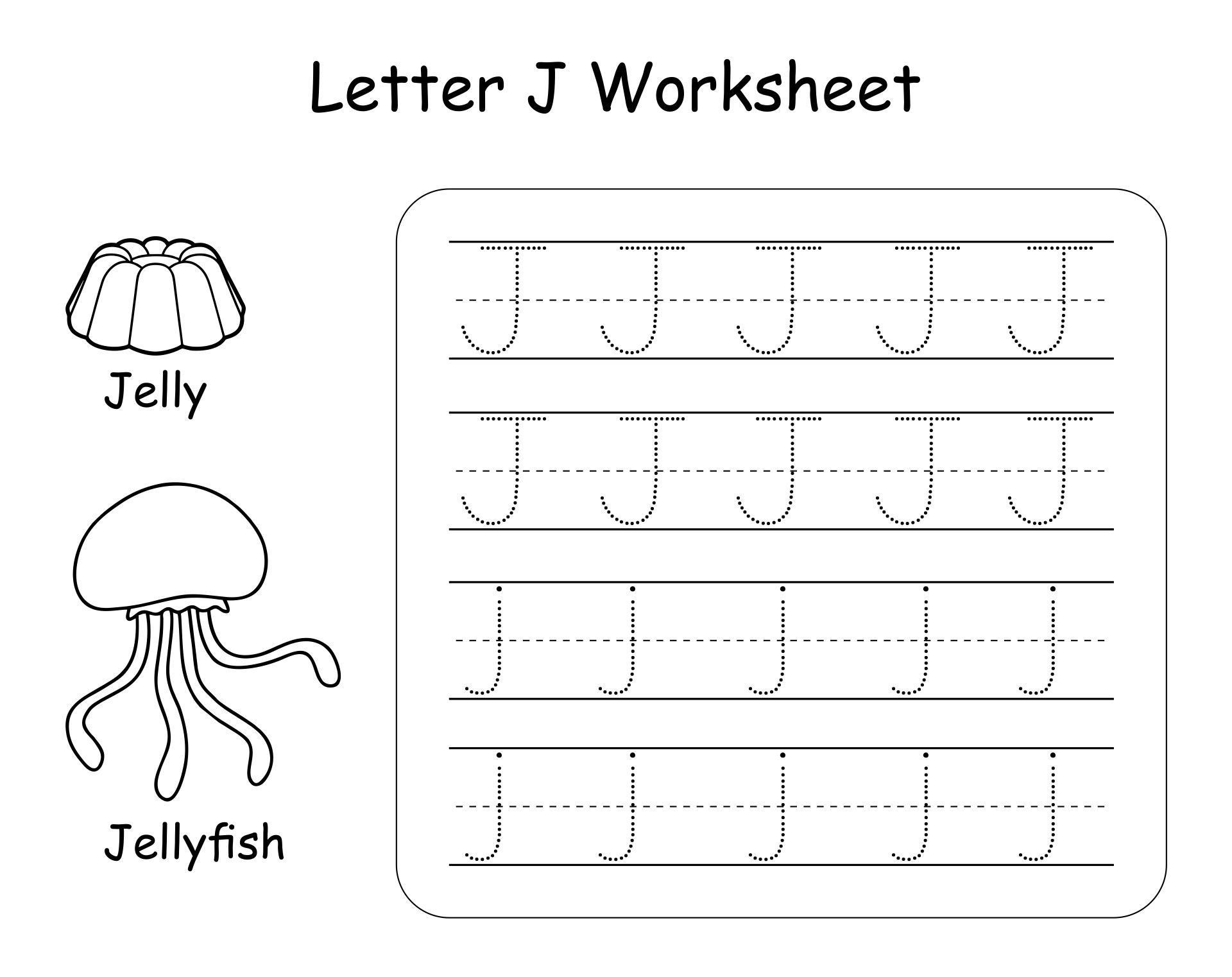
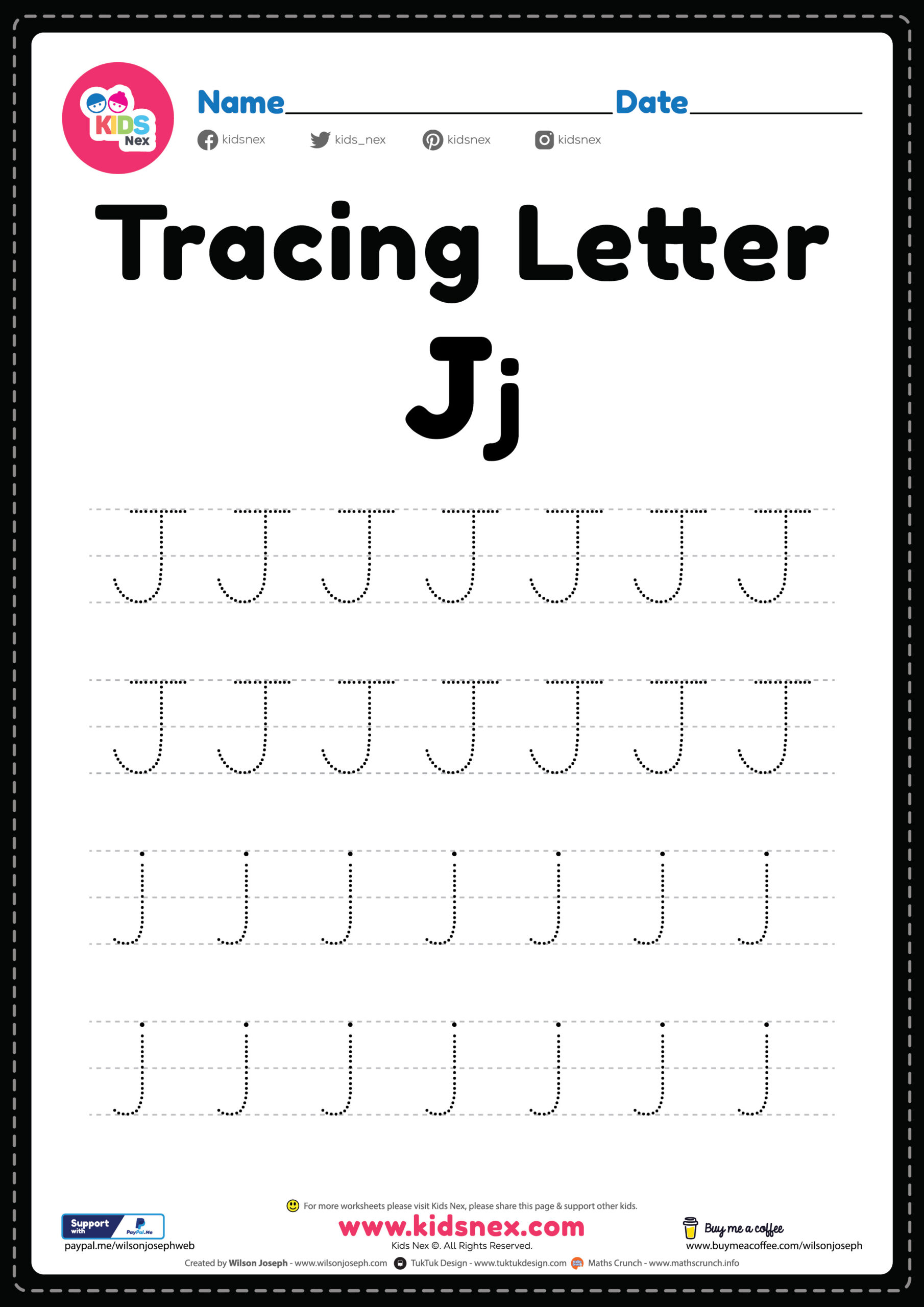
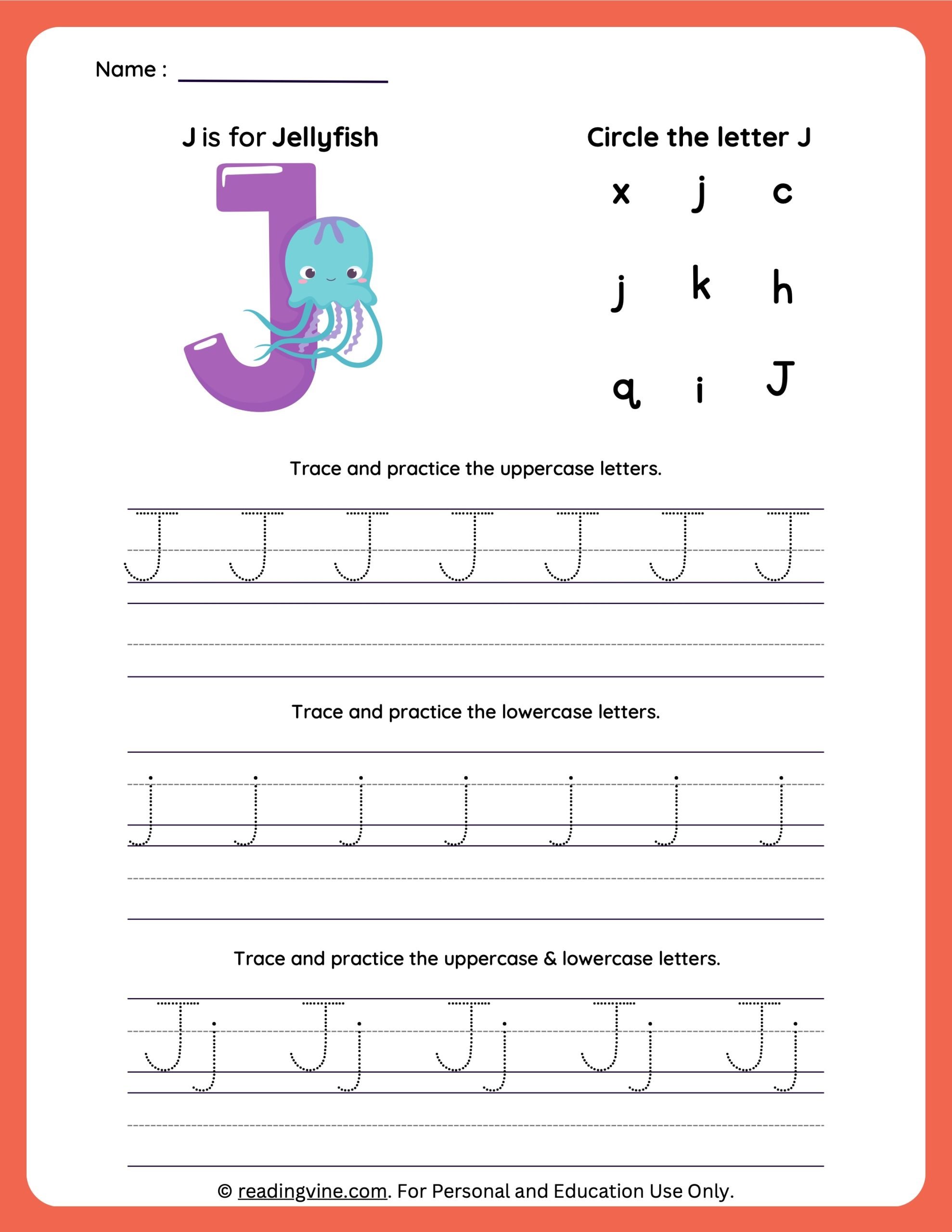
Include both guided tracing lines and blank spaces where students can write the letter independently. This dual approach caters to visual learners and those developing motor control.
3. Interactive Word Banks
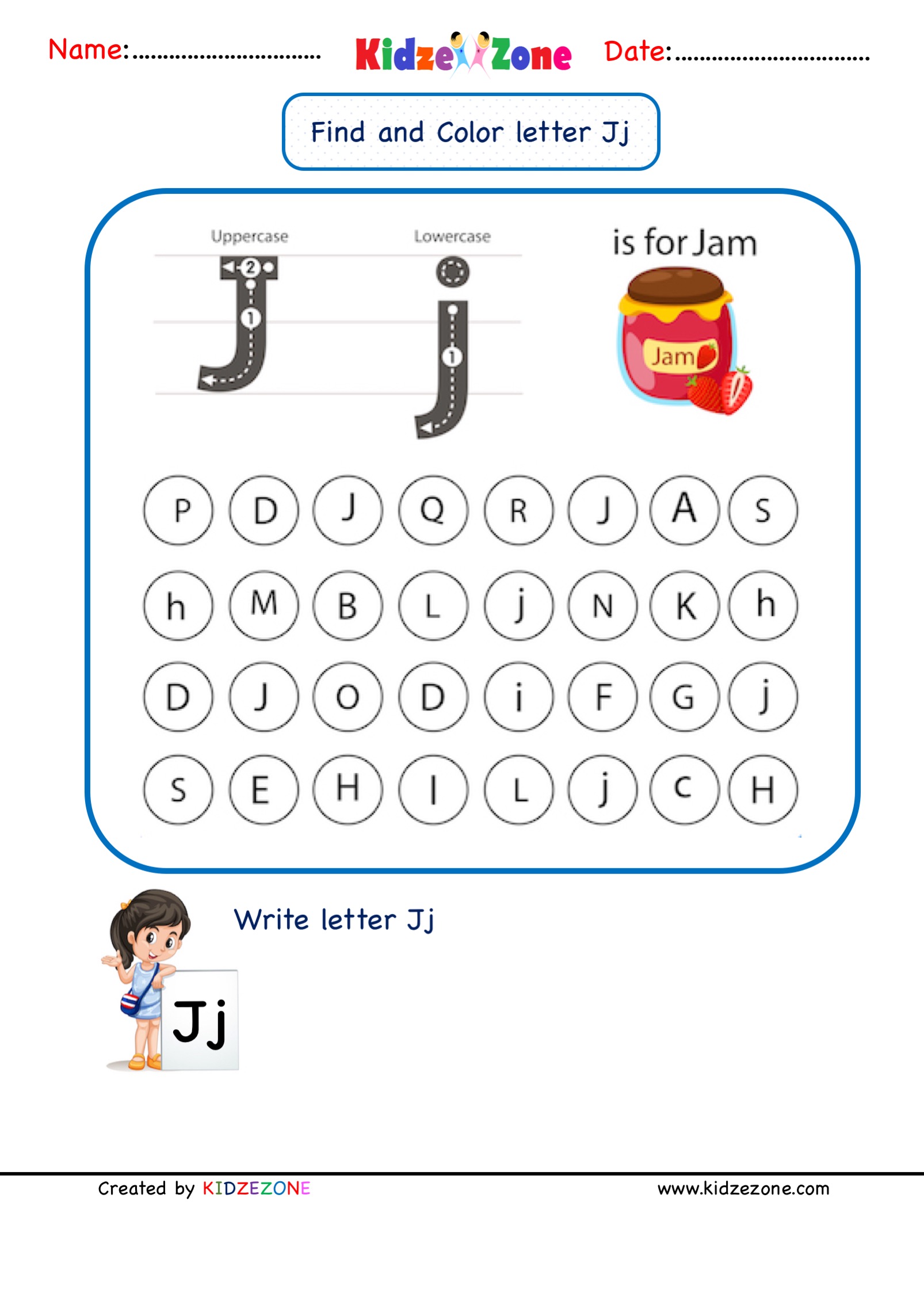
Provide a list of simple J-starting words, such as juice, kite, and jam. Encourage children to circle, underline, or color the J in each word, reinforcing its phonetic role.
4. Fun Activities and Games
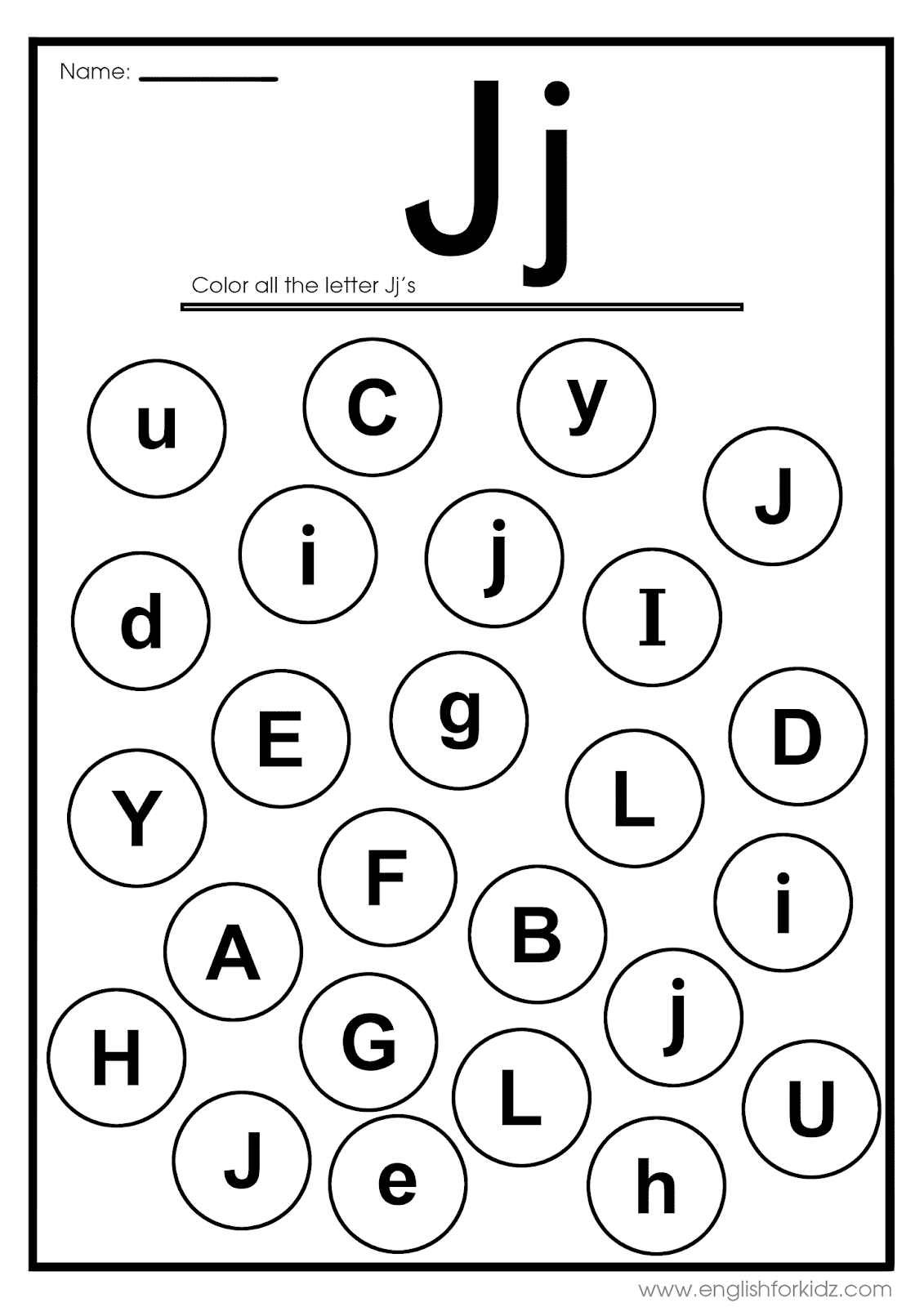
Incorporate matching games, letter puzzles, and sensory play—like using playdough to shape a J. These activities make learning memorable and enjoyable.
Step‑by‑Step Worksheet Design Guide
Step 1: Layout Planning
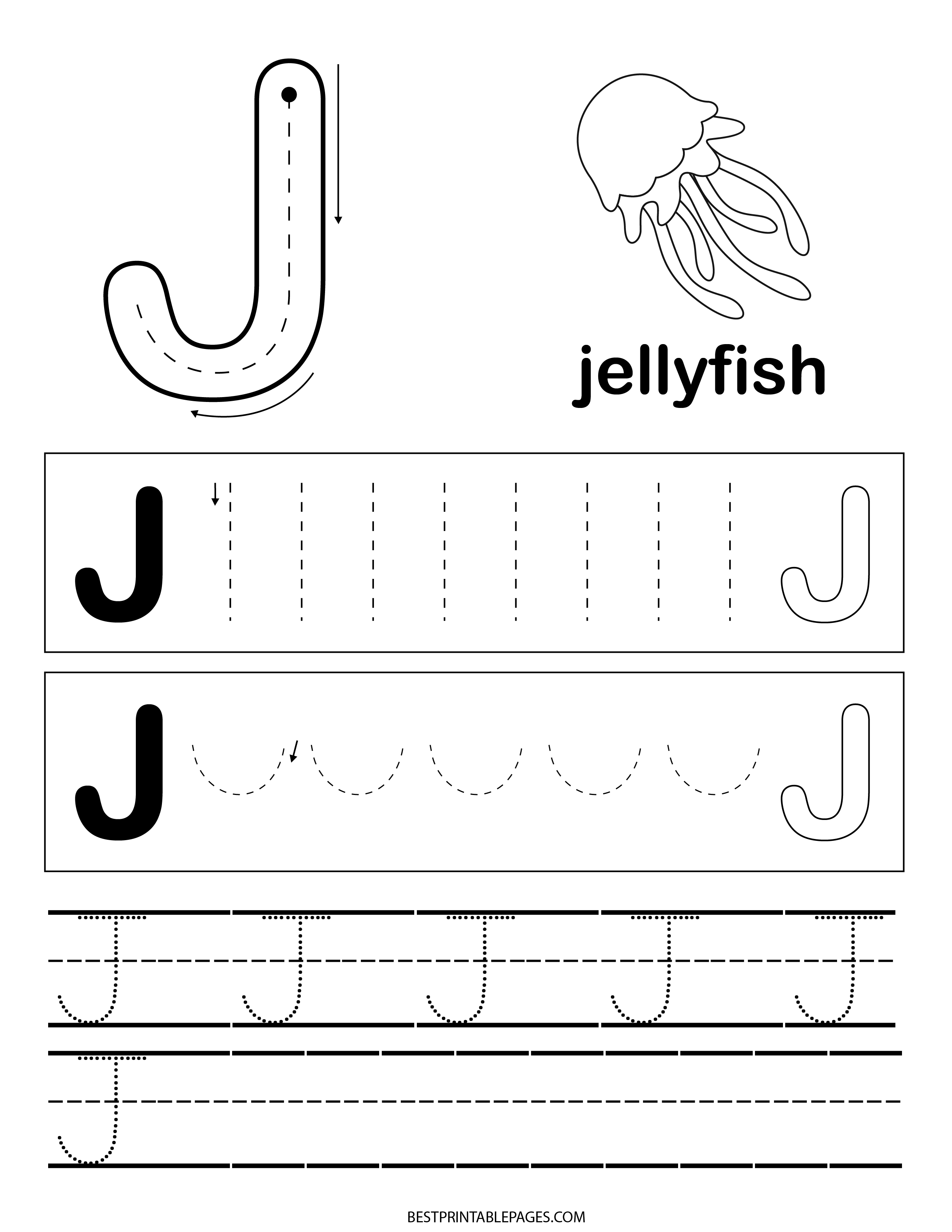
Start with a clean grid. Place the large J at the top center, followed by a series of smaller lines for tracing. Below, allocate a section for word matching and a final area for freehand writing.
Step 2: Content Creation
- Large bold J (trace line)
- 3–4 smaller lines for independent writing
- Word bank of 6–8 simple words
- Matching activity: connect the word to its corresponding letter
- Optional color‑by‑letter section where the child colors the J using a crayon or marker
Step 3: Visual Enhancements
Add subtle background elements, such as a picture of a jellyfish or a jeep, to create context. Ensure these visuals do not overpower the main letter.
Step 4: Printing and Presentation
Print worksheets on thick paper to prevent tearing during tracing. Use a header that says “Letter J Practice” to set clear expectations for the activity.
Incorporating Letter J Worksheets into Daily Routines
Morning Warm‑Up
Begin each classroom session with a quick 5‑minute J review. Ask students to identify the letter in various words and then practice writing it on a whiteboard.
Targeted Skill Sessions
Schedule 15‑minute blocks dedicated to specific skills: one for tracing, another for matching, and a third for writing. Rotate these sessions to keep engagement high.
Parent‑Teacher Collaboration
Share printable worksheets via email or a shared drive. Encourage parents to set aside 10 minutes each day for joint practice, reinforcing consistency.
Real‑World Examples of J Worksheet Success
In a recent preschool program, teachers observed a 40% improvement in J recognition after introducing themed worksheets featuring “Jellyfish Adventures.” The worksheets included a storyline where children followed a jellyfish from the sea to a kitchen, encountering J words along the way. This narrative approach heightened curiosity and cemented the letter’s identity.
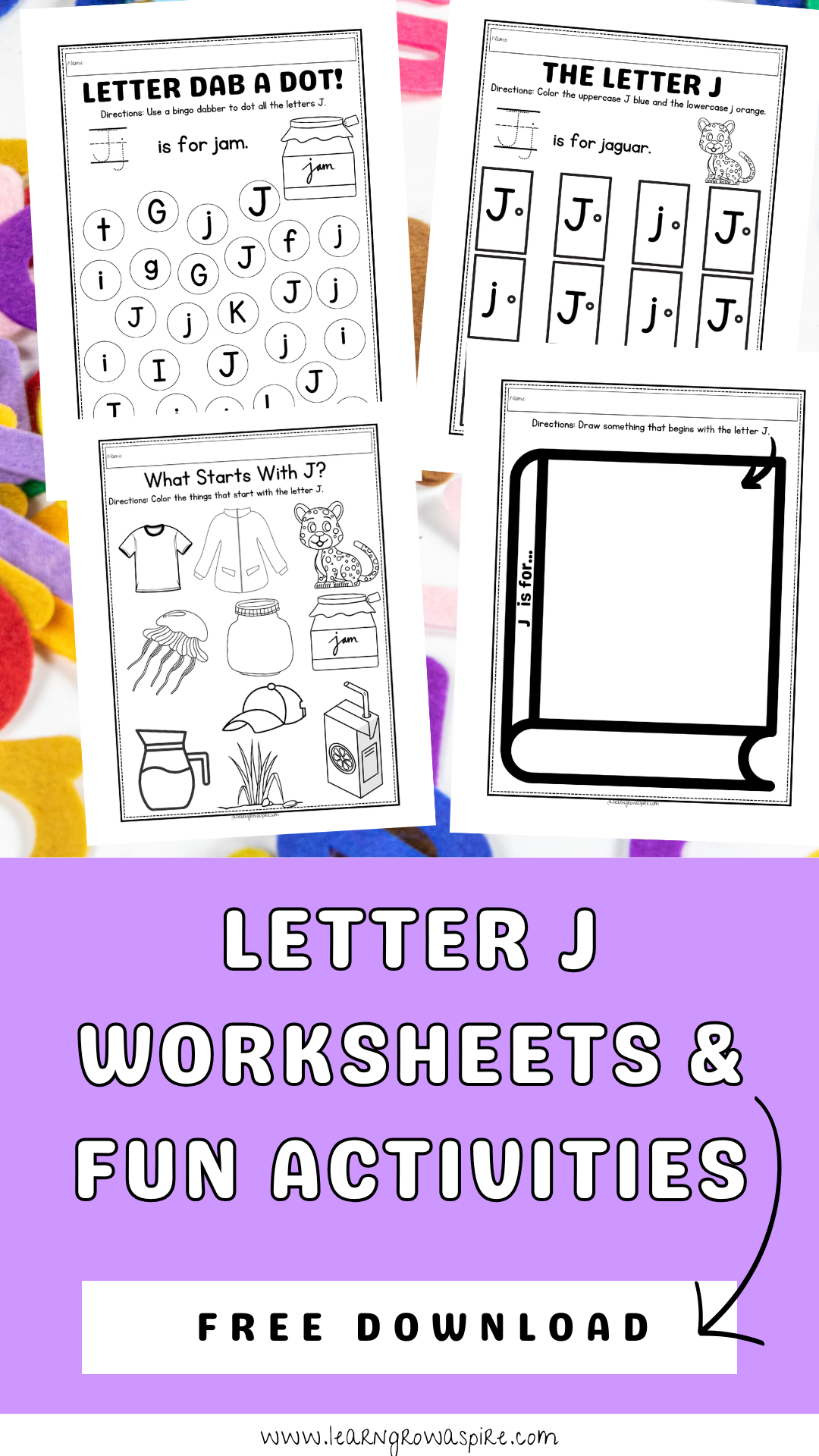
Another classroom utilized a “J” scavenger hunt. Students received a worksheet with pictures of objects that start with J and were tasked to draw the letter next to each image. This hands‑on method boosted fine‑motor skills while reinforcing letter recognition.
Customizing Worksheets for Diverse Learners
Accommodating Visual Impairments
Use large, high‑contrast colors and textured surfaces. Textured paper with raised J outlines can aid tactile recognition.
Supporting English Language Learners
Pair the J letter with familiar words from the child’s native language, where possible, to build cross‑language connections.
Encouraging Advanced Students
Introduce compound words that contain J, such as jumping, jewelry, and jacket. Challenge them to write sentences using these words, fostering higher‑order thinking.
Assessment and Feedback Strategies
Formative Checks
During activities, observe students’ tracing accuracy and note any common errors—like starting the tail too early or missing the loop. Offer immediate, positive reinforcement.
Summative Evaluation
At the end of a unit, provide a simple quiz: students write the letter J and match it to three words. Use stickers or stars to celebrate correct answers.
Digital Adaptations and Interactive Tools
While printable worksheets are invaluable, integrating digital tools can diversify learning experiences. Interactive apps allow children to drag the J into place, hear its sound, and receive instant feedback. These platforms often feature animated characters that guide practice, making the learning process engaging.
Parental Tips for Home Practice
Create a Mini‑Workstation
Set up a small table with a stapler, scissors, and colored pencils. A dedicated space encourages consistent practice.
Use Everyday Contexts
Point out the letter J on grocery bags, signs, or in picture books. Ask, “Can you find a word that starts with J?” to reinforce real‑world application.
Celebrate Small Wins
Display completed worksheets on a family bulletin board. Praise effort rather than perfection to build a growth mindset.
Common Pitfalls and How to Avoid Them
Overloading the Worksheet
Avoid packing too many activities into one sheet. Too many tasks can overwhelm preschoolers, leading to disengagement.
Ignoring the Individual Pace
Recognize that some children master tracing quickly while others need more repetition. Provide extra copies or slower‑paced worksheets as needed.
Neglecting the Sound
Letter recognition without phonemic awareness is incomplete. Pair visual practice with auditory cues, such as saying “J, the sound is /j/ as in jam.”
Conclusion
Mastering the letter J in preschool sets the stage for robust reading and writing skills. By combining clear visual design, engaging activities, and thoughtful assessment, teachers and parents can create a nurturing environment where young learners thrive. Whether through a simple printable worksheet or an interactive digital game, the core principle remains the same: provide consistent, joyful practice that turns the letter J from a daunting curve into a confident stepping stone toward literacy.










Related posts of "Letter J Worksheets Preschool"
