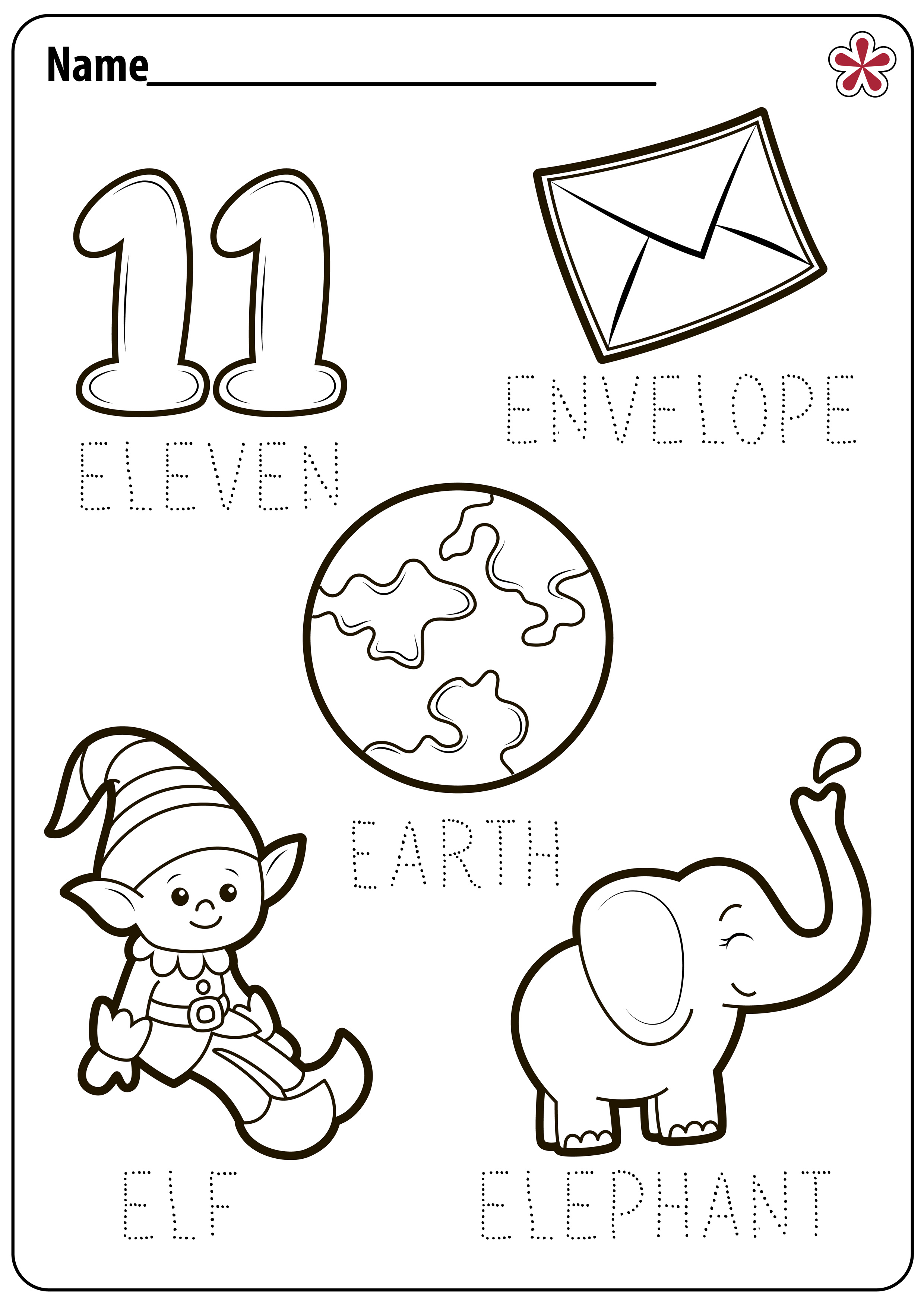
Letter E Preschool Worksheet is an essential tool for early childhood educators and parents looking to build strong foundational skills in alphabet recognition and handwriting. By combining fun tracing exercises with creative storytelling and sensory play, these worksheets help young learners internalize the shape, sound, and usage of the letter “E” in a way that keeps their attention and reinforces memory.
Why Focus on the Letter E First?
The letter E is one of the most frequently used consonants in the English language, appearing in simple words like “egg,” “elephant,” and “eat.” Introducing it early gives children a quick win, boosting confidence and encouraging them to try other letters. In preschool, mastering letter E also provides a visual and phonetic pattern that mirrors other vowel sounds and consonant blends, making it a gateway to more advanced literacy skills.
Phonological Awareness Boost
Children learn to isolate the /e/ sound, helping them distinguish between similar phonemes. When a child can say “E is for elephant,” they connect the visual symbol to a real-world object, solidifying early memory pathways.
Motor Skill Development
Tracing the letter E strengthens fine‑motor control, guiding students to produce clean, consistent strokes. This early practice lays the groundwork for future handwriting clarity and confidence.
Designing a Printable Letter E Preschool Worksheet
High-quality worksheets should balance simplicity with engagement. Below is a step‑by‑step guide for creating or selecting a printable sheet that matches your classroom’s learning objectives.
1. Start with the Basic Outline
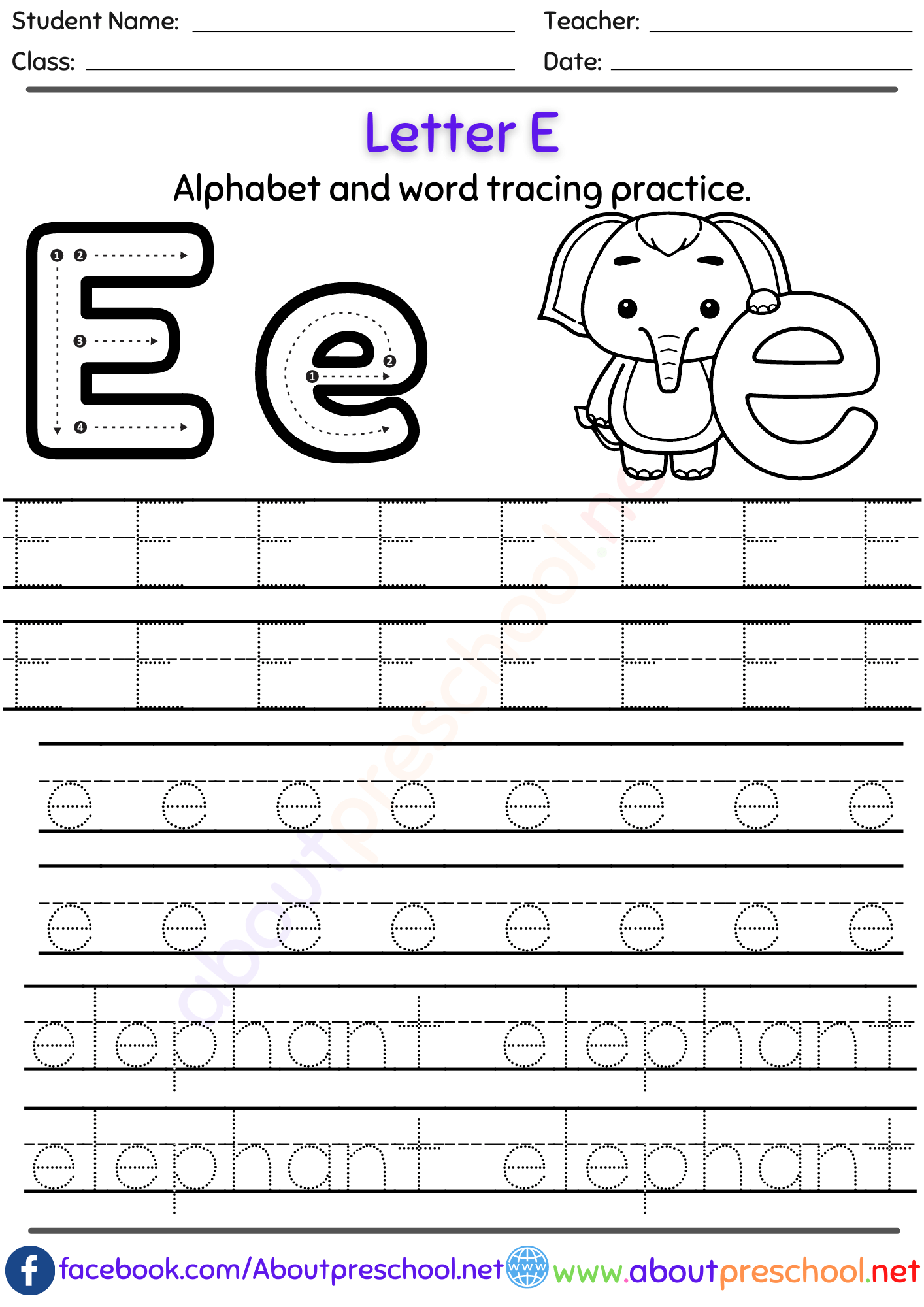
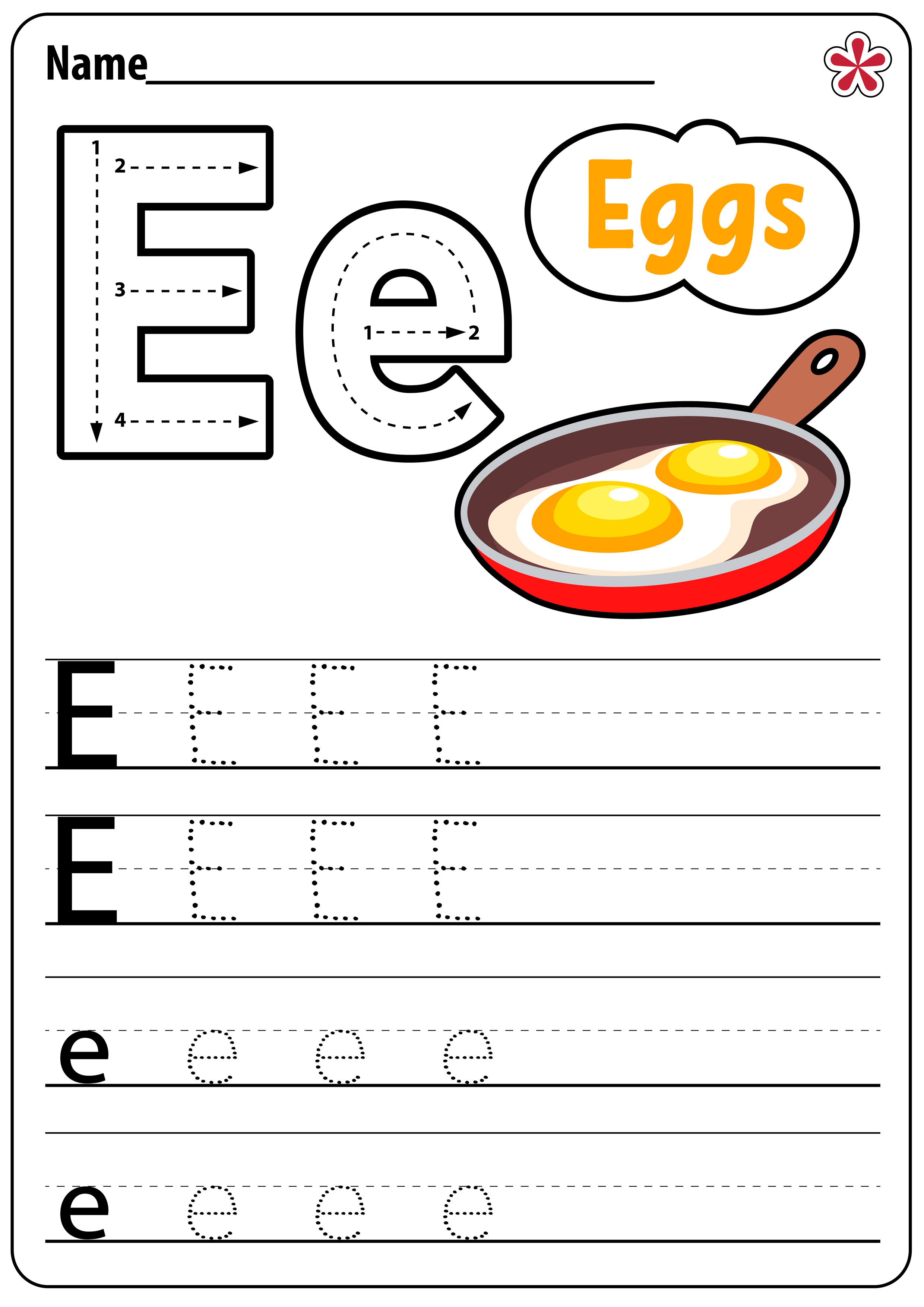
Use a large, clear “E” outline with thick lines that are easy to trace. A simple box or circle around the letter helps children locate the shape before they attempt to write it independently.
2. Add a Tracing Path
Below the outline, place dotted lines that guide the child’s pen or crayon from the top horizontal stroke, down the central vertical, and across the lower horizontal. Encourage repetition to reinforce muscle memory.
3. Include Matching Words
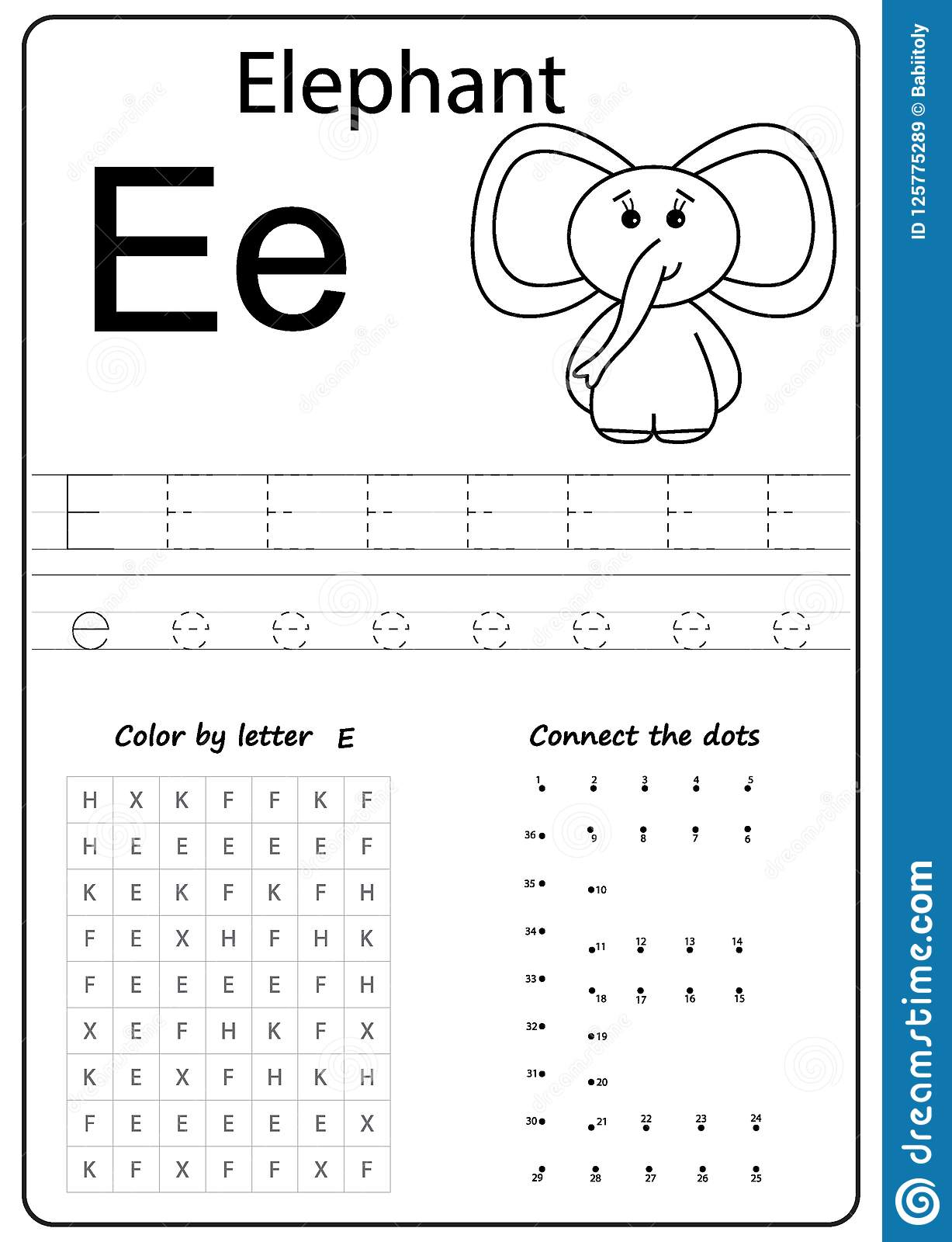
List simple words that begin with E—such as egg, elephant, ear, and even. Offer a space for children to circle the letter E in each word, reinforcing visual discrimination.
4. Offer a Fill‑in‑The‑Blank Section
Provide a short sentence with a missing word that starts with E. For instance: “I see an ______ in the garden.” This allows kids to apply the letter in a contextual scenario.
5. Add Color and Visual Stimuli
Insert images of E‑related objects beside each word. Children love connecting letters to real‑world items, and visuals increase retention.
Integrating the Worksheet into Daily Routines
Consistency is key when using Letter E Preschool Worksheets. Below are practical ways to embed the activity into everyday classroom and home routines.
Morning Circle Time
Begin with a short “E” story: “E is for Emma the Explorer.” Read aloud while pointing to the worksheet, allowing children to trace the letter together.
Snack Time Connection
Pair the worksheet with an edible E‑shape (e.g., an egg-shaped cookie) to tie the visual with a sensory experience. Children can say “E is for egg” while munching, reinforcing phonetics through taste.
Art & Craft Projects
Create a “E” collage where students cut out pictures from magazines that start with the letter. Afterward, they write the letter on their worksheets, linking creative expression with writing practice.
Enhancing Engagement with Interactive Activities
Beyond static tracing, interactive exercises keep young learners motivated. These methods help maintain focus while promoting deeper learning.
Letter E Scavenger Hunt
Hide stickers of the letter “E” around the classroom. When children find one, they must write the letter on the worksheet and place it in a “letter jar.” This game adds a tangible reward system.
Music & Rhythm Tracing
Sing a simple “E” song while children trace the letter in the air with their finger. The rhythmic motion links auditory cues with visual patterns.
Technology Integration
Use interactive whiteboard apps where children drag a stylus across a virtual E. These digital versions can be printed for later offline use, providing a seamless bridge between screen time and paper practice.
Parental Involvement: Making Learning a Family Activity
When parents engage with the worksheet at home, they reinforce classroom lessons and foster a supportive learning environment.
Set a Daily Practice Time
Recommend a 10‑minute window each day where children trace the letter E while parents read a short E‑story. Consistency solidifies muscle memory and phonics.
Celebrate Small Wins
Parents can use stickers or a small certificate to reward children for accurate tracing or identifying words with E. Positive reinforcement boosts confidence.
Share Observations with Teachers
Ask parents to note if their child is struggling with the bottom horizontal stroke or pronunciation. This feedback helps educators tailor future lessons.
Assessment & Progress Tracking
Effective use of Letter E Preschool Worksheets requires regular assessment to gauge understanding and adjust instruction.
Observation Checklist
- Can the child independently trace a complete E? Yes/No
- Is the letter shape consistent (horizontal strokes, vertical alignment)?
- Does the child recognize E in words? Yes/No
Progressive Difficulty Levels
Begin with large, simple letters and gradually reduce line thickness or add more complex words. This staged approach prevents frustration and keeps skill building smooth.
Portfolio Building
Encourage children to compile a “Letter E Portfolio” where they paste every completed worksheet, photo of an E‑related object, and a short sentence they wrote. This visual record helps both teachers and parents see growth over time.
Creative Extensions for Advanced Learners
Once the basic tracing and recognition are solidified, incorporate more advanced activities to deepen comprehension.
Story Writing
Prompt children to write a two‑sentence story that starts with E and uses at least one other E word. Simple, like “Eddie the elephant loves to eat extra eggs.”
Phoneme Manipulation Games
Play “E‑Sound Bingo” where children match spoken words to written E words on a card. This sharpens listening skills and expands vocabulary.
Cross‑Disciplinary Projects
Combine science by studying “E” in the environment—“E” for “earth.” Use worksheets to note observations and draw the letter, linking literacy with real‑world science.
Resources and Printable Options
While many teachers design their own worksheets, a variety of ready‑made templates can be accessed through educational websites. These resources often include additional activities such as coloring pages, puzzles, and matching games—all centered around the letter E.
Downloadable PDF Pack
Choose a PDF pack that contains multiple worksheets—tracing, word matching, and fill‑in‑the‑blank exercises—designed for preschool age. Print at home or in class for immediate use.
Online Interactive Tools
Websites offering drag‑and‑drop or touch‑screen activities let children practice the letter in a playful digital environment. These are especially useful for remote learning scenarios.
Conclusion
Mastering the letter E is more than just a single milestone; it is the gateway to reading and writing confidence for young learners. By combining a well‑structured Letter E Preschool Worksheet with engaging activities, daily routines, and parental involvement, children develop crucial phonological awareness, fine‑motor skills, and a love for learning. Whether you craft your own sheet or use a professional template, the key lies in consistent practice, creative reinforcement, and celebrating every small step toward literacy mastery. With these tools and strategies in place, your preschoolers will soon be reading, writing, and exploring the world around them, all thanks to a simple, yet powerful, letter: E.






Related posts of "Letter E Preschool Worksheet"
