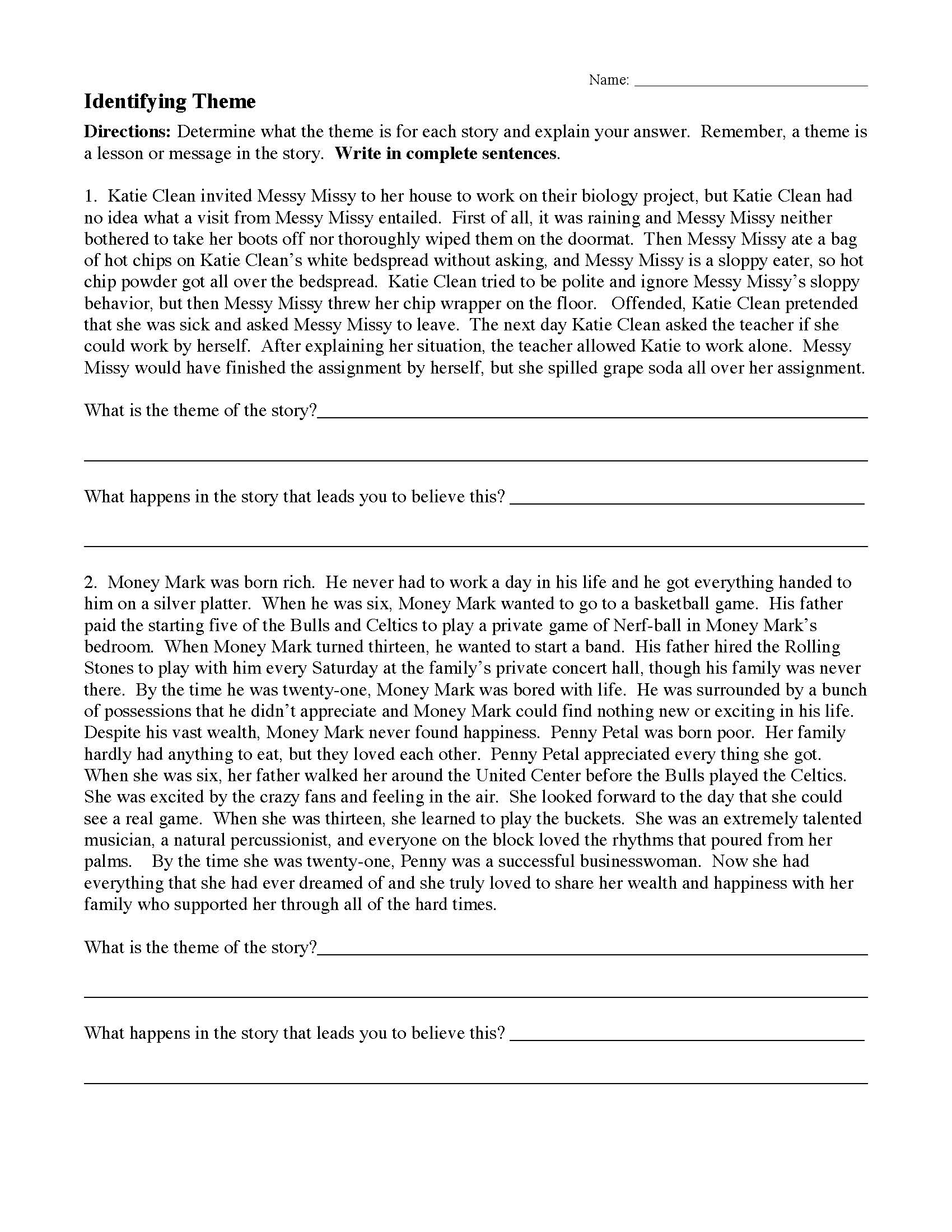
Identify The Theme Worksheet serves as a powerful bridge between the imaginative world of storytelling and the critical thinking skills students need for academic success. By guiding learners to uncover the core messages hidden within narratives, this tool transforms passive reading into an active exploration that sparks curiosity, deepens comprehension, and fuels creative expression.
Understanding the Essence of Theme
In literature, a theme is more than a plot element; it is the universal truth or insight that a story seeks to communicate. Themes can touch on love, justice, freedom, or identity—ideas that resonate across time and culture. Recognizing these themes requires readers to look beyond the surface, to interpret symbolism, motives, and character arcs.
Why Theme Matters in Education
When students master theme analysis, they develop critical listening, reflective thinking, and persuasive writing skills. Teachers can use theme worksheets to:
- Encourage analytical reading
- Promote cross‑disciplinary connections (history, science, art)
- Build argumentative writing foundations
- Assess comprehension in a structured way
Common Theme Types Found in Classroom Texts
Literature offers a variety of thematic categories. Familiarity with these can help teachers anticipate worksheet design:
- Redemption and forgiveness
- Individual versus society
- Coming of age and personal growth
- Power and corruption
- Nature versus nurture
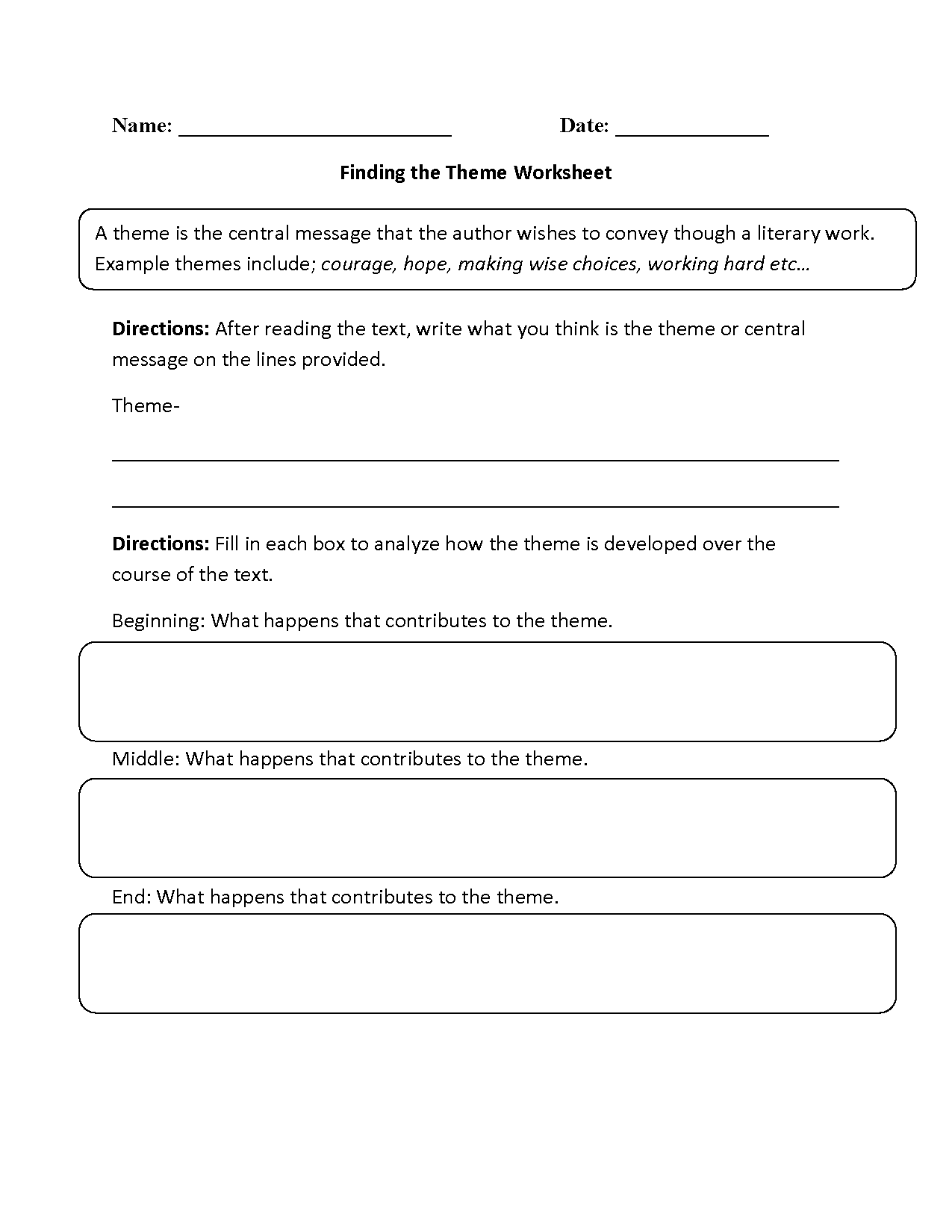
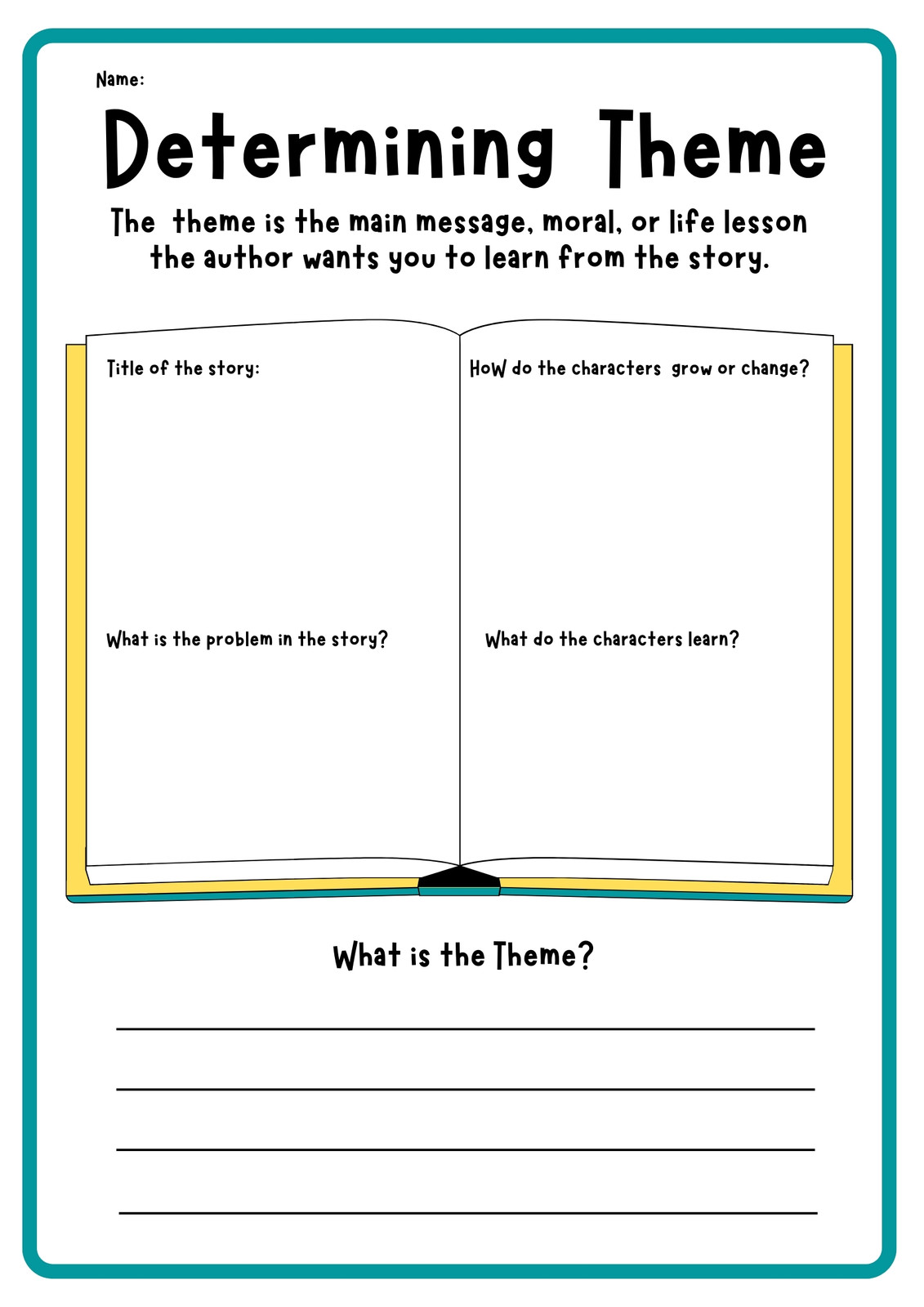
Designing an Effective Identify The Theme Worksheet
A well‑crafted worksheet balances clarity, challenge, and engagement. Here are essential components to include:
1. Clear Instructional Prompt
Begin with a concise directive that specifies what the student should do. Example: “Read the passage carefully and identify the central theme that the author is conveying.” This removes ambiguity and sets expectations.
2. Focused Text Excerpts
Provide a short, well‑chosen excerpt that contains enough context to support theme inference but remains manageable for students. Excerpts should showcase key moments, dialogue, or descriptive passages that hint at broader messages.
3. Guided Questions
Use open‑ended questions that push students to justify their conclusions. Sample prompts:
- What recurring idea appears in this text?
- Which character’s journey reflects this idea?
- How does the setting reinforce the theme?
- Can you find any symbols that support the theme?
4. Answer Key or Rubric
Provide a rubric that grades understanding of the theme, evidence selection, and clarity of explanation. This aids transparent assessment and allows for constructive feedback.
5. Extension Activities
Challenge higher‑level students with activities such as comparing themes across different texts, creating visual representations, or writing a short essay connecting the theme to real‑world issues.
Step‑by‑Step Implementation Guide
Step 1: Pre‑Reading Warm‑Up
Activate prior knowledge by asking students what they think a theme is. Use a quick brainstorm, a Venn diagram of personal versus literary themes, or a short discussion to set the stage.
Step 2: Guided Reading
Distribute the worksheet and read the excerpt aloud or have students read silently. Highlight or underline key phrases that hint at thematic content.
Step 3: Collaborative Analysis
Divide the class into small groups, letting each group discuss their answers to the worksheet questions. Encourage the use of evidence from the text when articulating themes.
Step 4: Individual Reflection
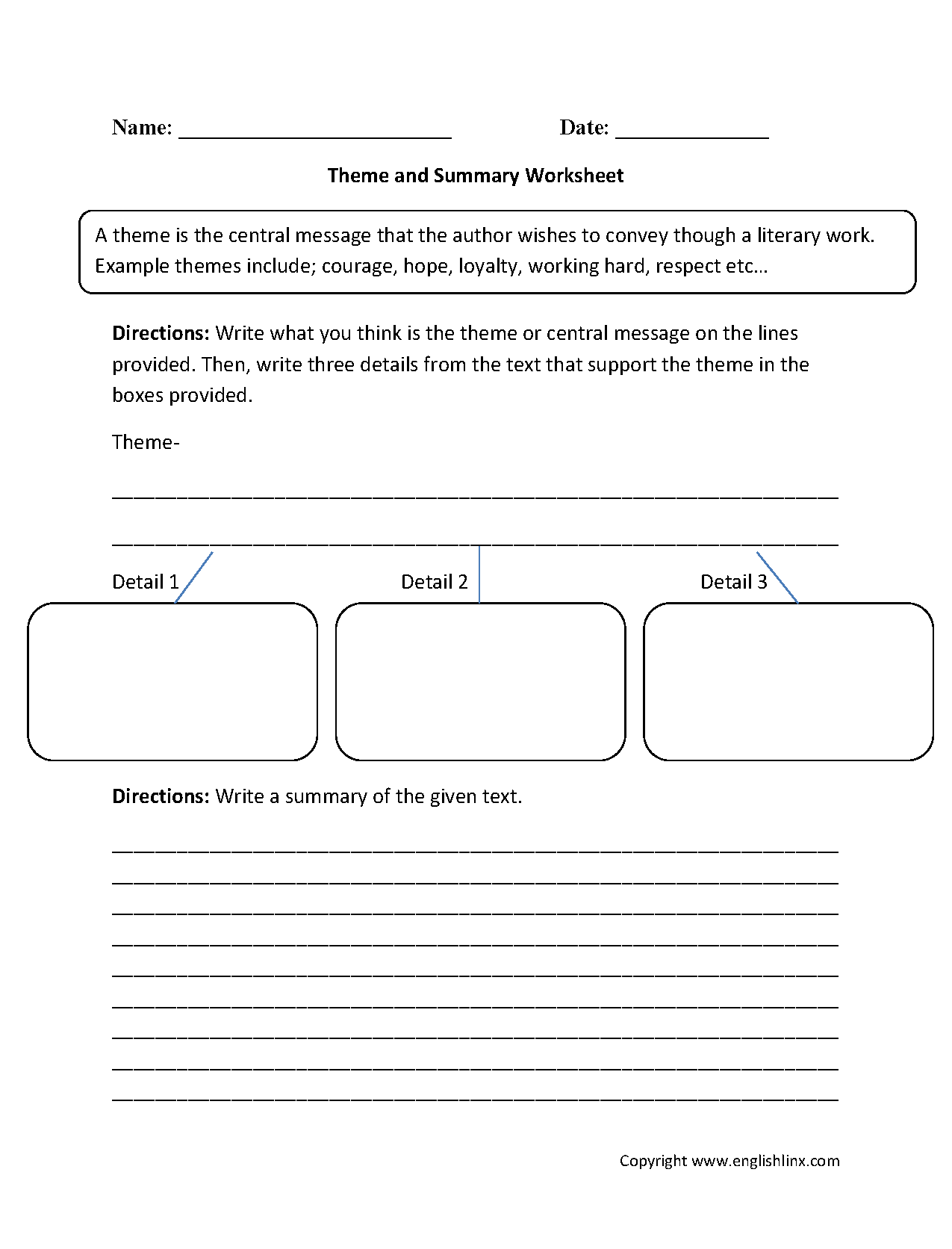
Return to the worksheet for a solo write‑up. Students should state the theme, list supporting evidence, and explain its significance in the story.
Step 5: Whole‑Class Debrief
Invite groups to share their findings. Facilitate a dialogue that compares interpretations, clarifies misunderstandings, and celebrates diverse insights.
Step 6: Assessment and Feedback
Collect worksheets and use the rubric to evaluate each student’s understanding. Provide written feedback focusing on evidence use and thematic articulation.
Real‑World Examples to Inspire Students
Using familiar stories or current events can make theme identification relatable. Here are examples that teachers can adapt:
Classic Literature
In To Kill a Mockingbird, the theme of racial injustice emerges through the trial of Tom Robinson. Students can analyze how the setting and character interactions highlight this theme.
Contemporary Young Adult Fiction
In The Hunger Games, the theme of survival versus morality is explored through Katniss’s choices. Worksheets can prompt students to examine how her actions reflect broader societal critiques.
Historical Non‑Fiction
A passage from a civil rights speech might reveal the theme of empowerment. Students could analyze rhetorical devices and contextual references to support their analysis.
Modern Media
Using a short film clip or a news article can also serve as a dynamic theme worksheet prompt. Teachers can ask students to identify the underlying message and its impact on the audience.
Common Pitfalls and How to Avoid Them
Over‑Simplifying the Theme
Students may default to a single obvious idea (e.g., “good beats evil”). Encourage deeper analysis by asking them to consider subthemes, conflicting messages, or nuanced character motivations.
Insufficient Evidence
Students sometimes claim a theme without citing textual proof. Teach them to underline or annotate directly on the excerpt, then reference these marks in their answer.
Ignoring Context
Failing to consider the author’s background or historical period can lead to misinterpretation. Provide brief contextual notes or suggest quick research tasks.
Rigid Worksheet Design
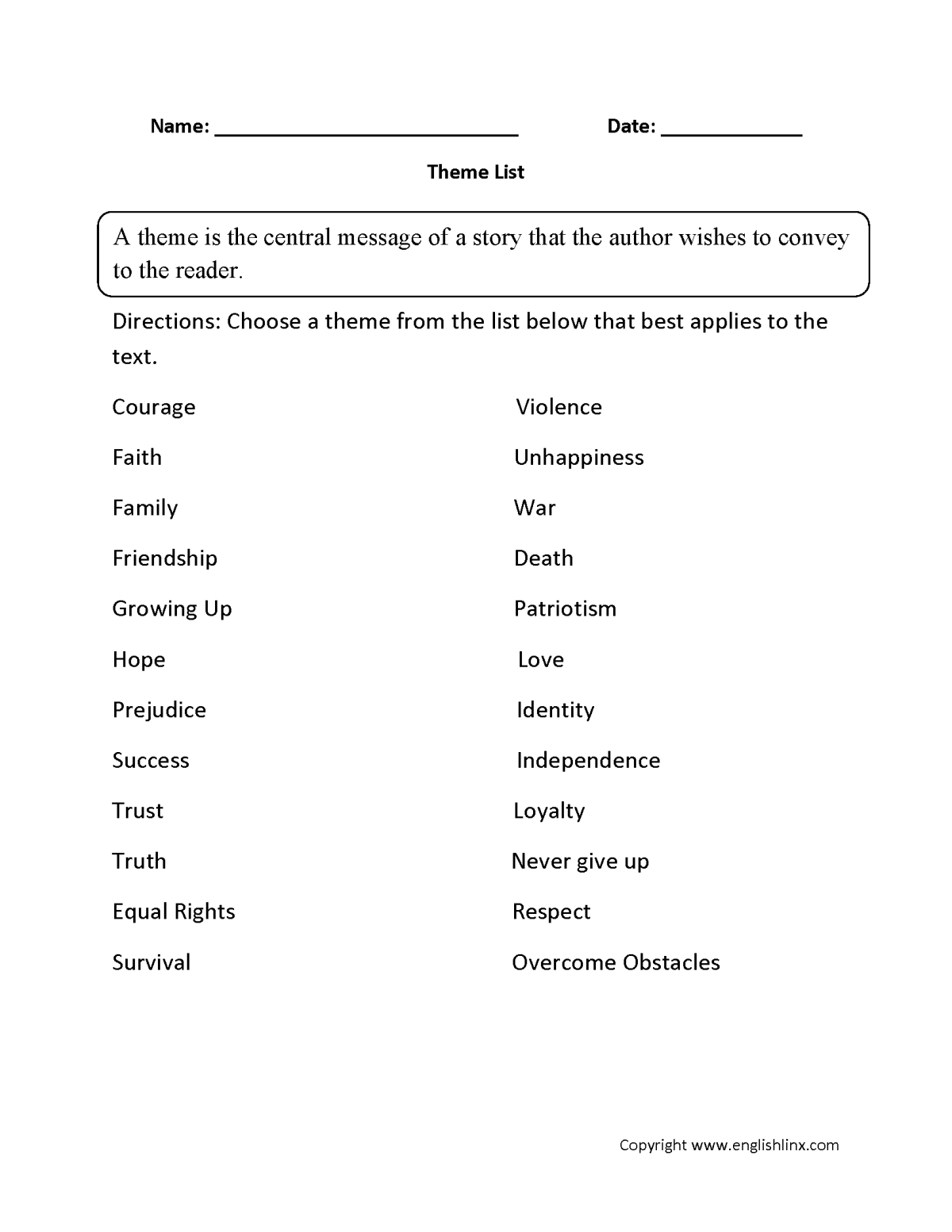
Overly prescriptive worksheets can stifle creativity. Include open‑ended spaces and allow students to write their own thematic statements rather than choosing from a set list.
Tips for Differentiating Theme Worksheets
For Emerging Readers
Use shorter excerpts, provide vocabulary glossaries, and pair text with visuals (illustrations or images that hint at the theme).
For Advanced Students
Include multiple excerpts that contrast themes within a single text or across authors. Ask them to create a thematic map or comparative chart.
For Diverse Learners
Offer bilingual versions or audio recordings of the excerpt. Provide sentence starters and sentence frames to scaffold responses.
Technology Integration
Utilize interactive platforms where students can highlight passages, annotate digitally, and collaborate in real time. This approach also offers auto‑graded rubrics for instant feedback.
Integrating Theme Worksheets into a Broader Literacy Plan
Theme analysis is just one piece of a comprehensive reading curriculum. When combined with other strategies such as close reading, summarization, and character study, it enriches students’ overall literacy skills.
Sequencing Theme Worksheets
Introduce basic theme identification early, then progressively add complexity:
- Single sentence theme statements
- Short excerpt with supporting evidence
- Full chapter analysis
- Comparative theme studies
- Personal reflection essays
Cross‑Curricular Connections
Link theme work to history by exploring the societal context, to science by examining environmental themes, or to art by analyzing visual symbolism. This interdisciplinary approach broadens students’ perspective.
Assessment Variety
Beyond worksheets, consider portfolio submissions, peer reviews, and oral presentations. These varied assessments cater to different learning styles and reinforce theme comprehension.
Conclusion: Empowering Readers Through Theme Mastery
By embedding Identify The Theme Worksheet into daily instruction, teachers cultivate a generation of readers who are not merely consumers of text but thoughtful analysts of meaning. These skills translate into better writing, sharper critical thinking, and an enduring appreciation for the stories that shape our world. As educators, we give students the tools to decode the hidden messages within every narrative, unlocking the universal truths that connect us all.




Related posts of "Identify The Theme Worksheet"
