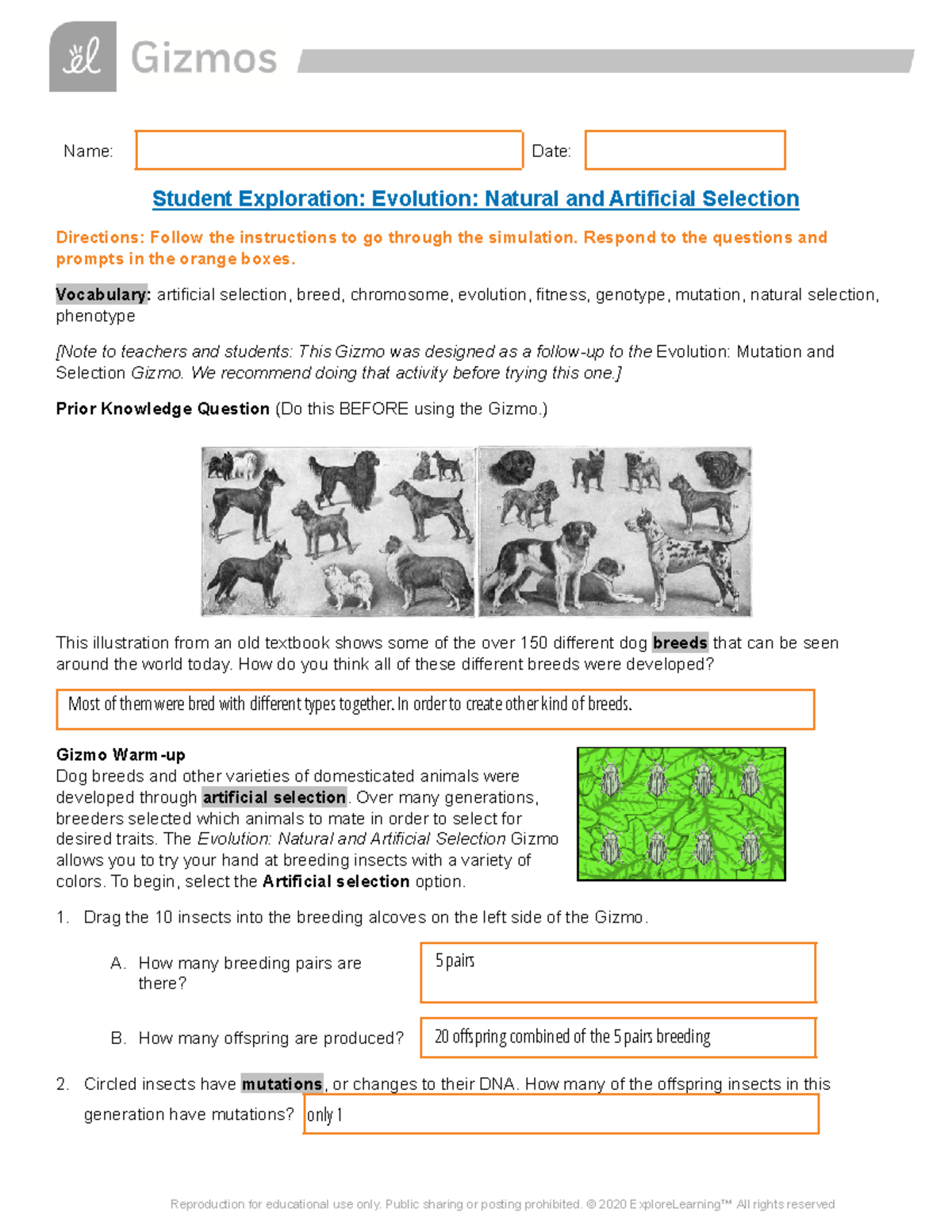
Evolution By Natural Selection Worksheet offers a grimly fascinating portal into the ruthless mechanisms that shape life, and this article plunges deep into why that worksheet matters, how to wield it with precision, and how to stretch its dark insights far beyond the classroom walls.
Why Natural Selection Worksheets Matter
The study of natural selection is not a gentle stroll through a sunlit meadow; it is a stark exploration of survival, competition, and the cold mathematics of adaptation. A worksheet that captures these concepts forces students to confront the brutal reality that only the best‑adapted persist while the rest fade into oblivion. By translating abstract theory into concrete questions, the worksheet becomes a crucible where misconceptions are forged into understanding, and vague notions about “evolution” are melted down and re‑shaped into solid knowledge.
Bridging Theory and Evidence
One of the greatest challenges in teaching evolution is moving students from textbook fluff to tangible evidence—fossil records, genetic drift, and observable selection in real populations. The worksheet’s sections that demand identification of specific evidence act as a scalpel, cutting away the veneer of “just a theory” and exposing the gritty data that underpin Darwin’s legacy. When learners match peppered moth coloration to industrial soot, they see the relentless hand of selection in action.
Developing Critical Thinking in the Dark
Beyond rote memorization, the worksheet’s scenario‑based questions thrust students into ambiguous, real‑world dilemmas. Should a population be considered “evolving” if only a single trait changes? What does a shift in allele frequency really signify? By wrestling with these shadows, pupils sharpen analytical muscles that will serve them in any scientific battlefield.
Dissecting the Worksheet Structure
The worksheet is meticulously layered, each segment building upon the last like strata in a fossil bed. Understanding its architecture is essential for extracting the maximum pedagogical payoff.
Opening Section: Core Concepts
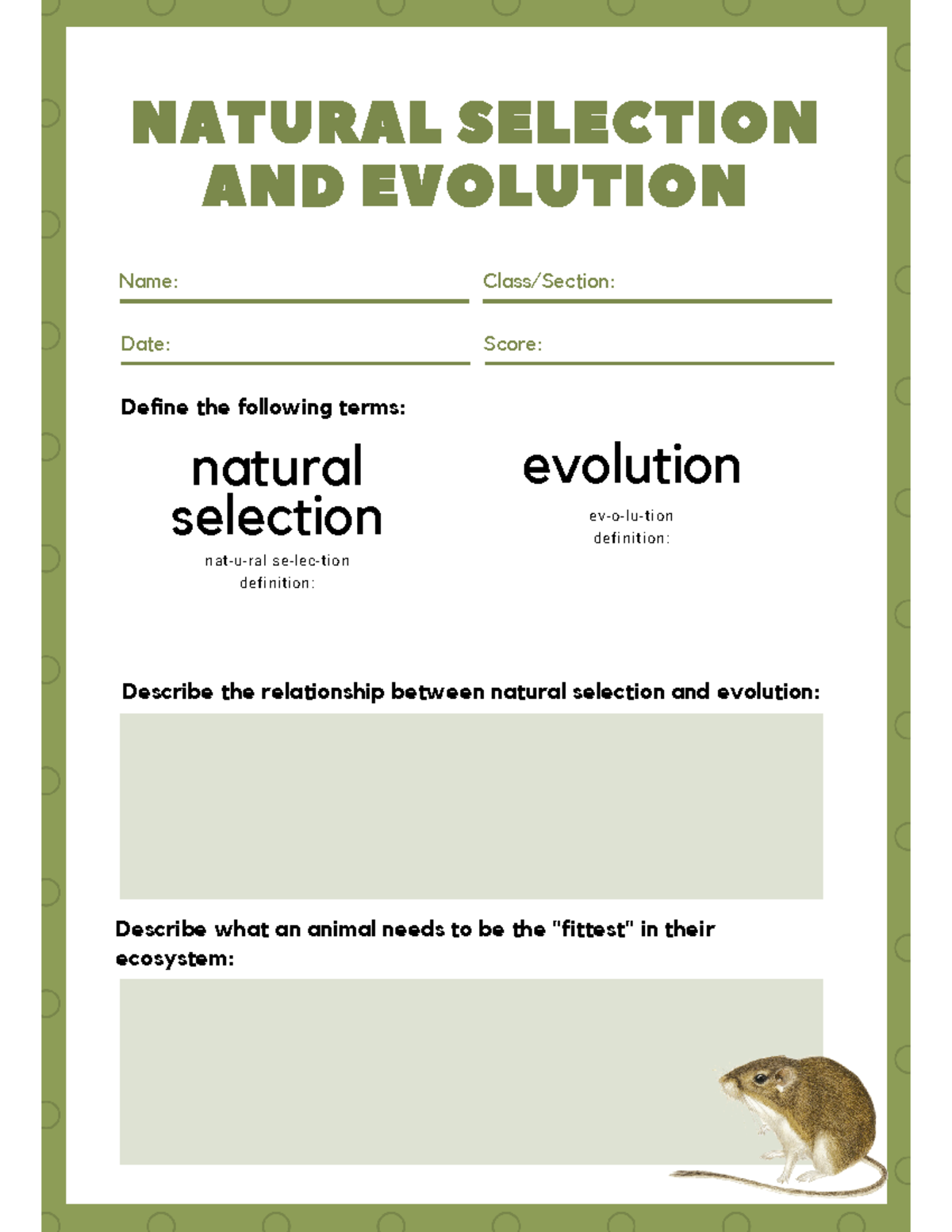
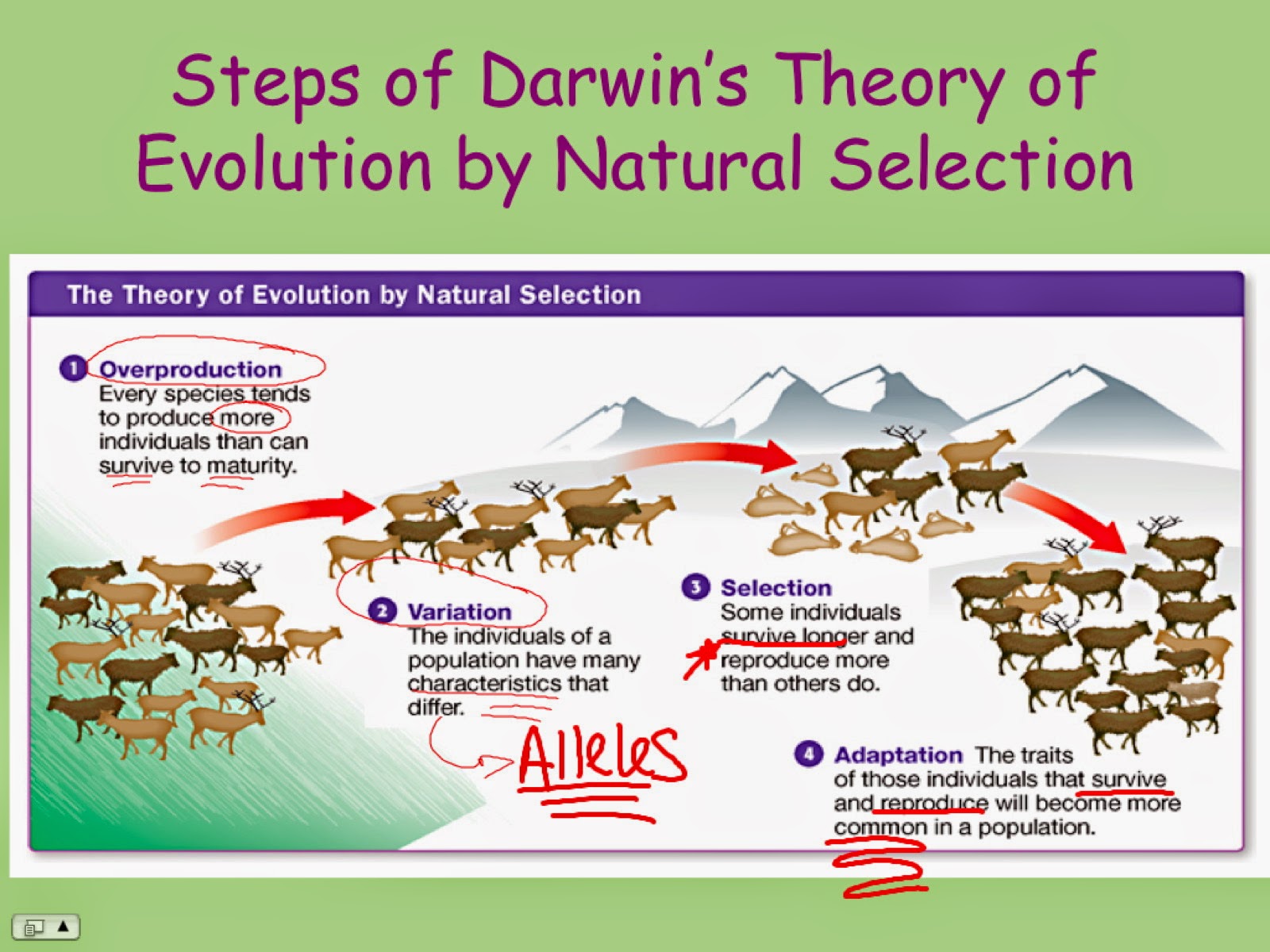
This part asks learners to define key terms—variation, inheritance, differential survival, and reproductive success. By demanding precise definitions, the worksheet forces students to confront the bleak truth that evolution is not a smooth, purposeful march but a chaotic, opportunistic process.
Evidence Identification Grid
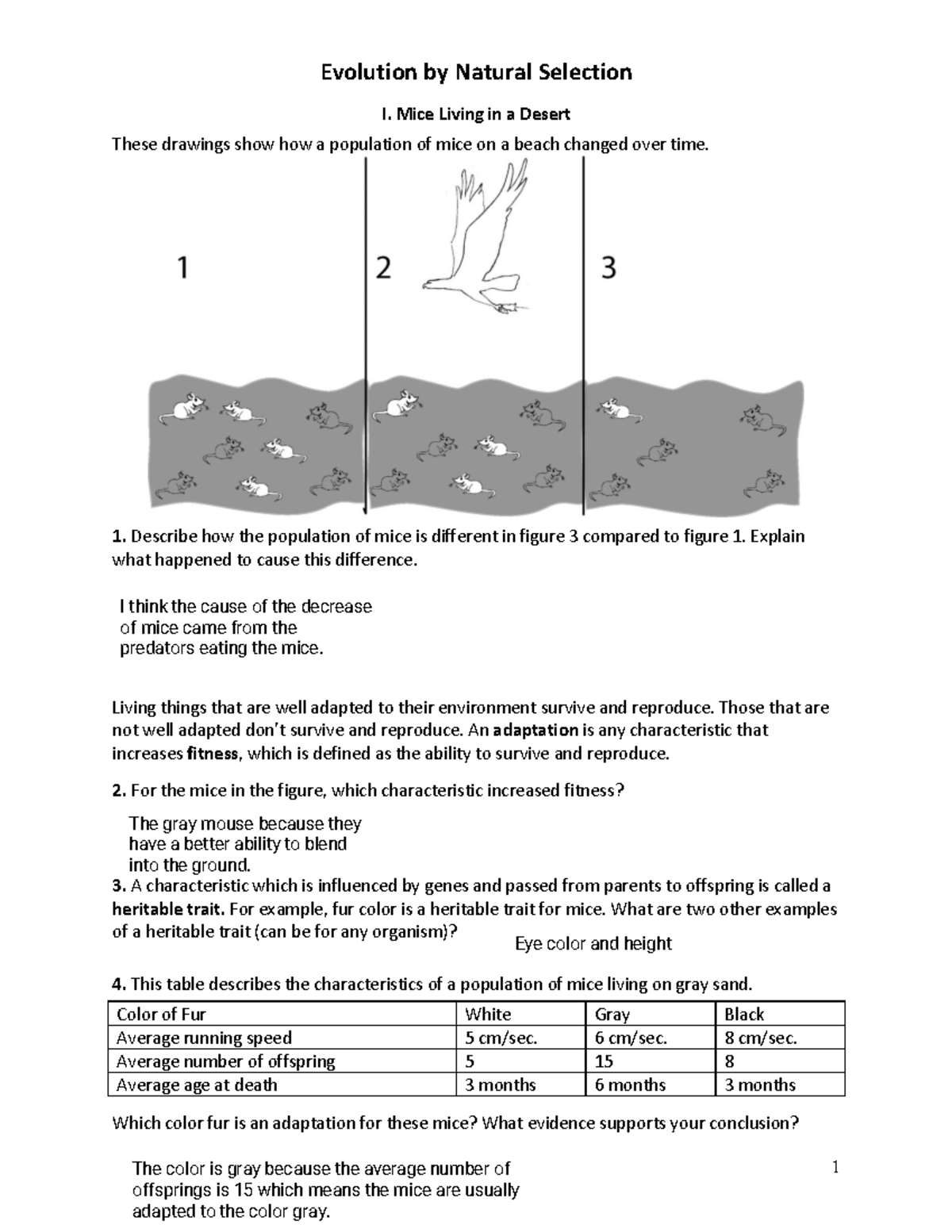
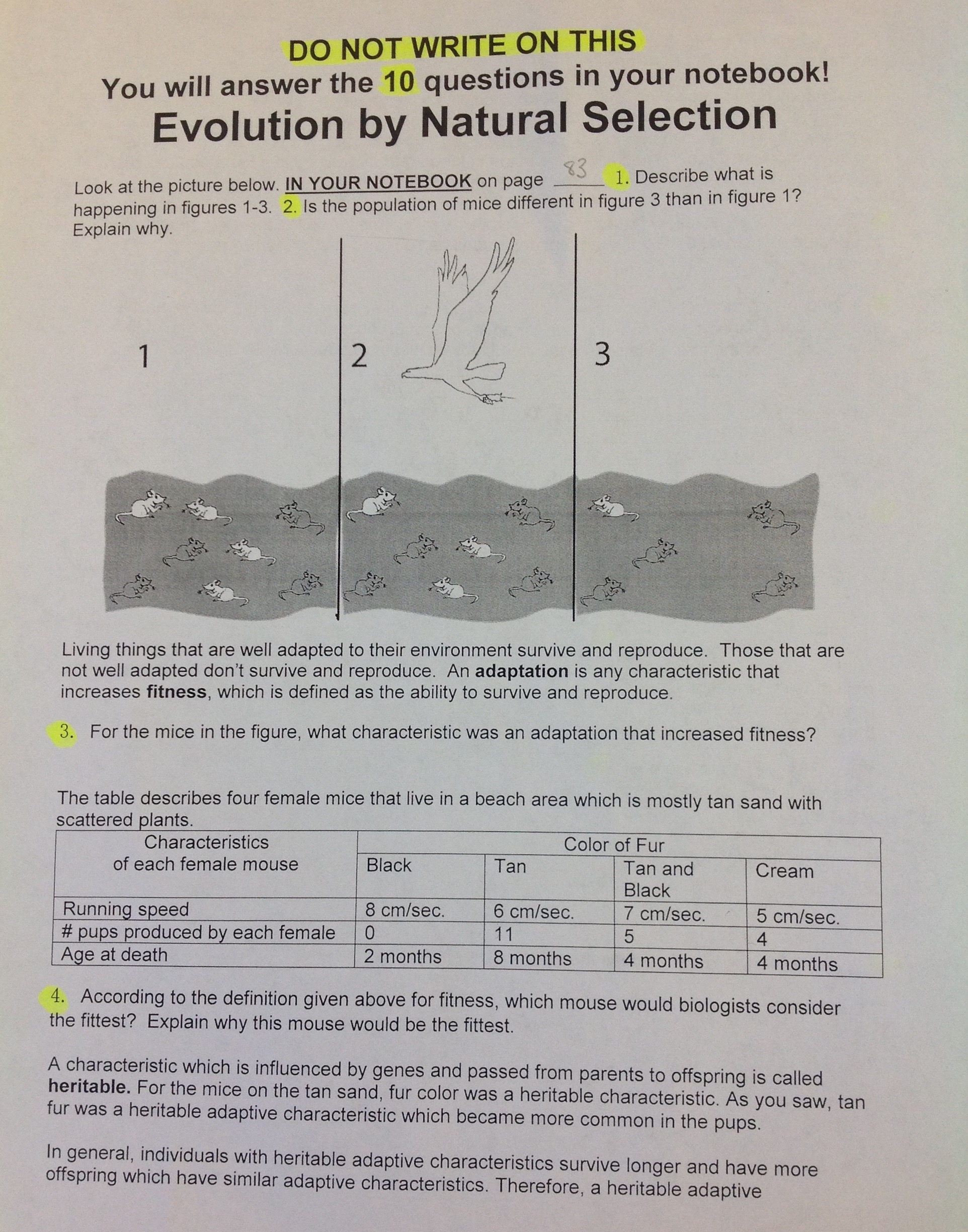
Here, a table of images and descriptions awaits classification. Students must label each example as “direct evidence,” “indirect evidence,” or “none.” The grid’s design mimics a forensic lab, compelling learners to sift through clues and assemble a narrative of selection’s relentless march.
Scenario Analysis: Survival Under Pressure
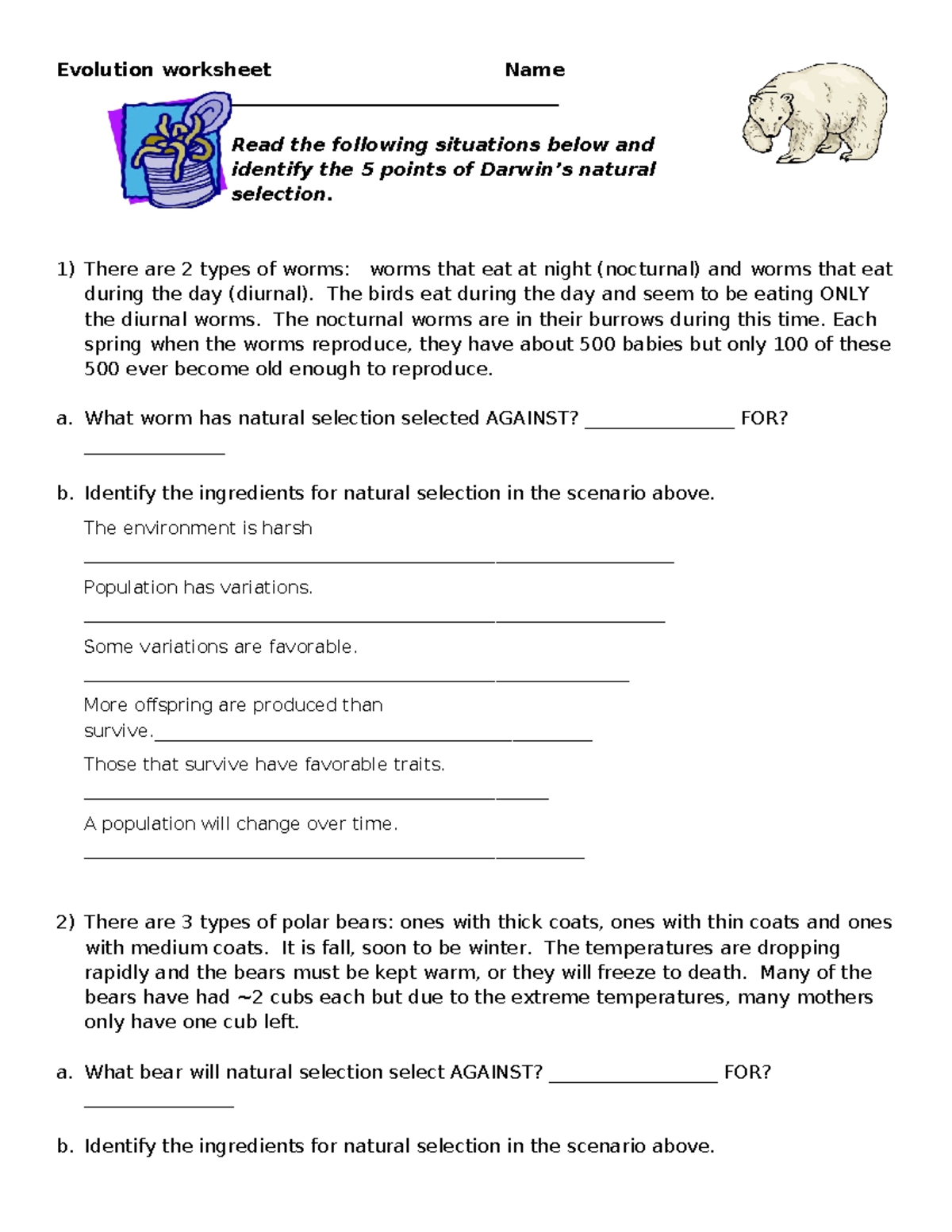
In this chilling vignette, a population of beetles faces a sudden environmental shift—perhaps a pesticide influx or a climate dip. The worksheet asks students to predict allele frequency changes, calculate fitness ratios, and justify their predictions with evolutionary logic. This section is the crucible where theory meets the harshness of reality.
Reflection and Synthesis
The final block asks students to write short essays on the broader implications of natural selection—ethical considerations, human impact, and future trajectories. This open‑ended portion invites dark contemplation, encouraging learners to see evolution not just as a natural process but as a force intertwined with humanity’s own destructive capacities.
How to Use the Worksheet in the Classroom
Deploying the worksheet demands a strategic, almost theatrical approach. The goal is to immerse students in the bleak elegance of natural selection while keeping the atmosphere focused and purposeful.
Pre‑Lesson Dark Warm‑Up
Begin with a short, unsettling video clip of a predator–prey chase in the wild, followed by a quick poll: “What determines who lives and who dies?” This primes the class for the harsh truths that will follow in the worksheet.
Guided Walkthrough
Rather than handing out the worksheet and leaving students to flounder, conduct a step‑by‑step walkthrough. Highlight the language of the core concepts, pause on each evidence image, and ask the class to justify their classifications aloud. This collective interrogation mirrors a scientific tribunal, where each claim must stand up to scrutiny.
Collaborative Data Crunching
When students reach the scenario analysis, split the class into small “research labs.” Provide calculators, allele frequency formulas, and a dark‑themed worksheet cover that reinforces the tone. Have each group calculate fitness values, then compare results. The collaborative tension mirrors the competition inherent in natural selection itself.
Debrief in the Shadows
After the worksheet is completed, host a debriefing session where students discuss the emotional impact of confronting such stark realities. Ask them to reflect on how the worksheet altered their perception of evolution from an abstract idea to a visceral, relentless force.
Common Pitfalls and How to Avoid Them
Even the most carefully crafted worksheet can stumble into traps that dilute its impact. Recognizing and sidestepping these pitfalls ensures the dark narrative remains potent.
Superficial Answers
Students often provide textbook definitions without depth. Counteract this by demanding evidence‑backed explanations—ask, “What specific study supports your definition of differential survival?” This forces learners to dig beneath the surface.
Misinterpretation of Evidence
The evidence grid can be a minefield; students may mislabel indirect evidence as direct. Use a quick “evidence hierarchy” chart to clarify the distinctions, and rehearse a few examples together before letting them work independently.
Over‑Reliance on Memorization
When the scenario analysis turns into a formula‑plugging exercise, the true conceptual weight is lost. Emphasize the “why” behind each calculation—why does a higher fitness value translate to an increased allele frequency? Encourage students to write a short rationale alongside each numeric answer.
Neglecting Ethical Context
Evolutionary theory can be misused to justify social Darwinism or other harmful ideologies. The worksheet’s reflection section must be handled with care, prompting students to discuss ethical boundaries and the responsibility of scientists to prevent misuse.
Extending Learning Beyond the Worksheet
The worksheet is merely the opening act of a longer, darker performance. Extending its lessons into projects and fieldwork deepens the impact.
Field Observations of Selection
Organize a local field trip to a park or nature reserve where students can observe real‑time selection—perhaps the coloration of insects on different substrates, or the size variation in a snail population. Have them record observations, then return to the worksheet’s framework to classify their findings.
Simulation Software
Leverage free simulation tools that model allele frequency changes over generations under varying selective pressures. Students can input the scenario parameters from the worksheet and watch the digital population evolve, visualizing the relentless march of selection.
Creative Writing Assignment
Invite students to write a short, gothic narrative from the perspective of a single organism battling environmental change. This exercise humanizes the cold calculus of evolution, embedding the scientific concepts in a memorable story.
Cross‑Disciplinary Connections
Link the worksheet to literature, philosophy, or art that explores themes of survival and adaptation. Discuss how natural selection echoes in dystopian novels or in the stark imagery of black‑and‑white photography, reinforcing the pervasive influence of this biological principle.
Assessing Understanding with the Answer Key
The answer key is not a cheat sheet but a diagnostic instrument. Use it to gauge where students wrestle with the darkness of the concepts and where they emerge unscathed.
Targeted Feedback Loops
After grading, highlight specific errors—perhaps a misclassification of indirect evidence—and conduct a micro‑lecture addressing that exact misconception. This laser‑focused remediation prevents the same shadows from re‑emerging in future assessments.
Self‑Assessment Opportunities
Provide students with the answer key after an initial grading round, encouraging them to compare their work, annotate discrepancies, and rewrite explanations. This reflective practice transforms the key from a static answer list into a dynamic learning catalyst.
Statistical Analysis of Results
Compile class scores on each worksheet section to identify which concepts are most resistant to comprehension. If the scenario analysis scores lag, consider revisiting the fitness calculation tutorial with additional examples.
Final Thoughts
In the unforgiving realm of natural selection, only the keenest minds survive the intellectual onslaught. The Evolution By Natural Selection Worksheet serves as a crucible, forging students’ understanding from raw curiosity into disciplined insight. By dissecting its structure, deploying it with strategic darkness, sidestepping common errors, and extending its lessons into real‑world observation and creative expression, educators can ensure that the brutal elegance of evolution is not merely taught but truly felt. The answer key, when wielded wisely, becomes a beacon in the gloom, illuminating misconceptions and guiding learners toward a deeper, more resilient grasp of the forces that shape life itself. As the lesson concludes, let the lingering echo of survival’s relentless march remind every student that in the grand tapestry of existence, knowledge is the sharpest tool against the indifferent march of time.










Related posts of "Evolution By Natural Selection Worksheet"
