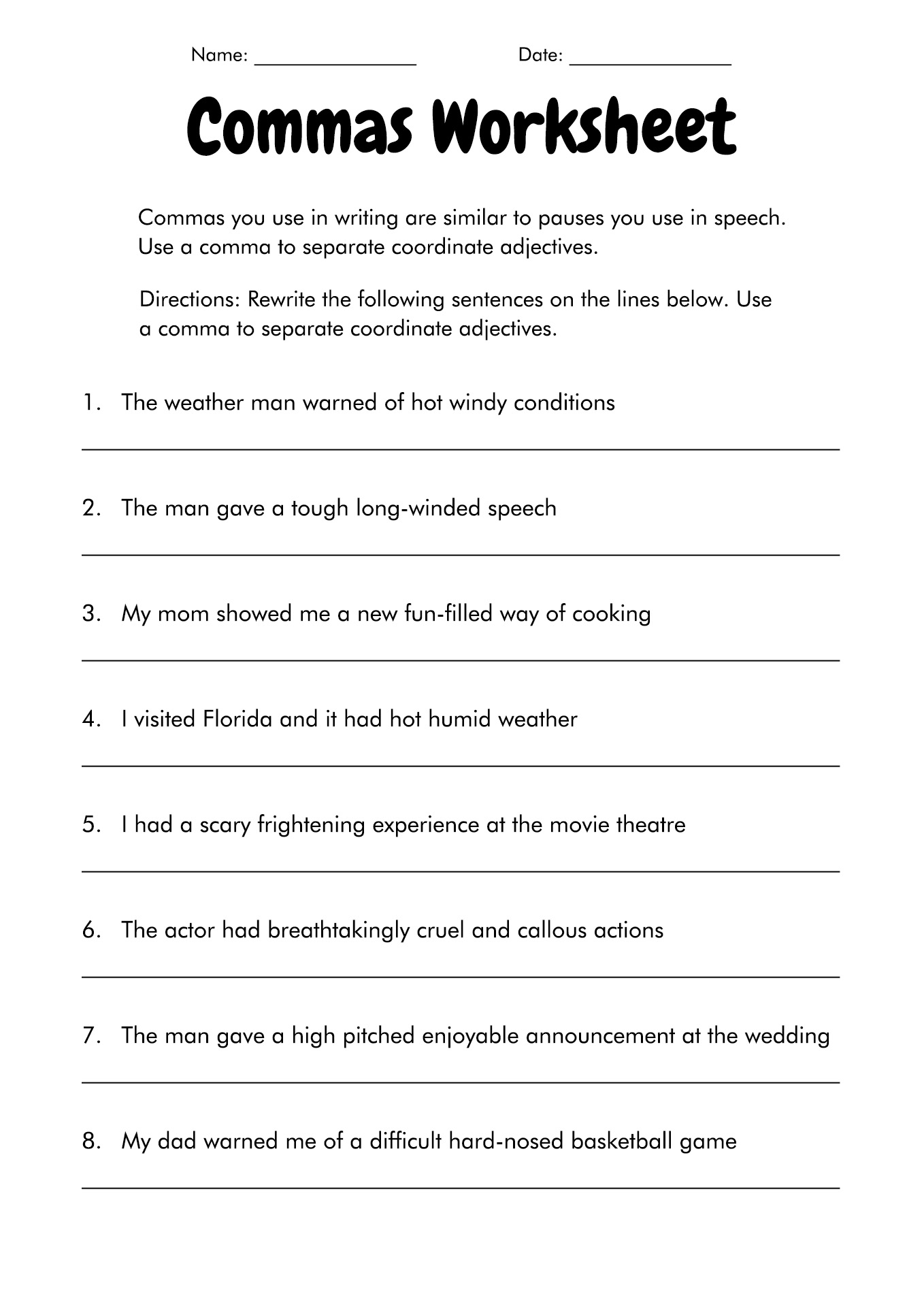
Ela Worksheets 7th Grade play a pivotal role in bridging the gap between foundational literacy skills and the advanced analytical thinking required by middle school standards. By weaving targeted practice into daily instruction, teachers can reinforce comprehension, vocabulary, and writing techniques while keeping students actively involved.
Understanding the 7th Grade ELA Landscape
Curricular Demands
The Common Core State Standards for 7th grade emphasize critical reading of complex texts, argument analysis, and structured writing. Students transition from simple narrative skills to evaluating sources, identifying rhetorical strategies, and crafting persuasive essays. Worksheets that reflect these shifts help scaffold learning and ensure mastery before moving to more independent projects.
Student Readiness
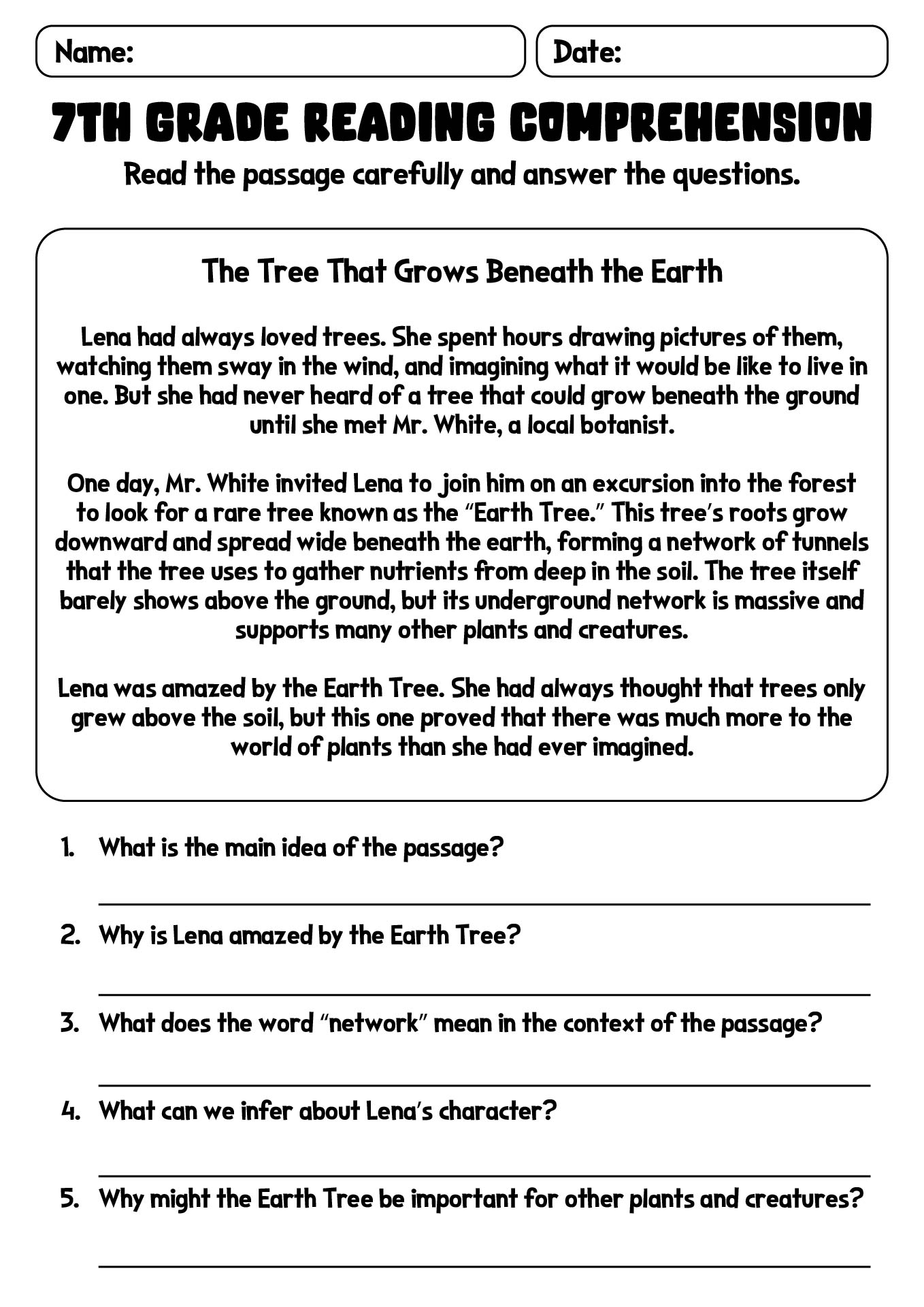
At this developmental stage, learners exhibit diverse reading speeds and interpretive abilities. Many benefit from guided practice that breaks down unfamiliar concepts into manageable steps. Worksheets tailored to varying proficiency levels—such as leveled reading passages paired with comprehension questions—enable differentiated instruction without sacrificing classroom cohesion.
Teacher Objectives
Effective 7th grade ELA instruction requires aligning worksheets with lesson objectives, class rhythms, and assessment goals. Teachers often use worksheets as diagnostic tools, formative checkpoints, or review activities. Recognizing each worksheet’s purpose ensures that they complement rather than clutter the curriculum.
Core Components of Effective Ela Worksheets
Clear Learning Targets
Each worksheet should state a specific skill or concept—e.g., “Identify the main idea in a complex paragraph” or “Explain the author’s purpose in persuasive writing.” Clear objectives guide both teacher and student toward a measurable outcome.
Authentic Texts
Incorporating excerpts from contemporary novels, journalism pieces, or historical documents provides real-world relevance. Authenticity boosts engagement and allows students to apply analytical skills to texts they encounter outside the classroom.
Progressive Difficulty
Design worksheets that gradually increase in complexity. Start with recognition tasks (e.g., multiple-choice definitions) and advance to synthesis questions (e.g., comparing themes across two passages). This progression nurtures confidence and fosters skill development.
Interactive Elements
Embedding activities such as graphic organizers, peer discussion prompts, or digital simulations encourages active learning. Interactive worksheets transform passive reading into collaborative exploration.
Feedback Mechanisms
Include self-check options or answer keys that provide immediate, actionable feedback. When students can review mistakes and understand correct reasoning, they refine critical thinking skills more rapidly.
How to Choose the Right Worksheets
Alignment with Standards
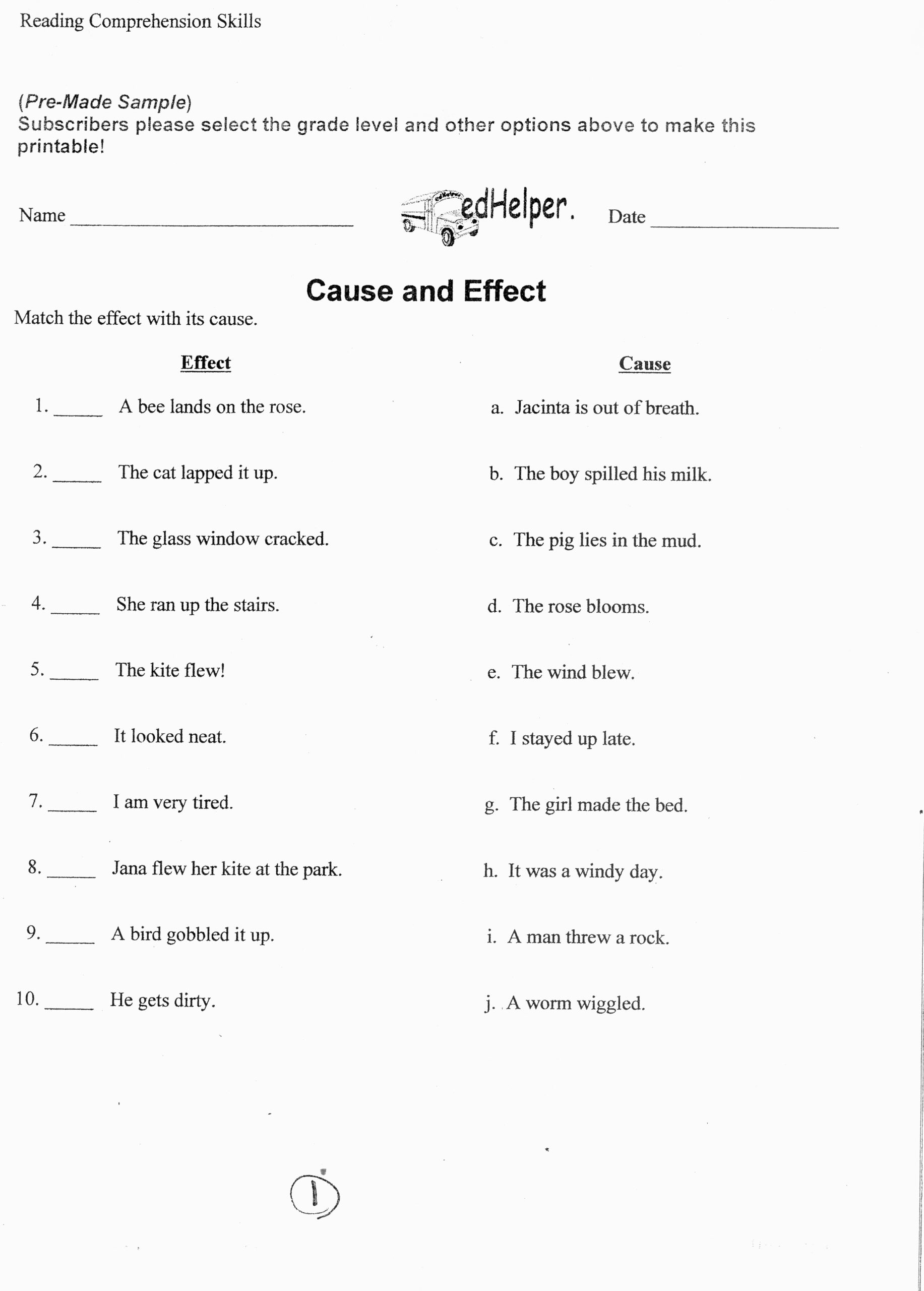
Verify that the worksheet targets the specific CCSS or district standards relevant to your lesson. A quick cross-reference table can ensure comprehensive coverage without duplication.
Grade-Level Appropriateness
Assess the reading level and complexity of the text. Use tools like the Flesch-Kincaid readability score or Lexile measures to match student proficiency.
Variety of Skill Focus
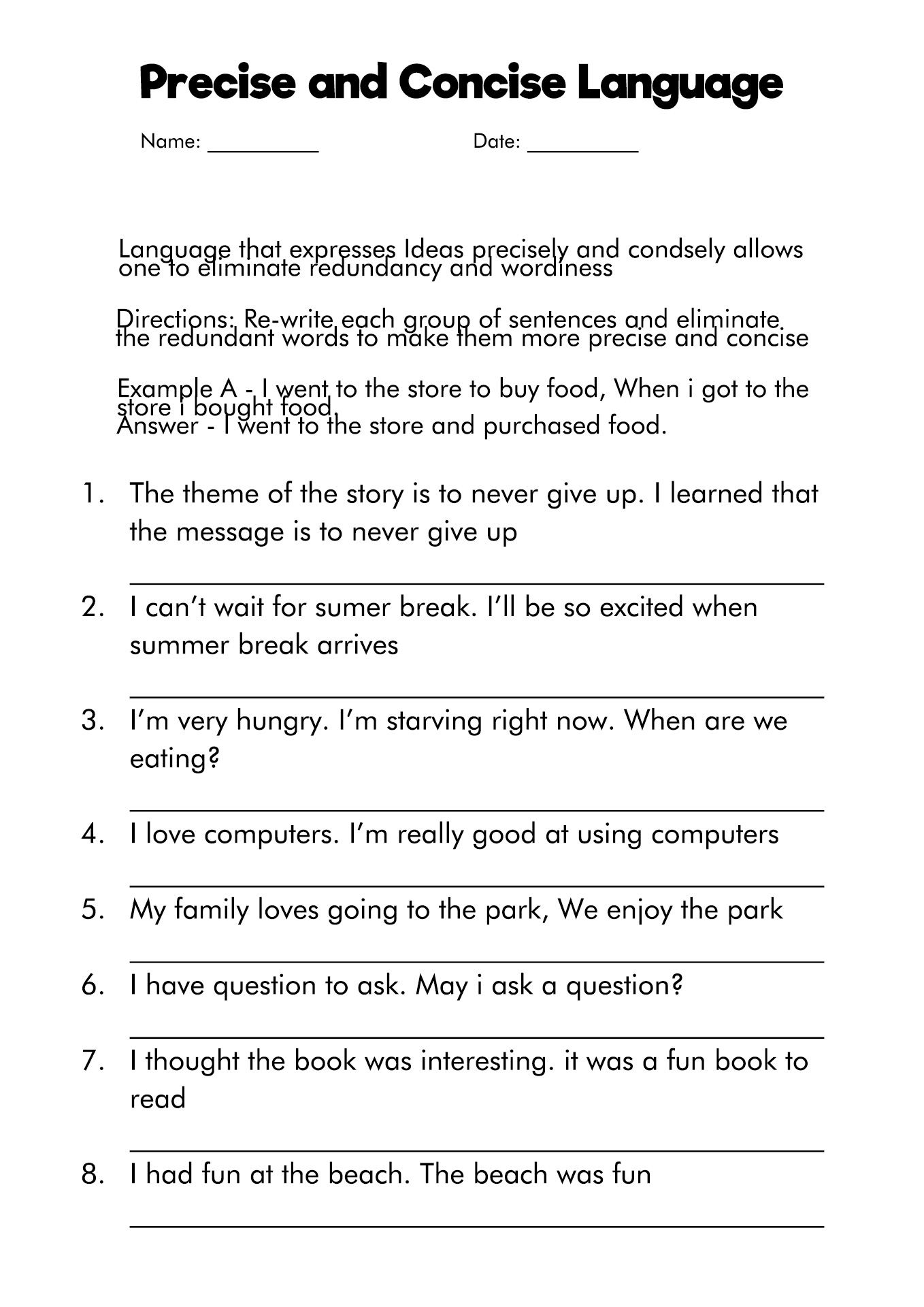
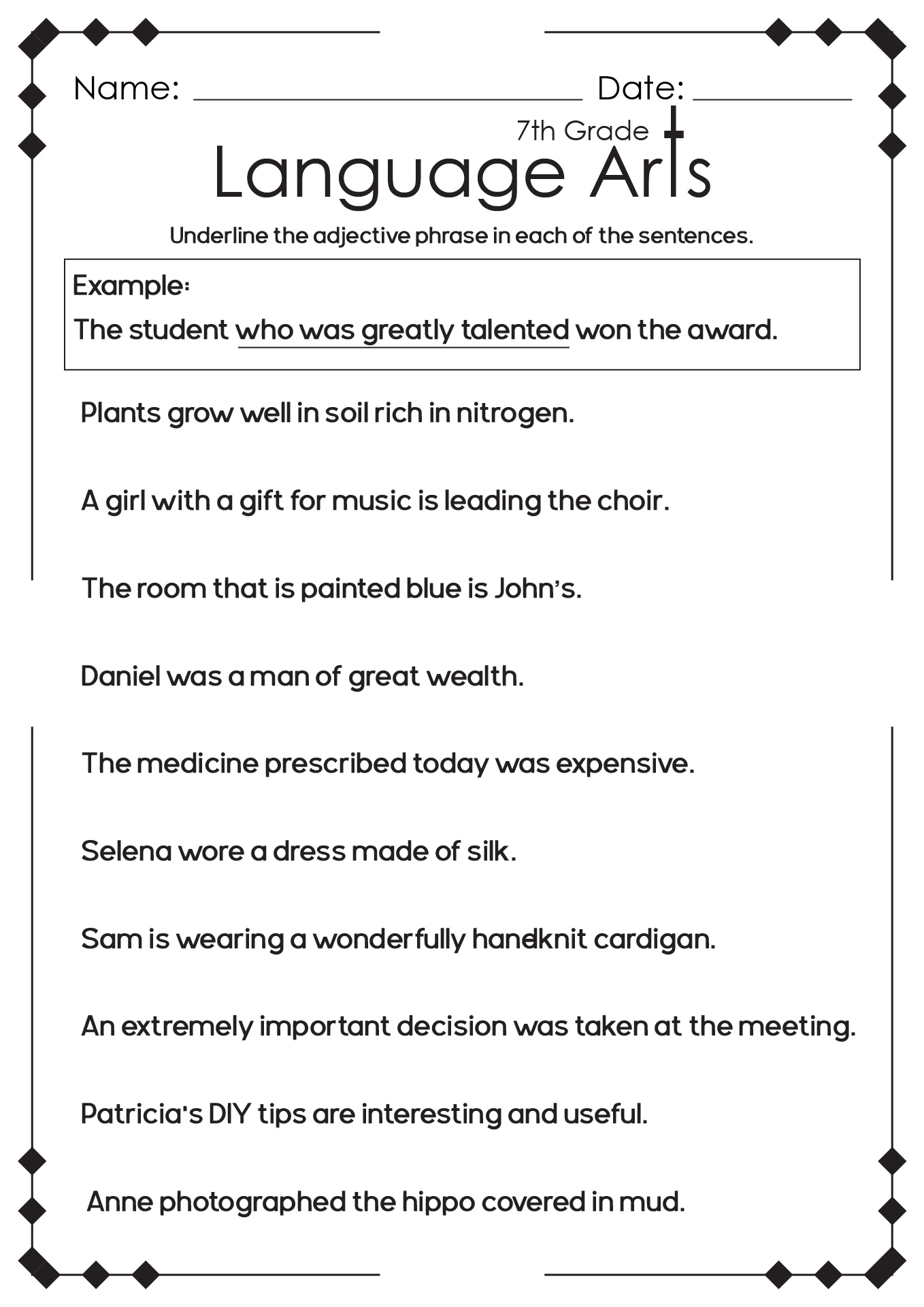
Balance worksheets that address reading comprehension, vocabulary development, and writing structure. A diverse portfolio prevents monotony and supports holistic literacy growth.
Durability and Adaptability
Choose worksheets that can be reused across semesters with minimal edits. Look for templates that allow easy modification of questions or insertion of new passages.
Accessibility Features
Incorporate clear fonts, high contrast, and alternative text options. Consider worksheets with audio support or translation to accommodate English Language Learners.
Integrating Worksheets into Lesson Plans
Pre-Lesson Warm-Ups
Use a quick 5–10 minute worksheet to activate prior knowledge before introducing a new text. For example, a short vocabulary matching exercise primes students for the day’s reading.
During-Instruction Activities
Insert a worksheet mid-lecture to reinforce newly taught concepts. A mini-essay prompt after a lesson on rhetorical devices can help students apply theory immediately.
Post-Lesson Consolidation
Assign worksheets as homework or classroom review to solidify learning. Structured reflection questions encourage students to articulate insights and self-assess their understanding.
Project-Based Extensions
Extend worksheet concepts into larger projects. Students who practice thesis statements through worksheets can later draft a research paper that incorporates those skills.
Assessment Alignment
Align worksheet outcomes with unit assessments. A worksheet that practices evidence-based paragraph writing prepares students for the writing component of a unit test.
Techniques to Boost Engagement
Gamified Elements
Turn worksheet tasks into competitive games—time trials, scavenger hunts, or leaderboard challenges. Gamification motivates students to perform better while enjoying the activity.
Choice Boards
Offer several worksheet options targeting the same learning objective. Allow students to select based on interest or strength, fostering ownership of their learning path.
Collaborative Work
Pair students for peer review worksheets, where they exchange drafts and provide constructive feedback. Collaboration mirrors real-world writing processes.
Multimodal Resources
Supplement worksheets with videos, podcasts, or interactive quizzes that reinforce the same content from different angles.
Reflection Prompts
Include brief reflection questions such as, “What strategy helped me understand this passage?” or “Which vocabulary word was most challenging?” This metacognitive practice deepens engagement.
Assessment and Feedback Strategies
Formative Data Collection
Use worksheets as quick formative assessments. Tally correct responses to identify content gaps and adjust subsequent instruction accordingly.
Rubric-Driven Evaluation
Pair writing worksheets with a simple rubric that clarifies criteria such as organization, evidence use, and clarity. Transparent standards build student confidence.
Instant Feedback Mechanisms
Provide answer keys or self-check boxes for immediate correction. For more nuanced tasks, include brief teacher comments that highlight strengths and suggest improvement areas.
Student Self-Assessment
Encourage learners to evaluate their own responses using a checklist. Self-assessment promotes reflection and a growth mindset.
Progress Tracking
Maintain a worksheet performance log for each student. Over time, the log reveals trends and informs personalized intervention strategies.
Common Challenges and Solutions
Overreliance on Repetition
Repeatedly using the same worksheets can dull motivation. Rotate content, update passages, or introduce new question formats to keep the activity fresh.
Misalignment with Learning Styles
Students vary in how they process information. Offer worksheets in multiple formats—textual, visual, auditory—to address diverse preferences.
Assessment Anxiety
High-stakes worksheets may induce stress. Frame worksheets as learning tools rather than tests; emphasize progress over perfection.
Limited Time Allocation
Workplace constraints can reduce worksheet usage. Embed short, focused worksheets within lessons rather than allocating whole periods for them.
Accessibility Barriers
Students with reading difficulties may struggle with dense passages. Provide simplified versions or audio narration to ensure equitable access.
Beyond Worksheets: Complementary Resources
Digital Platforms
Leverage online ELA tools that auto-generate reading quizzes or track writing progress. These platforms often sync with worksheet data for holistic assessment.
Literature Circles
Encourage peer-led discussions after worksheet completion. Literature circles deepen comprehension and foster collaborative learning.
Writing Journals
Maintain a personal journal where students reflect on daily reading and write spontaneous responses. Journals complement structured worksheets by allowing creative exploration.
Community Reading Programs
Invite local authors or educators for workshops. Real-world connections reinforce the relevance of worksheet practice.
Multilingual Support
For English Language Learners, pair worksheets with bilingual glossaries or translation guides to maintain clarity and confidence.
Final Thoughts
Effective Ela Worksheets 7th Grade are not mere worksheets; they are strategic tools that reinforce standards, promote critical thinking, and adapt to diverse learners. By selecting aligned, engaging, and varied worksheets, integrating them seamlessly into lesson plans, and employing robust feedback loops, teachers can create a dynamic learning environment that prepares students for academic success. Embracing these best practices transforms worksheets from rote exercises into meaningful, student-centered experiences that resonate long beyond the classroom walls.






Related posts of "Ela Worksheets 7th Grade"
