Diamond Math Problems Worksheet offers an engaging, visual way to sharpen students’ arithmetic fluency, pattern recognition, and problem‑solving confidence, making it a staple resource for elementary teachers, homeschool families, and after‑school programs across the United States.
What Is a Diamond Math Problems Worksheet?
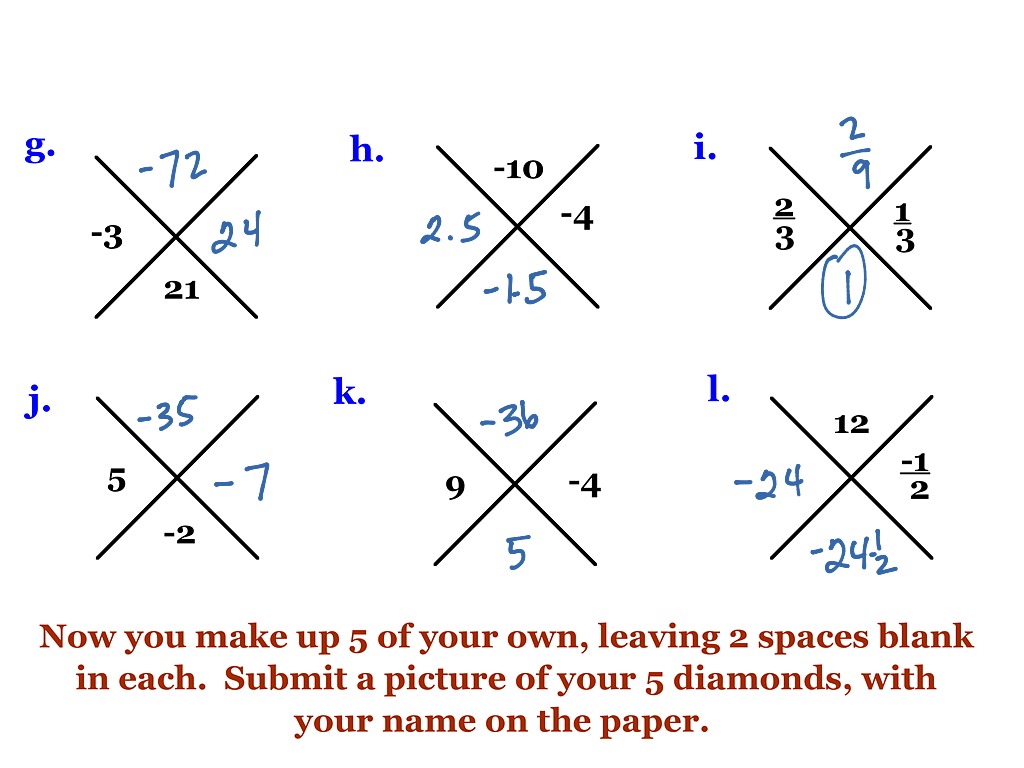
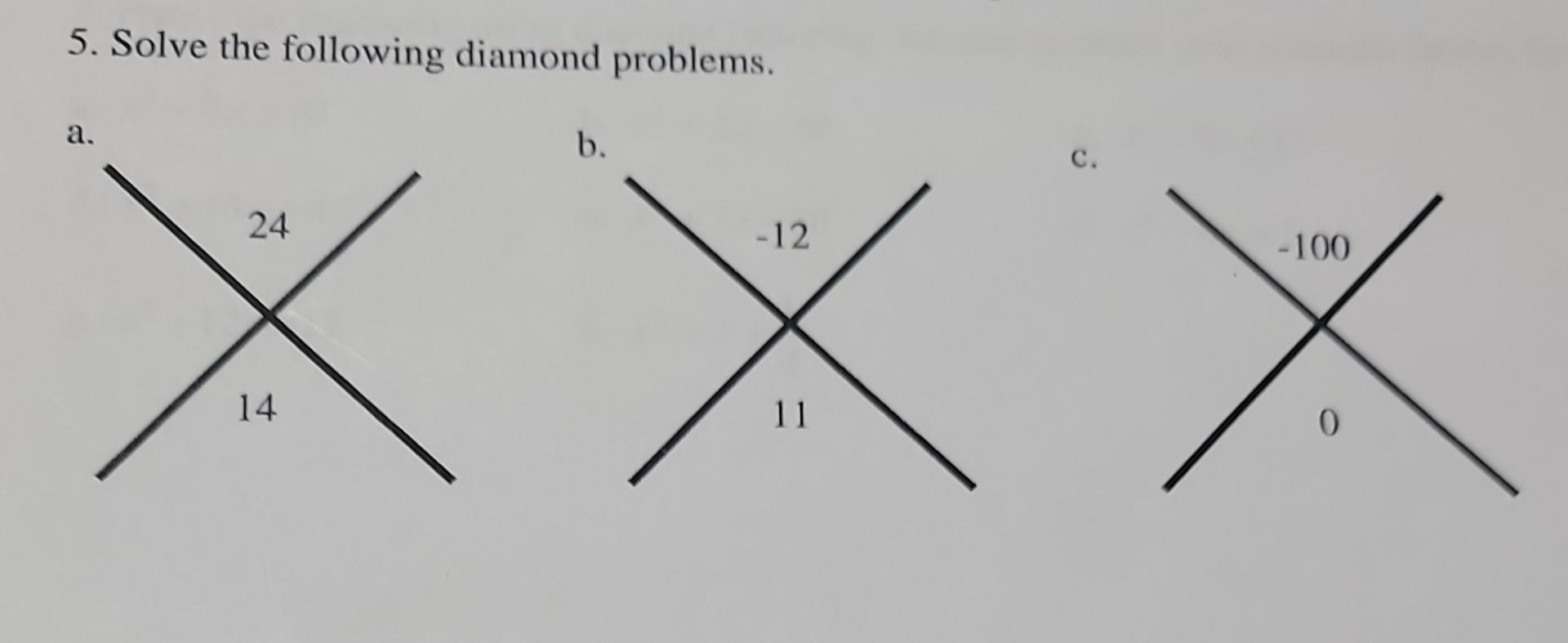
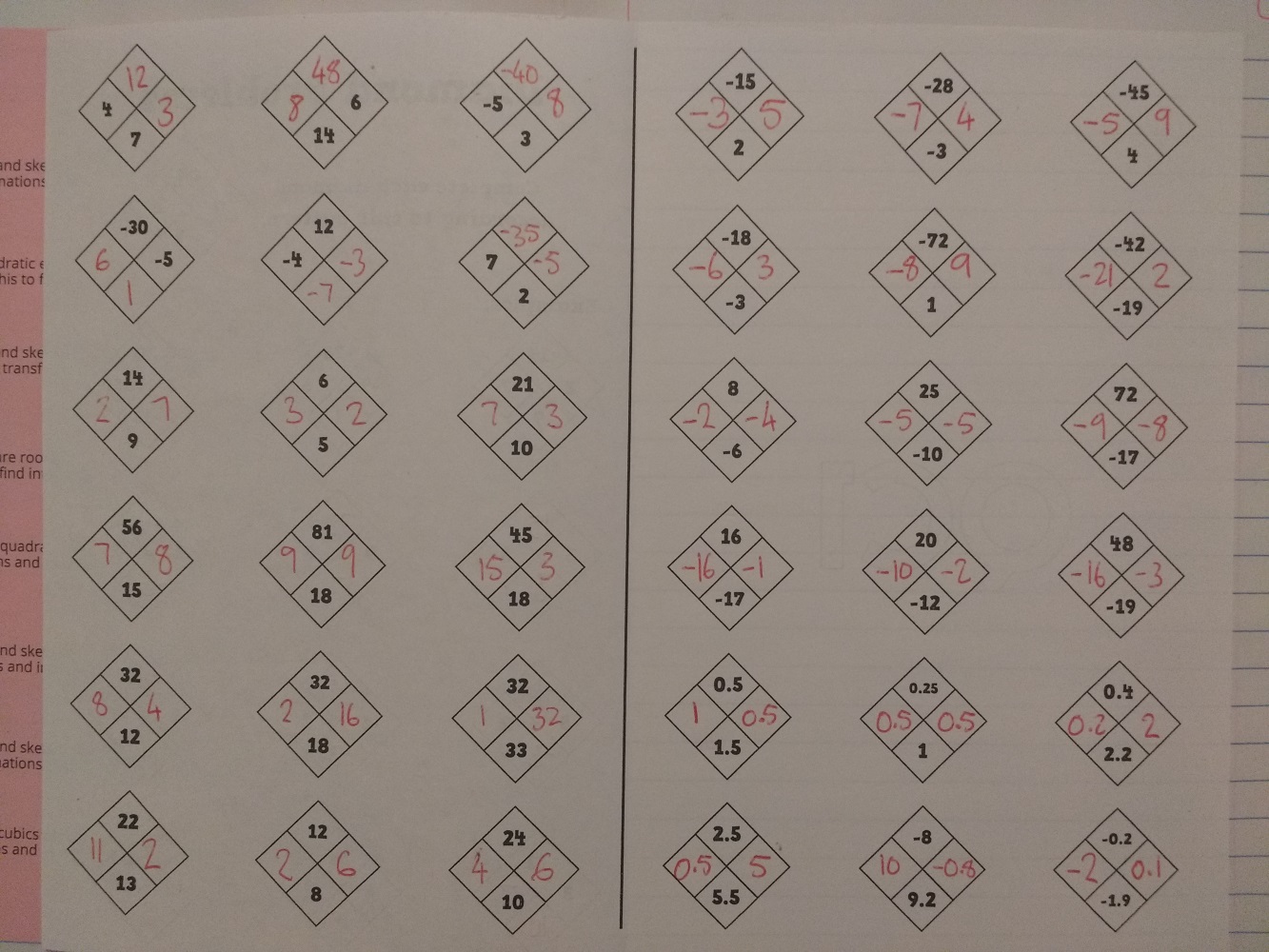
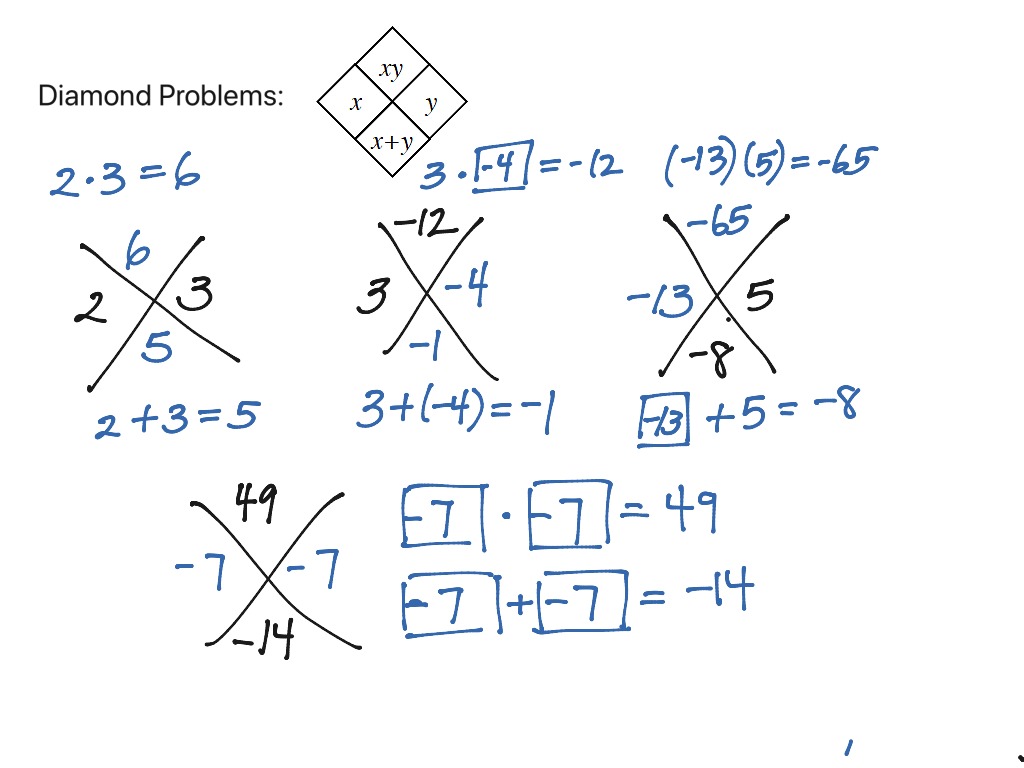
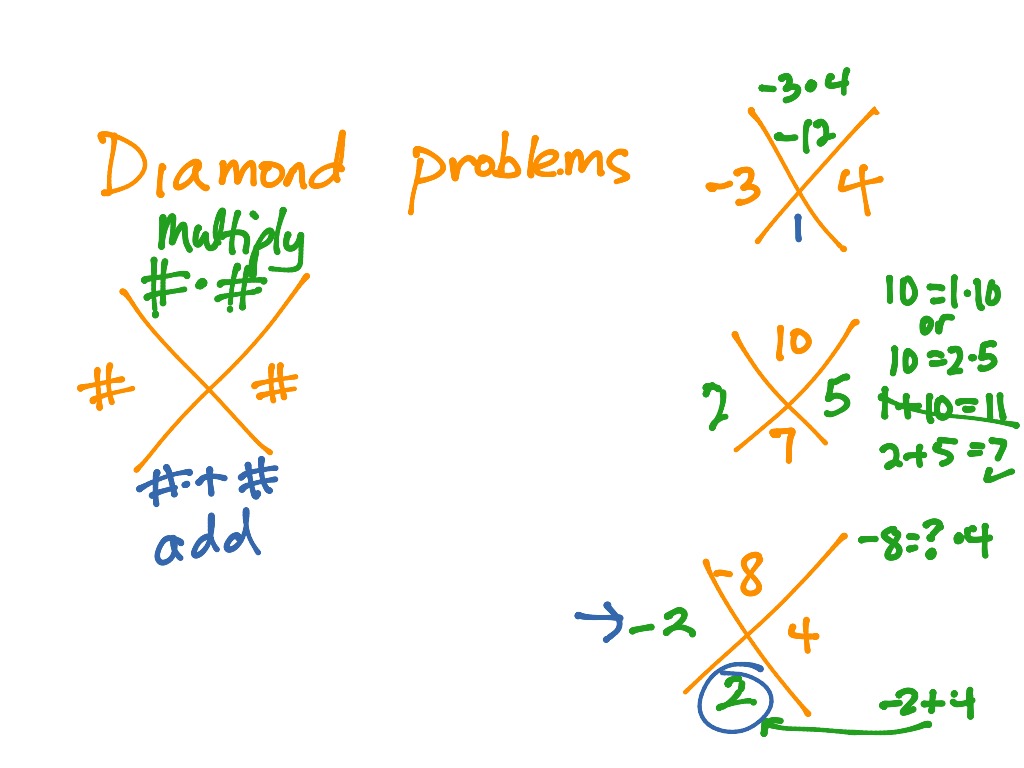
A Diamond Math Problems Worksheet presents a series of numeric or algebraic statements arranged in a diamond shape. Each side of the diamond follows a consistent mathematical rule, and students must fill in missing numbers so that the entire shape is logically complete. The design encourages learners to think holistically rather than linearly, reinforcing relationships between operations and the concept of symmetry in mathematics.
Design and Layout
The worksheet typically consists of a central “apex” number, two numbers on the second row, three numbers on the middle row, two on the fourth row, and a final number at the bottom. Empty cells are strategically placed, prompting students to determine the correct values based on the surrounding numbers. Visual cues such as bold borders, shading, or arrows may be added to highlight the direction of the pattern, but the core structure remains a simple diamond.
Core Mathematical Concepts
While the visual format is eye‑catching, the underlying math is diverse. Common concepts include:
- Basic addition and subtraction sequences.
- Multiplication and division patterns.
- Combining operations (e.g., add then multiply).
- Even and odd number identification.
- Place‑value relationships and rounding.
- Introductory algebraic thinking, such as using variables to represent unknowns.
Because the worksheet can be adapted for any grade level, educators can start with simple addition diamonds for early learners and progress to multi‑step algebraic diamonds for upper elementary or middle school students.
Why Diamond Math Problems Are Effective for Learning
The diamond format leverages several cognitive principles that make mathematical practice more memorable and impactful.
Visual Pattern Recognition
Children naturally gravitate toward shapes and patterns. By embedding arithmetic rules within a geometric figure, the worksheet activates visual‑spatial processing alongside numeric reasoning. This dual‑channel approach helps students internalize patterns more quickly than isolated equations on a straight line.
Encouragement of Logical Reasoning
To solve a diamond, learners must consider how each number influences the others on all sides. This requirement cultivates forward‑ and backward‑thinking, prompting students to test hypotheses, backtrack, and refine their solutions—a foundational skill for higher‑order problem solving.
Immediate Feedback Loop
Because each diamond contains multiple interlocking constraints, an incorrect entry quickly disrupts the whole shape. Students notice mismatches instantly, allowing them to self‑correct and develop a growth mindset toward errors.
Motivation Through Gamification
The symmetrical nature of the diamond resembles a puzzle board, turning routine practice into a game‑like experience. Many teachers report increased on‑task behavior when students treat each diamond as a “level” to be completed.
How to Implement the Worksheet in the Classroom
Integrating Diamond Math Problems Worksheets can be seamless when aligned with existing lesson plans and classroom routines. Below is a step‑by‑step guide to maximize impact.
Step‑by‑Step Lesson Plan
- Introduce the Concept: Begin with a brief discussion about patterns, symmetry, and how numbers can follow rules. Show a completed diamond on the board and walk through the logic aloud.
- Model a Solution: Solve a simple addition diamond together, highlighting how you use the known numbers to infer the unknowns. Emphasize verbalizing each step (“If the top number is 8 and the left side adds 3, then the middle left must be 5”).
- Guided Practice: Distribute a worksheet with partially filled diamonds. Work through the first problem as a class, then allow pairs to collaborate on the next two.
- Independent Work: Assign a set of 5–7 diamonds that vary in difficulty. Encourage students to write out their reasoning in a notebook, reinforcing the habit of documenting problem‑solving steps.
- Review and Reflect: Collect the worksheets, then display a few anonymized solutions. Discuss alternative strategies and common misconceptions.
- Extension Activity: Challenge advanced learners to create their own diamond puzzles for peers, specifying the rule they used and providing a solution key.
Timing and Frequency
Short, focused practice sessions (5–10 minutes) at the start of a math block work well, especially when paired with a warm‑up activity. For deeper mastery, schedule a weekly “Diamond Day” where students solve increasingly complex puzzles and share strategies.
Differentiation Strategies for Diverse Learners
Diamond worksheets are naturally adaptable, but intentional differentiation ensures every student experiences success and growth.
For Advanced Students
Provide diamonds that incorporate multiple operations per side, such as “add 4 then multiply by 2.” Introduce variables (e.g., “x + 3 = y”) and ask students to write a generalized rule for the entire shape. Offer open‑ended extensions where learners design multi‑step puzzles for classmates.
For Struggling Learners
Use simpler diamonds that involve only addition or subtraction with single‑digit numbers. Supply a number line or manipulatives (counters, base‑ten blocks) to visualize the relationships. Pair students for peer tutoring, allowing the stronger student to explain the reasoning while the partner checks each step.
English Language Learners (ELLs)
Accompany the worksheet with visual cue cards that label operations (“+ = add”, “– = subtract”). Offer sentence frames (“The number on the left plus the number on the right equals ___”) to scaffold written explanations. Allow oral responses before written ones to reduce language anxiety.
Integrating Real‑World Applications
Connecting diamonds to everyday contexts deepens relevance. Consider these scenarios:
- Shopping Budgets: Each side of the diamond represents a total cost for a set of items; students must determine the price of a missing item.
- Time Calculations: Use minutes and hours on the diamond to practice converting between units (e.g., “If the top shows 2 hours, and the left side adds 30 minutes, what is the middle left?”).
- Measurement Conversions: Incorporate fractions or decimals to reinforce metric conversions, such as centimeters to meters.
- Data Interpretation: Assign a diamond where each number reflects a data point (e.g., temperature readings) and ask students to infer missing values based on trends.
These authentic problems demonstrate how the abstract pattern of a diamond mirrors real decision‑making processes, reinforcing the purpose of math beyond the classroom.
Assessment and Feedback Techniques
Effective assessment of diamond worksheets goes beyond checking correct answers; it evaluates reasoning, persistence, and mathematical communication.
Formative Observation
While students work, circulate and note how they approach the puzzle: Do they start from the top, the bottom, or the middle? Are they using trial‑and‑error or logical deduction? Record observations to tailor future instruction.
Rubric‑Based Scoring
Develop a simple rubric that awards points for:
- Accuracy of final answers.
- Clarity of written reasoning.
- Use of appropriate mathematical vocabulary.
- Demonstrated strategy (e.g., “Worked from known to unknown”).
This provides transparent expectations and encourages students to focus on process as well as product.
Peer Review
After completing a set, have students exchange worksheets and verify each other’s solutions using a provided answer key. Peer review promotes accountability and reinforces learning through teaching.
Tips for Parents and Homeschoolers
Parents can seamlessly incorporate Diamond Math Problems Worksheets into home practice with these practical suggestions:
- Set a Consistent Schedule: A 10‑minute daily routine builds fluency without overwhelming the child.
- Use Everyday Objects: Manipulatives like coins, LEGO bricks, or measuring cups help visualize the numeric relationships.
- Celebrate Strategies: Praise the reasoning process, even if the final answer is incorrect, to foster a growth mindset.
- Gradual Progression: Begin with single‑operation diamonds, then add layers of complexity as confidence grows.
- Digital Alternatives: Many educational platforms offer printable or interactive diamond worksheets that provide instant feedback, ideal for remote or hybrid learning environments.
Frequently Asked Questions
How often should the Diamond Math Problems Worksheet be used?
Frequency depends on classroom goals. For reinforcement of basic operations, a quick daily warm‑up works well. For deeper conceptual work, a weekly focused session allows ample time for discussion, extension, and mastery.
Can the worksheet be adapted for middle school algebra?
Absolutely. Replace simple numbers with variables and create rules that involve solving for unknowns. For example, each side could follow the pattern “multiply by 2 then subtract 3,” encouraging students to write and solve equations.
What if a student gets stuck?
Encourage them to look for a “known anchor”—a number that is already filled in. From there, have them ask guiding questions: “If I know the top and the left side, what must the middle left be to satisfy the rule?” Providing a hint rather than the answer promotes independent problem‑solving.
Are there printable versions available?
Yes, many educational websites offer free PDF downloads that teachers can print in bulk. Look for versions that include answer keys and teacher notes for efficient grading.
How does this worksheet align with Common Core standards?
Diamond worksheets address several key standards, such as developing fluency with addition, subtraction, multiplication, and division; applying properties of operations; and solving real‑world problems. The visual format also supports standards related to mathematical reasoning and communication.
Conclusion
Diamond Math Problems Worksheets blend visual appeal with rigorous mathematical reasoning, making them an effective tool for reinforcing core concepts, fostering logical thinking, and engaging learners of all abilities. By thoughtfully integrating these puzzles into daily instruction, differentiating for diverse needs, and connecting them to real‑world contexts, educators and parents can help students build confidence, develop resilient problem‑solving habits, and experience the joy of discovering patterns hidden within numbers. With consistent practice and supportive feedback, the diamond shape becomes more than a worksheet—it transforms into a powerful catalyst for lifelong mathematical success.






Related posts of "Diamond Math Problems Worksheet"
