Colour And Count Worksheets offer a fun, engaging way for young learners to merge visual learning with foundational math skills, making the process both colorful and memorable. By pairing bright visuals with simple counting tasks, these worksheets help children develop number sense, pattern recognition, and early numeracy in a way that feels almost like play.
What Are Colour And Count Worksheets?
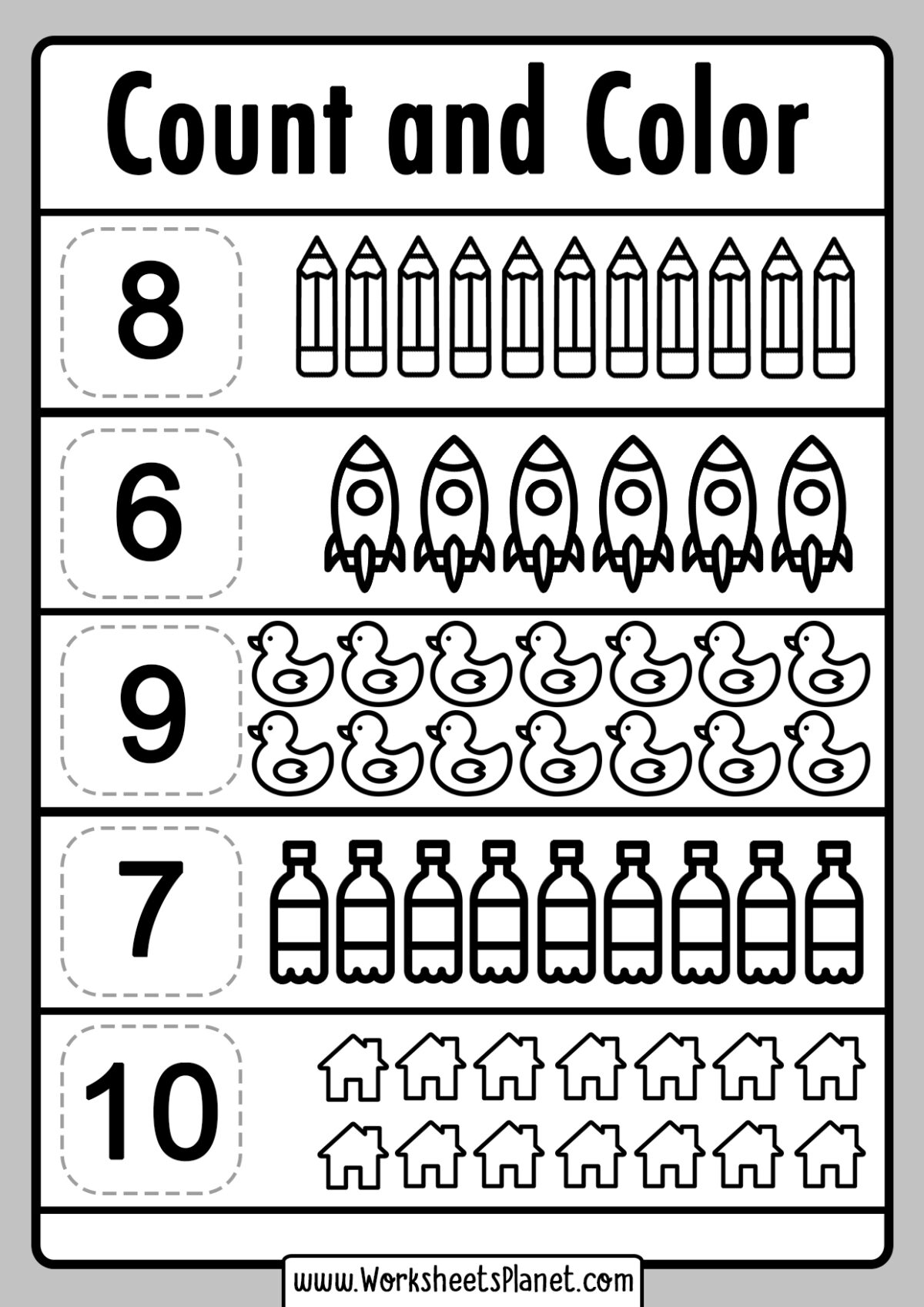
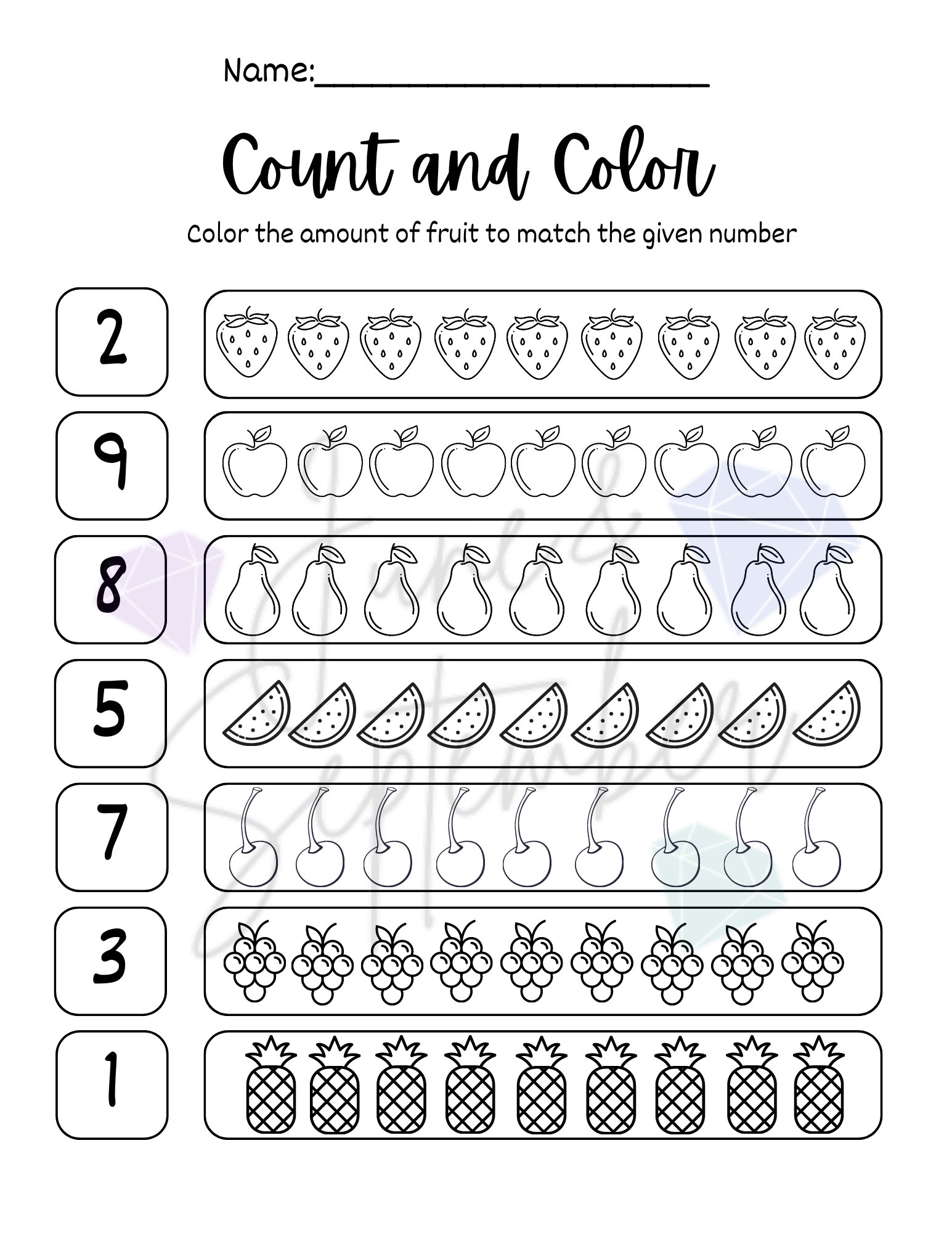
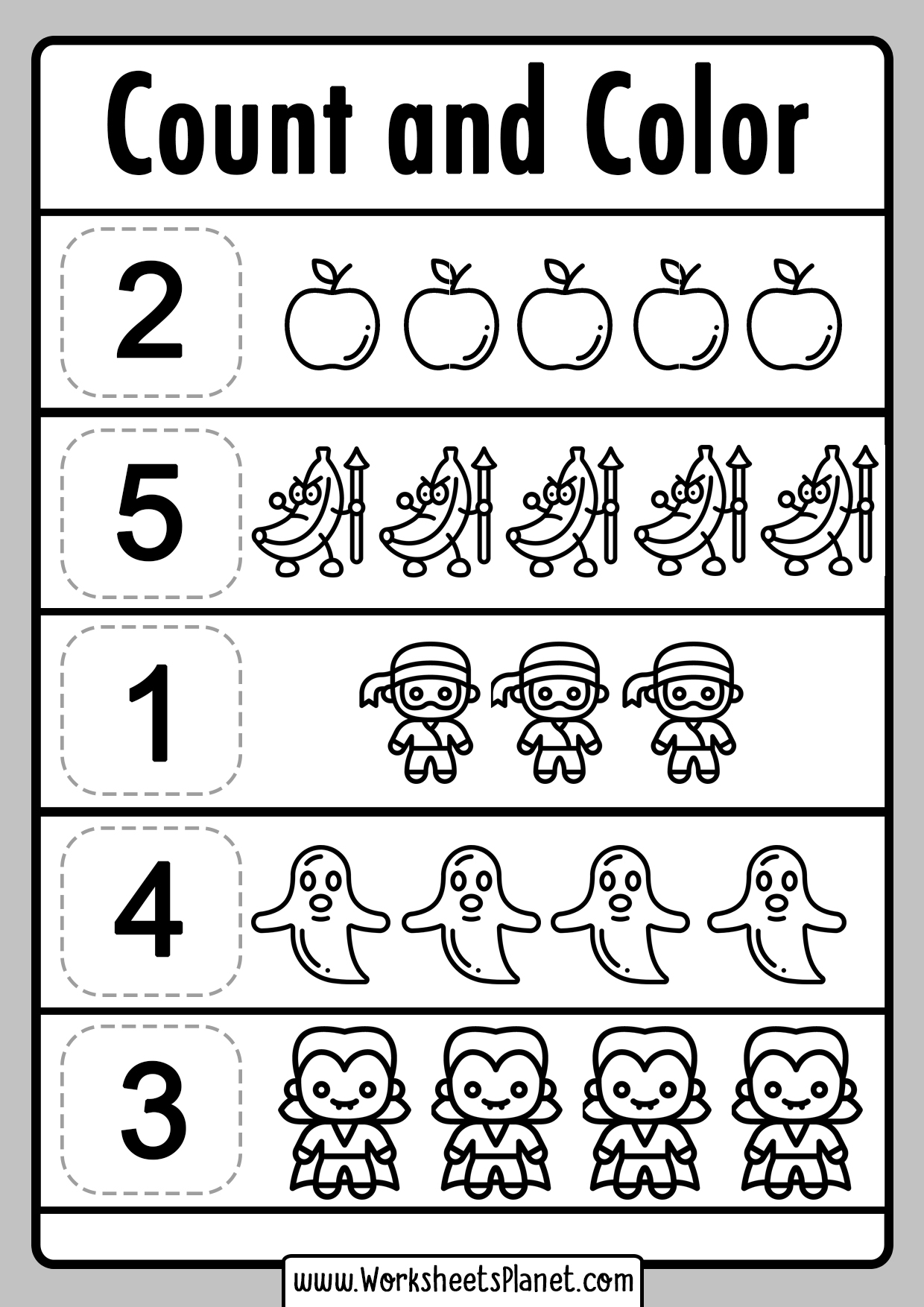
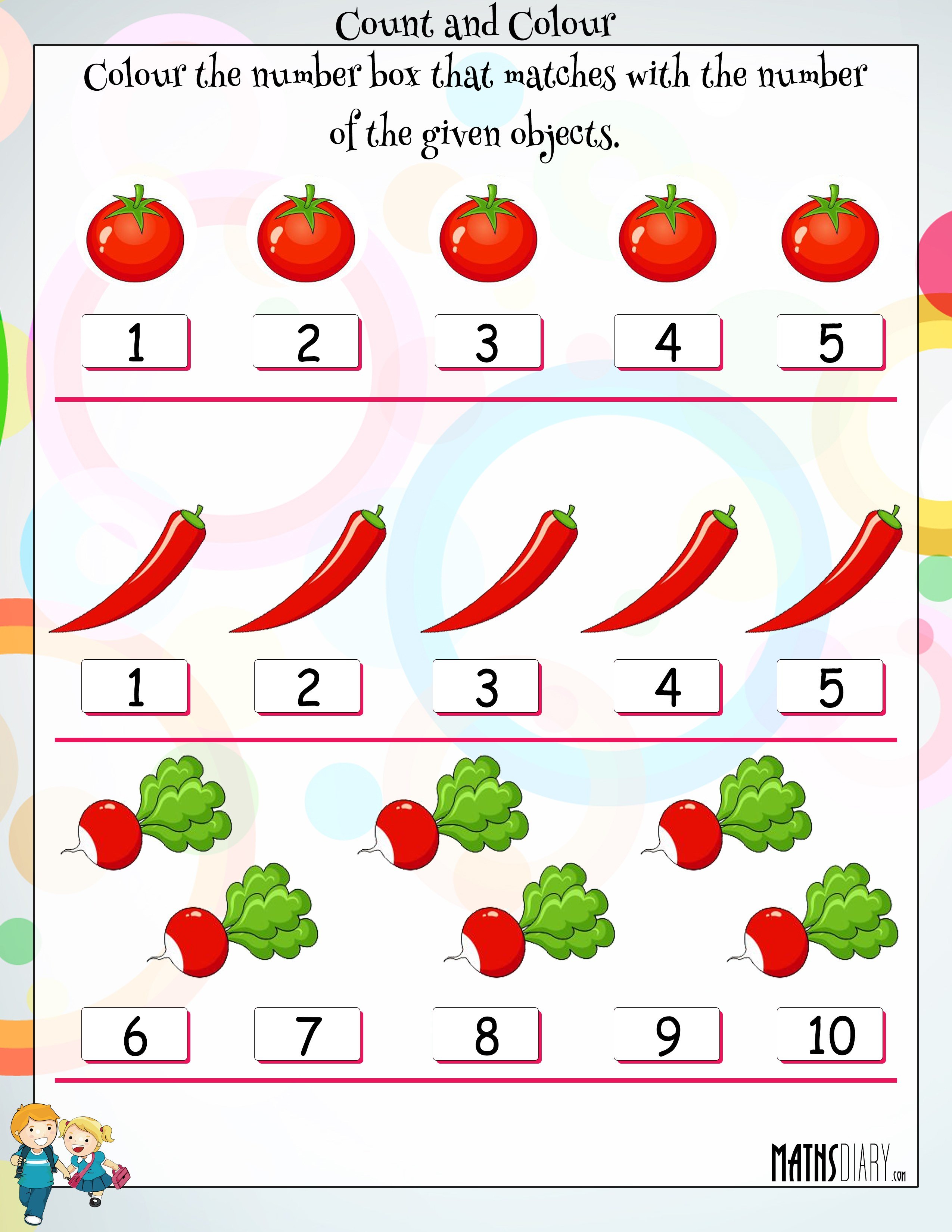
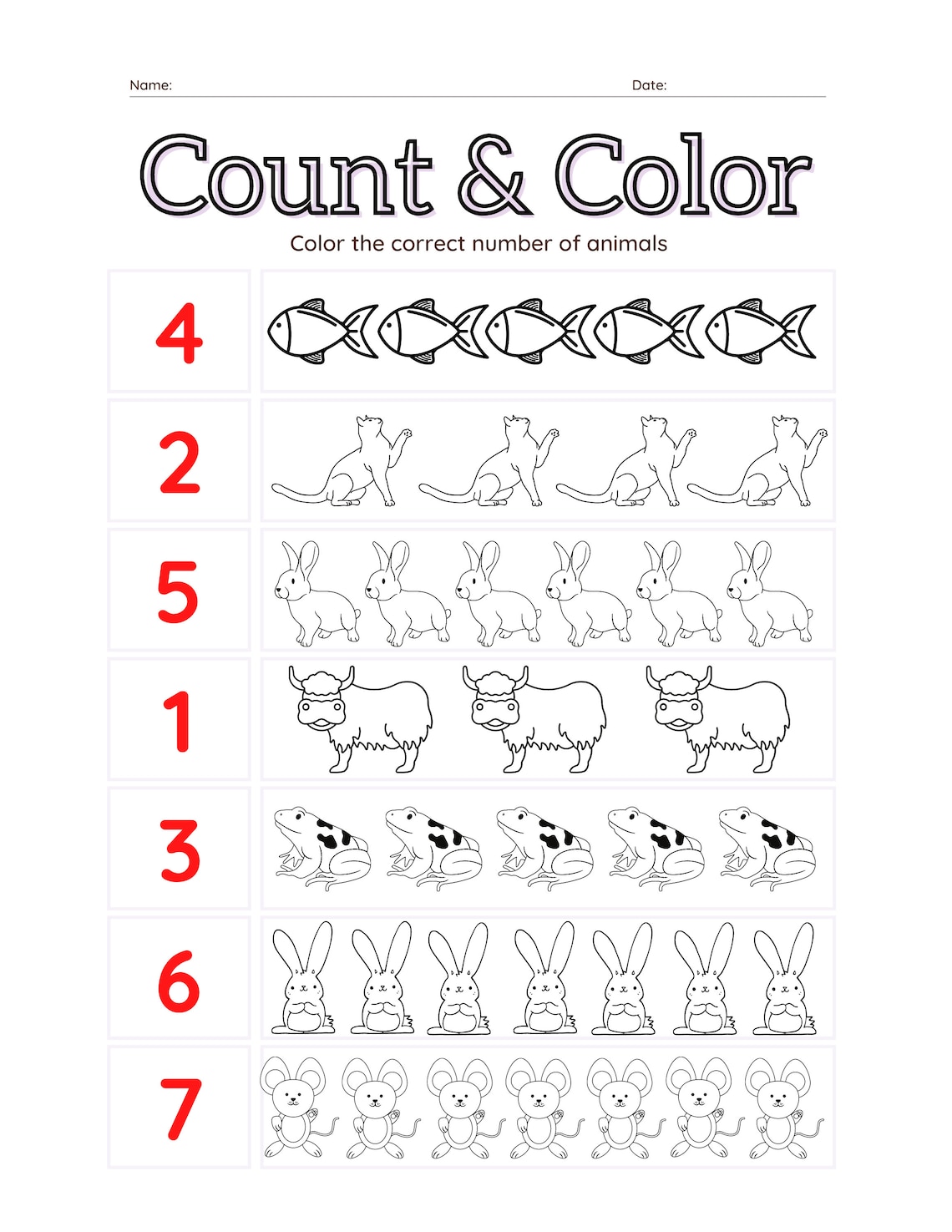
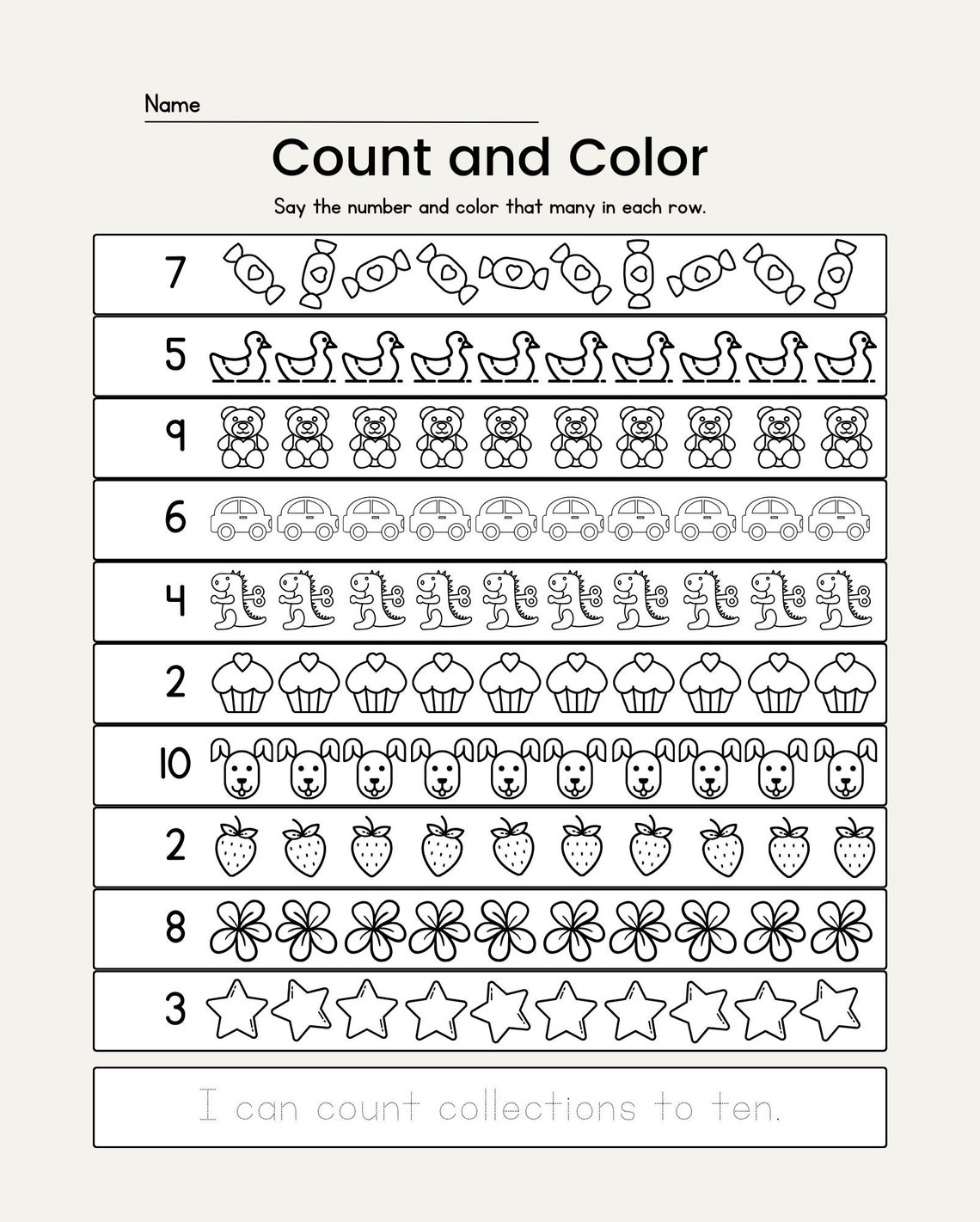
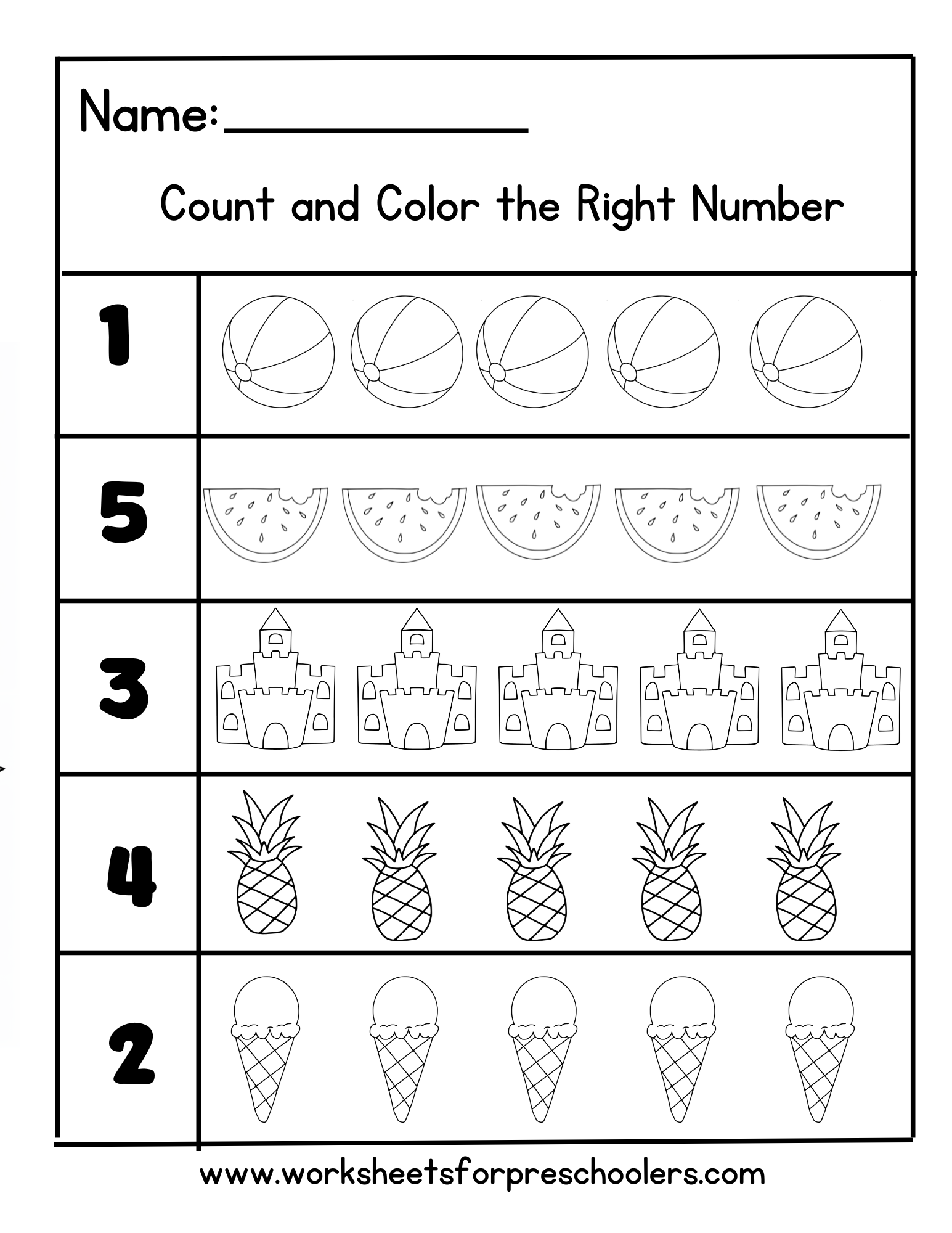
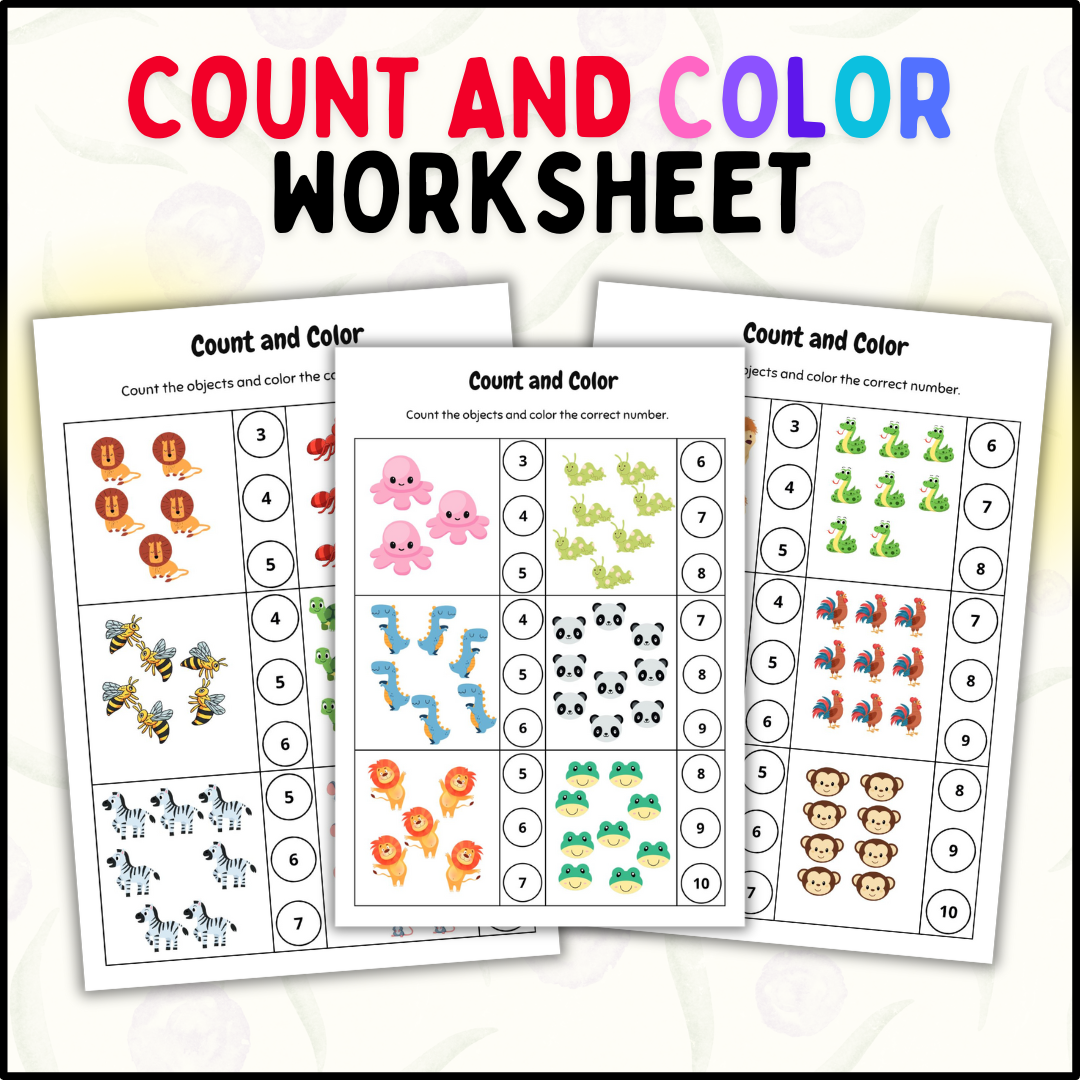
Colour And Count Worksheets combine two powerful educational tools: color‑coding and counting practice. Typically, a worksheet presents a group of objects—such as fruit, animals, or everyday items—arranged in a grid or scattered across the page. Each object is assigned a specific color, and the student is asked to count how many of each color appears or to match numbers with colored groups. This dual focus reinforces number identification while reinforcing visual discrimination skills.
Why Colors Matter in Early Learning
Colors act as powerful cognitive cues. Studies show that young brains are more likely to remember information when it is paired with distinct visual markers. By using color as a contextual tag, children can quickly segregate numerical data into meaningful clusters—improving memory retention and reducing cognitive load.
Counting Through Visual Patterns
Beyond simple tallying, Colour And Count Worksheets encourage pattern recognition. For example, a series of red balloons followed by blue stars invites children to observe sequences, anticipate the next item, and practice counting in cycles. This method lays the groundwork for later algebraic thinking.
Benefits for Early Math Development
When thoughtfully designed, these worksheets provide a range of developmental advantages. Below are the key benefits that make Colour And Count Worksheets a staple in early childhood education.
Concrete Representation of Numbers
Young learners often struggle with abstract number symbols. By associating numbers with tangible, colored objects, students form concrete mental models that make number concepts more accessible.
Enhancement of Fine Motor Skills
Coloring inside lines and carefully counting individual items requires deliberate hand movements, sharpening fine motor coordination. These activities can be especially beneficial for children who are still mastering pencil grip.
Boost in Confidence and Engagement
Seeing colorful pictures and immediately receiving visual feedback after a correct count can be highly motivating. Positive reinforcement through color brings instant gratification, fostering a love for learning that lasts beyond the worksheet.
Cross-Curricular Connections
Colour And Count Worksheets can be integrated with science (counting insects in a garden), art (grouping colors by hue), and social studies (tallying population of various countries), illustrating the real-life applications of basic math.
How to Use Colour And Count Worksheets Effectively
Merely handing out worksheets does not guarantee success. Proper implementation maximizes learning outcomes. Consider the following step‑by‑step framework.
1. Start with Simple Sets
Introduce worksheets that feature only two or three colors and a limited number of objects. This reduces overwhelm and lets students focus on mastering counting before adding complexity.
2. Incorporate Guided Practice
Begin each session with a quick demonstration—counting aloud together and highlighting how colors group items. A teacher or parent can model the counting process while using a marker to trace numbers.
3. Encourage Independent Work with Prompt Checks
After initial modeling, allow children to complete worksheets on their own. Periodically check their work, offering constructive feedback rather than correcting immediately. This reinforces problem‑solving skills.
4. Add a Reflection Step
Have learners verbally share how many objects of each color they counted. This verbal reinforcement solidifies the written work and boosts oral language development.
5. Vary the Themes
To maintain interest, rotate themes between seasons, animals, foods, or even favorite superheroes. Variation keeps the activity fresh and connects counting with familiar contexts.
Choosing the Right Colour And Count Resources
With countless options available, selecting quality materials is vital. Below are criteria to guide your selection.
1. Clear Visuals
Images should be high resolution and easily recognizable. Avoid overly intricate designs that may distract from the counting task.
2. Appropriate Difficulty Levels
Worksheets should match the child’s age and skill level. Early learners benefit from 1–3 color categories, whereas older children can handle multiple colors and higher numbers.
3. Inclusivity in Design
Ensure color contrasts are accessible to children with color vision deficiencies. Incorporating patterns or shapes alongside colors helps accommodate diverse learners.
4. Printable or Digital Flexibility
Both formats have advantages. Printables are great for in‑class use; digital worksheets can be interactive, allowing instant scoring and animated feedback.
Creative Ways to Incorporate Colour And Count in Daily Learning
Beyond the classroom, these worksheets can be transformed into everyday learning tools. Consider the following ideas.
1. Kitchen Math
Ask kids to count colored fruit slices or utensils during meals. They can later record results on a Colour And Count sheet to compare with a class or home chart.
2. Outdoor Exploration
During nature walks, collect leaves of different colors. Use a worksheet to tally each type, linking observation skills with counting.
3. Story Time Integration
Choose a children’s story featuring colored characters. After reading, create a worksheet that asks how many red, blue, or green characters were in the tale.
4. Game‑Based Reinforcement
Turn worksheets into board games where each correct answer moves a token forward. The physical movement adds an extra layer of engagement.
Printable Colour And Count Worksheets: Where to Find High-Quality Options
When searching for worksheets, prioritize resources that are both pedagogically sound and visually appealing. Here are three reliable approaches.
1. Educational Publishers
Established companies produce worksheets with vetted instructional frameworks and professional artwork. They often offer downloadable PDFs that can be printed in multiple sizes.
2. Teacher Communities
Online platforms like teacher forums or social media groups frequently share free, peer‑reviewed worksheets. These resources are often customized to specific learning standards.
3. DIY Customization
Using graphic design tools, educators and parents can craft their own worksheets to align with their curriculum or students’ interests. This approach offers maximum flexibility and personalization.
Tips for Parents and Teachers
Implementing Colour And Count Worksheets successfully requires a mix of patience, creativity, and consistency.
1. Keep the Session Short and Focused
Young learners have limited attention spans. Aim for 10‑15 minutes of active counting with breaks in between if needed.
2. Celebrate Small Wins
Use stickers, praise, or a simple high‑five to acknowledge correct counts. Positive reinforcement encourages continued participation.
3. Build on Existing Skills
Relate worksheets to everyday counting, like “How many blue cars are parked outside?” This contextual approach deepens understanding.
4. Track Progress Over Time
Maintain a simple log of each child’s scores. Watching growth in accuracy and speed can be motivating and provides data to adjust difficulty levels.
5. Invite Peer Collaboration
Pair children for group counting activities. This not only reduces pressure but also encourages communication and teamwork.
Common Mistakes to Avoid
Even well‑designed worksheets can become ineffective if mishandled. Below are frequent pitfalls.
1. Overloading with Colors
Using too many colors can confuse young learners. Stick to a maximum of three to four distinct colors for early stages.
2. Neglecting Accuracy Checks
Skipping a review step can let misconceptions persist. Always verify answers and discuss any errors before moving on.
3. Ignoring Differentiation
One-size-fits-all worksheets may not suit all learners. Provide alternative levels or optional extensions for advanced students.
4. Forgetting to Connect with Real Life
Abstract worksheets without context can feel meaningless. Link counts to tangible items whenever possible.
Success Stories from Classroom Practice
Here are a few anecdotal examples that illustrate the impact of Colour And Count Worksheets.
Case Study: “Sunny’s First Numbers”
In a preschool setting, a teacher introduced worksheets featuring colored balloons. Within two weeks, children correctly identified and counted up to ten objects in each color, showing a clear leap in number recognition.
Case Study: “Counting with Colors in a Home Environment”
A parent used a set of fruit‑colored worksheets at home. By turning snack time into a counting activity, the child’s ability to add simple numbers improved, and he started helping siblings with chores like sorting laundry by color.
Case Study: “Integrating Mathematics and Art”
Art teachers incorporated counting into their craft lessons by having students color a specific number of shapes. This cross‑disciplinary approach led to increased engagement across both subjects.
Conclusion
Colour And Count Worksheets are more than just a fun pastime; they are a strategic tool that bridges visual learning and numerical literacy. By thoughtfully selecting resources, structuring practice sessions, and embedding counting in everyday contexts, educators and parents can create a vibrant, interactive math environment. As children grow more confident in identifying numbers, grouping colors, and spotting patterns, they build a sturdy foundation for future academic success—making the bright, engaging world of coloured counts an essential component of early education.











Related posts of "Colour And Count Worksheets"
