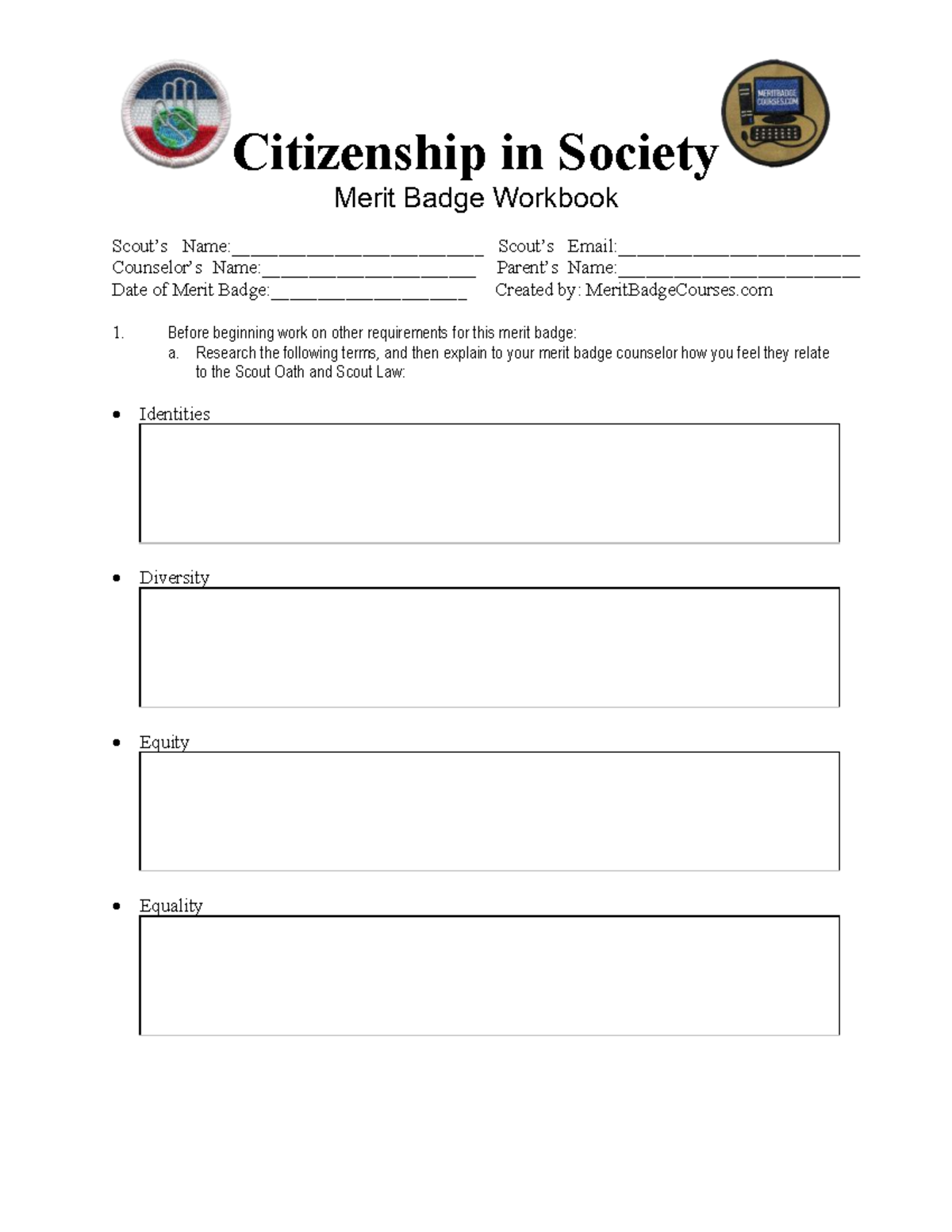
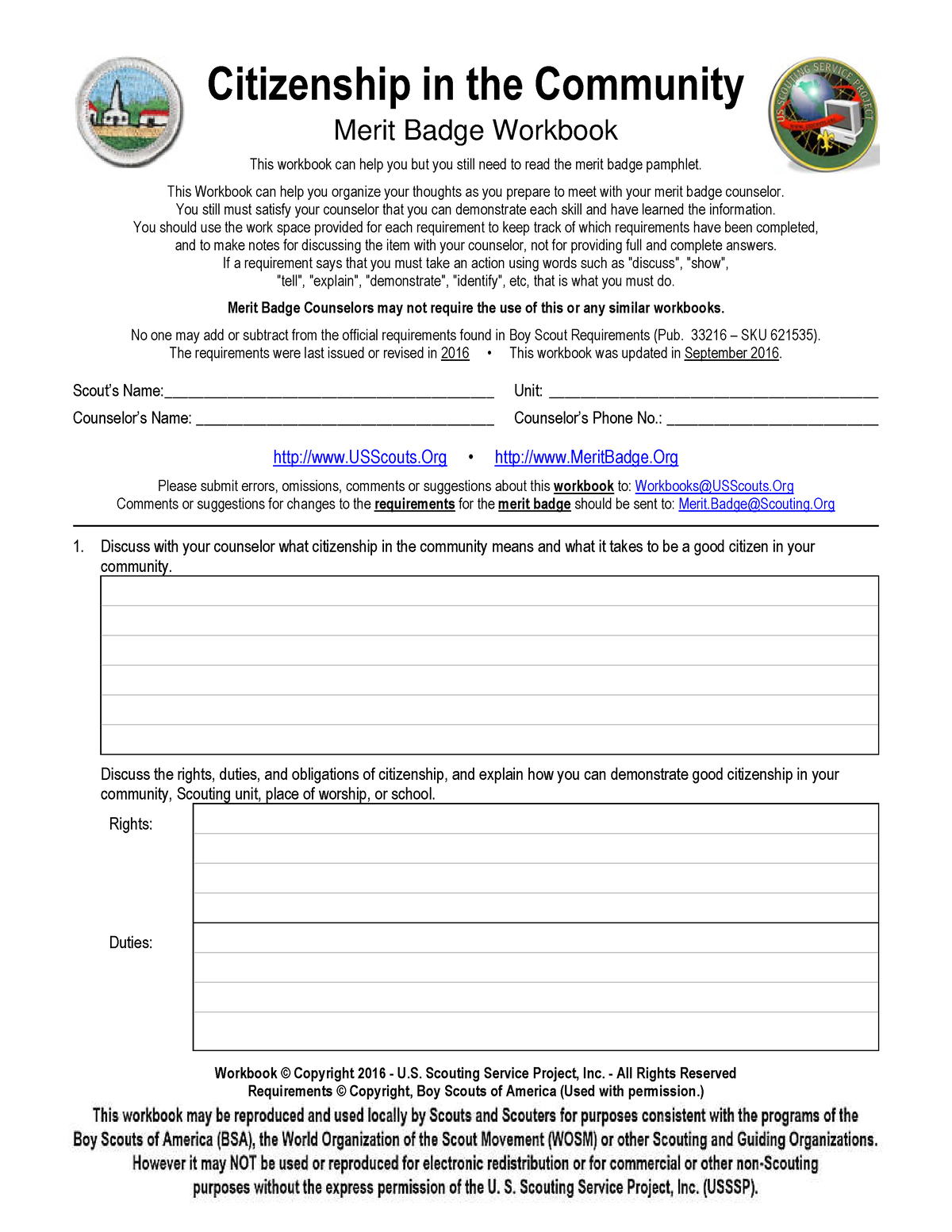
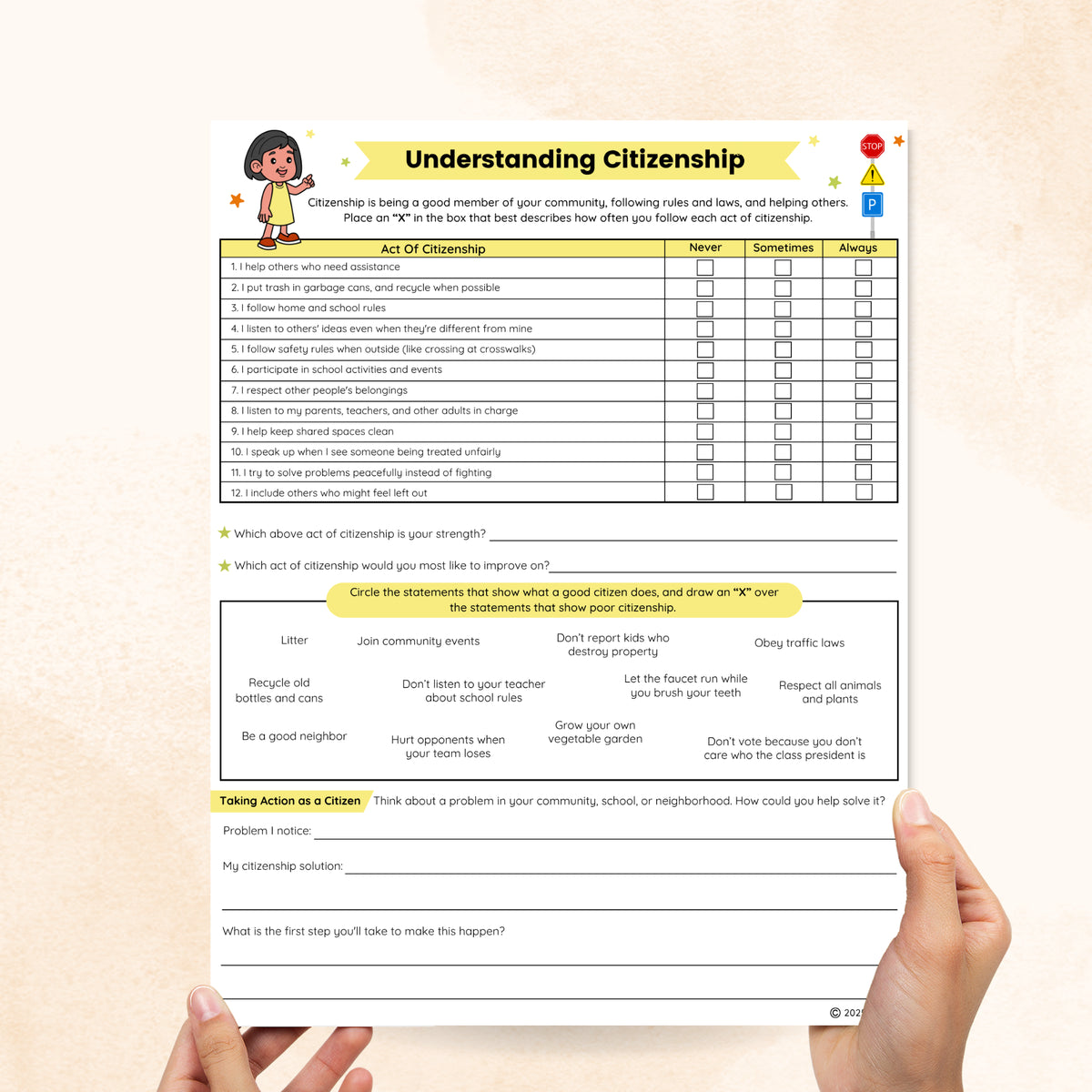
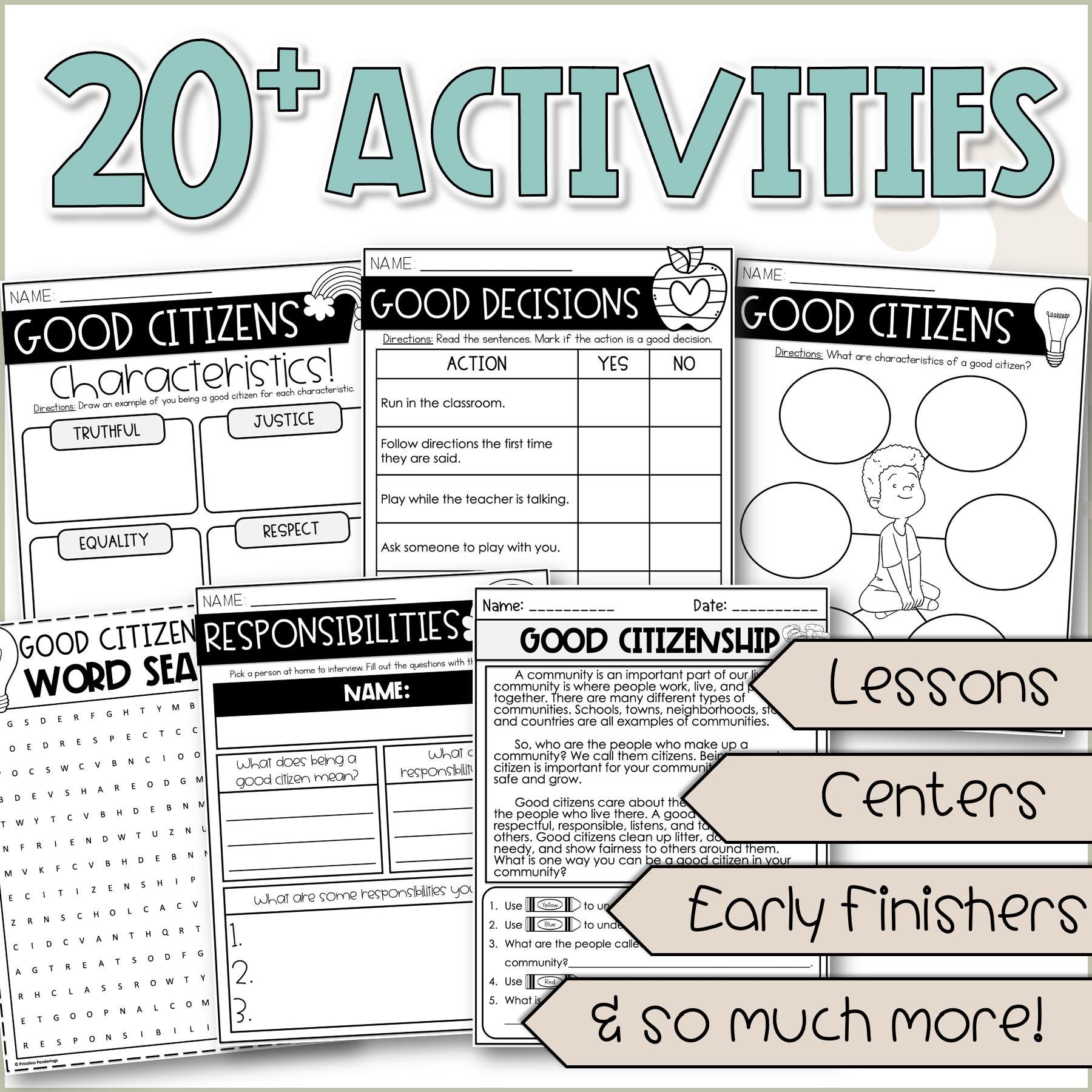
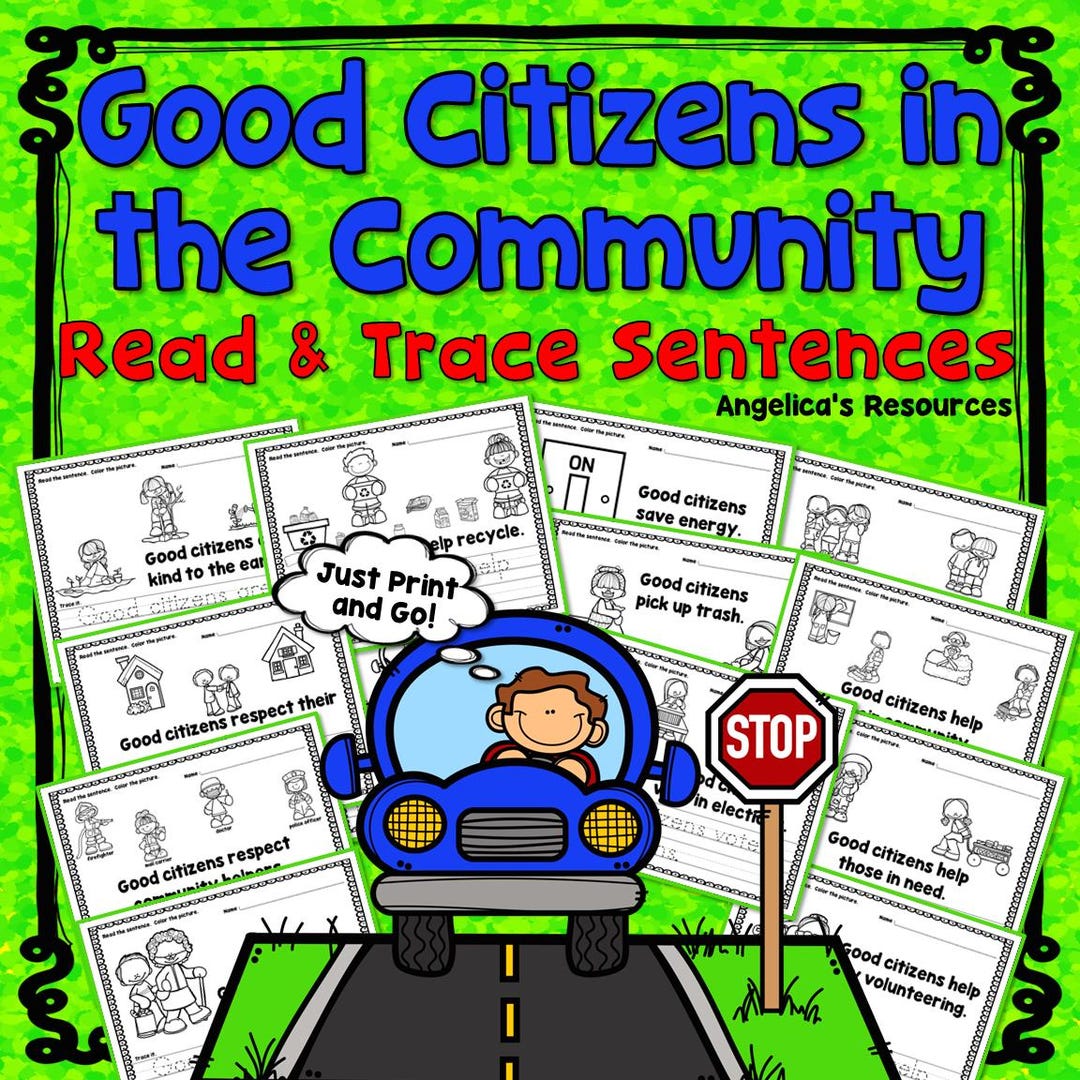
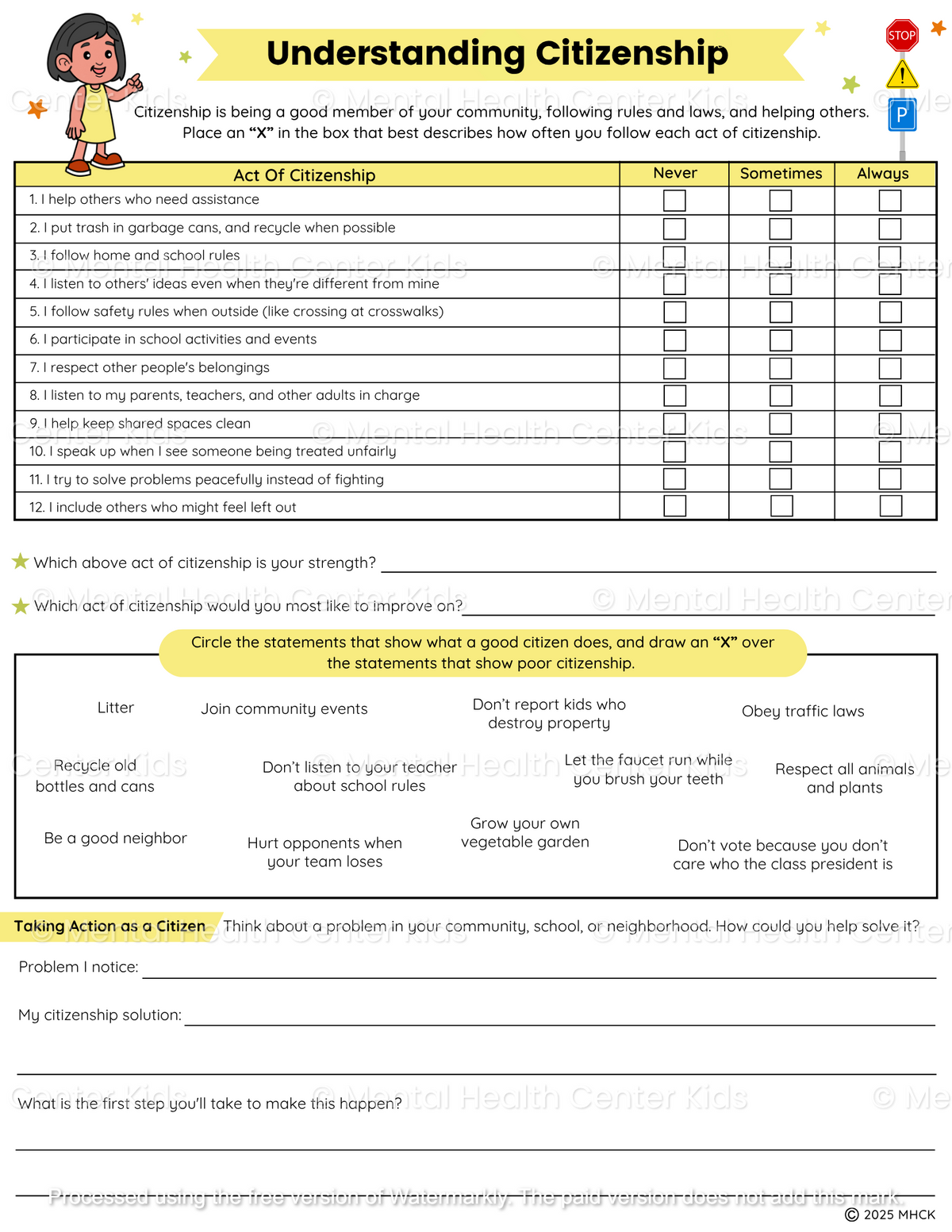
Citizenship Of The Community Worksheet is a powerful tool that turns abstract civic concepts into tangible learning moments for students of all ages. By breaking down the duties, rights, and everyday practices of a responsible citizen, these worksheets help students build empathy, critical thinking, and a sense of belonging right in their own classroom or home environment.
Why Citizenship Worksheets Matter
In today’s fast‑moving world, civic knowledge cannot be an afterthought. A well‑designed worksheet forces learners to engage with questions about local government, community roles, and individual responsibilities. The process of filling in answers, completing activities, and discussing results reinforces retention far more than passive lectures or textbook pages alone.
Building Foundations Early
Starting with elementary grades, teachers can introduce basic terms such as “voter,” “public service,” or “environmental stewardship.” By translating these into simple tasks—like sorting community helpers into categories or drawing a diagram of a city—students see the real‑world impact of the concepts.
Connecting to Personal Experience
When students link worksheet content to their own neighborhood—identifying a local park, noting the city council office, or remembering a community volunteer event—they develop a personal stake in civic life. This emotional connection is crucial for long‑term engagement.
Designing Your Own Citizenship Worksheet
Crafting an effective worksheet involves a clear learning objective, engaging prompts, and opportunities for reflection. Below is a step‑by‑step guide to create a custom worksheet that aligns with curriculum standards and classroom dynamics.
Step 1: Define Core Competencies
Identify the key citizenship concepts you want students to master. Common competencies include:
- Understanding the purpose and structure of local government.
- Recognizing rights and responsibilities of community members.
- Exploring ways to participate in community improvement.
- Assessing the impact of individual actions on collective well‑being.
Step 2: Craft Targeted Questions
Use open‑ended and multiple‑choice questions to stimulate critical thinking. Examples:
- “What roles do volunteers play in keeping our city clean?”
- “Why is it important to recycle?”
- “List three ways you can help a neighbor in need.”
- Provide a short paragraph and ask students to identify three civic duties mentioned.
Step 3: Incorporate Interactive Elements
Visual tasks, such as matching symbols to civic concepts or labeling a diagram of a city, keep students active. Consider these activities:
- A “Community Map” where students mark places like schools, libraries, and fire stations.
- Role‑play scenarios where learners act as council members making a decision.
- A scavenger hunt that requires finding objects representing civic values (e.g., a recycling bin, a city ordinance poster).
Step 4: Add Reflection Prompts
Reflection is essential for internalizing lessons. End the worksheet with prompts such as:
- “Describe how your actions can influence your community.”
- “What is one change you would like to see in your neighborhood and how would you propose it?”
- “Write a short letter to a local official about a community issue you care about.”
Sample Activities to Enrich the Worksheet
While worksheets provide structure, real learning occurs when students apply ideas beyond the page. Below are proven activities that complement the “Citizenship Of The Community Worksheet” framework.
Neighborhood Survey Project
Students design a simple questionnaire, conduct interviews with neighbors, and analyze the data. This activity teaches research skills and showcases how local opinions shape policy.
Community Service Log
Provide a log sheet where students record volunteer hours, types of service, and feelings about their contribution. Reflecting on these entries deepens understanding of civic responsibility.
Local Government Tour
Arrange a field trip to a city council meeting, library board, or community center. Students can fill a worksheet beforehand, noting roles, procedures, and decisions witnessed.
Integrating Worksheets Into the Curriculum
For maximum impact, citizenship worksheets should align with broader educational goals. Here’s how to weave them into existing lesson plans.
Cross‑Curriculum Connections
- Social Studies: Map analysis, history of local governance, demographic studies.
- English Language Arts: Writing persuasive essays, public speeches, and letter‑to‑official formats.
- Science & Environmental Studies: Understanding recycling, conservation policies, and public health initiatives.
Project‑Based Learning Cycles
Use worksheets as the planning phase for larger projects like designing a “Community Improvement Plan.” Students research, draft proposals, and present to classmates.
Assessment and Feedback
Transform worksheet answers into rubrics that evaluate critical thinking, accuracy, and creativity. Offer feedback through one‑on‑one discussions and peer reviews.
Tips for Parents and Guardians
Parents can play a pivotal role in reinforcing civic lessons at home. Here are actionable strategies:
Discuss Current Events
Read age‑appropriate news stories together and relate them back to worksheet concepts. Ask questions like, “Why do you think this issue matters to our town?”
Engage in Community Activities
Attend a town hall meeting or join a local volunteer organization. Encourage your child to document their experiences using the worksheet.
Create a Family Civic Journal
Let each family member record one civic act per week—whether it’s trash pickup or voting participation. Review the journal regularly to celebrate collective contributions.
Digital vs. Print: Choosing the Right Format
Both formats have unique advantages. Print worksheets encourage hands‑on interaction and are ideal for younger students. Digital versions, on the other hand, can integrate multimedia resources, interactive quizzes, and instant feedback. Depending on your classroom tech level, you may opt for a hybrid approach.
Accessibility Considerations
Ensure worksheets accommodate diverse learners by using large fonts, clear visuals, and language that matches reading levels. For students with visual impairments, consider audio narration or Braille versions.
Conclusion
The Citizenship Of The Community Worksheet is more than a simple handout; it is a gateway to active citizenship, critical inquiry, and community engagement. By thoughtfully crafting, incorporating, and expanding upon these worksheets, educators and parents alike can cultivate informed, responsible, and compassionate future leaders. Embrace the process, encourage real‑world application, and watch students transform from curious observers into proactive community members.










Related posts of "Citizenship Of The Community Worksheet"
