Autumn Worksheets For Preschool are more than just a seasonal activity; they are a gateway to engaging learning experiences that tap into the sensory world of little explorers. By weaving in the colors of falling leaves, the crisp scent of pumpkins, and the gentle rhythm of harvest time, these worksheets create an immersive environment where children can develop foundational skills while having fun.
Why Autumn Themes Matter for Preschool Learning
Seasonal Relevance Boosts Engagement
When preschoolers see familiar scenes—crimson leaves, cozy scarves, and crisp air—on a worksheet, their curiosity spikes instantly. Visual familiarity reduces cognitive load, allowing children to focus on learning objectives rather than struggling with abstract concepts. Studies show that children retain information better when it connects to real-life contexts, and autumn themes provide that tangible link.
Connecting to Real-World Experiences
Autumn offers a natural treasure trove for hands‑on exploration. Worksheets that prompt kids to count pumpkins, match leaf shapes, or identify the colors of fallen foliage encourage them to relate classroom work to the world outside. This real-world connection strengthens observation skills and fosters an early love for science and nature.
Key Learning Objectives for Autumn Worksheets
Language Development
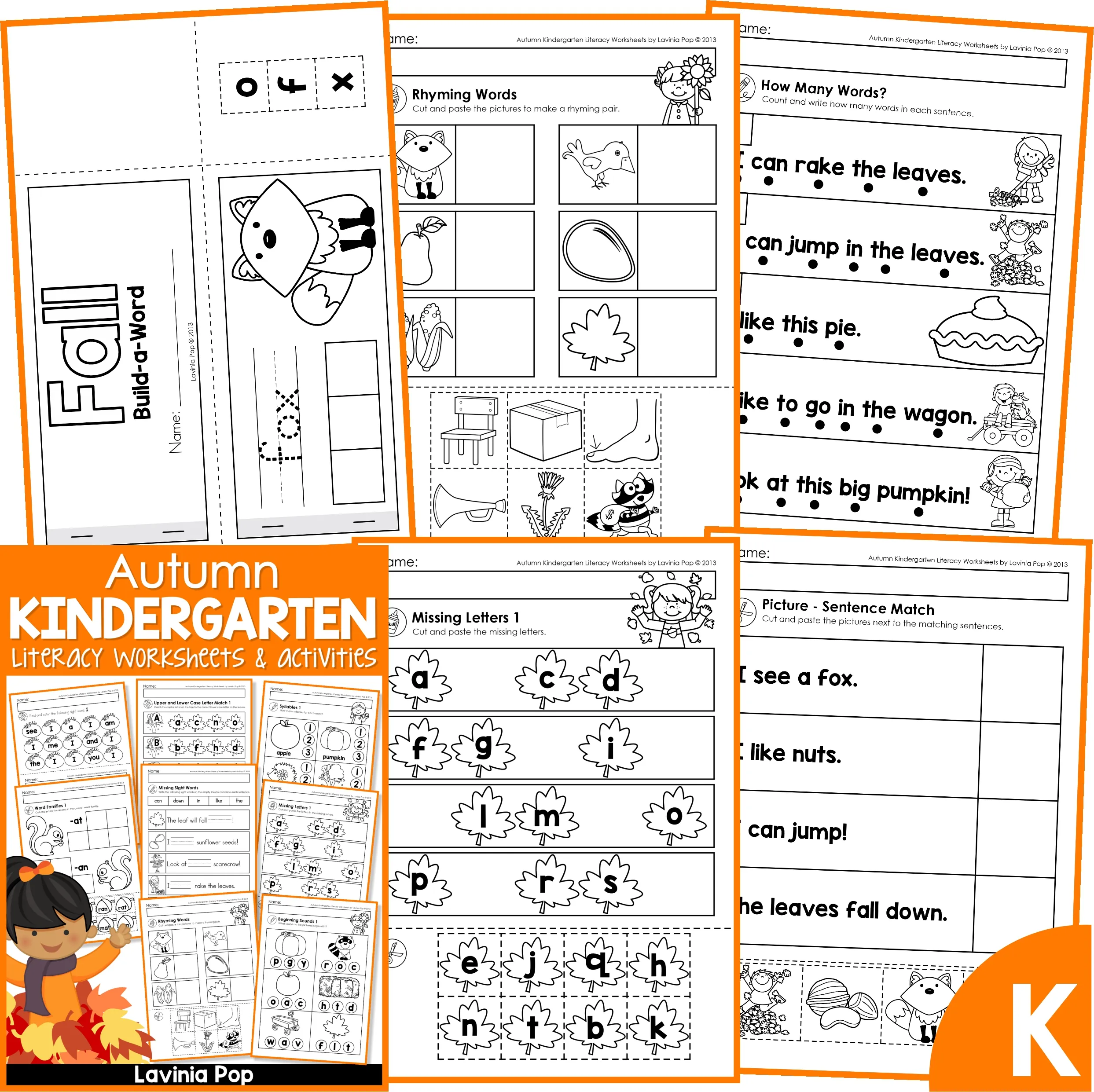
Language skills blossom when children encounter rich vocabulary—such as “crisp,” “squash,” or “breeze”—embedded in fun activities. Word matching games, sentence completion prompts, and picture‑based story sequencing help expand their expressive and receptive language.
Math Foundations
Counting leaves, sorting by size, or aligning pumpkins in order of size introduce basic numeracy. These activities provide concrete visual aids that help children internalize concepts like “more than,” “fewer than,” and “equal to” in an intuitive way.
Fine Motor Skills
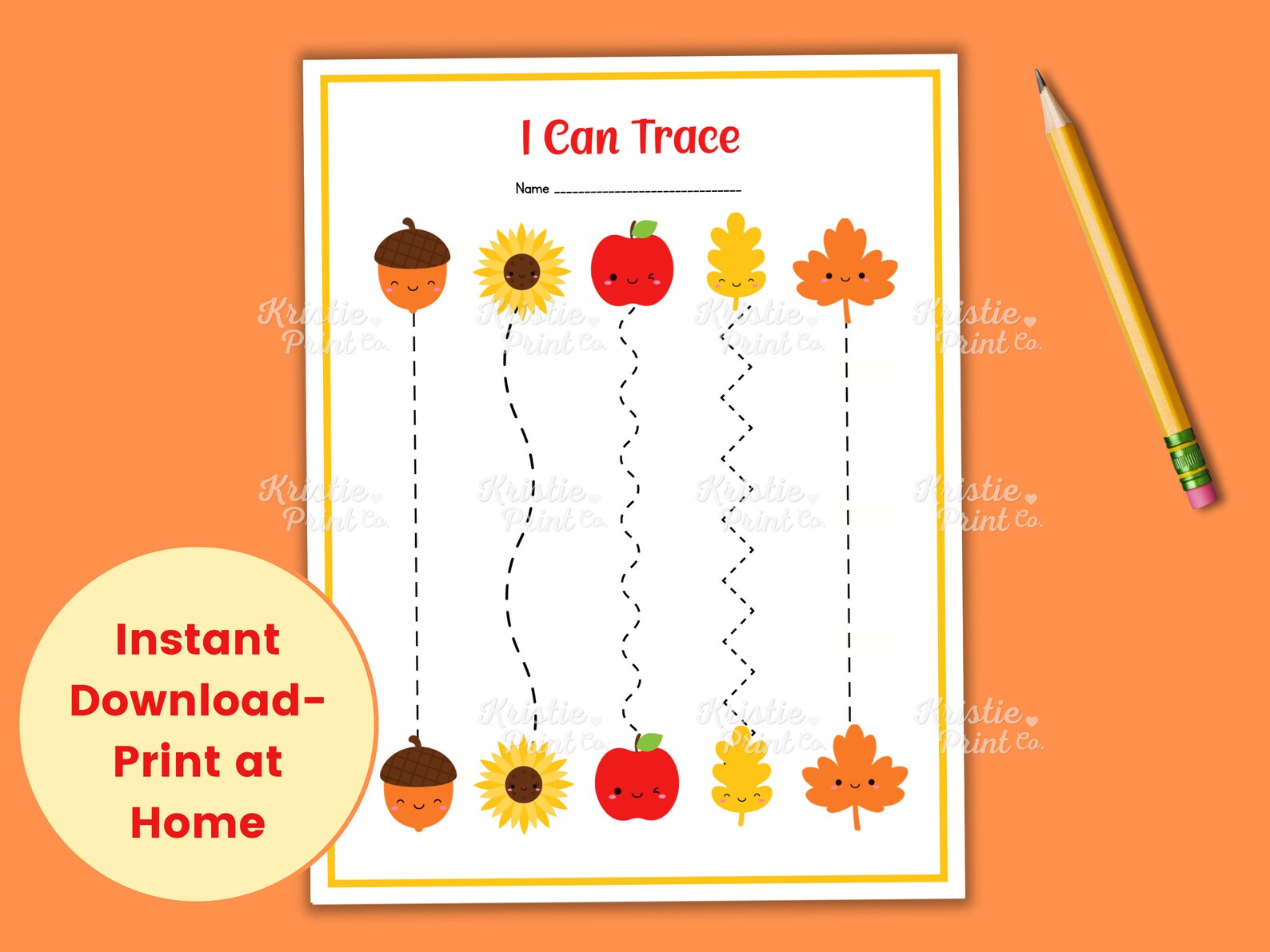
Cutting along leaf outlines, coloring with crayons, or tracing pumpkin outlines develops hand control and coordination. Such fine motor tasks are essential for future handwriting, buttoning, and using scissors.
Social-Emotional Growth
Autumn-themed group projects—such as making a leaf collage—promote teamwork, sharing, and empathy. Discussing the cycle of seasons also introduces early environmental stewardship and emotional resilience.
Top Types of Autumn Worksheets for Preschool
Picture Sorting and Matching
- Sort leaves by color or by species.
- Match pumpkins with their corresponding labels.
- Pair animal pictures (e.g., squirrels, foxes) with their habitats.
Coloring and Art Projects
Coloring pages featuring autumn landscapes allow kids to experiment with warm hues, reinforcing color recognition while giving them a creative outlet. Adding textures—such as torn paper leaves—provides a multi‑sensory experience.
Letter and Number Recognition
Worksheets that combine letters with autumn imagery—like “P” for pumpkin or “S” for squirrel—help children associate symbols with real objects. Number worksheets featuring pumpkin counts or leaf piles make numbers feel tangible.
Story Sequencing and Reading
Using short, illustrated stories about a day in the fall, children arrange pictures in chronological order, reinforcing sequencing skills and comprehension. This activity also nurtures narrative thinking and listening skills.
Counting and Simple Math
Tasks such as “How many apples are in the basket?” or “Draw the number of leaves that are red” incorporate basic arithmetic while keeping the context grounded in fall imagery.
How to Select the Right Worksheets for Your Preschoolers
Assess Skill Levels
Begin by observing each child’s proficiency. Worksheets with larger print and simplified concepts are ideal for emerging readers, while more complex tasks—such as matching leaf families or counting beyond five—serve advanced learners.
Look for Visual Appeal
Bright, high‑contrast images capture attention. Ensure that the pictures are clear and not overly cluttered, allowing the child to focus on the learning task instead of deciphering the artwork.
Incorporate Interactive Elements
Worksheets that include stickers, cut‑outs, or flaps encourage tactile interaction. These features turn passive completion into an active play session, supporting kinesthetic learning styles.
Align with Curriculum Standards
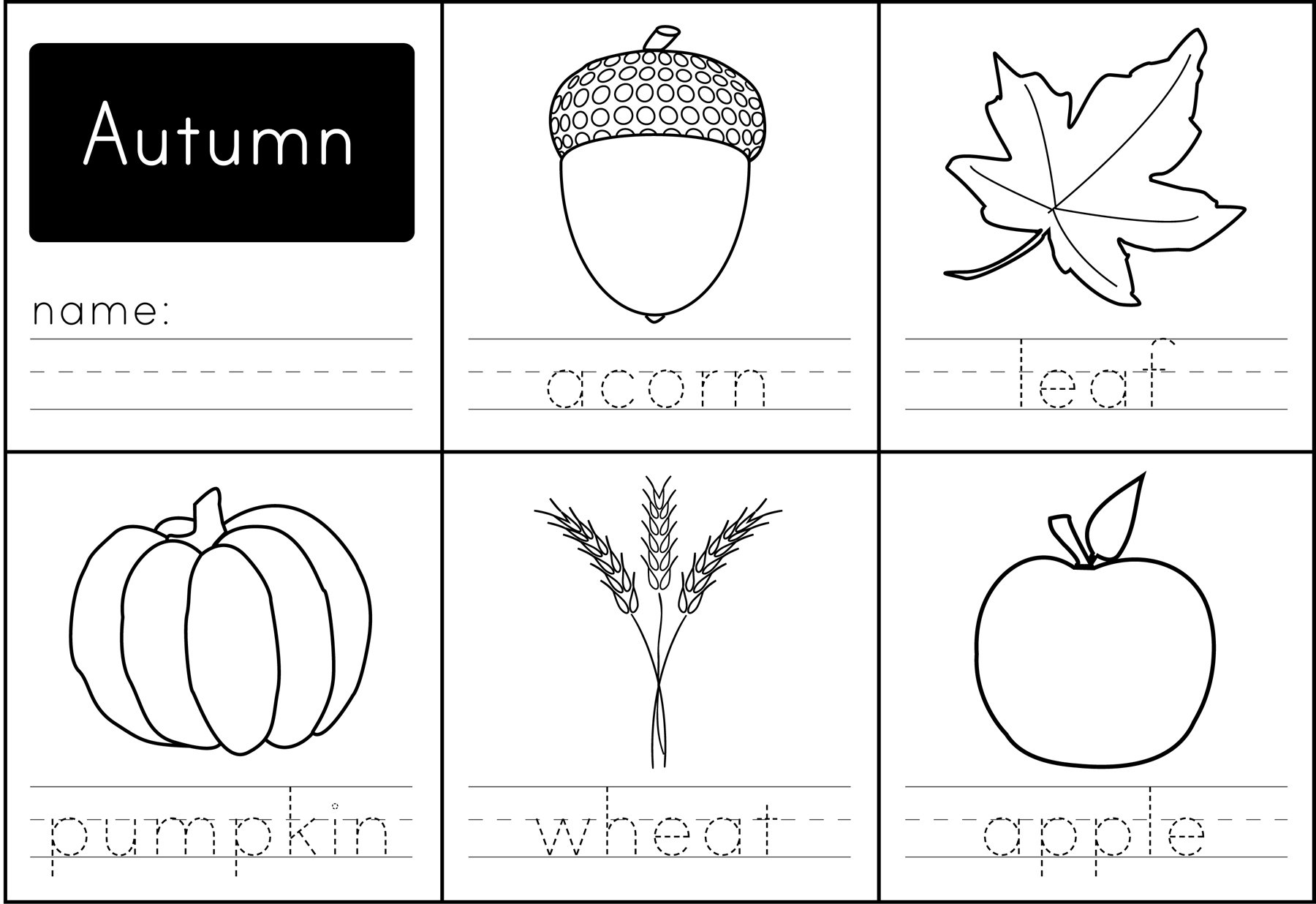
Review local preschool standards and match worksheet objectives to them. For instance, if the curriculum emphasizes letter formation, choose worksheets that integrate letter tracing within an autumn scene.
Creating a Printable Autumn Worksheet Kit
Choosing Print‑Friendly Designs
Select PDFs or printable PDFs that maintain quality when scaled. Ensure that the resolution is at least 300 dpi so colors stay vibrant and lines remain sharp.
Using Safe and Non‑Toxic Materials
When preparing worksheets for home or classroom use, opt for recyclable paper and lead‑free ink. If incorporating stickers or cut‑outs, use paper that can be reused or recycled after the activity.
Packaging and Storage Ideas
Organize worksheets in labeled folders by theme—“Leaves,” “Pumpkins,” “Animals”—or by skill level. This simplifies planning for teachers and parents alike and encourages consistent use.
Integrating Worksheets into Daily Routines
Morning Circle Time Activities
Start the day with a quick worksheet that introduces the day’s theme. For example, a “What’s in the garden?” worksheet can segue into a talk about autumn plant changes.
Snack Time Themes
Pair a simple counting worksheet with a snack featuring autumn produce, like apples or pears. Children can count the pieces while munching, reinforcing the link between math and real life.
Outdoor Observation Sessions
After a field walk, bring back leaf samples for a matching worksheet. This reinforces observation skills and adds a sensory dimension to the learning activity.
Parent‑Teacher Collaboration
Send home a short worksheet that parents can complete with their child, creating a bridge between classroom learning and home reinforcement. Encourage parents to share photos or notes of their child’s work to keep communication flowing.
Tips for Parents to Extend Learning at Home
Craft Projects with Natural Materials
Gather fallen leaves, acorns, and pinecones to create a “nature collage.” While children glue their collected items, prompt them to describe colors, sizes, and textures, integrating language practice.
Storytelling Sessions
Read a short story about a squirrel’s fall adventure and then ask children to draw their favorite scene. This nurtures creativity and reading comprehension simultaneously.
Field Trips and Nature Walks
Plan a short nature walk in a nearby park. Have children collect a small handful of leaves, then later use a worksheet to classify them by color or shape. The hands‑on experience solidifies memory.
Digital Resources and Apps
Supplement worksheets with age‑appropriate apps that use autumn themes—such as interactive leaf‑matching games or animated storytelling—providing a multimedia learning experience.
Common Challenges and How to Overcome Them
Maintaining Attention Span
Keep worksheets brief, about five minutes per task, and incorporate movement breaks. Use stickers or small rewards to maintain motivation.
Managing Mixed Skill Levels
Provide tiered worksheets: an easy version with large, simple images and a more advanced version with added detail or longer sequences. This allows all children to succeed at their own pace.
Ensuring Consistent Progress
Track completion and progress using a simple chart. Celebrate milestones, such as correctly matching all leaves, to reinforce effort and build confidence.
Addressing Sensitivities to Fall Themes
Some children may feel uneasy about concepts like “falling” or “crawling.” Use gentle language and focus on the beauty of changing colors instead of the more dramatic aspects.
Conclusion: Autumn Worksheets for Preschool as a Year‑Long Adventure
By thoughtfully incorporating Autumn Worksheets For Preschool into everyday learning, educators and parents can create a dynamic, sensory‑rich curriculum that supports language, math, fine motor, and social‑emotional development. These worksheets serve as both a bridge to academic concepts and a gateway to the world of nature, turning the season of change into a season of growth and discovery. As children trace a leaf, count pumpkins, or tell a story about the first chill of October, they are not only mastering skills but also weaving their own autumn narrative—an adventure that will echo long after the leaves have fallen.







Related posts of "Autumn Worksheets For Preschool"
