Autosomal Recessive Inheritance Worksheet is the superhero cape you didn’t know your genetics class needed, and this article is here to show you how to fly with it while cracking jokes that even your textbook would blush at.
What Is Autosomal Recessive Inheritance Anyway?
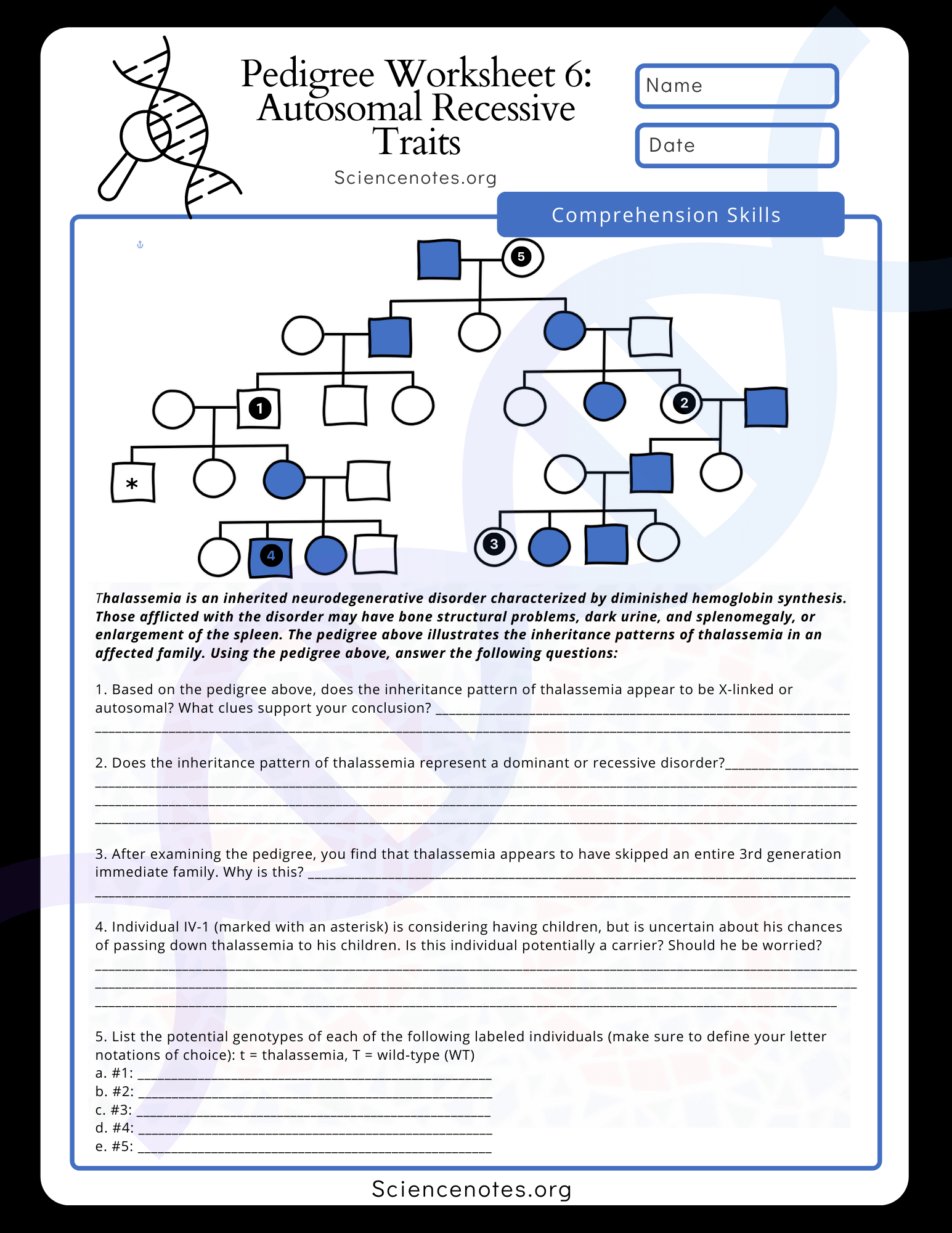
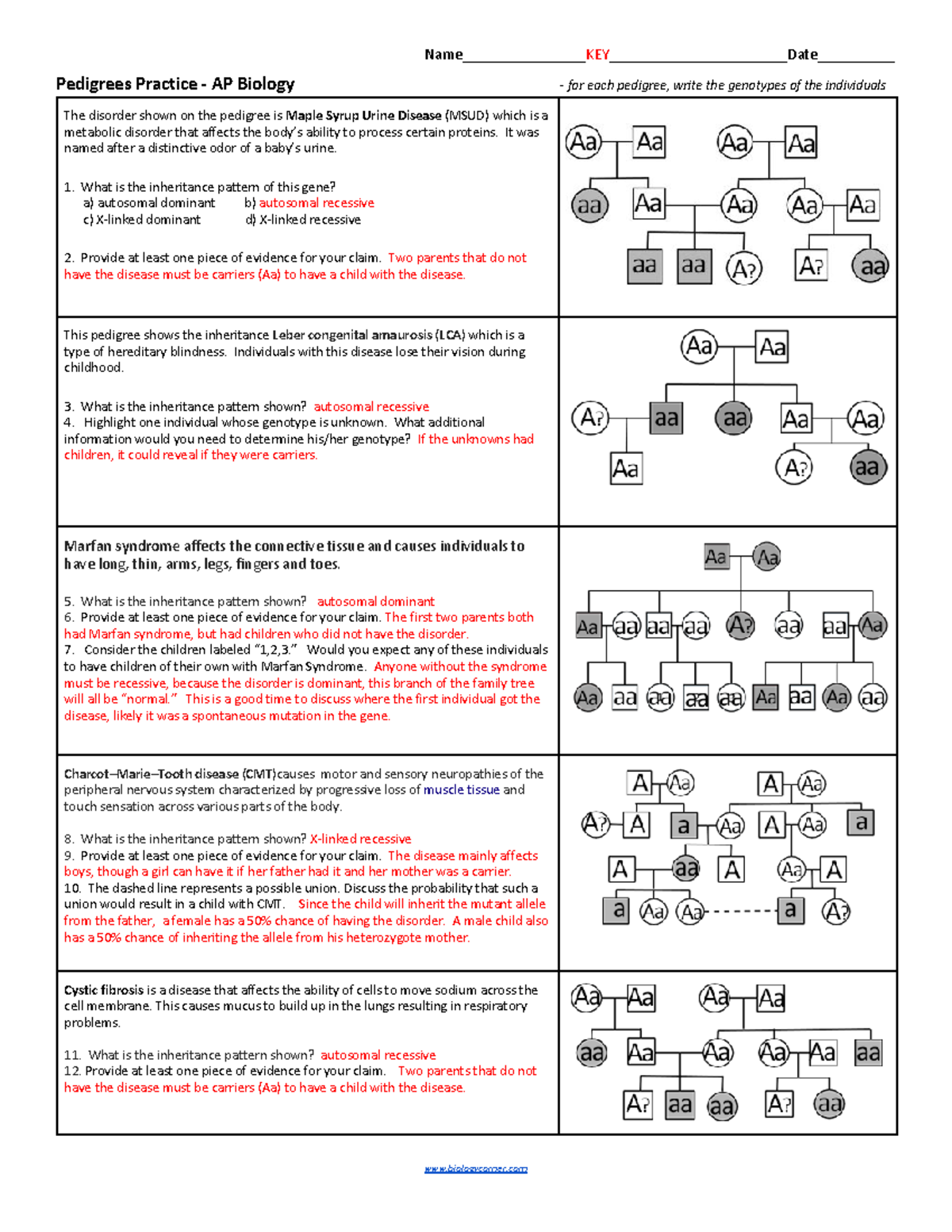
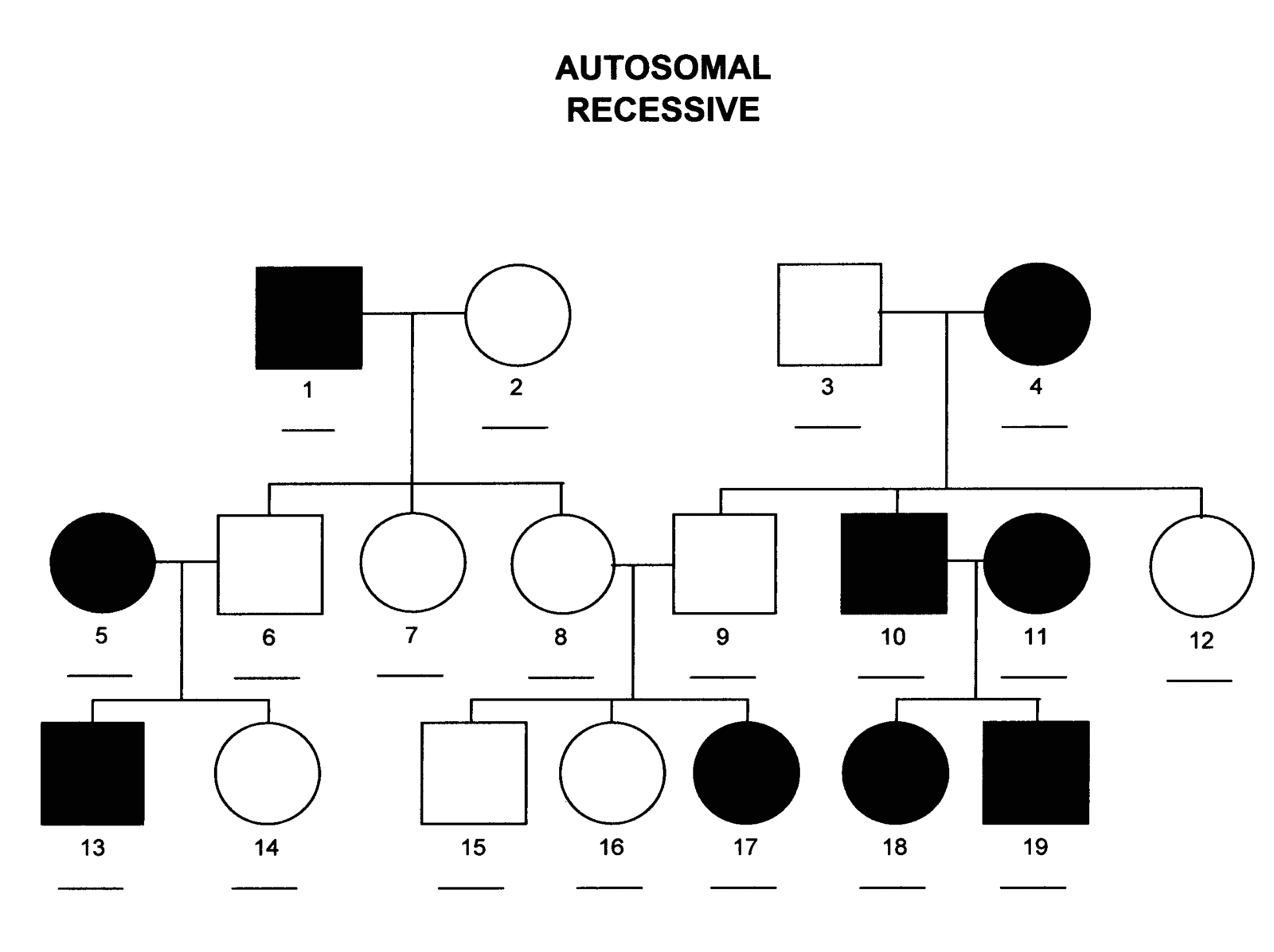
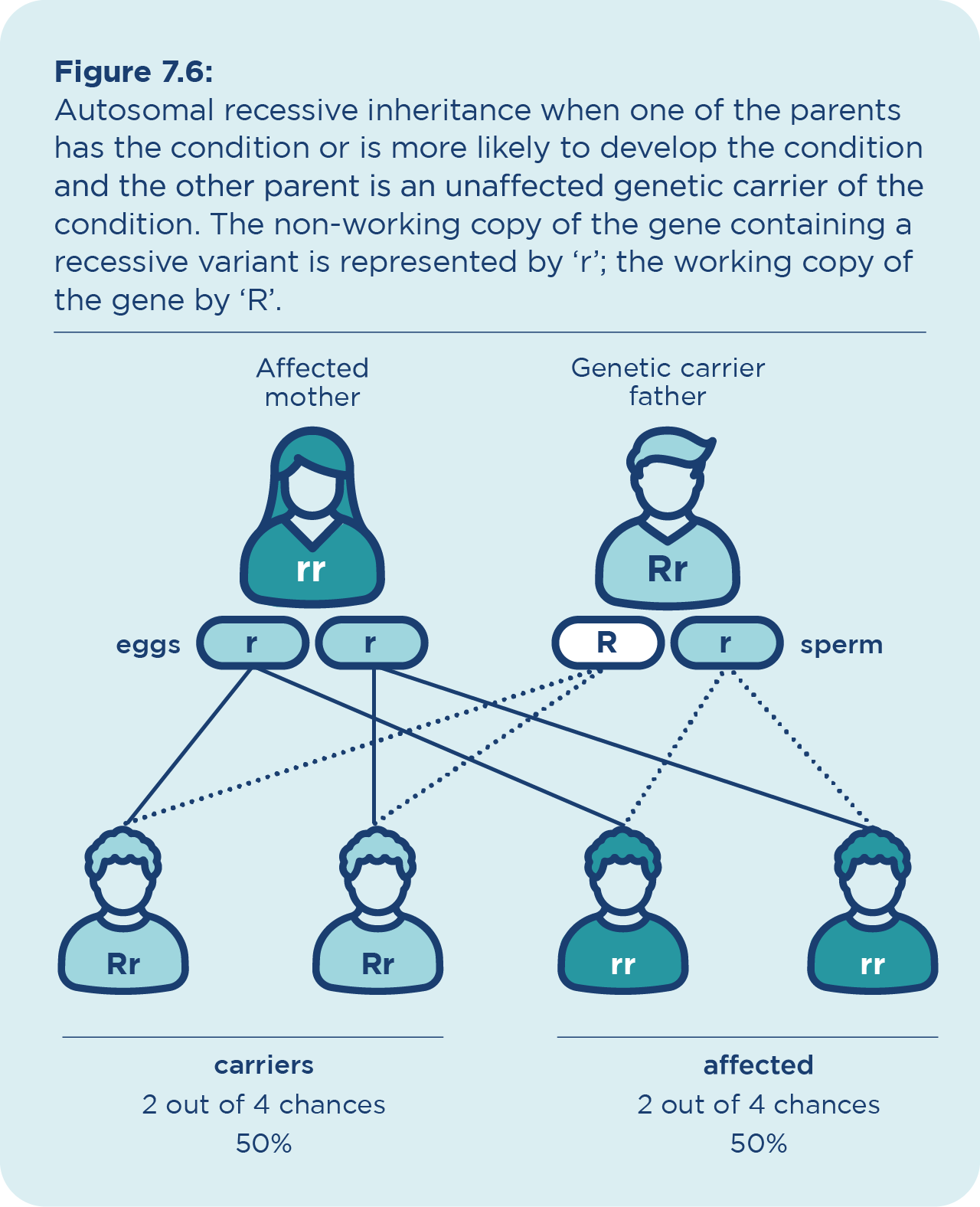
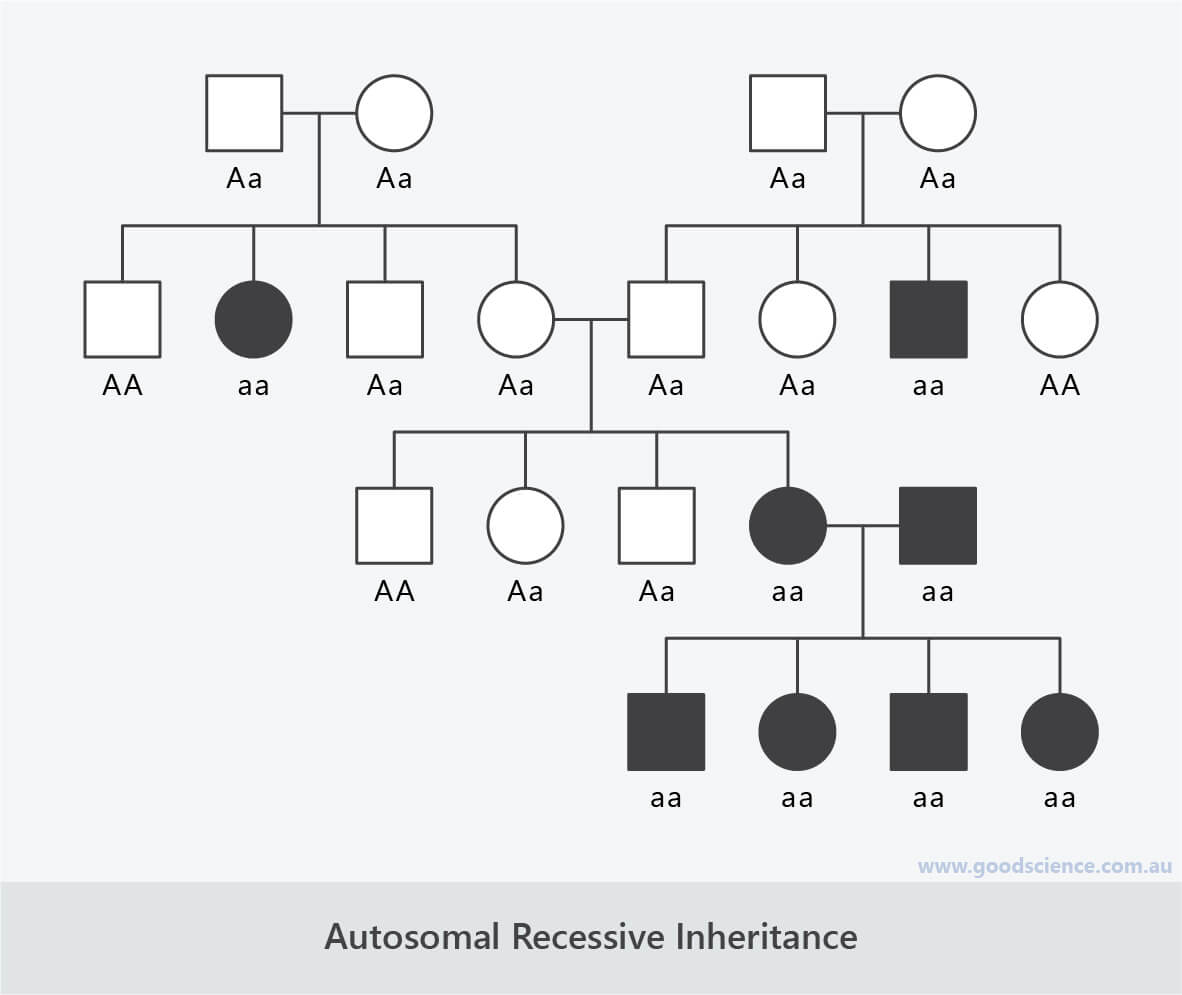
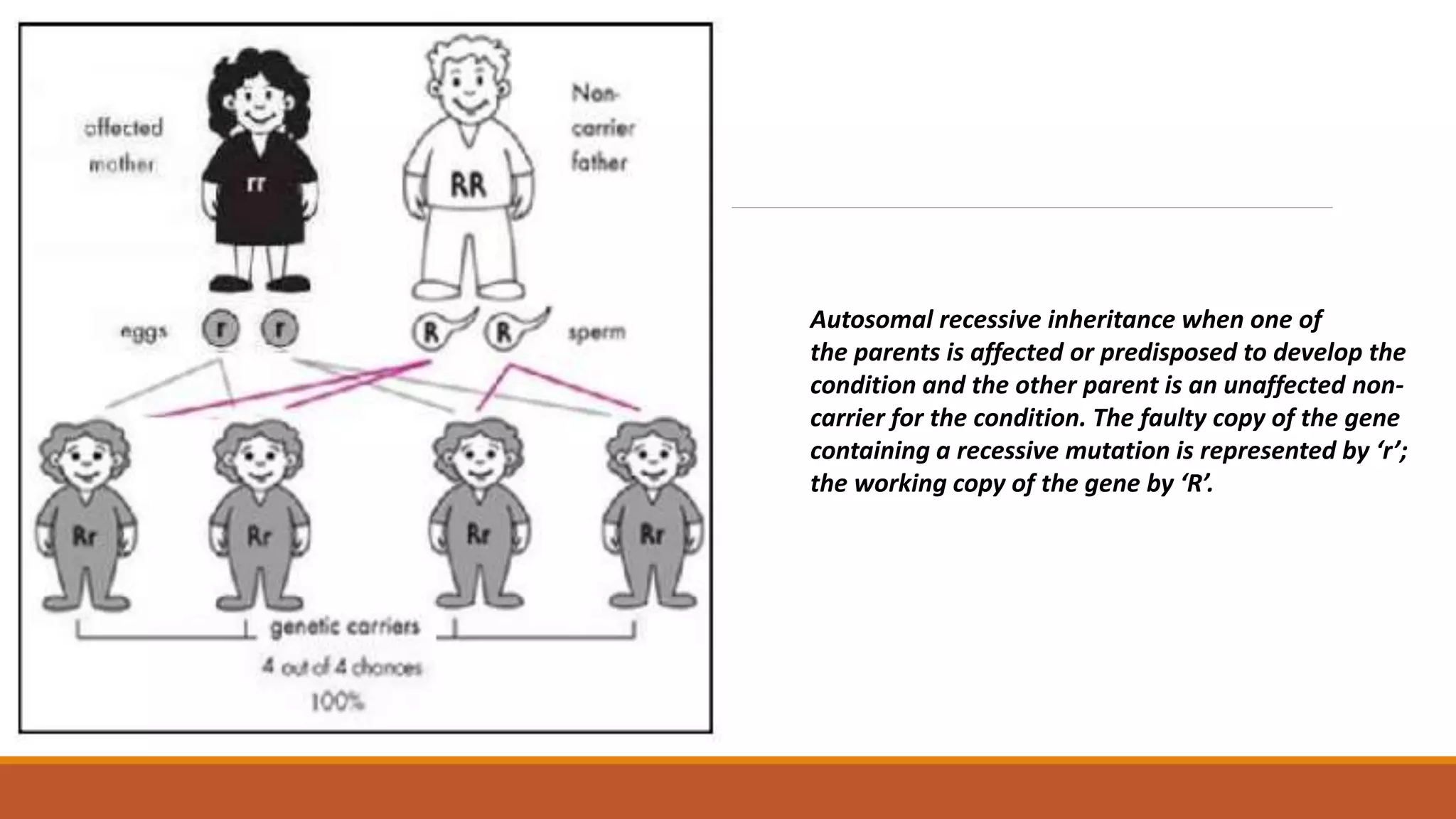
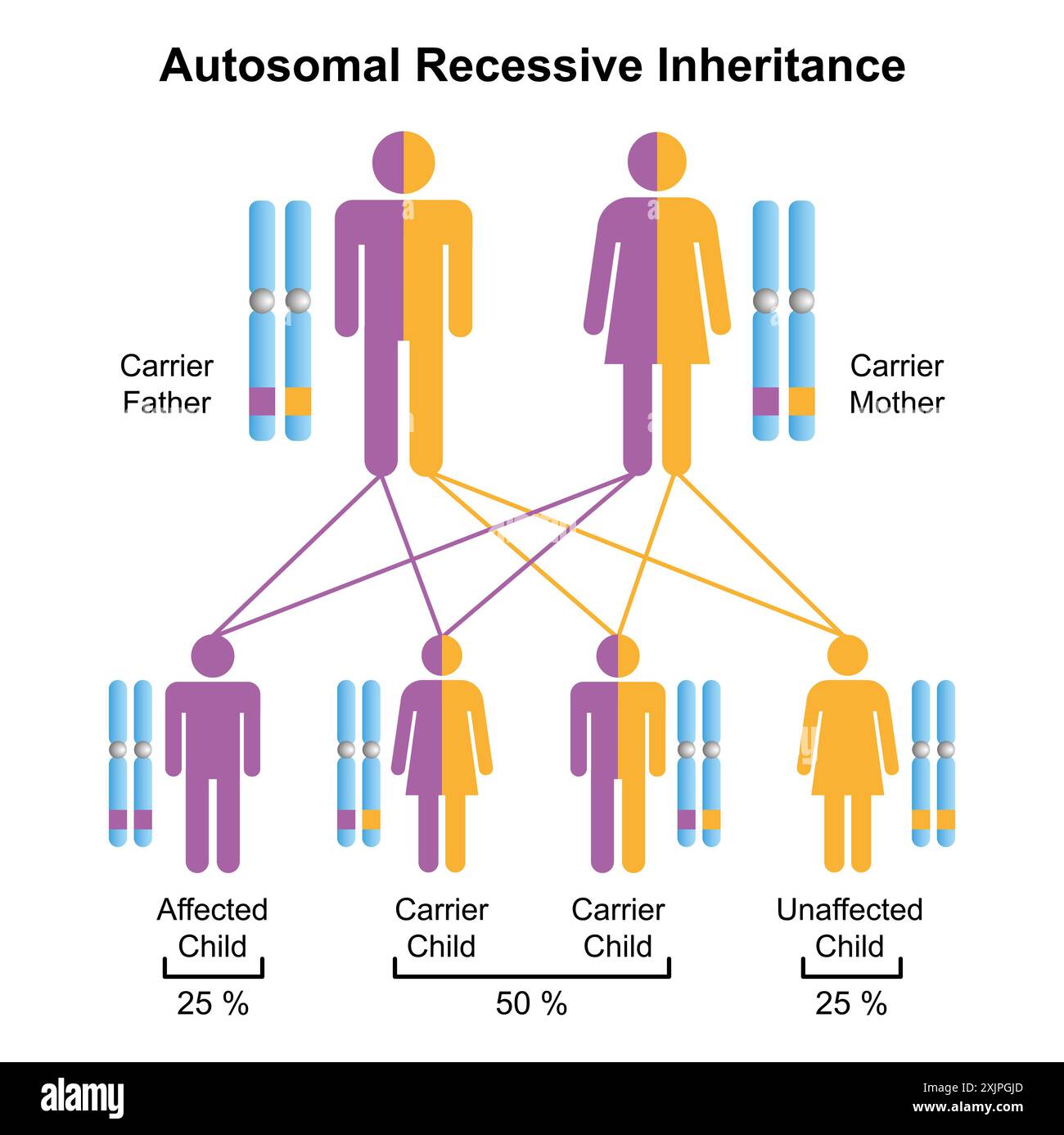
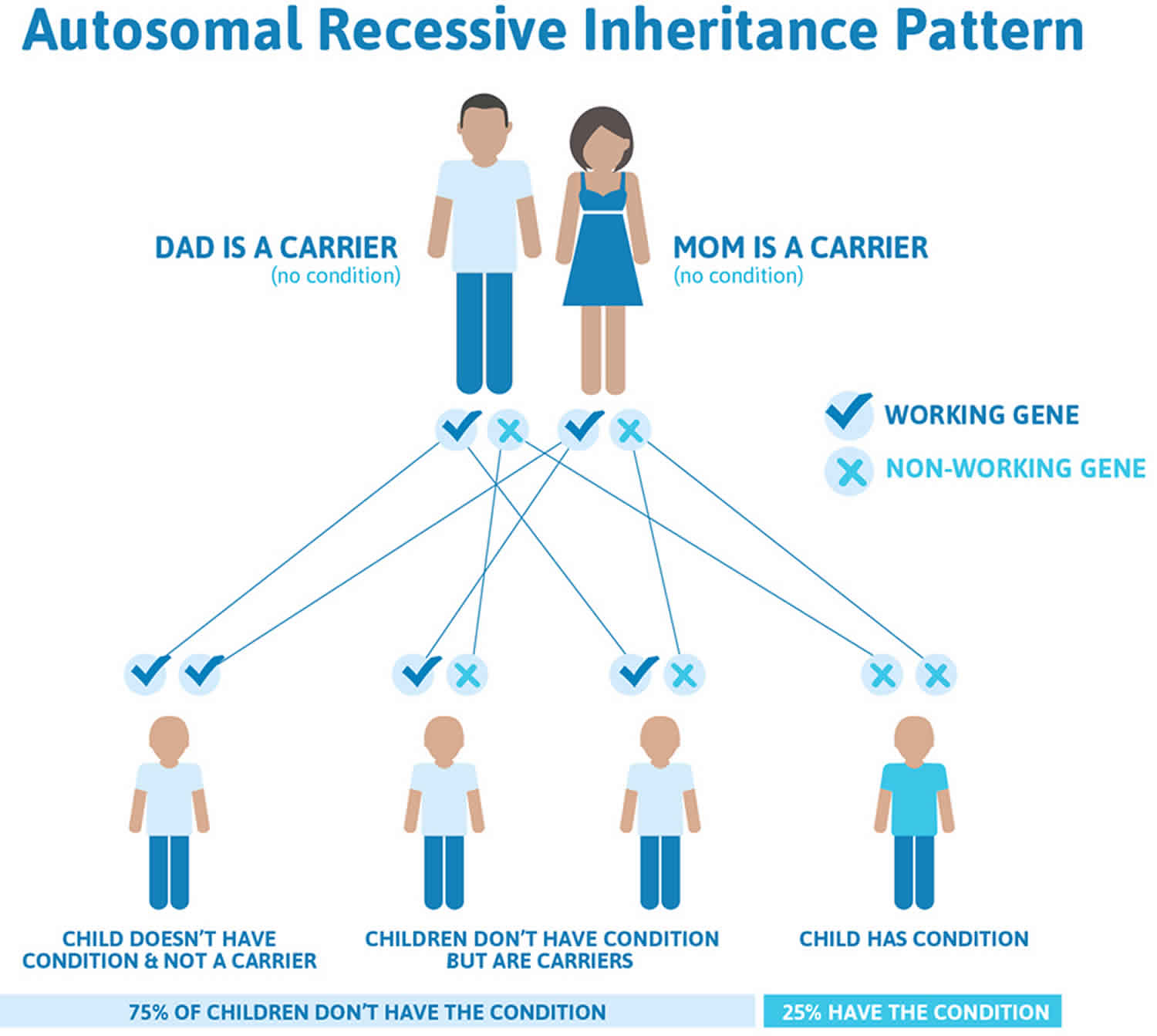
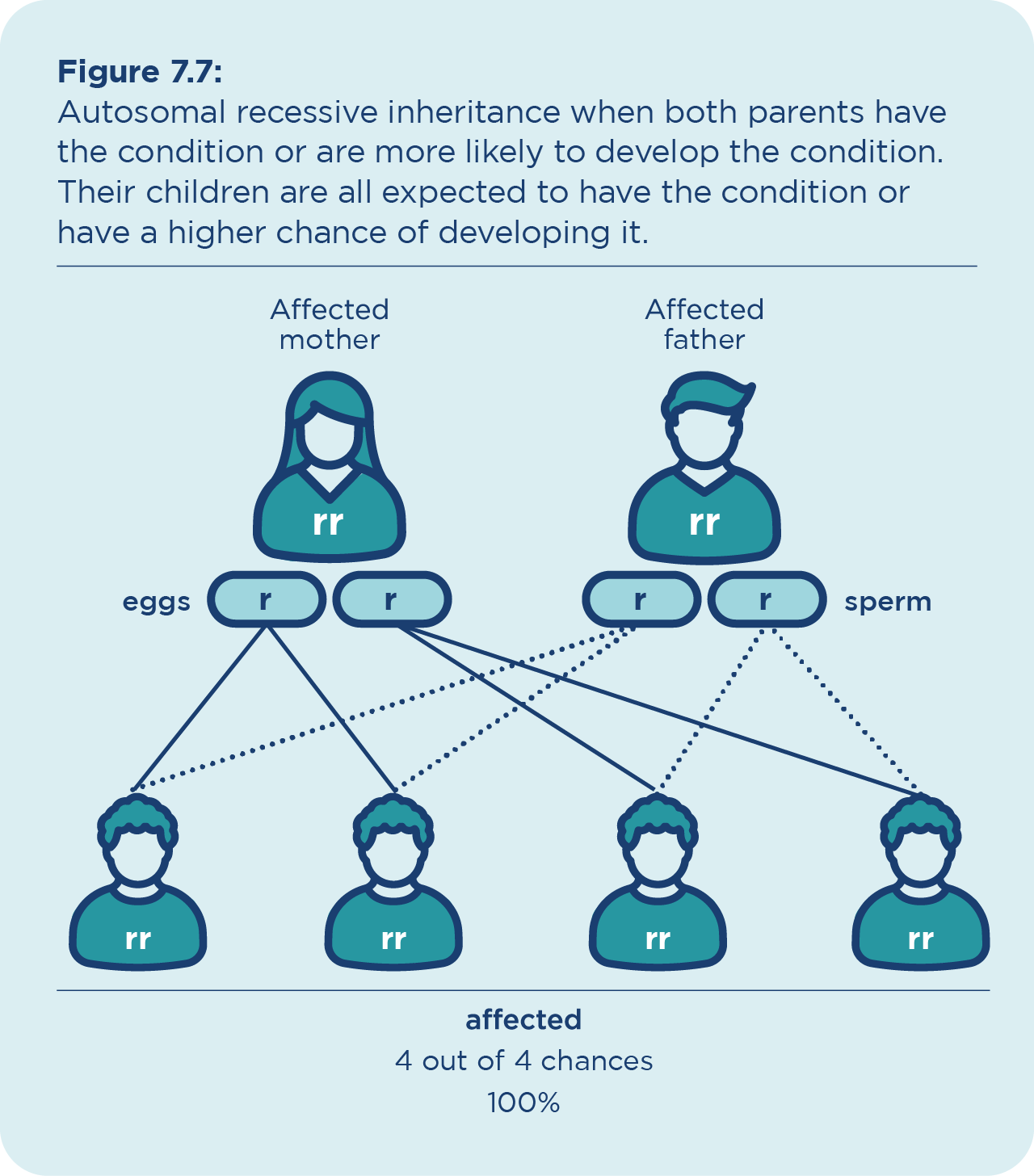
Before we dive into worksheets, let’s clear up the science behind the laughs. Autosomal recessive inheritance describes a pattern where two copies of a sneaky gene—one from Mom, one from Dad—must team up to unleash a trait. If only one copy shows up, the trait hides like a ninja, and the carrier walks around blissfully unaware. Think of it as a double‑tap password: you need both digits to get in.
Key points to remember:
- Both parents must at least be carriers for the trait to appear in a child.
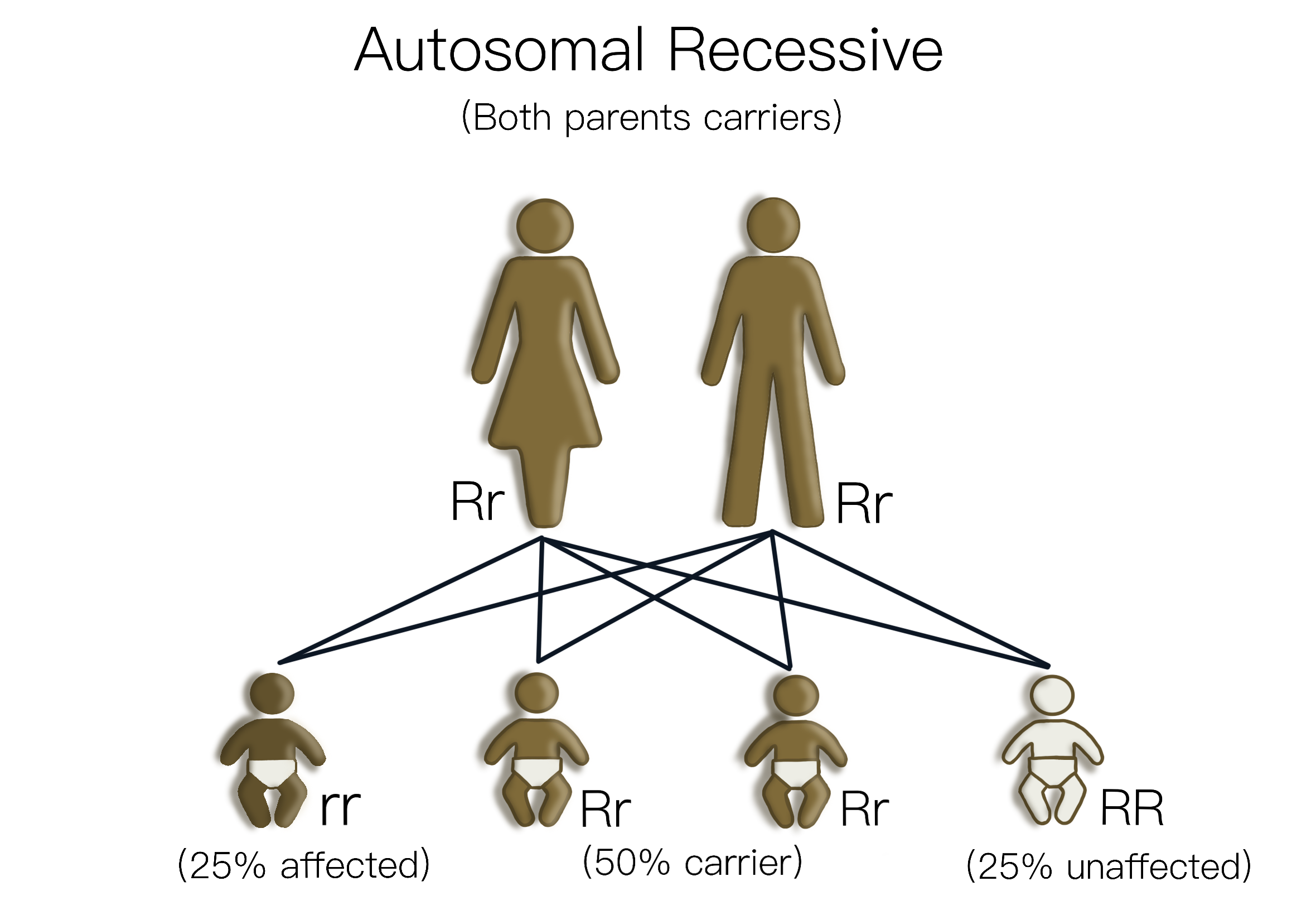
- Each pregnancy carries a 25% chance of producing an affected child, a 50% chance of a carrier, and a 25% chance of a completely clear slate.
- The genes involved sit on the autosomes—those non‑sex chromosomes that make up the bulk of our genetic library.
This pattern shows up in classic conditions like cystic fibrosis, sickle‑cell anemia, and Tay‑Sachs disease, but it also pops up in everyday traits like attached earlobes (if you’re lucky enough to have them).
Why You Need a Worksheet (And Why It’s Not Boring)
Imagine trying to explain these probabilities with just words—your audience would either nod politely or fall asleep. A worksheet turns abstract numbers into tangible puzzles that students can manipulate, color, and even brag about on social media. Here’s why a well‑crafted worksheet is the secret sauce:
- Visual Learning: Humans love pictures, especially Punnett squares that look like tiny bingo cards.
- Active Engagement: Filling in boxes beats passive listening; it’s the difference between watching a cooking show and actually whipping up a soufflé.
- Retention Boost: The act of writing down probabilities cements them in memory like a catchy jingle.
- Humor Injection: A witty worksheet can turn “recessive” into “recess‑IVE—take a break!” and keep the mood light.
Step‑by‑Step Guide to Building Your Own Worksheet
Gather Your Materials
Start with a blank PDF or a printable template. You’ll need:
- Large, clearly labeled Punnett square grids (4×4 works for two‑gene combos).
- Space for definitions, examples, and “fun fact” sidebars.
- Color‑coding stickers or markers for dominant vs. recessive alleles.
- A splash of humor—think puns, cartoons, or “Did you know?” bubbles.
Design the Core Section: Punnett Squares
1. Label the top and side: Use “A” for the dominant allele and “a” for the recessive allele. If you’re feeling fancy, replace them with emojis—💪 for dominant, 💤 for recessive.
2. Provide a scenario: Example: Both parents are carriers (Aa × Aa). Ask students to fill in the square and calculate the odds.
3. Include a “What If?” box: Change one parent to homozygous recessive (aa) and watch the probabilities shift. This illustrates how carrier status impacts outcomes.
Insert Real‑World Problems
Write a short story about a fictional family—maybe the “GenoMoes” who love cheese and want to know if their baby will inherit the rare “blue‑cheese‑loving” gene. Provide the parents’ genotypes, then ask the class to predict the kid’s chances. Real‑life contexts make abstract math feel like detective work.
Add Interactive Elements
- Color‑Code Challenge: Students shade dominant squares green and recessive squares red.
- Match‑The‑Trait: Provide a list of traits (e.g., albinism, cystic fibrosis) and ask learners to match each to the correct inheritance pattern.
- True/False Blitz: Quick statements like “A carrier shows the disease phenotype” for students to mark.
Wrap Up with a Reflection Section
Ask students to write a brief paragraph answering: “If you were a genetic counselor, how would you explain carrier risk to a nervous couple?” This forces them to translate numbers into plain language—an essential skill for any future scientist.
Common Pitfalls and How to Dodge Them
Mixing Up Autosomal and Sex‑Linked Genes
Students often think “recessive” automatically means “X‑linked.” To avoid this, include a quick reminder in a sidebar: “Autosomal = not on the X or Y chromosome. Sex‑linked = on the X or Y.” Use a contrasting color to make the distinction pop.
Forgetting the 25‑25‑50 Rule
When the numbers get blurry, a cheat‑sheet table can rescue the day. Provide a tiny 3‑column table that shows the probability breakdown for any Aa × Aa cross. Encourage learners to memorize the pattern instead of recalculating each time.
Overlooking Carrier Frequency in Populations
Some worksheets skip the big picture and focus only on a single family. Add a “Population Perspective” box that asks: “If 1 in 25 people is a carrier for cystic fibrosis, what’s the chance two random carriers will have an affected child?” This pushes students to think beyond pedigrees.
Neglecting Clear Instructions
Even the funniest worksheet can flop if students can’t figure out what to do. Use bullet points, bold headings, and numbered steps. For example, start each activity with “Step 1: Fill in the Punnett square. Step 2: Color the recessive squares.” Clear directions keep the humor from becoming chaos.
Real‑World Examples That’ll Make You Say “Aha!”
Case Study: The Mystery of the Blue‑Eyed Baby
In a small town, two brown‑eyed parents (both carriers for the rare blue‑eye allele) welcomed a baby with striking azure irises. Students calculate the probability (1/4) and then discuss why the trait appeared—because both parents contributed the recessive “b” allele. This demonstrates how a recessive trait can pop up even when the parents don’t display it.
Case Study: Sickle Cell Trait in a Sports Team
A high‑school track team discovers that three athletes are carriers for sickle cell disease. Using a worksheet, students map out the carrier frequencies, discuss why the trait persists in certain populations (malaria resistance), and propose screening guidelines. This merges genetics with public health, showing the relevance beyond the classroom.
Case Study: Cystic Fibrosis Screening in Newborns
Parents receive a positive carrier result during prenatal testing. The worksheet walks learners through the steps: carrier testing, risk assessment, and genetic counseling. By role‑playing the counseling session, students practice empathy and clear communication—skills that are priceless for any future clinician.
Tips for Teachers and Tutors
- Start with a Meme: A funny DNA cartoon can break the ice and signal that learning will be enjoyable.
- Use Real Data Sparingly: Introduce a genuine carrier frequency statistic once, then let the worksheet focus on the mechanics.
- Incorporate Technology: Online whiteboards let students drag and drop alleles into Punnett squares, turning paper work into a game.
- Allow Creative Answers: When asking for a reflection, let students write a short skit or comic strip. Creativity reinforces comprehension.
- Assess With Humor: A quick quiz titled “Are You a Gene‑ius?” with punny answer choices can gauge retention without feeling like a test.
Conclusion
Crafting an Autosomal Recessive Inheritance Worksheet is more than filling a syllabus requirement; it’s an opportunity to turn a complex genetic concept into an interactive adventure that students actually look forward to. By blending clear explanations, step‑by‑step activities, real‑world case studies, and a dash of humor, you’ll empower learners to master recessive inheritance patterns while having a blast. Remember, genetics may be about tiny molecules, but teaching it can be larger than life—especially when you sprinkle in jokes, colors, and a sprinkle of nerdy charm. Now go forth, design that worksheet, and watch your class light up like a fluorescent microscope under UV!






Related posts of "Autosomal Recessive Inheritance Worksheet"
