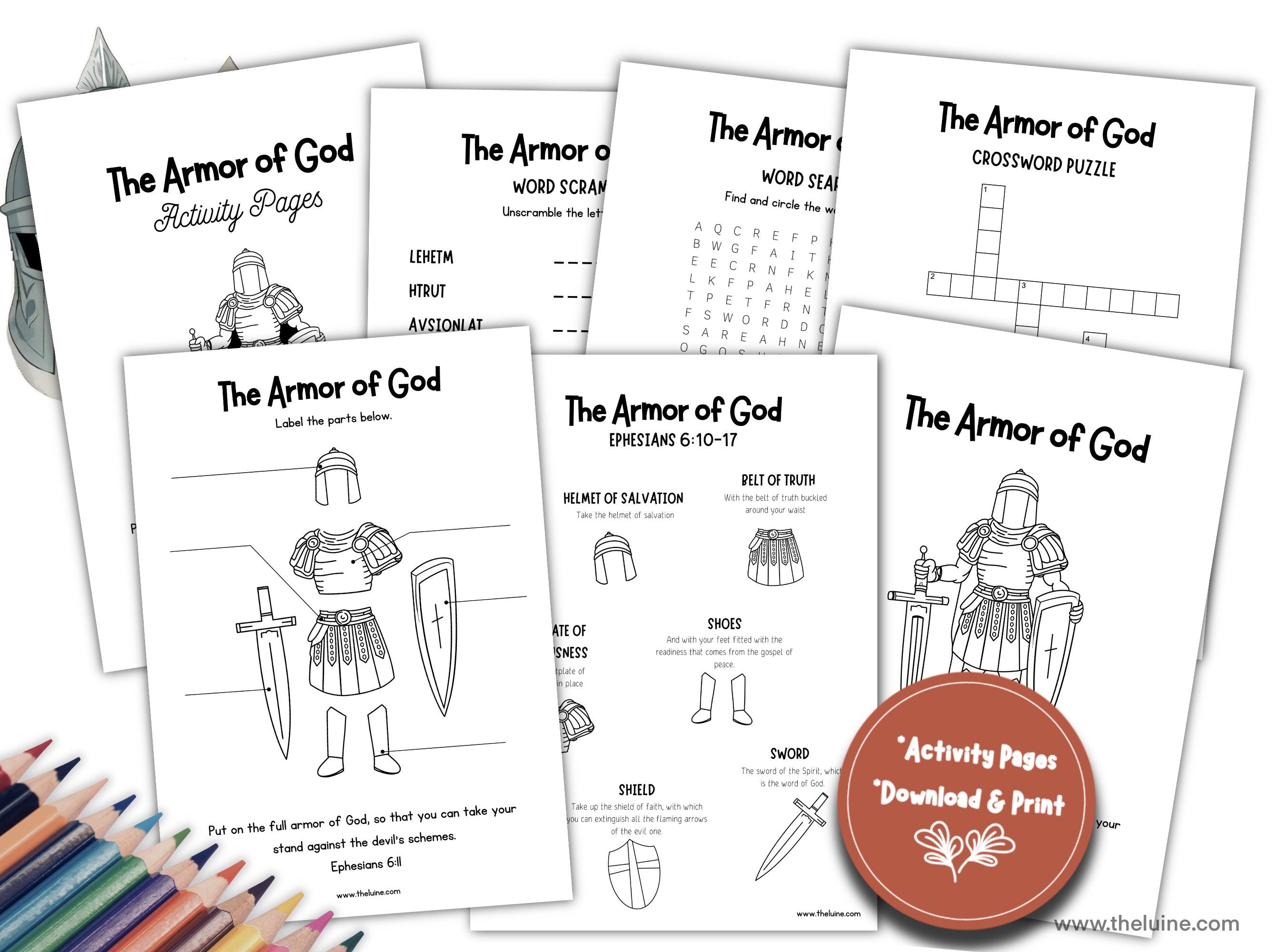
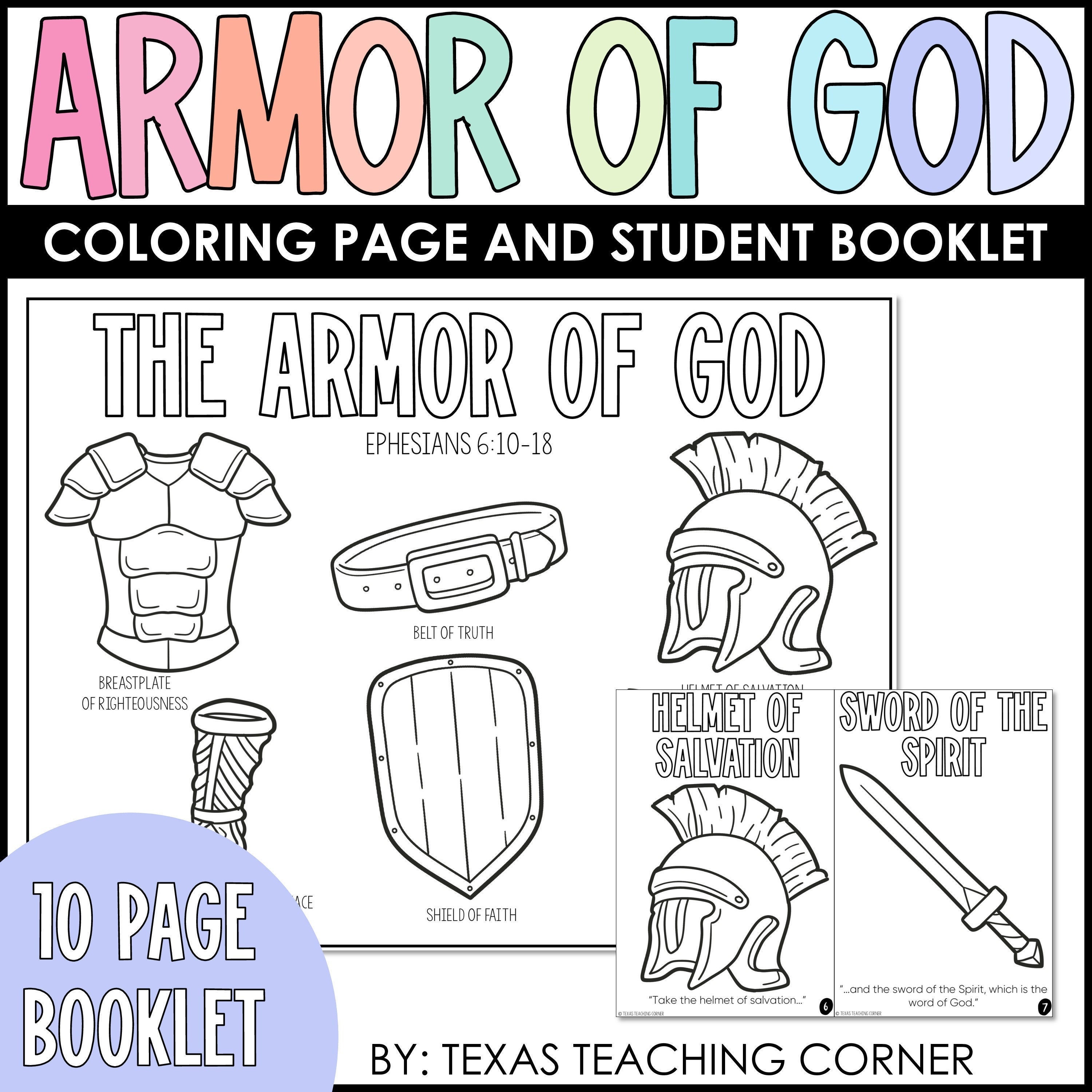
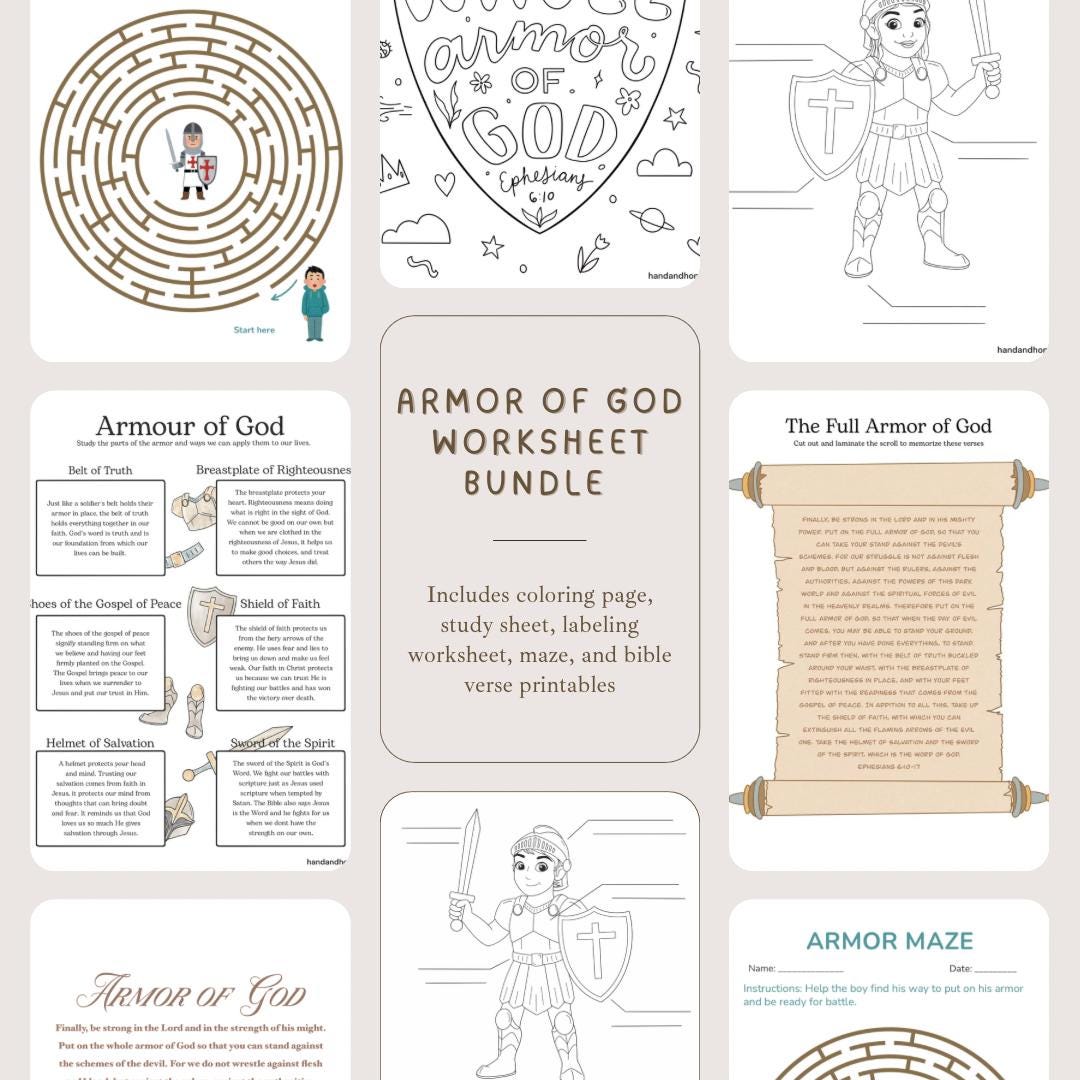
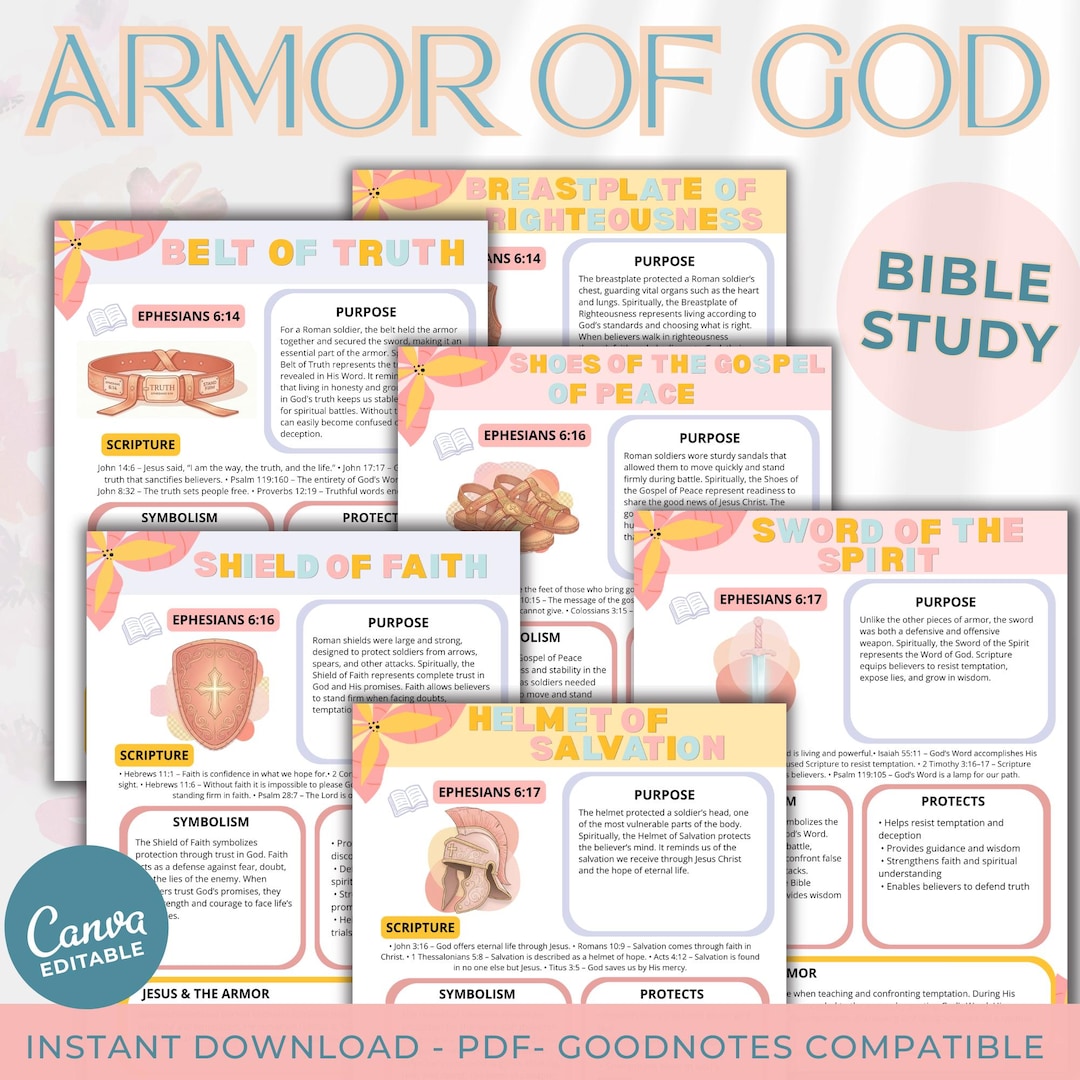
Armor Of God Worksheets Pdf serves as a powerful resource for parents, educators, and church leaders who wish to teach biblical principles through interactive and visually engaging activities. By blending the timeless imagery of Ephesians 6:10‑18 with modern design, these printable materials allow learners to explore spiritual armor in a way that feels both meaningful and approachable.
Understanding the Concept Behind the Worksheets
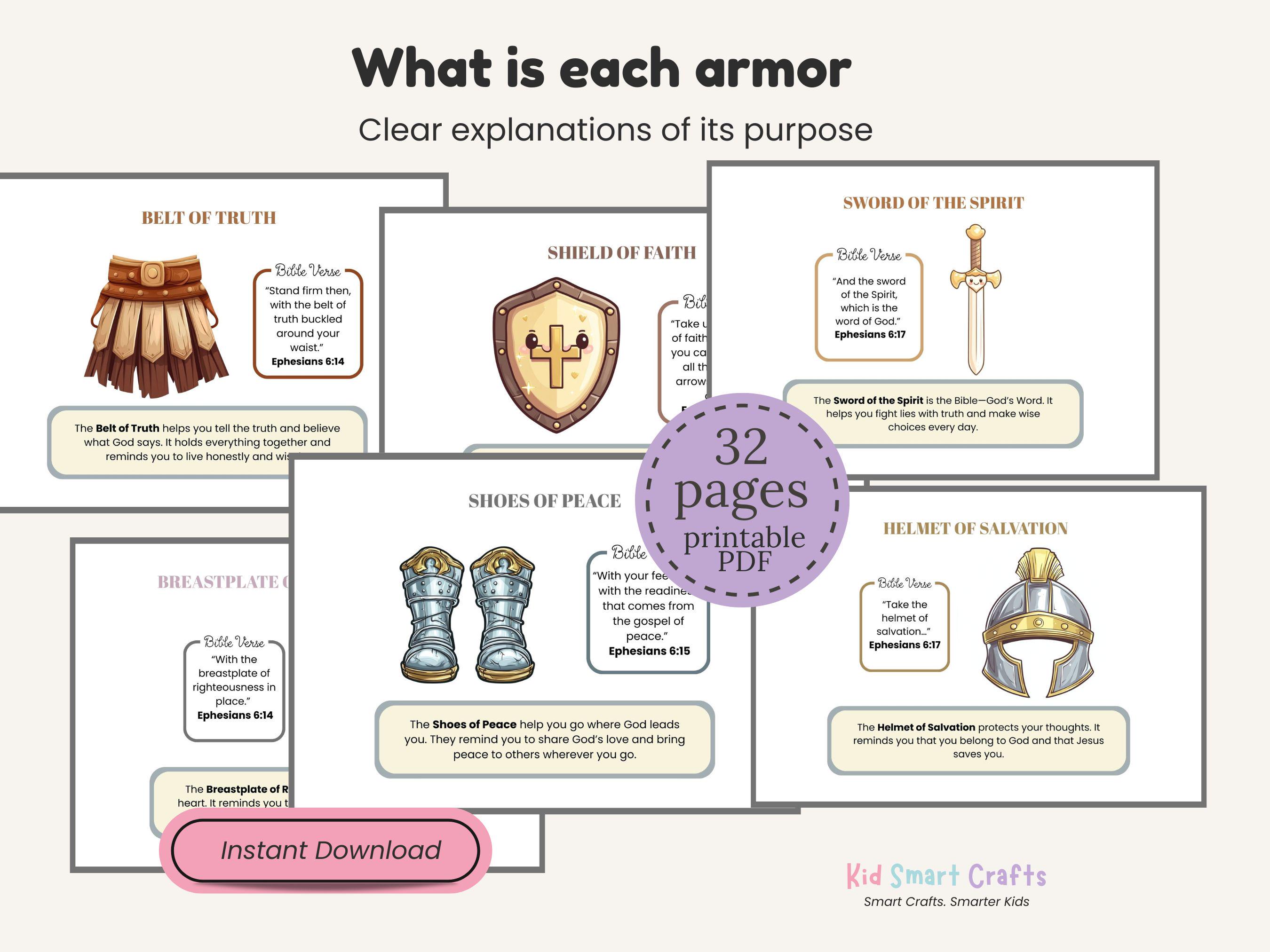
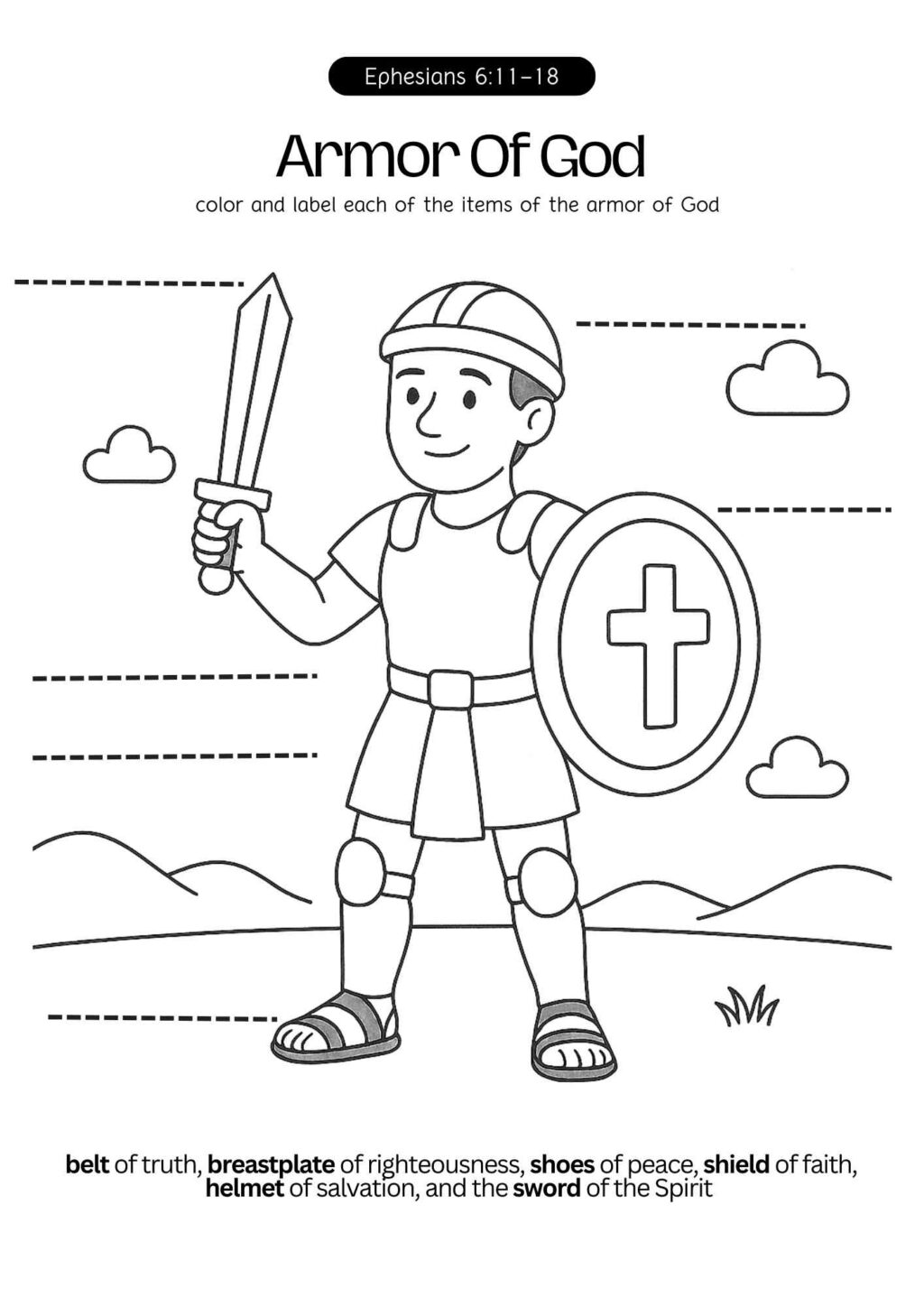
The Armor of God is a metaphor for the spiritual safeguards Christians are encouraged to wear in their daily lives. Each piece of armor—truth, righteousness, faith, salvation, the shield of faith, and the helmet of salvation—offers a specific protection against moral and spiritual challenges. When translated into a worksheet format, learners can color, label, and physically handle each component, thereby deepening their comprehension of these abstract concepts.
Why Visual and Interactive Learning Works
Asian cultures often emphasize holistic learning—engaging sight, touch, and hearing. Worksheets that incorporate color, labeling, and kinesthetic tasks resonate with this approach. The act of coloring a piece of armor reinforces memory, while labeling encourages deliberate vocabulary usage. Moreover, interactive tasks foster a sense of ownership; students feel they are actively constructing their understanding rather than passively receiving information.
Key Takeaway: Alignment with Cultural Values
Respect for communal learning and interdependence—core values in many Asian societies—can be highlighted by designing group activities around these worksheets. For instance, a classroom can divide into teams to create a large composite image of the full armor, thereby celebrating collective effort and mutual support.
How to Create Your Own Armor Of God Worksheets PDF
While many pre‑made worksheets exist, customizing your own can cater to specific age groups, learning styles, and contextual references. Below is a step‑by‑step guide that blends simplicity with depth.
Step 1: Define Your Target Audience
Decide whether the worksheet is for young children (ages 5‑7), middle‑school students, or adult groups. The complexity of language, the size of the images, and the types of activities will differ accordingly.
Step 2: Sketch the Armor Components
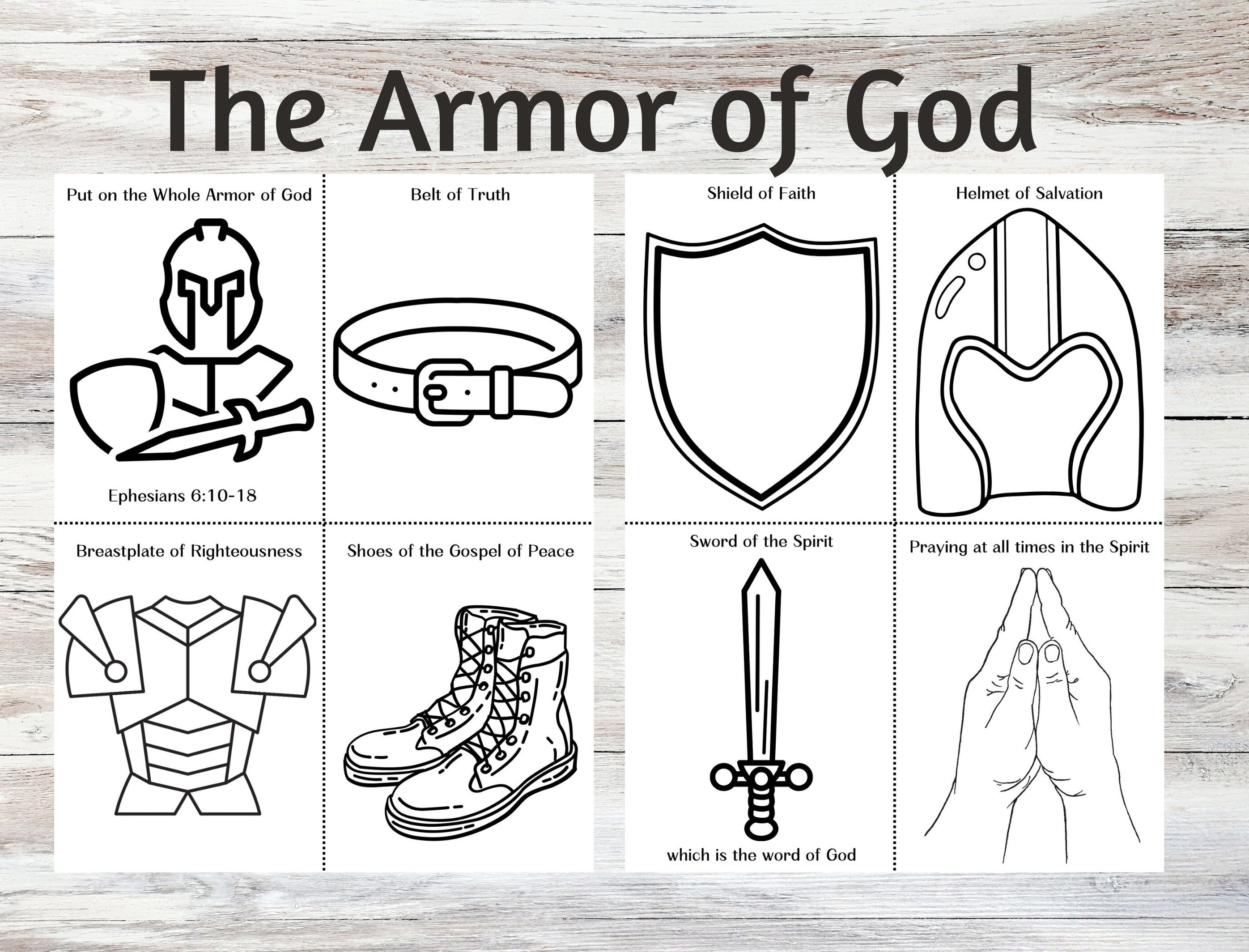
Use basic shapes to outline the sword, shield, breastplate, helmet, sandals, and belt. Keep the design clean so that color zones are distinct. For younger users, larger sections aid in color application, while older users can benefit from finer detail.
Step 3: Integrate Labels and Scripture Verses
Below each armor piece, write its name in bold and place the corresponding verse from Ephesians in smaller font. For example: Shield of Faith (Ephesians 6:16). This dual approach reinforces both the term and its biblical source.
Step 4: Add Thought‑Provoking Questions
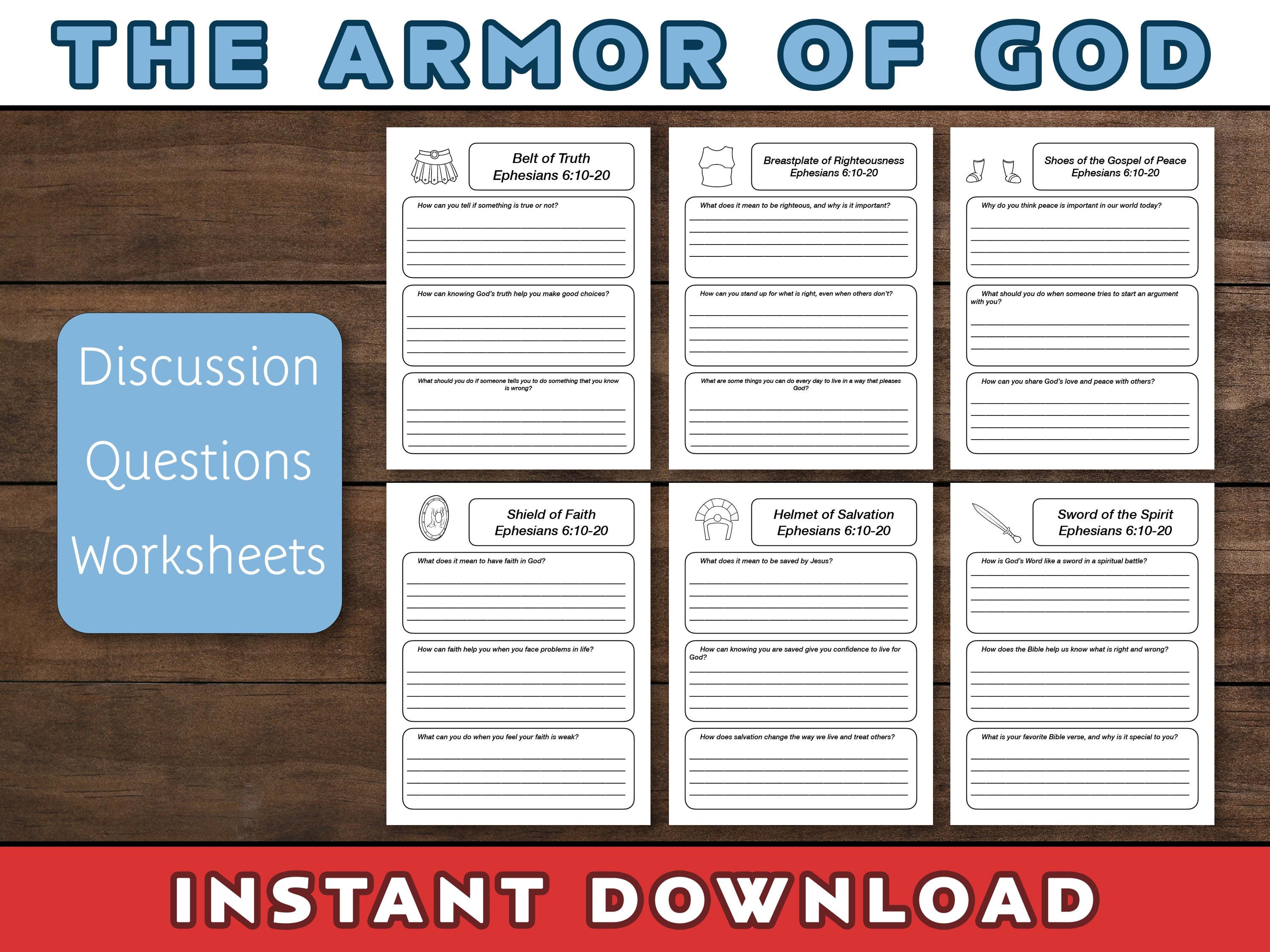
After each labeled section, insert a brief question that prompts reflection. Example: “When you face a difficult decision, which piece of armor do you rely on most?” Such prompts encourage active participation beyond simple completion.
Step 5: Design Printable Layouts
Use a standard A4 or letter template. Ensure margins allow for cutting and binding if necessary. For digital use, export as a PDF with embedded fonts to maintain consistency across devices.
Step 6: Review and Test
Print a sample page and distribute it to a small test group. Observe how users interact, and adjust difficulty levels or instructions accordingly. Feedback loops are essential for creating effective educational tools.
Effective Ways to Incorporate Worksheets into Teaching
Once the worksheets are ready, the next challenge is to integrate them into lesson plans and worship activities. Below are proven methods that align with both educational best practices and cultural expectations.
1. Pre‑Lesson Warm‑Up Activities
Start a Sunday school class with a quick coloring exercise. As students color each piece, the teacher can recite the associated verse, allowing the verse to “stick” visually.
2. Group Discussions
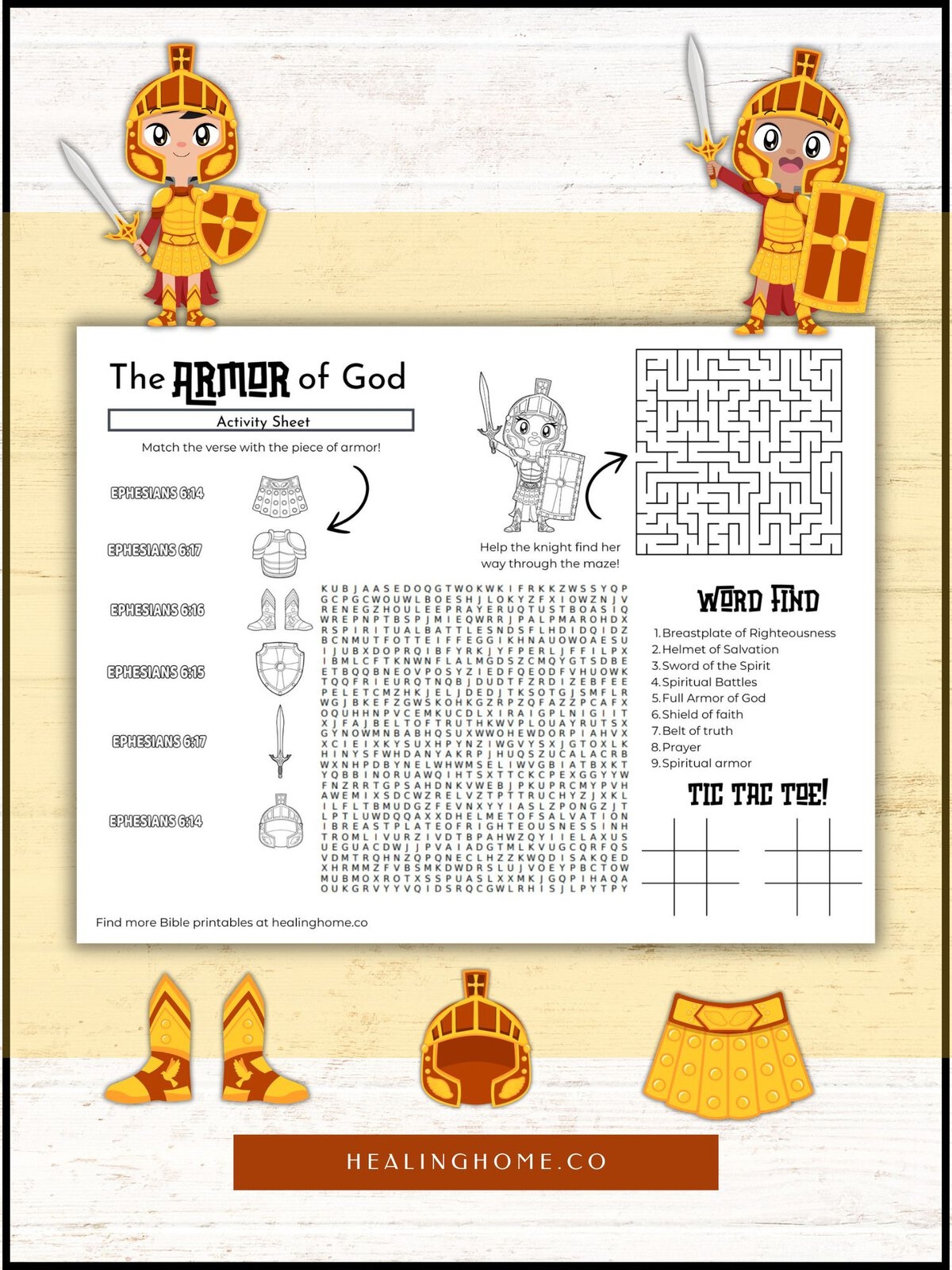
After completing the worksheets, split students into small groups to discuss what each piece means in everyday life. In Asian classrooms, where group harmony is prized, this fosters respectful listening and collective insight.
3. Role‑Playing Scenarios
Assign each group a scenario that requires a particular armor piece. For example, one group may face “fear in a new environment” and discuss how the “helmet of salvation” offers protection. This contextualization bridges abstract theology with real‑world application.
4. Creative Extensions
Encourage learners to create a “Personal Armor” collage using magazine cutouts, fabric swatches, or digital art. This activity taps into Asian creativity and allows individuals to personalize the metaphor.
5. Assessment and Feedback
Use the worksheets as informal assessment tools. Check that labels are correct, verses are accurately matched, and questions are thoughtfully answered. Provide gentle feedback, focusing on encouraging growth rather than penalizing mistakes.
Digital vs. Print: Choosing the Right Medium
Each medium offers distinct advantages. Digital PDFs allow easy distribution via email, learning platforms, or QR codes. Print versions, however, can be used for tactile learning and can be physically stored in prayer journals or community boards.
Digital Advantages
- Instant sharing across large audiences.
- Integration with learning management systems.
- Accessibility features (screen readers, zoom).
Print Advantages
- Hands‑on activity that engages multiple senses.
- Less reliance on technology, which can be critical in areas with limited connectivity.
- Opportunity to create physical artifacts for future reflection.
Adapting the Worksheets for Multicultural Contexts
When working within diverse Asian communities, it’s vital to consider language, cultural symbols, and local examples. Below are strategies for localization.
Language Translation
Provide bilingual labels (English and a local language) so learners who are more comfortable in their native tongue can still engage fully. This also demonstrates respect for linguistic diversity.
Incorporating Local Symbols
Replace generic images with culturally relevant icons. For example, using a lotus as the backdrop for the breastplate may evoke spiritual purity in Buddhist or Hindu contexts.
Contextual Storytelling
Use familiar stories—like the tale of the bamboo tree’s resilience—to illustrate the “shield of faith.” Storytelling is a powerful pedagogical tool in many Asian cultures.
Examples of Successful Implementation
Here are three real‑world scenarios where Armor Of God Worksheets have made a measurable impact.
Case Study 1: Rural Sunday School in Indonesia
Teachers distributed color‑filled worksheets during a week‑long retreat. The activity was followed by a group discussion on how each piece helped them overcome personal fears. Attendance increased by 30% in the following month, indicating heightened engagement.
Case Study 2: Youth Group in Hong Kong
The group used digital PDFs shared via a messaging app. After a 15‑minute coloring session, members posted their reflections on a community forum. The online interaction sparked a 12‑week discussion series, deepening theological conversations.
Case Study 3: Community Center in the Philippines
Adult learners in a community workshop completed worksheets on paper and then used the resulting collages as visual aids in their own faith‑sharing circles. This peer‑led approach empowered participants to take ownership of their spiritual education.
Common Pitfalls and How to Avoid Them
Even well‑intentioned worksheets can fall flat if not thoughtfully designed. Below are typical missteps and quick fixes.
Overloading with Text
Too many words can overwhelm young learners. Keep the text concise and pair it with visual cues.
Ignoring Cultural Sensitivities
Some cultures may find certain images or symbols inappropriate. Conduct a cultural audit before finalizing designs.
Neglecting Accessibility
For visually impaired learners, provide audio narration of the worksheets or offer tactile versions with raised lines.
Failing to Connect Theory with Practice
Without concrete applications, students may treat the material as abstract. Always pair each armor piece with a real‑life scenario.
Final Thoughts and Encouragement
Armor Of God Worksheets PDF are more than just printable activities; they are gateways into a deeper understanding of spiritual resilience. By combining thoughtful design, cultural sensitivity, and engaging teaching methods, these worksheets can transform passive learning into an active, communal journey. Whether you choose to print a vibrant set for a classroom or distribute a polished PDF for personal study, remember that the goal is to equip each learner with the tools to stand firm in faith—one colorful, labeled piece of armor at a time.







Related posts of "Armor Of God Worksheets Pdf"
