4.Nbt.1 Worksheets are essential tools for mastering the fundamentals of place value, a cornerstone of grade‑four numeracy. Whether you’re a teacher looking to reinforce curriculum objectives or a parent aiding a child’s learning at home, the right worksheets can sharpen skills, build confidence, and provide a clear path for assessment.
Understanding the 4.NBT.1 Standard
What the Standard Requires
Grade four students are expected to read, write, and compare whole numbers up to 1,000,000, using place value systems. They must also interpret the meaning of numbers in expanded form, recognize digits’ values within larger numbers, and perform operations with place value as a foundation for further arithmetic. 4.NBT.1 focuses on these core concepts, making it a vital touchstone for classroom progress.
Why Place Value Matters Early On
Mastering place value early provides a scaffold for fractions, decimals, and algebraic thinking later. Without a firm grasp of how each digit contributes to a number’s value, students will struggle with even simple calculations and critical reasoning. Worksheets that emphasize this standard give students repetitive, targeted practice that translates theory into practice.
Categories of 4.Nbt.1 Worksheets
Visual Representation Worksheets
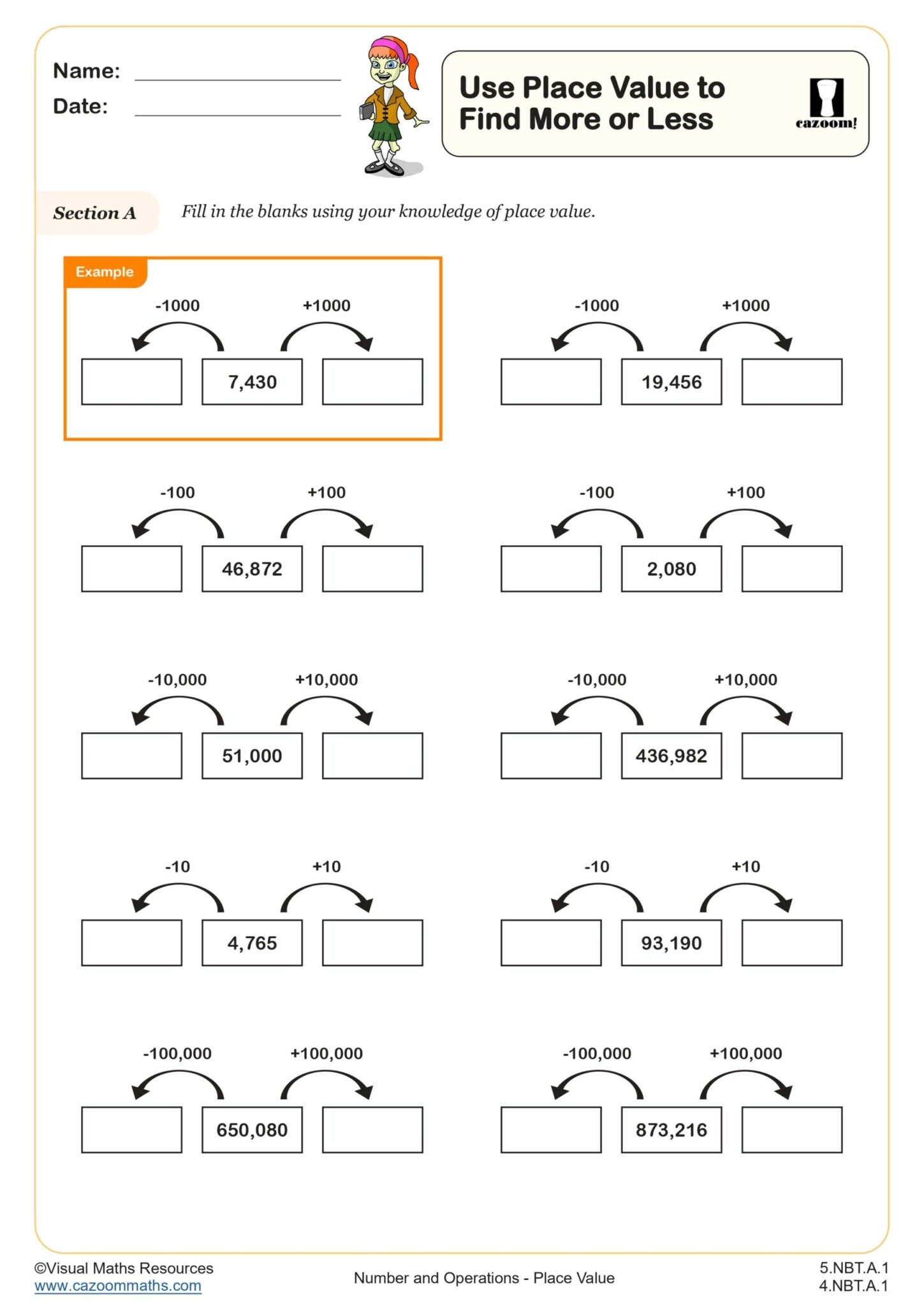
- Number Line Challenges – Students fill gaps in a number line, reinforcing relative sizes and the magnitude of each place value.
- Place Value Towers – Drag‑and‑drop activities where digits are arranged into hundreds, tens, and ones, solidifying their roles in a number.
- Expanded Form Fill‑Ins – Convert a compact number into its expanded form and vice versa, aiding memorization of positional significance.
Comparative and Ordering Worksheets
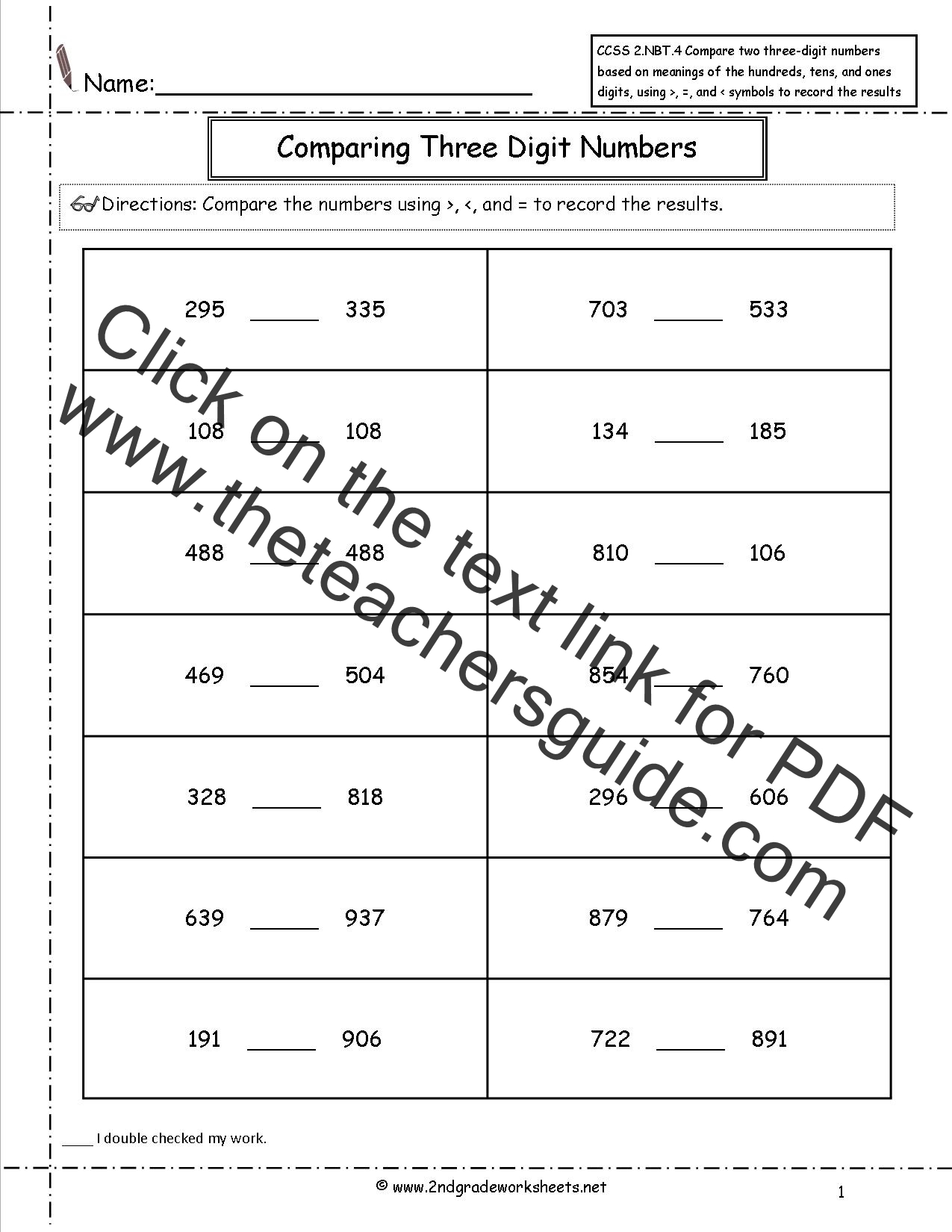
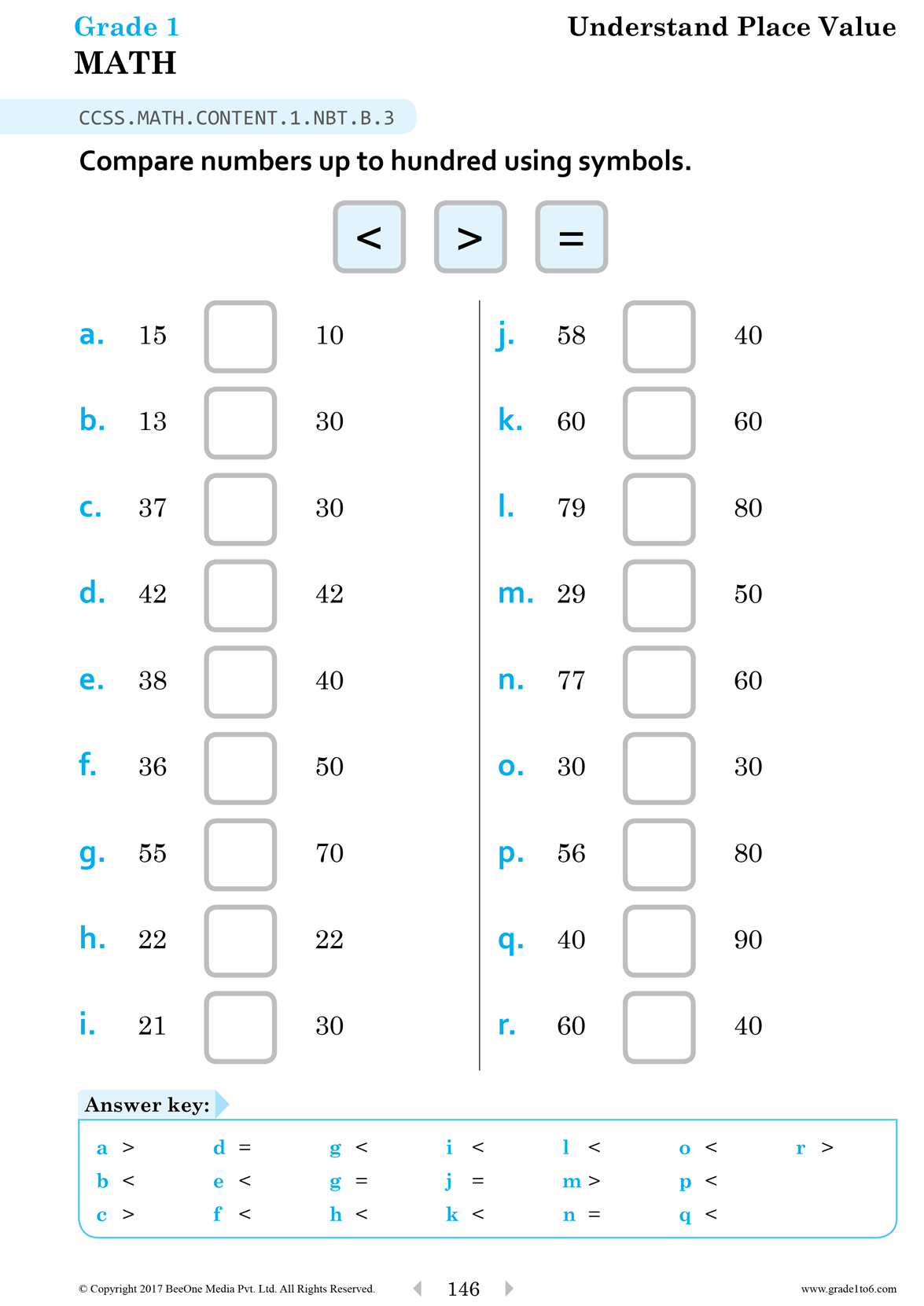
- “Greater or Lesser” comparison cards that require students to use symbols (>, <) based on place value.
- Sorting tasks that arrange numbers from smallest to largest, with emphasis on correctly identifying the leading digit.
- “Which is bigger?” puzzles that use real‑world contexts, such as comparing populations or distances, to keep the exercise relevant.
Problem‑Solving and Application Worksheets
- Word problems that involve reading and writing numbers in written and numeric formats, bridging literacy and numeracy.
- Rounding tasks to the nearest ten, hundred, or thousand, which reinforce the significance of place values when simplifying numbers.
- “Number Match” games where students pair a number with its expanded form, enhancing cognitive connections.
Digital and Interactive Worksheets
- Online quizzes that provide instant feedback, encouraging self‑paced learning.
- Drag‑and‑drop apps that allow students to manipulate digit positions, reinforcing spatial awareness of numeric structures.
- Printable templates that can be turned into hands‑on activities, such as using physical counters or base‑ten blocks.
Effective Strategies for Using 4.Nbt.1 Worksheets
Create a Structured Sequence
Begin with foundational worksheets that introduce the concept of digit positions. Follow these with comparative exercises to solidify understanding before moving into more complex word problems. This progressive layering ensures students build confidence as they advance.
Integrate Real-World Contexts
Incorporate scenarios that resonate with everyday life. For instance, compare the populations of two cities, estimate distances in a map, or calculate the cost of items in a grocery list. Contextualizing place value in tangible situations boosts engagement and comprehension.
Employ Formative Assessment Techniques
Use worksheets not only as practice but as diagnostic tools. Mark errors in place value placement or misinterpretations of expanded forms to pinpoint specific misconceptions. Provide corrective feedback, then revisit those concepts with targeted follow‑up worksheets.
Encourage Collaborative Work
Pair students for “Number Detective” games where each partner reviews the other’s answers. Peer‑reviewing fosters critical thinking and reinforces the underlying logic behind each operation. It also promotes a classroom culture of collective problem‑solving.
Printable vs. Digital: Choosing the Right Format
Printable Worksheets
These are ideal for environments with limited internet access or for teachers who prefer a tactile approach. Physical worksheets can be supplemented with manipulatives such as base‑ten blocks or place value charts, providing a multi‑sensory learning experience.
Digital Worksheets
Online platforms offer adaptive learning pathways, instant scoring, and the ability to track progress over time. For students who thrive on interactive feedback, digital worksheets can simulate a gamified learning environment that keeps motivation high.
Blended Approach
Combining both formats ensures flexibility. Start with a printable activity to ground the concept, then move to a digital quiz for self‑assessment. This blended model caters to diverse learning preferences and maximizes retention.
Common Pitfalls and How to Avoid Them
Overemphasis on Memorization
Students may try to memorize place value rules without understanding them. Use problem‑solving worksheets that require application rather than rote repetition, encouraging reasoning behind each answer.
Neglecting Error Analysis
Providing a worksheet without a follow‑up review can turn mistakes into ingrained habits. After each exercise, analyze errors as a class, discuss alternative approaches, and redistribute corrected worksheets for self‑practice.
Inconsistent Difficulty Levels
Too easy worksheets may bore advanced students, while overly challenging ones can cause frustration. Align worksheet difficulty with the student’s current mastery level, gradually increasing complexity as competence grows.
Lack of Variety in Contexts
Repetitive number lines or generic “fill in the blanks” tasks can dull interest. Rotate themes—financial, spatial, temporal—to keep content fresh and relevant.
Integrating 4.Nbt.1 Worksheets Into the Curriculum
Unit Planning
Plan a 4‑week block where the first week focuses on digit recognition, the second on expanded form, the third on comparison, and the fourth on application through word problems. Assign worksheets accordingly, ensuring that each week’s end culminates in a cumulative assessment.
Cross‑Curricular Connections
Link place value lessons with science units on measurement or history units on census data. For example, students can calculate the population growth between two years, applying rounding and comparison skills from 4.NBT.1.
Parental Involvement
Provide parents with a simple guide on how to use worksheets at home. Suggest short, focused sessions of 10–15 minutes to avoid fatigue. Encourage parents to discuss the numbers they see around them, such as prices on a receipt or distances on a road trip, to reinforce learning outside school.
Assessment and Reflection
Self‑Assessment Tools
Include a checklist where students can tick off mastered skills after completing each worksheet set. This encourages metacognition, helping learners recognize areas needing further practice.
Progress Tracking Charts
Use visual trackers such as color‑coded charts to display improvement over time. When students see tangible progress, motivation increases, leading to higher engagement.
Teacher Reflection Questions
- Did students correctly identify place values in all problems?
- Were there consistent misconceptions that need revisiting?
- How did students handle the transition from numeric to expanded forms?
- What contextual themes resonated most with the class?
Conclusion
Mastering 4.Nbt.1 Worksheets equips students with a robust foundation in place value, setting the stage for advanced mathematical concepts and everyday problem solving. By selecting diverse worksheet formats, integrating real‑world contexts, and employing systematic assessment strategies, educators and parents can create a dynamic, engaging learning environment. Remember that the goal extends beyond rote practice: it is to cultivate a deep, intuitive understanding of how numbers function and interact. With consistent, thoughtful application of these worksheets, students will not only meet the curriculum standard but also develop a lifelong confidence in their numerical abilities.





Related posts of "4.Nbt.1 Worksheets"
