2nd Grade Social Studies Worksheets are more than just paper and ink; they’re windows into the past, maps to the present, and tools for building critical thinking in young learners. As a parent or teacher, you’ll find that the right worksheets can transform a routine lesson into an adventure where children not only learn facts but also develop empathy, curiosity, and a sense of belonging. Below is a complete guide that walks you through selecting, customizing, and maximizing the impact of these worksheets, ensuring every 2nd grader’s social studies journey is engaging and effective.
Why 2nd Grade Social Studies Worksheets Matter
Building Foundations for Lifelong Learning
At the second‑grade level, students are transitioning from the basic “who, what, where” questions of first grade to more complex concepts such as cause and effect, community roles, and the importance of geography. Worksheets provide structured practice that reinforces new vocabulary, solidifies reading comprehension, and introduces early research skills. When students repeatedly engage with these tasks, they build a robust foundation that supports higher‑order thinking later in school.
Connecting Classroom to Home
Unlike in some subjects, social studies offers tangible relevance to everyday life. Worksheets that include maps, local history, or cultural traditions allow students to relate classroom lessons to their own experiences. This connection boosts motivation because students see the value of what they’re learning beyond the board and notebook.
Assessing Understanding in a Low‑Pressure Way
Traditional tests can feel intimidating for 2nd graders. Worksheets act as formative assessments that provide instant feedback. They enable teachers and parents to spot misconceptions early, tailor instruction, and celebrate progress without the stress of high stakes.
Choosing the Right Worksheets for Your Student
Match Content to Curriculum Standards
Before selecting any resource, review your state or national social studies standards. Worksheets that align directly with these benchmarks will ensure that you’re reinforcing required skills such as identifying geographical features or understanding community helpers.
Consider Skill Levels and Differentiation
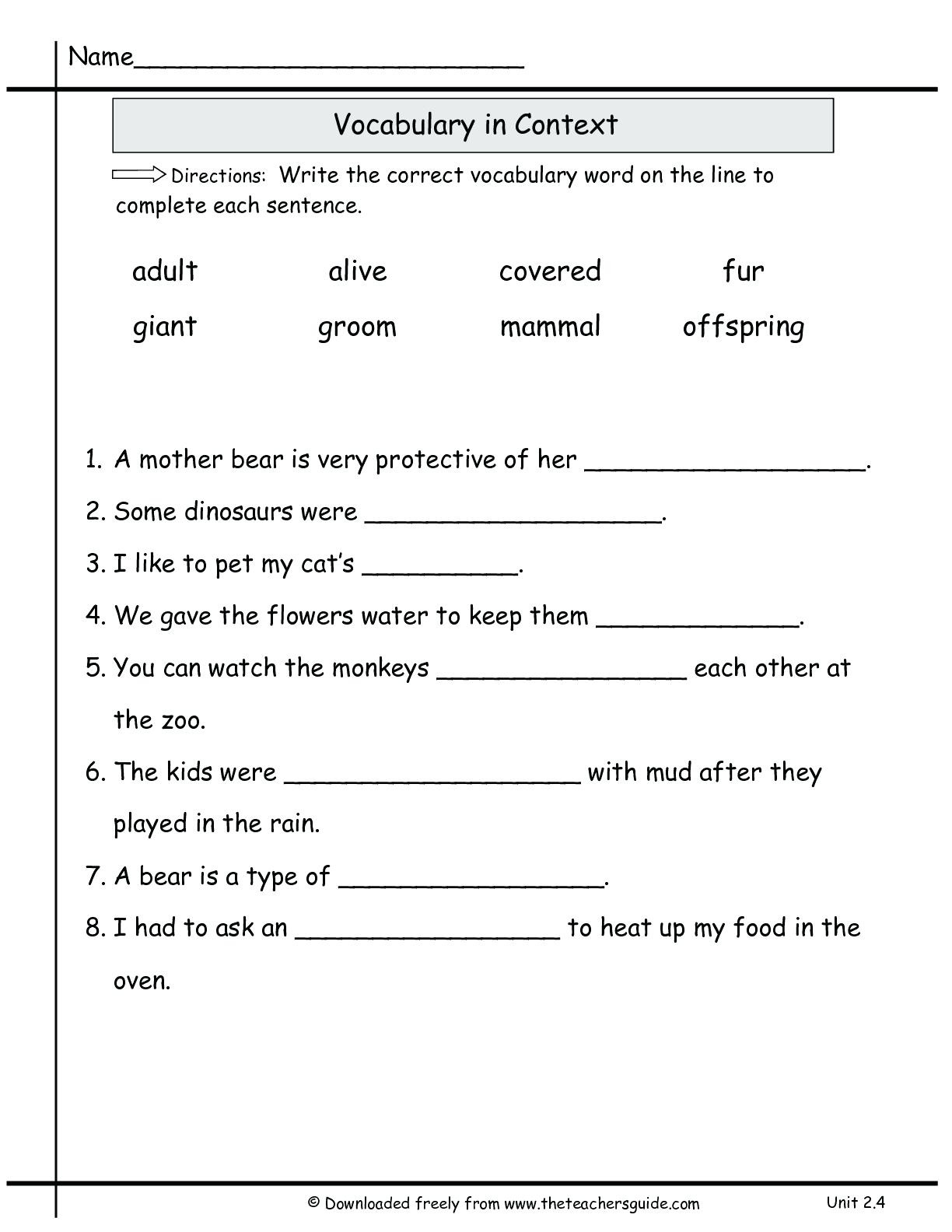
Every child’s reading and comprehension level varies. Look for worksheets that offer multiple difficulty levels or optional extensions. A simple “fill‑in‑the‑blank” for struggling readers can be paired with a richer “create a story” task for advanced learners.
Look for Visual Appeal and Clear Instructions
Engaging graphics, color‑coded sections, and concise instructions help maintain focus. When a worksheet is visually cluttered, even the most motivated student can feel overwhelmed. Prioritize designs that guide the learner from question to answer smoothly.
How to Use Worksheets Effectively
Integrate Before, During, and After the Lesson
- Before: Use a quick worksheet to activate prior knowledge—ask students to match a picture of a landmark with its name.
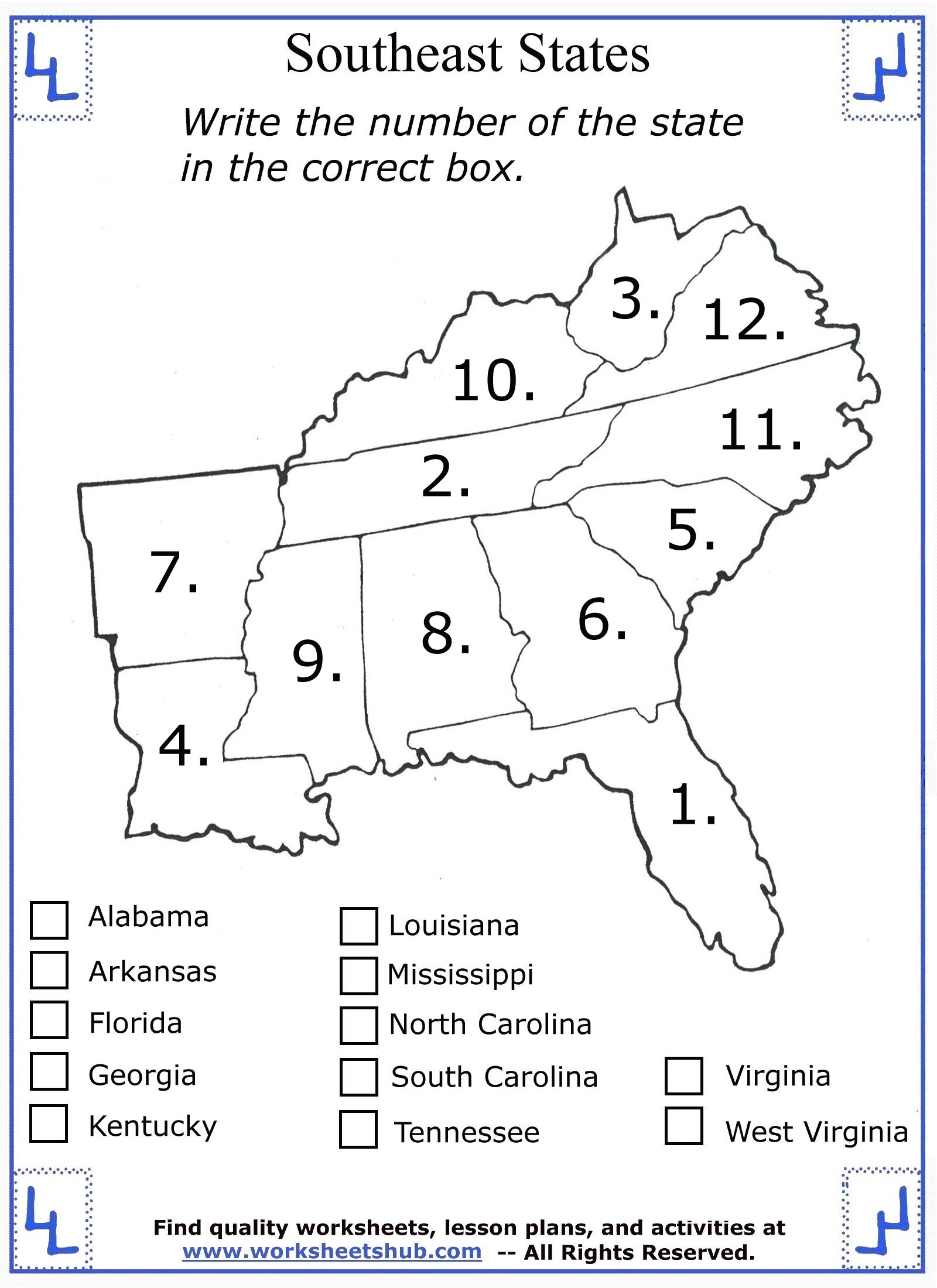
- During: Incorporate interactive segments mid‑lesson, such as labeling a map while the teacher discusses geographical concepts.
- After: Assign follow‑up worksheets that challenge students to apply what they’ve learned, for example, drafting a short paragraph about a local community leader.
Provide Guided Practice Initially
When students first encounter a new topic, walk through a worksheet together. Highlight key terms, model how to read a diagram, and discuss possible answers. This scaffolding reduces confusion and sets the stage for independent completion.
Encourage Peer Collaboration
Pair students for group worksheet activities. They can compare answers, discuss differences, and build communication skills. Collaboration also reduces the “all or nothing” anxiety that can accompany worksheet work.
Use Digital Worksheets for Immediate Feedback
When technology is available, digital worksheets can automatically grade multiple‑choice or true/false questions. Teachers can instantly see which concepts need reteaching while students receive instant confirmation of correct answers.
Common Themes and Topics
Geography and Map Skills
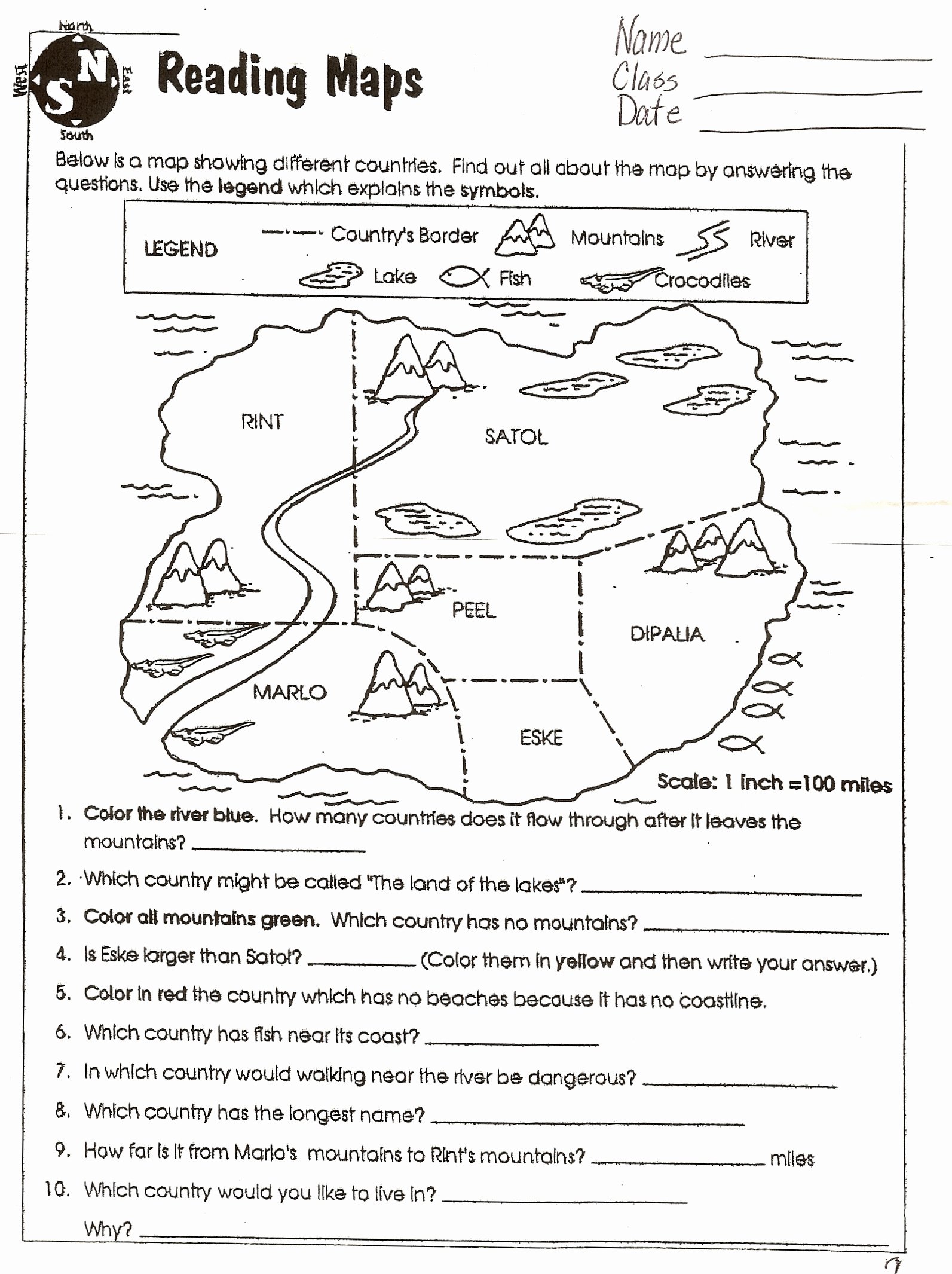
Second‑graders explore state maps, continents, and simple coordinate grids. Worksheets may ask students to locate their own town, identify cardinal directions, or label a blank map with local landmarks. Practical exercises, such as plotting a treasure map for a class project, deepen spatial reasoning.
Community and Civic Responsibilities
Activities that introduce community helpers—firefighters, librarians, teachers, and police officers—help children understand how society functions. Worksheets might feature matching activities where students pair job titles with responsibilities or write short reflections on how a helper contributes to their neighborhood.
Culture and Traditions
Exploring family traditions, holiday customs, and cultural festivals broadens empathy and global awareness. Worksheets can involve comparing how different cultures celebrate a shared holiday or identifying key artifacts from a particular tradition.
Historical Figures and Simple Timelines
Introducing early American pioneers, presidents, or local heroes allows students to build chronological thinking. Worksheets that ask students to arrange events or describe a figure’s impact help them grasp cause and effect.
Government and Citizenship Basics
Even at this age, learners can grasp the idea of rules and responsibilities. Worksheets that involve sorting public laws, recognizing right‑to‑vote symbols, or simulating a “class council” make abstract concepts tangible.
Creative Ways to Keep Students Engaged
Gamify Worksheet Completion
Turn worksheet tasks into mini‑games—such as “race to the correct answer” or “matching memory” games. Award stickers or points for completed sections to motivate a healthy competitive spirit.
Incorporate Storytelling
Ask students to write a short narrative about a historical figure’s day or a community event. This encourages creativity while reinforcing factual content.
Use Interactive Story Maps
Provide a blank map of a fictional town and have students draw routes that a delivery person might take. This hands‑on activity merges geography with problem‑solving.
Pair with Real‑World Projects
After completing worksheets on local history, have students create a “time capsule” for their class, filling it with items that represent their town’s identity. They can present the capsule to classmates, linking worksheet learning to tangible artifacts.
Printable Resources and Customization
Free Printable Worksheets
Numerous educators offer downloadable worksheets that cover everything from simple matching to complex research projects. These resources are often grouped by theme, making it easy to find materials that align with the current unit.
Adapt Existing Worksheets
Instead of creating new content from scratch, tweak a template: change the names of historical figures, alter map details, or adjust questions to match your local context. This personalization keeps the material fresh and relevant.
Use Editable PDFs
Editable PDF worksheets allow students to type in responses or highlight answers with a digital pen. They can also be printed in various sizes for classroom or home use.
Incorporate Multimedia Elements
Insert hyperlinks to short videos or interactive maps into digital worksheets. While you cannot embed URLs directly in your text, you can recommend that students access online maps or virtual museum tours for a richer experience.
Assessing Progress with Worksheet Activities
Create a Tracking Sheet
Maintain a simple spreadsheet or chart where each student’s worksheet score is recorded. This visual progress tracker helps students see growth and identifies areas that need additional support.
Use Reflective Questions
After a worksheet, ask students to write one thing they learned and one question they still have. This promotes metacognition and gives you insight into their thinking.
Peer Review Sessions
Have students exchange worksheets and provide constructive feedback based on a rubric. This encourages critical evaluation and reinforces learning objectives.
Integrating Technology and Digital Tools
Interactive Whiteboards
Project a worksheet on a smart board and let students solve it in groups. Digital pens or touchscreens allow for collaborative marking and instant corrections.
Online Quizzes
Convert worksheet questions into a short quiz format on a learning management system. This offers immediate grading, and the platform can generate reports for quick assessment.
Virtual Field Trips
Pair a worksheet about a historical site with a virtual tour. Students can annotate their worksheets based on what they see, blending visual learning with written reflection.
Parental Involvement Tips
Encourage Daily Review Sessions
Allocate 10–15 minutes each evening where parents and children review worksheet answers together. This reinforces retention and builds a routine.
Celebrate Milestones
When a student completes a challenging worksheet, celebrate with a small reward—like a sticker chart or a family outing. Positive reinforcement fuels continued engagement.
Provide Guidance, Not Answers
Rather than solving the worksheet for them, parents can guide their child through critical thinking steps—asking “What do you think this word means?” or “How can we find this on the map?”
Use Worksheets as Conversation Starters
After completing a cultural worksheet, discuss the holiday or tradition with your child. Share personal anecdotes or local stories to create a meaningful dialogue about diversity.
Conclusion
When thoughtfully chosen and creatively integrated, 2nd Grade Social Studies Worksheets become powerful tools that nurture curiosity, reinforce foundational concepts, and build confidence in young learners. By aligning worksheets with standards, diversifying difficulty, and combining them with engaging activities—whether gamified, collaborative, or tech‑enhanced—you create a learning environment that is both educational and enjoyable. Parents, teachers, and students alike benefit from a balanced approach that celebrates progress, encourages exploration, and lays the groundwork for a lifelong love of social studies. Let these worksheets be the stepping stones that guide each child toward becoming an informed, thoughtful participant in the tapestry of history and community.






Related posts of "2nd Grade Social Studies Worksheets"
