2nd Grade Fraction Worksheets are the secret sauce that transforms a shy, hesitant learner into a confident fraction explorer, and they do it with a blend of visual fun and hands‑on practice that feels just like play. When I first sat down with my own second‑grader, the excitement on his face as he matched pizza slices to the right fraction was priceless, and that moment sparked my lifelong quest to find the very best resources that keep kids engaged while mastering the building blocks of mathematics. In this guide, I’ll walk you through everything you need to know to select, use, and enhance fraction worksheets so they become a natural, enjoyable part of your child’s learning routine.
Why Fractions Matter Early On
Introducing fractions in second grade isn’t about diving into complex algebraic concepts; it’s about laying a concrete foundation for everyday reasoning. Young learners begin to see fractions everywhere—from sharing a snack to dividing a storybook into parts—so mastering the idea of “one half” or “one quarter” builds spatial awareness, logical thinking, and problem‑solving confidence.
Research shows that early exposure to fraction concepts correlates with stronger performance in later math courses, particularly geometry and ratios. By giving kids a solid, visual sense of part‑whole relationships now, you’re setting them up for long‑term success while also making math feel relevant to their daily lives.
Choosing the Right Fraction Worksheets
Not all worksheets are created equal. The most effective ones share three core qualities: visual appeal, progressive difficulty, and real‑world context. Below are the key factors to keep an eye on when you browse for printable resources.
Visual Appeal and Layout
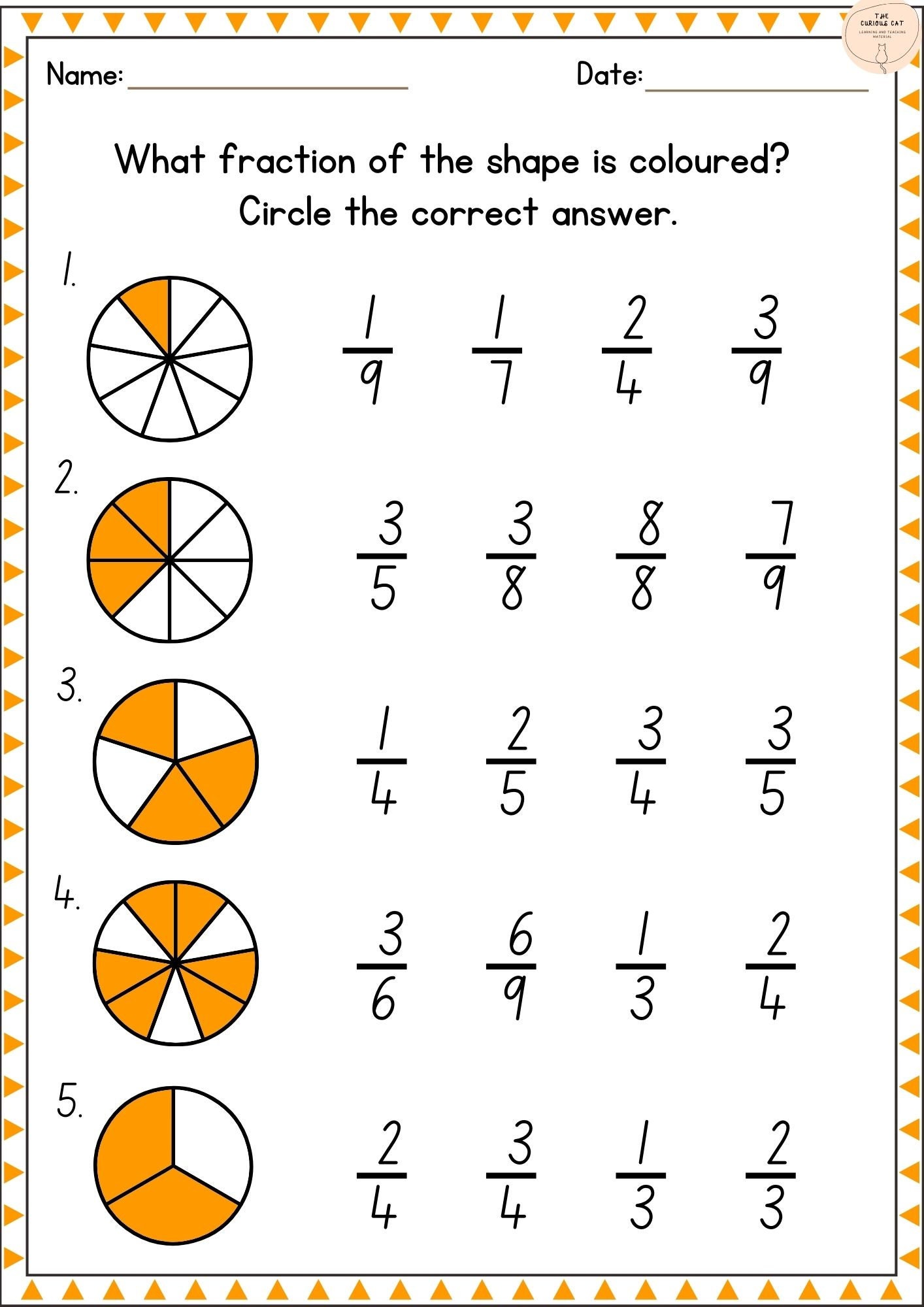
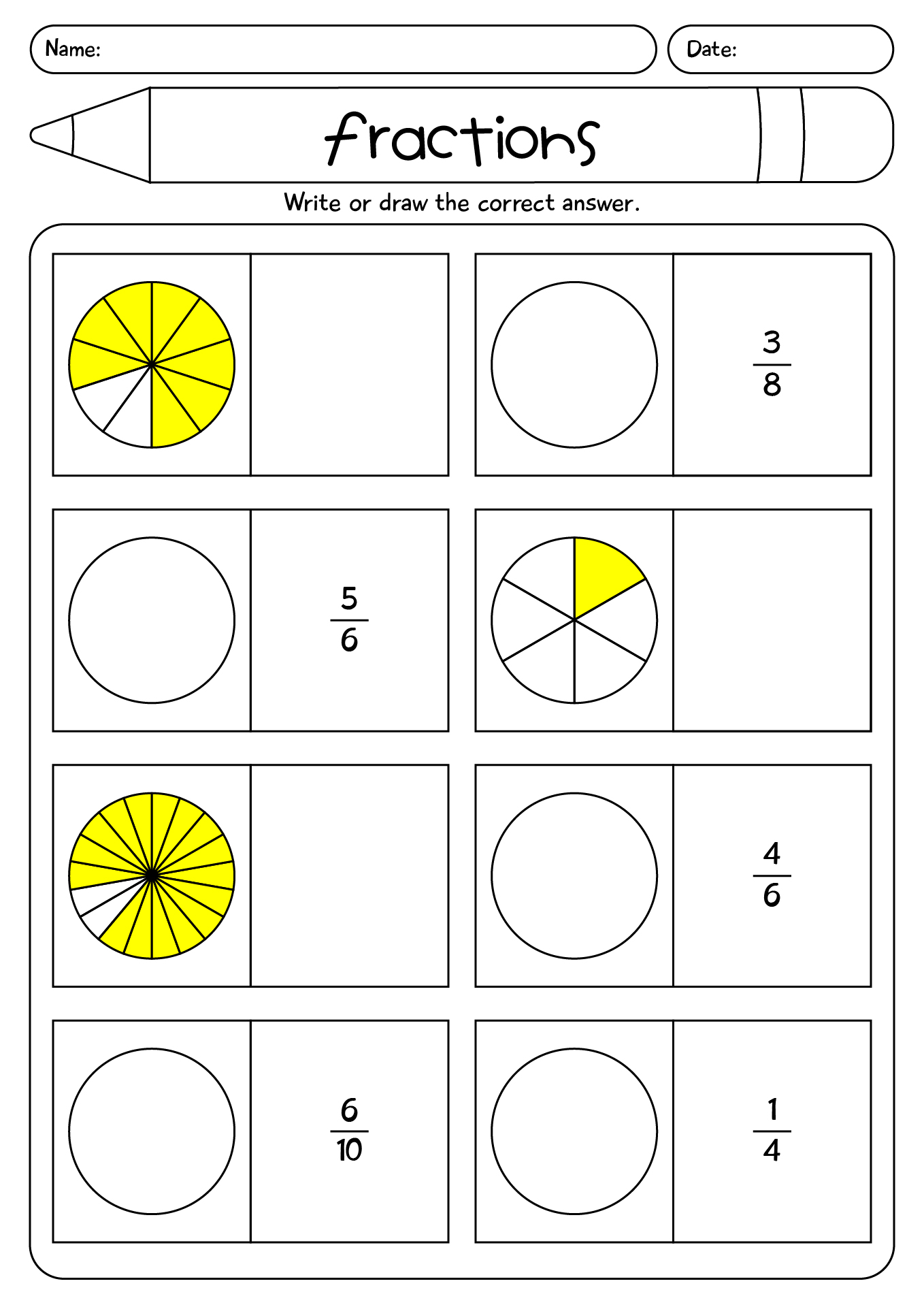
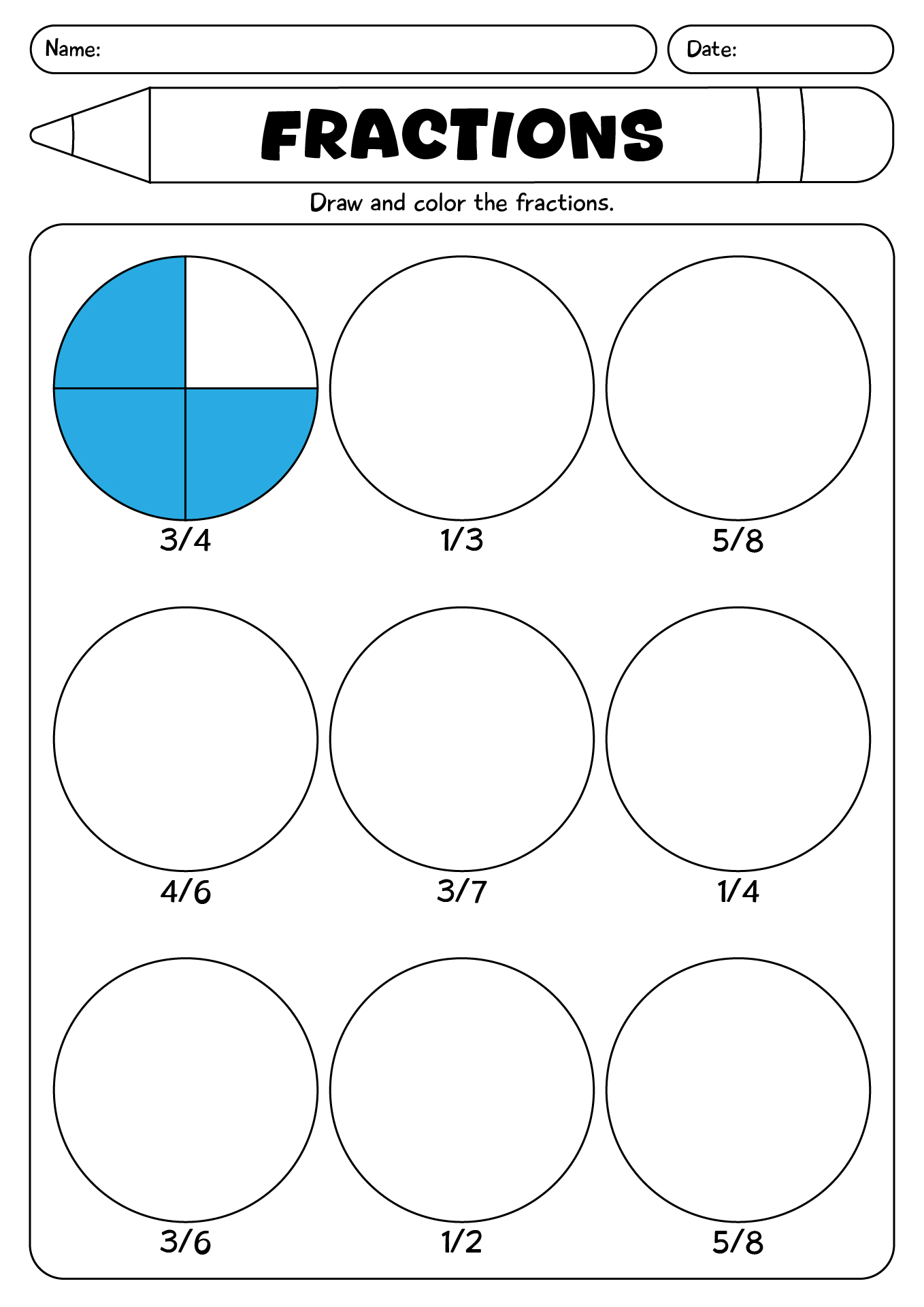
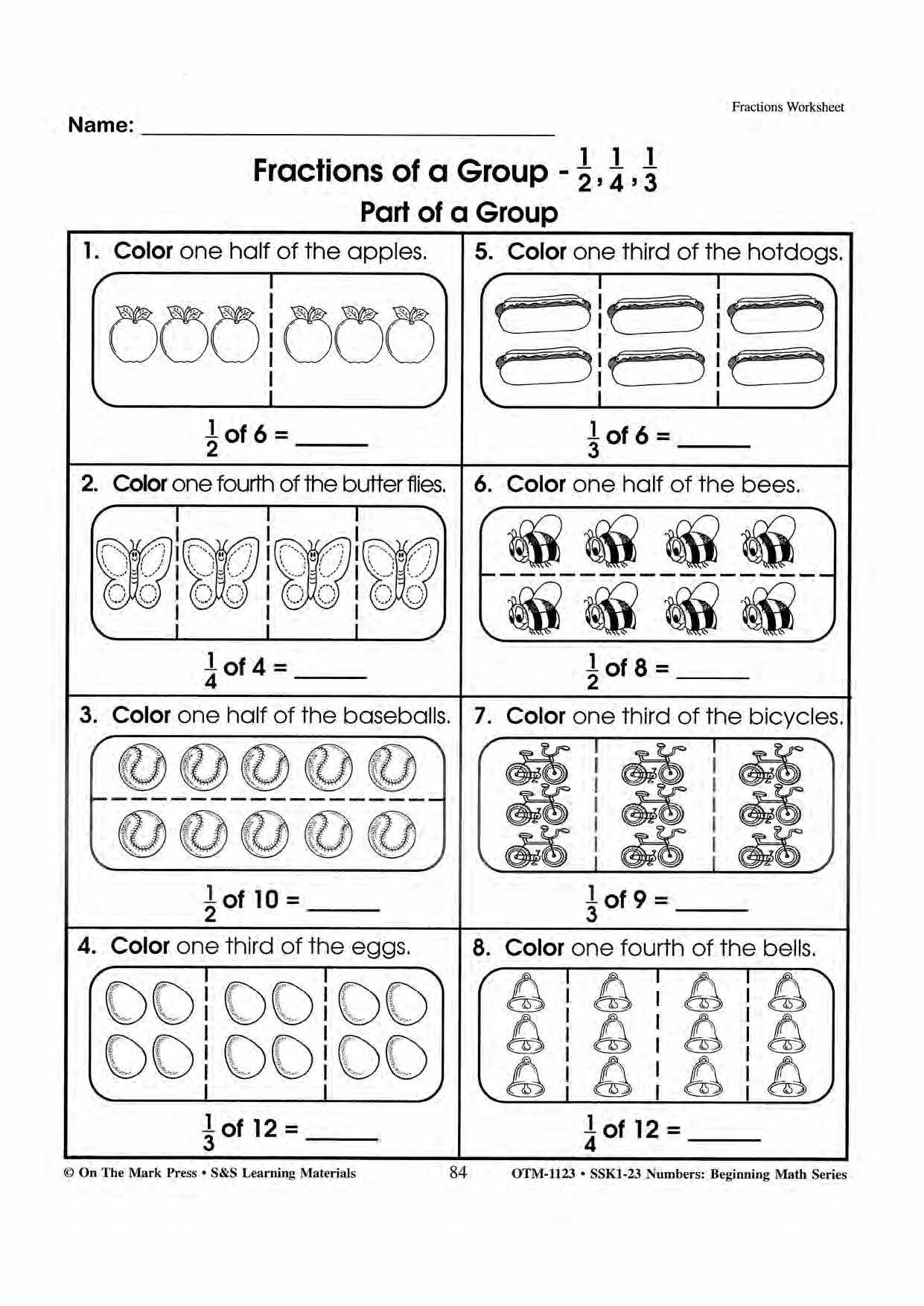
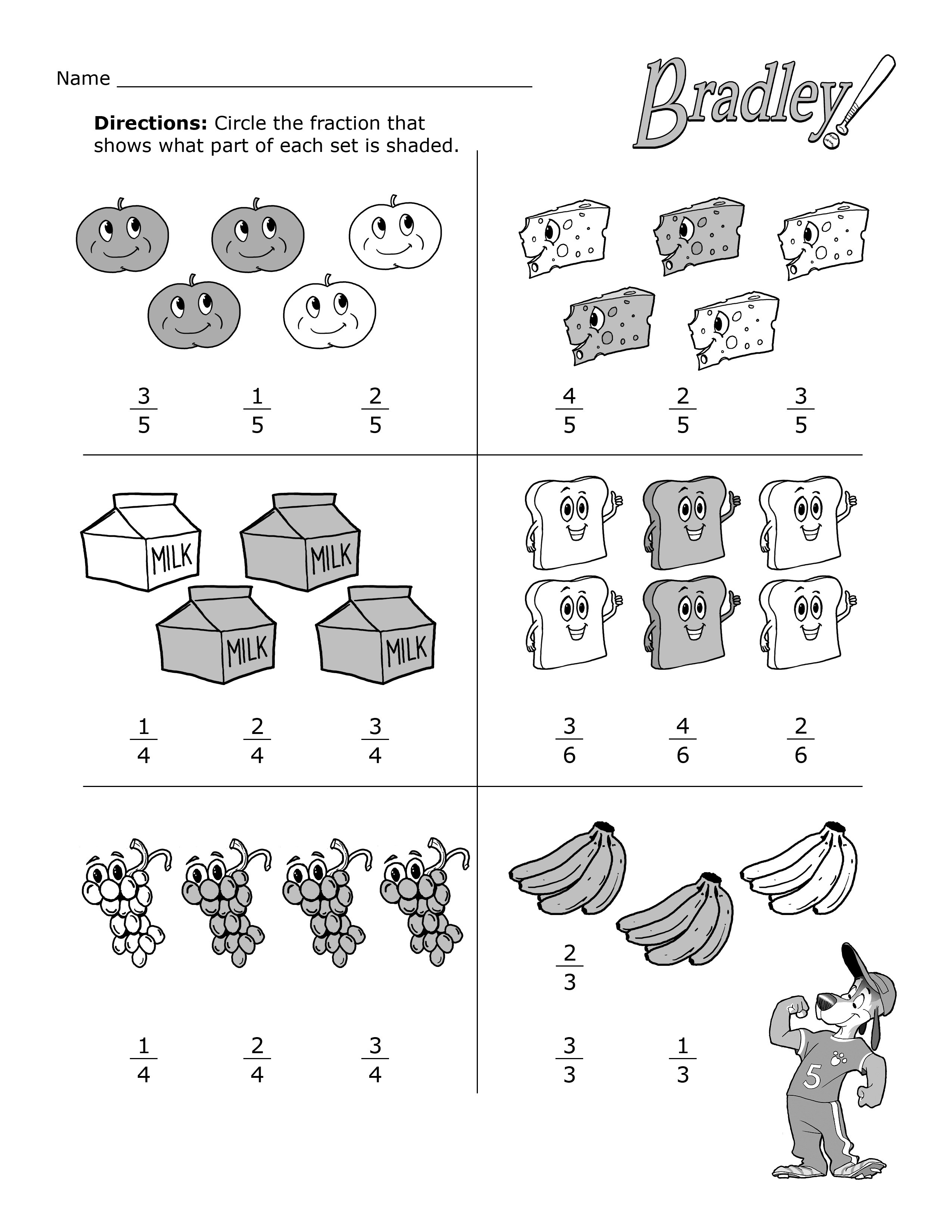
Second graders are visual learners; bright colors, clear fonts, and recognizable objects (like pizza slices, fruit, or LEGO blocks) keep their attention focused. Look for worksheets that use large, simple graphics rather than dense text blocks. A clean layout with ample white space helps children process each problem without feeling overwhelmed.
Progressive Difficulty
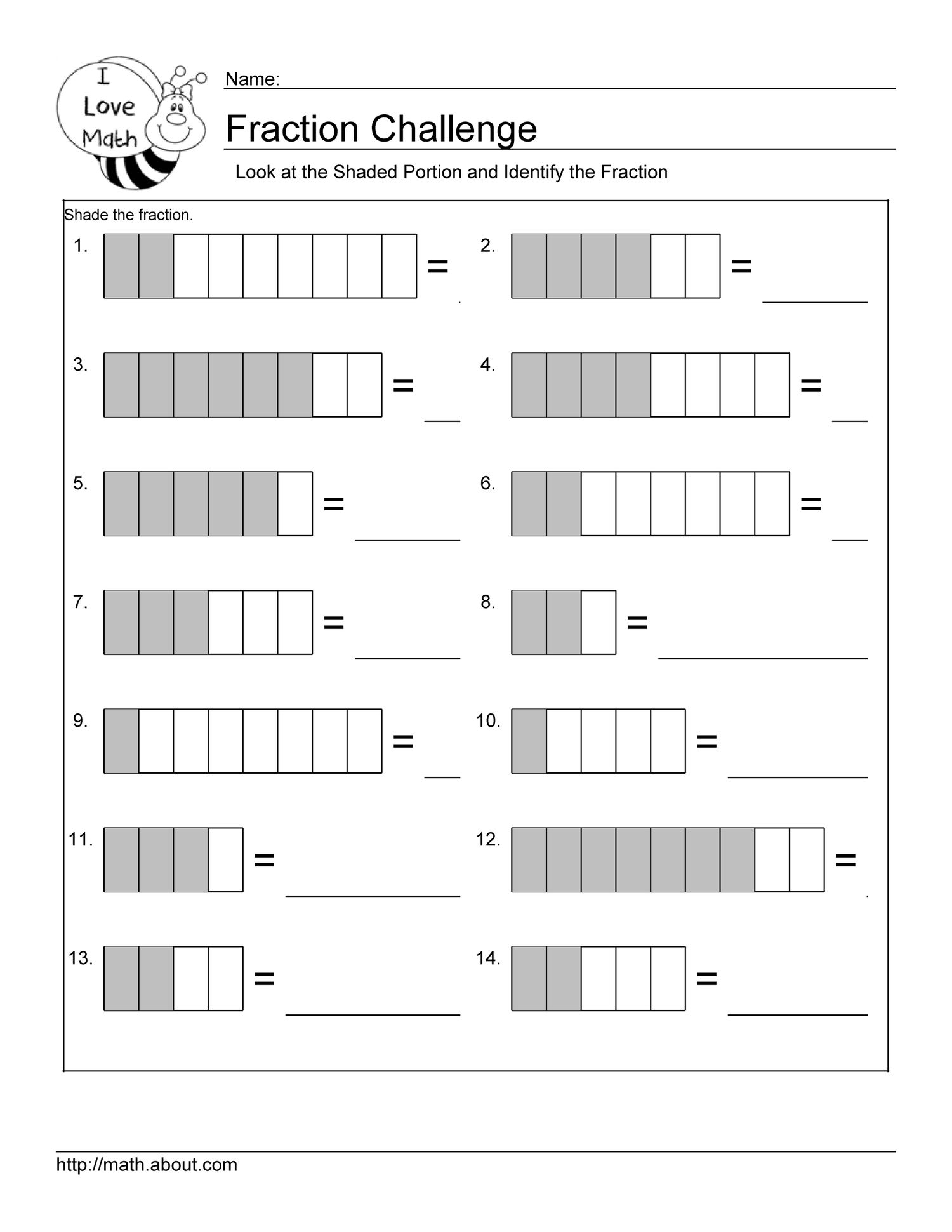
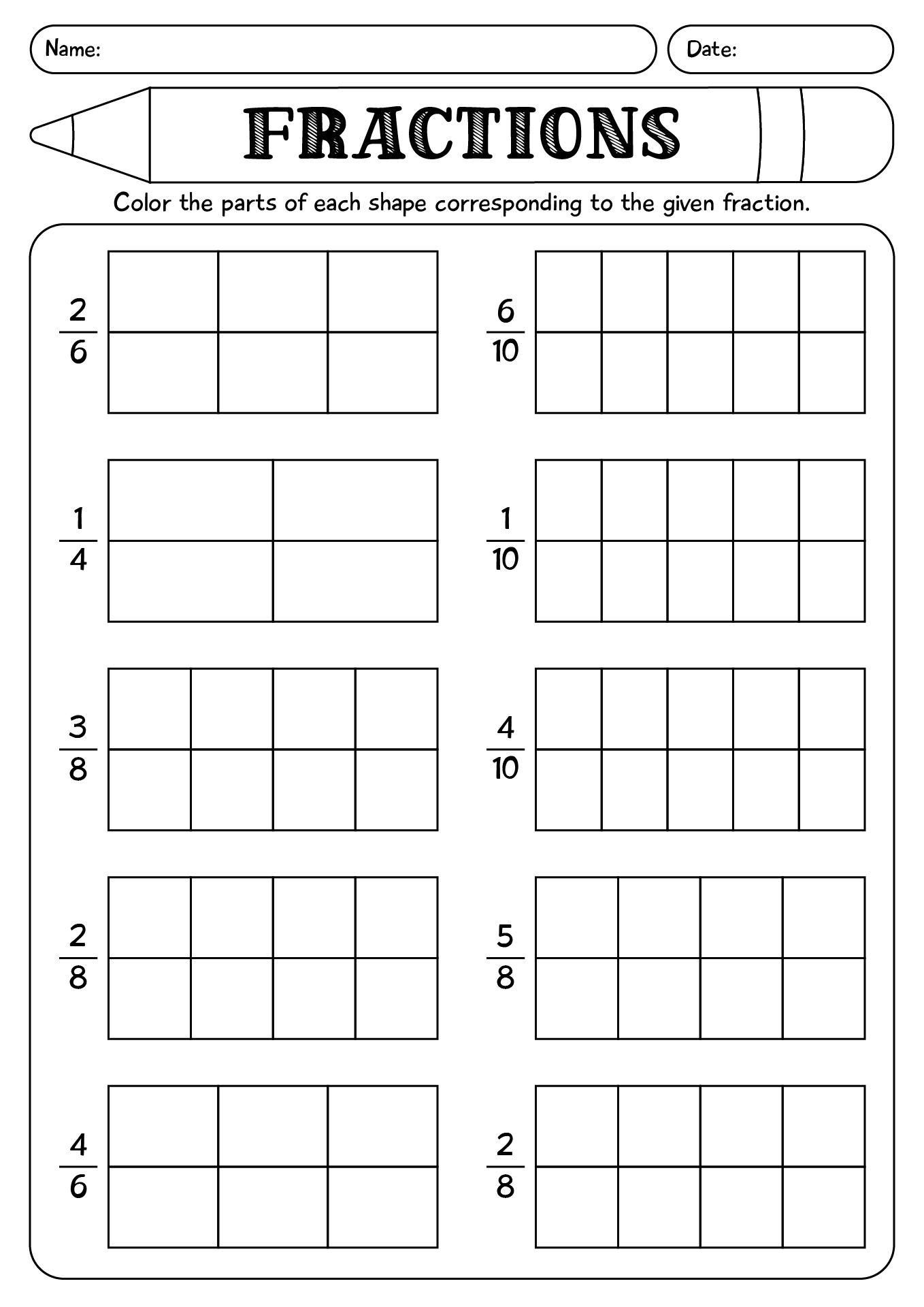
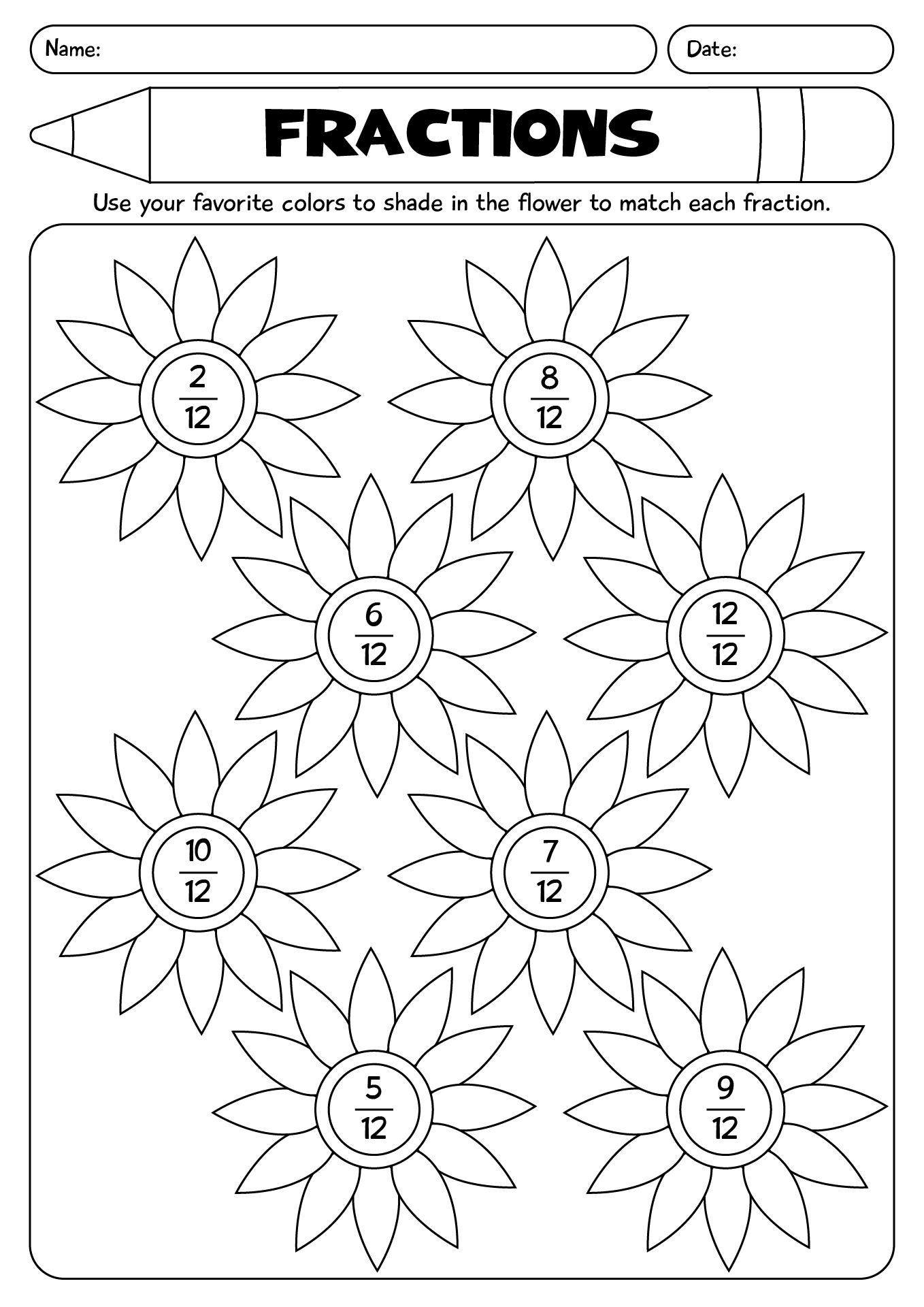
Start with whole‑number fractions (e.g., “What part of the circle is shaded?”) before moving to equivalent fractions, simple addition, and subtraction. A good series will begin with 1/2, 1/3, and 1/4, then introduce 2/4, 3/4, and eventually ask students to compare fractions using “greater than” or “less than” symbols. This step‑by‑step progression ensures mastery at each stage before the next challenge appears.
Real‑World Context
When worksheets tie problems to familiar scenarios—like sharing a pack of crayons or cutting a sandwich—the abstract concept becomes concrete. Ask yourself, “Would my child understand this without explanation?” If the answer is yes, the worksheet is likely a strong candidate.
How to Use Fraction Worksheets Effectively
Simply handing a worksheet to a child and expecting mastery seldom works. Here’s a proven routine that turns a static page into an interactive learning experience.
Preview and Discuss
Before diving into the problems, skim the worksheet together. Identify the objective (“Today we’ll learn how to find one half of a shape”) and preview any new vocabulary. This preview primes the brain for new information and reduces anxiety.
Model the Process
Pick the first problem and solve it aloud, narrating each thought: “I see a circle split into two equal parts, and the shaded part covers one of those halves, so the fraction is 1/2.” Use a physical object—like a cut‑out circle—to demonstrate the concept. Modeling provides a clear template for the child to follow.
Guided Practice
Work through the next few problems together, gradually reducing assistance. Prompt the child with leading questions (“How many equal pieces are there in total?” “Which pieces are shaded?”) to encourage independent thinking while still providing a safety net.
Independent Work
After a few guided examples, let the child attempt a set of problems alone. Keep the atmosphere relaxed; praise effort and correct mistakes gently. This phase builds confidence and reinforces retention.
Review and Reflect
When the worksheet is complete, discuss what was easy and what felt tricky. Encourage the child to articulate the strategies they used. Reflection solidifies learning and highlights areas that may need additional practice.
Creative Activities to Reinforce Fractions
Worksheets are fantastic, but pairing them with hands‑on activities amplifies understanding. Here are three classroom‑ or home‑friendly ideas that complement any fraction worksheet.
Fraction Food Party
Gather a selection of snack foods—apple slices, crackers, cheese cubes—and ask children to create fractions on their plates. For example, “Place 3 out of 6 crackers on your plate. What fraction is that?” Kids love eating while learning, and the tactile experience makes the abstract concept tangible.
DIY Fraction Strips
Using colored paper, cut strips into equal parts (halves, thirds, quarters). Label each segment and have children arrange strips to represent given fractions or to combine them into wholes. This activity builds visual‑spatial reasoning and offers a reusable tool for future lessons.
Story Problems with Real Objects
Create short narratives that involve sharing items: “Samantha has 4 cookies and wants to give an equal share to her two friends. How many cookies does each friend get?” Have children act out the story with real objects, then record the fraction on a worksheet. Storytelling adds context and makes math memorable.
Common Challenges and Solutions
Even the most engaging worksheets can trip up learners. Anticipating these hurdles lets you intervene quickly and keep progress on track.
Confusing Numerator and Denominator
Many second graders mix up which number goes on top (the part) and which goes on the bottom (the whole). Use the phrase “top tells you how many parts you have; bottom tells you how many parts make a whole.” Reinforce this with visual cues—place the numerator on a highlighted portion of a shape and the denominator on the entire shape.
Difficulty Visualizing Equal Parts
If a child struggles to see equal divisions, provide manipulatives like fraction circles or split‑up paper plates. Let them physically divide the object themselves; the kinesthetic experience cements the idea of equality.
Overwhelming Word Problems
Word problems can feel like a double challenge—reading comprehension plus math. Simplify the language, underline key numbers, and ask the child to rephrase the problem in their own words before solving. This step breaks the barrier and improves comprehension.
Tips for Parents and Teachers
Whether you’re a parent juggling homework or a teacher planning a curriculum, these actionable tips keep fraction learning smooth and enjoyable.
Set a Consistent Routine
Allocate a short, regular time slot—10 to 15 minutes—each day for fraction practice. Consistency beats marathon sessions, and a predictable schedule helps children develop a habit.
Mix Formats
Alternate between printable worksheets, digital games, and hands‑on activities. Variety keeps motivation high and addresses different learning styles.
Celebrate Small Wins
Every time a child correctly identifies a fraction, give specific praise: “Great job noticing that 3 out of 6 pieces is exactly half!” Positive reinforcement encourages a growth mindset.
Use Real‑Life Opportunities
Turn daily routines into fraction lessons—cutting a sandwich, measuring water, or dividing a stack of cards. The more often kids see fractions in action, the more intuitive the concept becomes.
Track Progress
Maintain a simple log of completed worksheets, noting which concepts were mastered and which need review. This record helps you tailor future practice and provides a sense of accomplishment for the learner.
Conclusion
Incorporating 2nd Grade Fraction Worksheets into a balanced mix of visual, tactile, and real‑world experiences turns a potentially intimidating topic into a delightful adventure. By choosing worksheets that are visually appealing, progressively challenging, and grounded in everyday contexts, you give young learners the tools they need to grasp part‑whole relationships early on. Pair those worksheets with guided practice, reflective review, and creative activities, and you’ll see confidence blossom alongside competence. Remember, the goal isn’t just to complete a page of problems—it’s to nurture a lifelong curiosity about numbers and how they shape the world. With the strategies, tips, and activities outlined here, you’re well equipped to make fractions a favorite part of your second grader’s math journey.









Related posts of "2nd Grade Fraction Worksheets"
