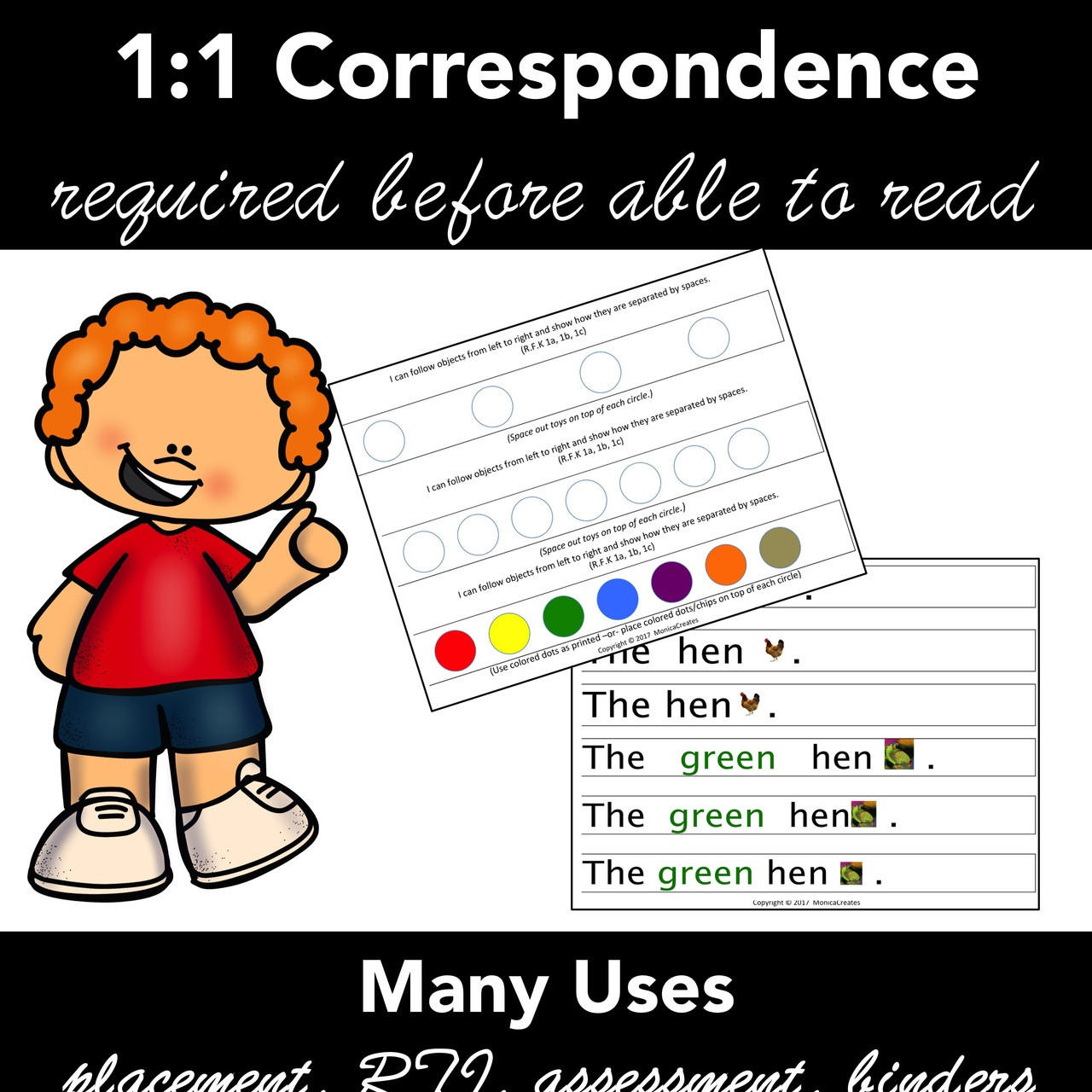
1 1 Correspondence Worksheets are a cornerstone of early math education, helping young learners grasp the foundational concept that each item in one set has a unique partner in another. By guiding children through hands‑on activities that pair objects, numbers, or shapes, these worksheets lay the groundwork for algebra, geometry, and even computer programming. In this guide, I’ll walk you through why 1 1 correspondence matters, how to design engaging worksheets, and practical tips for integrating them into your teaching routine.
Why 1 1 Correspondence Matters
Understanding 1 1 correspondence is more than just counting; it’s about establishing a clear, logical relationship between two sets. When students recognize that each apple matches exactly one orange, they begin to see patterns, make predictions, and solve problems independently. This skill is crucial for:
- Developing number sense and place value awareness.
- Building the foundation for addition, subtraction, and multiplication.
- Enhancing critical thinking by encouraging children to compare and contrast.
- Preparing for abstract mathematical concepts in later grades.
How to Create Effective Worksheets
Designing worksheets that capture attention and reinforce learning requires a blend of clarity, relevance, and fun. Here’s a step‑by‑step blueprint:
Define Your Learning Objective
Start by pinpointing the exact concept you want students to master—counting by ones, grouping, or matching shapes. A focused goal keeps the worksheet concise and purposeful.
Choose a Theme that Resonates
Children learn best when they can relate content to their world. Popular themes include animals, holiday icons, or everyday objects. A themed worksheet sparks curiosity and makes the activity memorable.
Decide on the Format
Common formats for 1 1 correspondence include:
- Match‑the‑pair diagrams where students draw lines.
- Drag‑and‑drop style (in digital versions).
- Fill‑in‑the‑blank grids where students write the partner number or shape.
- Interactive games that reward correct matches.
Incorporate Visuals
Bright images or illustrations help reinforce the link between items. Ensure each picture is clear and large enough for young eyes. Avoid clutter so students can focus on the matching task.
Layer the Difficulty
Provide a range of challenge levels on a single worksheet. Start with simple one‑to‑one pairing, then progress to more complex patterns such as alternating colors or grouping by size. This scaffolding keeps all students engaged.
Add a Reflection Prompt
After the matching activity, include a short question that encourages students to explain their reasoning. For instance, “Why did you pair the blue circle with the two red squares?” This promotes metacognition.
Sample Activities for Different Ages
Below are curated activities that cater to a spectrum of age groups, from preschoolers to early elementary students.
Preschool (3‑5 Years)
- Sticker Matching: Provide stickers of animals and a sheet with corresponding images. Kids place a sticker next to each picture.
- Color‑by‑Number: Numbers correspond to colors; students match the number to the colored shape.
- Story Sequencing: Pair story cards with images that illustrate each step.
Kindergarten (5‑6 Years)
- Counting Sets: Students count objects in one set and write the number next to the matching group.
- Shape Pairs: Match a shape on one side of the page with its mirror image.
- Simple Addition: Combine two groups and show that the total equals a single set.
Grade 1 (6‑7 Years)
- Place Value Matching: Match numbers with their place value symbols (units, tens).
- Number Line Pairs: Connect a number to its position on a number line.
- Fractional Partners: Match halves to full circles.
Grade 2 (7‑8 Years)
- Multiplication Tables: Pair a number with the result of multiplying it by a given factor.
- Pattern Recognition: Match a repeating sequence with its next element.
- Measurement Comparison: Pair lengths of objects with their measurements in centimeters.
Common Pitfalls and How to Avoid Them
Even well‑crafted worksheets can fall flat if certain pitfalls aren’t addressed. Here’s how to keep your materials effective.
Overloading Information
Too many items on one page can overwhelm young learners. Keep each worksheet focused on a single concept and limit the number of pairs to no more than 12.
Insufficient Guidance
Assume that students know how to approach the task. Provide clear instructions and an example before the main activity. A brief demonstration can eliminate confusion.
Neglecting Differentiation
All students don’t progress at the same pace. Include optional extensions—such as more complex pairings—or simplifications like larger images for visual support.
Ignoring Engagement Factors
Plain worksheets can feel tedious. Sprinkle in stickers, stickers, or a reward system to keep motivation high.
Assessment and Feedback Strategies
To gauge learning and guide improvement, use both formative and summative assessment methods.
Real‑Time Observation
Walk around as students work. Watch how they pair items and note any patterns or errors for targeted feedback.
Self‑Check Lists
Give students a simple checklist to verify each match: “Did I double‑check that each item has one partner?”
Peer Review Sessions
Have children exchange worksheets and review each other’s matches. This builds communication skills and reinforces correct pairing logic.
Quick Exit Tickets
At the end of a lesson, ask students to write or draw one thing they learned about 1 1 correspondence. Use responses to adjust future instruction.
Digital vs. Traditional Worksheets
Choosing the right medium can amplify learning outcomes. Below are key considerations:
Traditional Paper Worksheets
- Pros: Low tech barrier, tactile engagement, easy to annotate.
- Cons: Limited interactivity, harder to provide instant feedback.
Digital Interactive Worksheets
- Pros: Drag‑and‑drop features, instant scoring, multimedia elements.
- Cons: Requires devices and internet access, potential for distraction.
Hybrid Approach
Combine the strengths of both by starting with a printed activity, then transitioning to an online version for practice or reinforcement.
Resources for Educators
Below are trusted sources for printable templates, digital tools, and lesson plans that focus on 1 1 correspondence.
Printable Templates
- Search for “free 1 1 correspondence worksheets” in education repositories.
- Use template builders that let you customize images and numbers.
Digital Platforms
- Interactive math apps that incorporate matching games.
- Learning management systems that support quiz modules with matching questions.
Professional Development
- Workshops on early numeracy skills.
- Online webinars that showcase innovative matching activities.
Conclusion
Mastering 1 1 correspondence through thoughtfully designed worksheets equips young learners with a critical thinking tool that will serve them throughout their academic journey. By setting clear objectives, choosing relatable themes, and incorporating engaging visuals, teachers can create experiences that are both educational and enjoyable. Remember to assess progress continuously, differentiate to meet individual needs, and balance traditional and digital formats to keep your students motivated. With these strategies in place, you’ll foster a classroom environment where every child can confidently pair, compare, and comprehend the world of numbers.

Related posts of "1 1 Correspondence Worksheets"
